
In this Azerbaijan travel guide, you’ll find the best things to do in Baku, day trips to Yanar Dag and Gobustan, a slower escape to Sheki, and practical advice on how long to spend in Azerbaijan, where to stay, how to get around and when to visit. This guide is written by Stephen Leonard from Facts and Footsteps, who recently traveled to Azerbaijan.
Azerbaijan doesn’t get nearly the attention it deserves. It sits at the point where Europe and Asia blur into each other, right on the Caspian Sea, and it’s the kind of place where you can walk among 6,000-year-old rock carvings in the morning and watch a mountainside burn with natural flames by the time the sun goes down.
It calls itself the Land of Fire, and after a week and a half exploring it, I can say that’s not just a slogan someone in a tourism office came up with. This country genuinely burns.
I split my time between the capital, Baku, where I stayed in both the Old City and the newer part of town to get a feel for both sides of it, a couple of standout day trips, and a few nights in the mountain town of Sheki. If you’re planning your first trip, this Azerbaijan travel guide covers the places I’d point you towards, along with a few practical tips to help you fit them together.

Disclaimer: This posts might contain affiliate links, meaning that if you make a purchase through these links, I may earn an affiliate commission. Thank you for helping to support this website!

PLANNING A TRIP TO AZERBAIJAN? THESE ARE MY RESOURCES:
- ✈️ Find the best flight deals → Compare routes & prices to Baku
- 🏡 Find the best places to stay →Book a room in a hotel, guesthouse or homestay
- 🚗 Rent a car → Compare car rentals with Discover Cars
- 🚖 Airport & city transfers → Book in advance or download the Bolt app
- 🧭Explore with local guides → best tours & day trips
- 📶 Stay connected → get an eSIM (instant data on arrival throughout Azerbaijan – use code CYNTHIA and get a 15% discount )
- 🛡️ Travel with peace of mind → travel insurance for your Azerbaijan trip
Why visit Azerbaijan?
Azerbaijan works well for travellers who like a trip with sharp contrasts. Baku is polished and futuristic in places, but its UNESCO-listed Old City is enclosed by medieval walls. Beyond the capital, the landscape shifts quickly from semi-desert and mud volcanoes to the green foothills of the Greater Caucasus.
It’s also a manageable country for a first visit. You can see Baku’s main sights in a few days, combine Gobustan and Yanar Dag with organised excursions from the capital, and then travel inland to Sheki for a slower look at Azerbaijan’s Silk Road history.

Best things to do in Baku, Azerbaijan
Baku is the natural starting point for almost any Azerbaijan trip, and it earns that spot quickly. It’s a strange, brilliant mix of glass skyscrapers, Soviet-era apartment blocks and a walled medieval Old City, all sitting comfortably next to each other along the Caspian coastline.
I spent my first couple of days walking around with no fixed plan, which is honestly the best way to get a feel for how old and new Baku sit side by side.
1. See the flame towers after dark
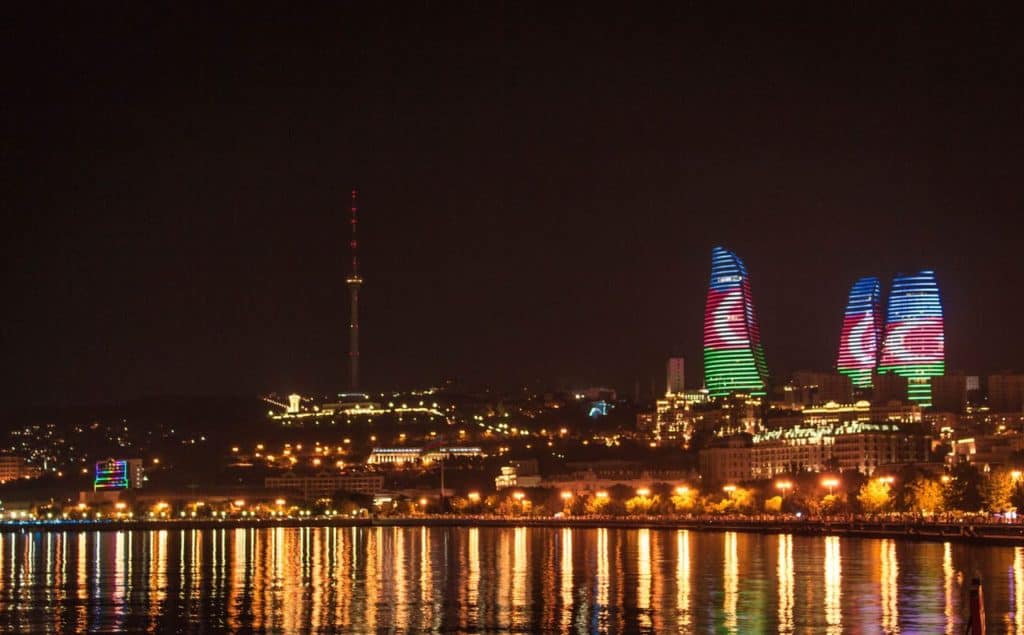
The Flame Towers are one of the first things you’ll notice: three glass skyscrapers shaped like flickering flames and lit at night in shifting colours that you can see from across the city. I walked right up to the base of them one evening, and they’re just as impressive close up as they are from a distance, if not more so once you can properly take in their scale.
2. Walk along Baku Boulevard
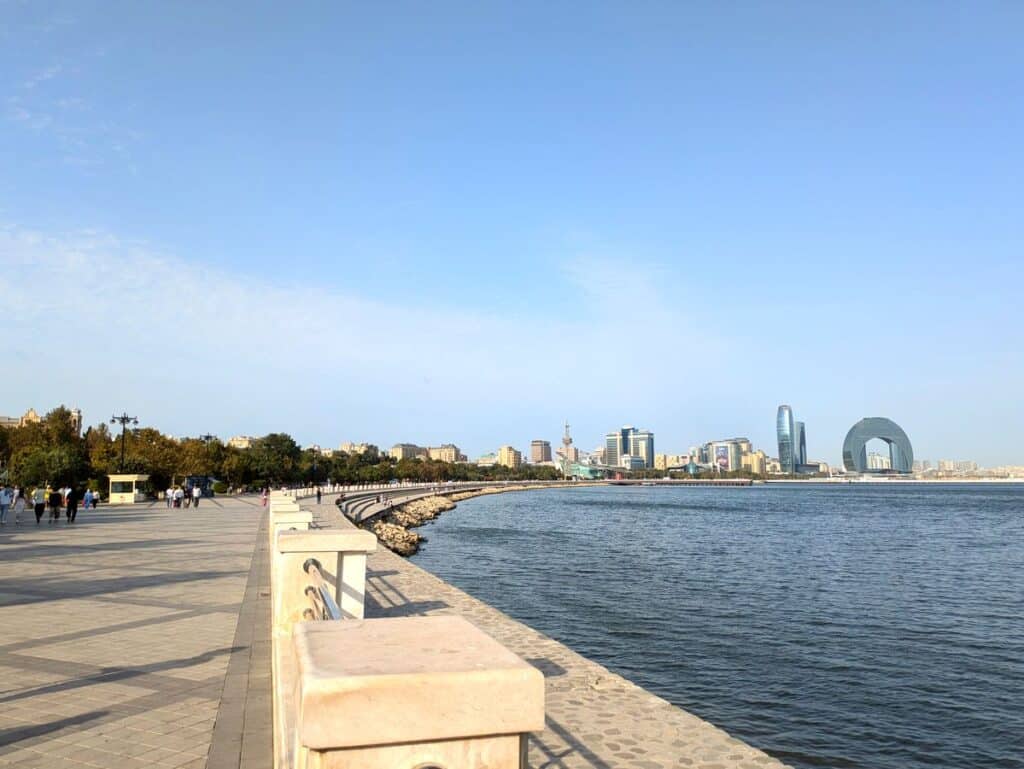
Down at the waterfront, Baku Boulevard stretches for several kilometres along the Caspian Sea, and it’s where a lot of city life plays out in the evenings: families out walking, couples on benches and teenagers on rollerblades weaving through it all. It’s a good place to get your bearings and watch the city slow down after dark.
3. Visit the Heydar Aliyev Center
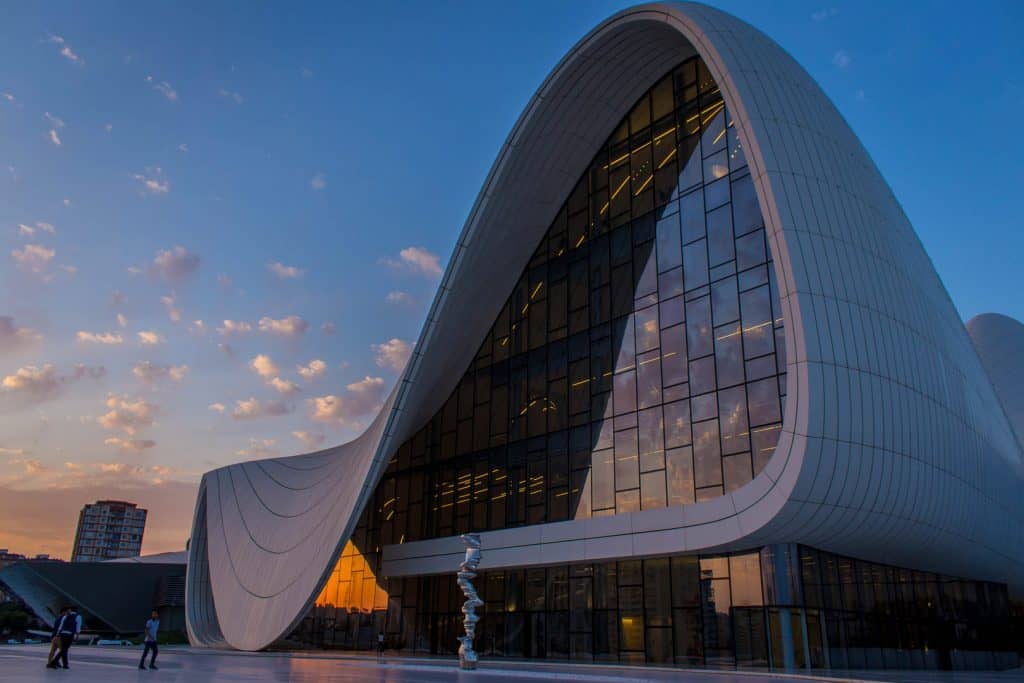
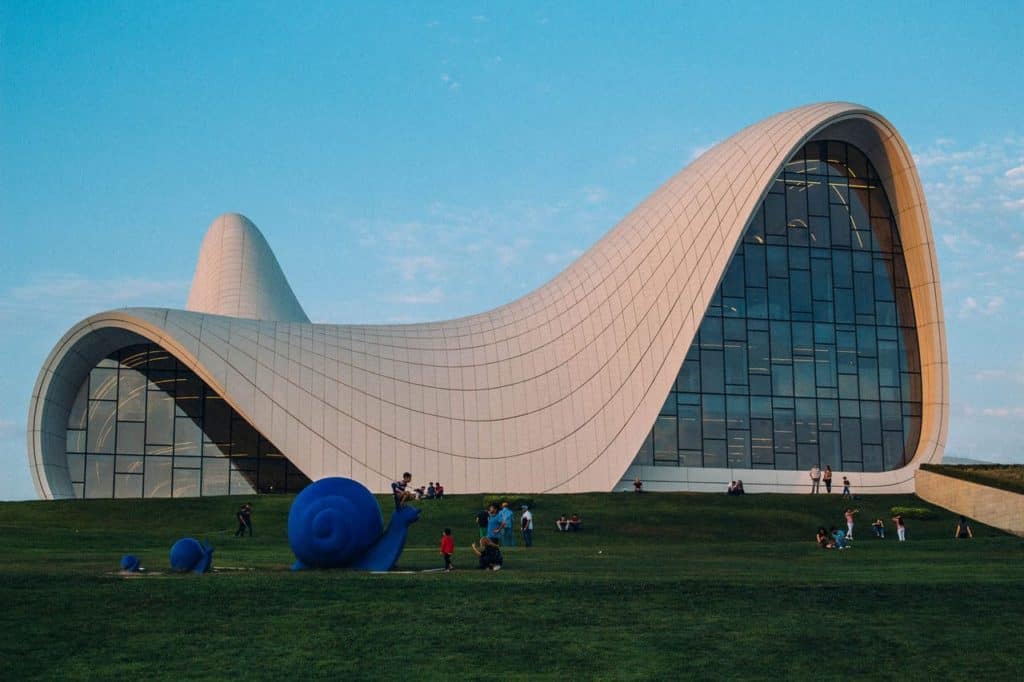
For something more offbeat, the Heydar Aliyev Center is worth the detour even if architecture isn’t usually your thing. Designed by Zaha Hadid Architects, the building is defined by sweeping curves and flowing lines. It looks almost as though it was poured into place rather than built.
4. Explore Baku’s Old City (Icherisheher)
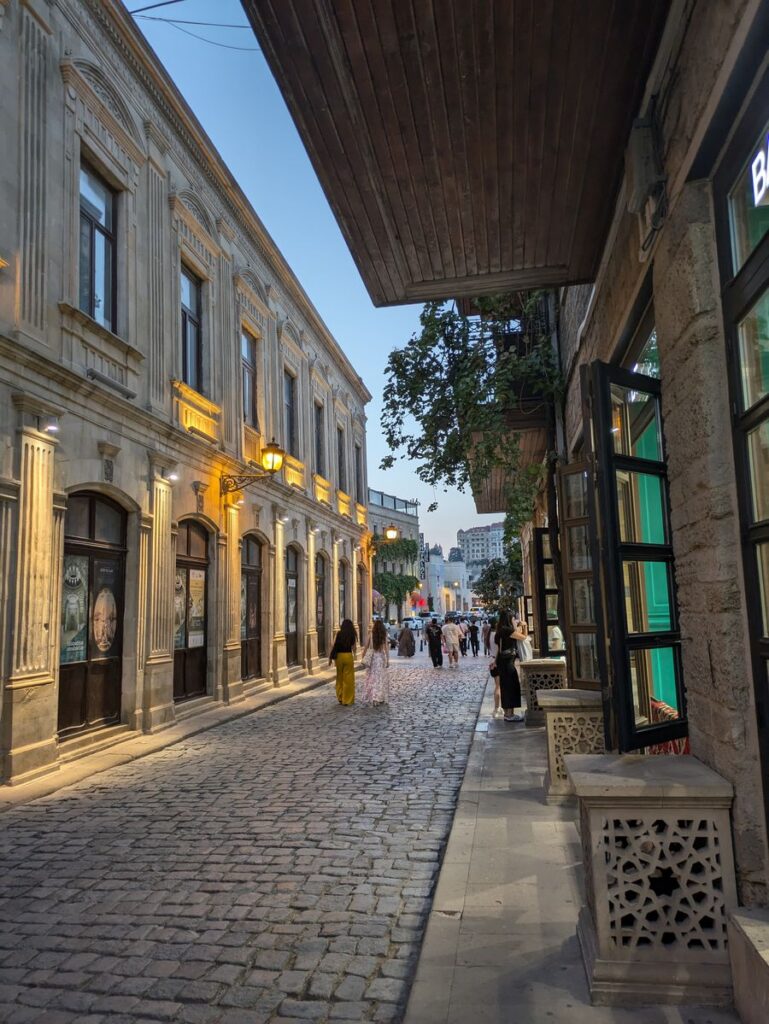
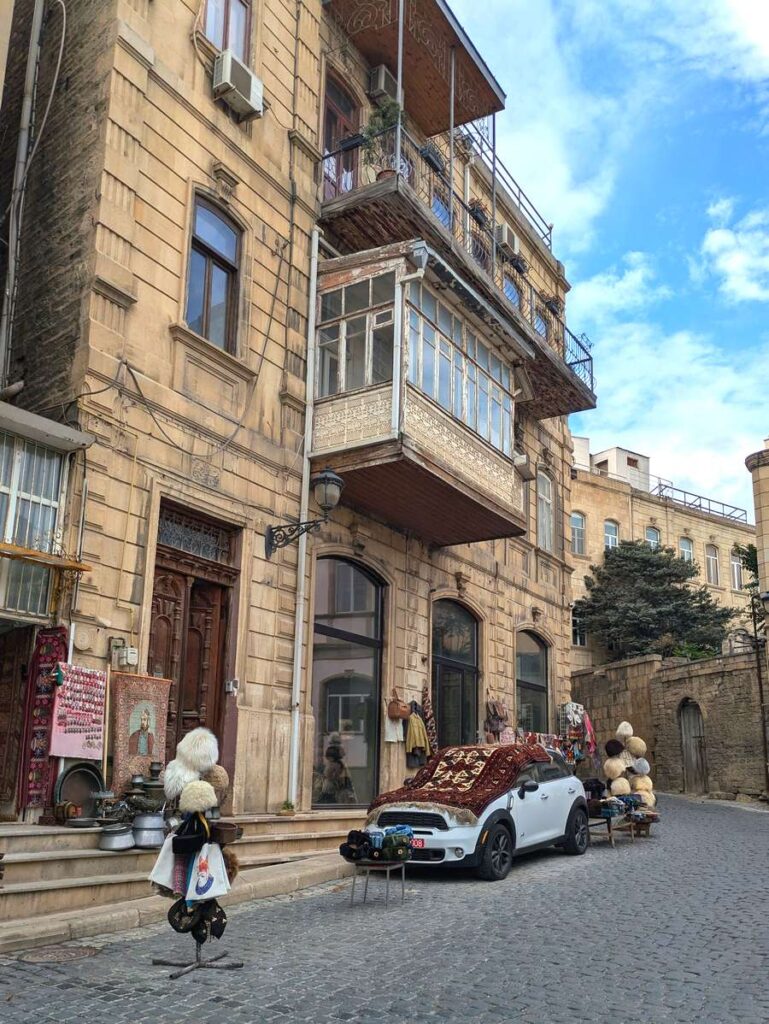
If you only have time for one part of Baku, make it the Old City. Icherisheher is a walled, cobblestoned pocket of the capital that feels centuries removed from the glass towers just outside its gates, which, in some places, it literally is.
I based myself here for a couple of nights, and waking up inside the old walls before the day trippers arrive is a completely different experience from seeing it at midday.
Inside the walls, you’ll find the Maiden Tower, a 12th-century landmark built over much older structures, and the Palace of the Shirvanshahs, a royal complex dating mainly from the 12th to 15th centuries. Together with the Walled City, they form Baku’s UNESCO World Heritage site.
Wander the narrow lanes without much of a plan. That’s really the point. Carpet shops, tea houses, caravanserais and centuries-old stonework appear around almost every corner, and it’s easy to lose an afternoon just drifting through it.

Where to stay in Baku’s Old city
- Top choice for solo budget travellers: Friends Hostel Baku
- Top pick for mid-range travellers: The Destan Hotel and Terrace
- Best high-end hotel: Courtyard by Marriott Baku
Yanar Dag: Azerbaijan’s Burning Mountain
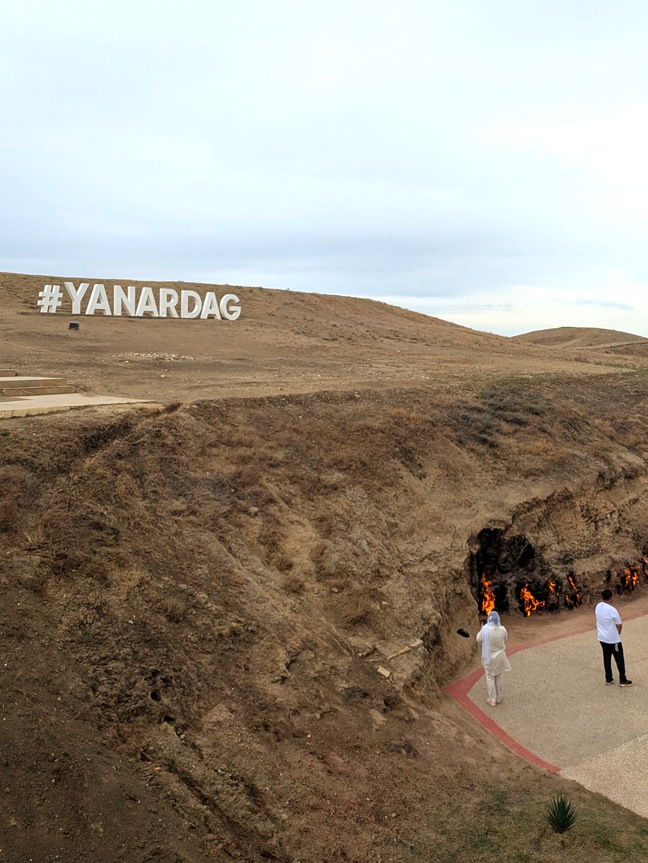
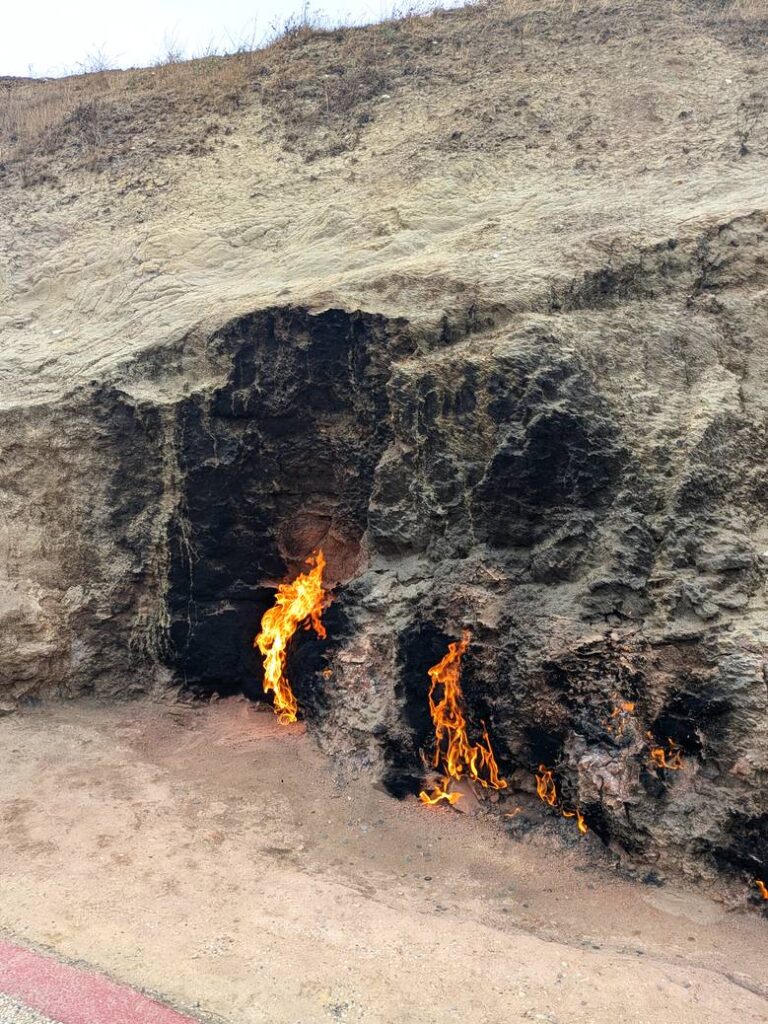
About 25 kilometres outside Baku, part of a hillside has been burning continuously for decades. Yanar Dag, which translates as ‘burning mountain’, is fuelled by natural gas escaping through the porous ground. A low wall of flame several metres long licks across the side of the rocky slope.
It’s one of those sights that photos genuinely don’t do justice to. There’s something slightly unsettling about fire that isn’t attached to any fuel you can see: no wood, no obvious source, just flames coming straight out of the hillside.
Yanar Dag is especially striking towards dusk, when the fire stands out against the darkening sky. The visit itself doesn’t take long, around 20 to 30 minutes is enough for most people, but it’s an easy addition to a day of exploring the Absheron Peninsula and explains a good part of why Azerbaijan calls itself the Land of Fire.
Day tour recommendations to Yanar Dag:
Gobustan Rock Art and Mud Volcanoes
Roughly an hour south of Baku, Gobustan Rock Art Cultural Landscape protects one of the most remarkable open-air museums I’ve come across. More than 6,000 engravings are scattered across this semi-desert plateau, representing around 40,000 years of rock art.
The petroglyphs show hunting scenes, dancing figures, boats and animals that have long since vanished from the region. They were left behind by people who lived here millennia before Baku existed in any recognisable form. A small on-site museum does a solid job of putting the carvings into context before you head out to see them among the boulders themselves.
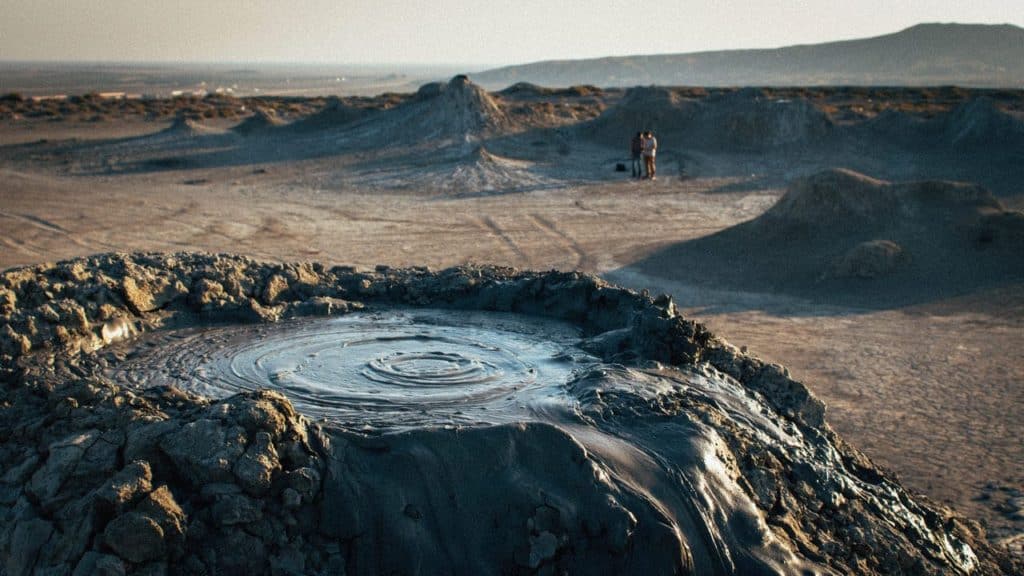
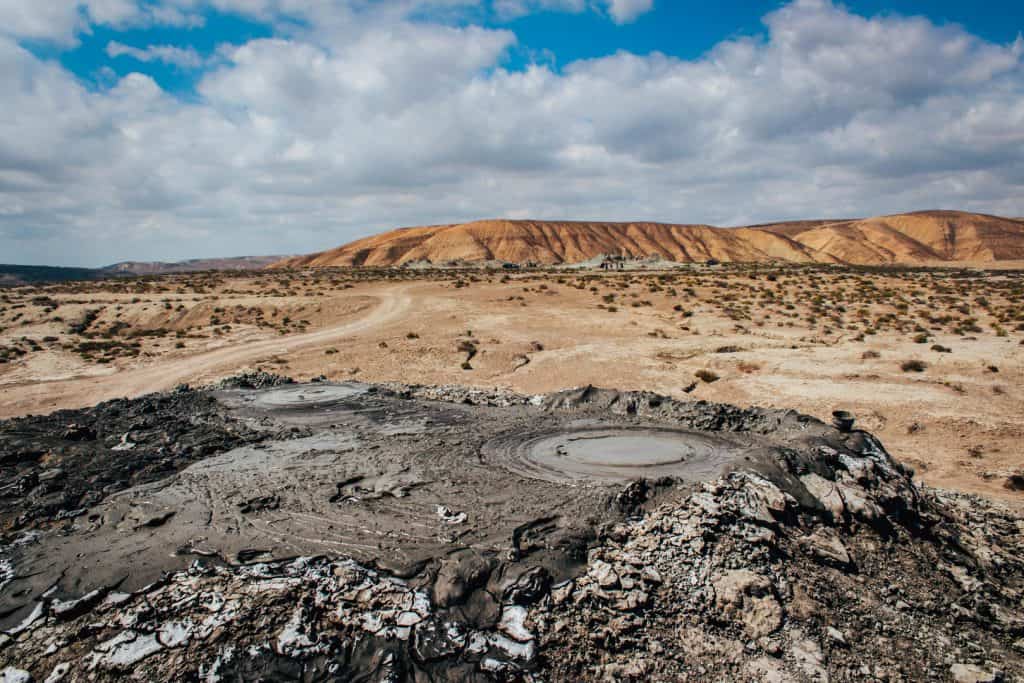
The wider Gobustan area is also known for its mud volcanoes: low, bubbling cones of cool grey mud that spit and pop like a pot of porridge left too long on the stove. They’re an odd, slightly surreal addition to the rock-art visit and worth combining into the same day trip if you’re short on time. Access conditions can vary, so a local driver or organised tour makes the logistics considerably easier.

Day tour recommendations to Gobustan:
Sheki: a slower side of Azerbaijan
After a few days in Baku, Sheki was a welcome change of pace. Tucked into the foothills of the Greater Caucasus, it’s a small city shaped by the trade routes that once connected Asia and Europe. Its historic centre and the Khan’s Palace are now UNESCO listed, but Sheki still feels lived-in rather than preserved behind glass.
1. Visit the Palace of Sheki Khans
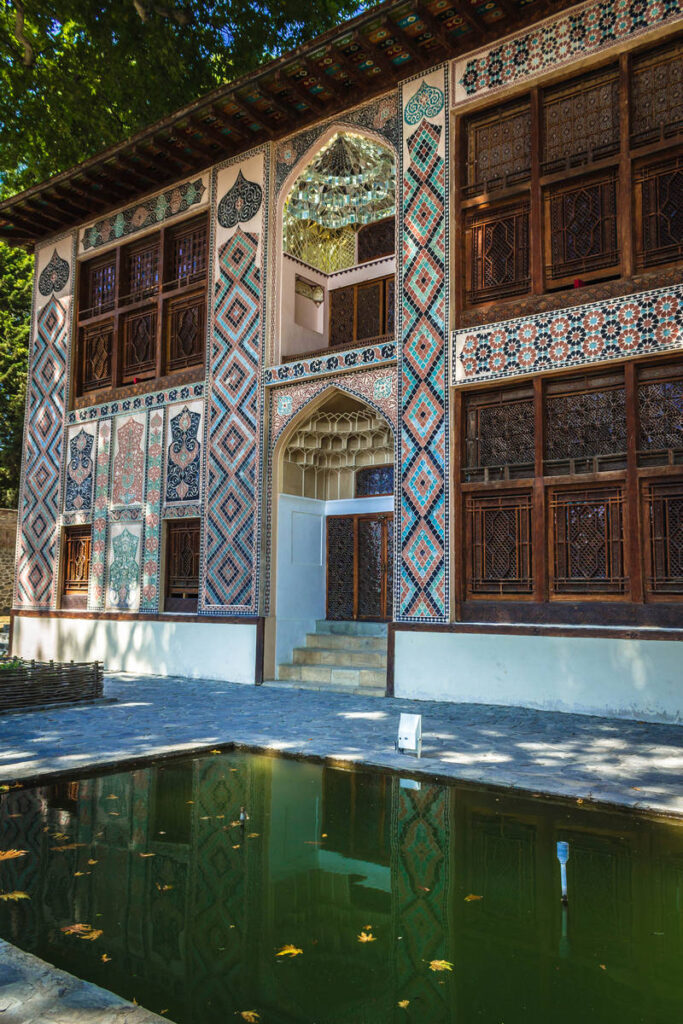
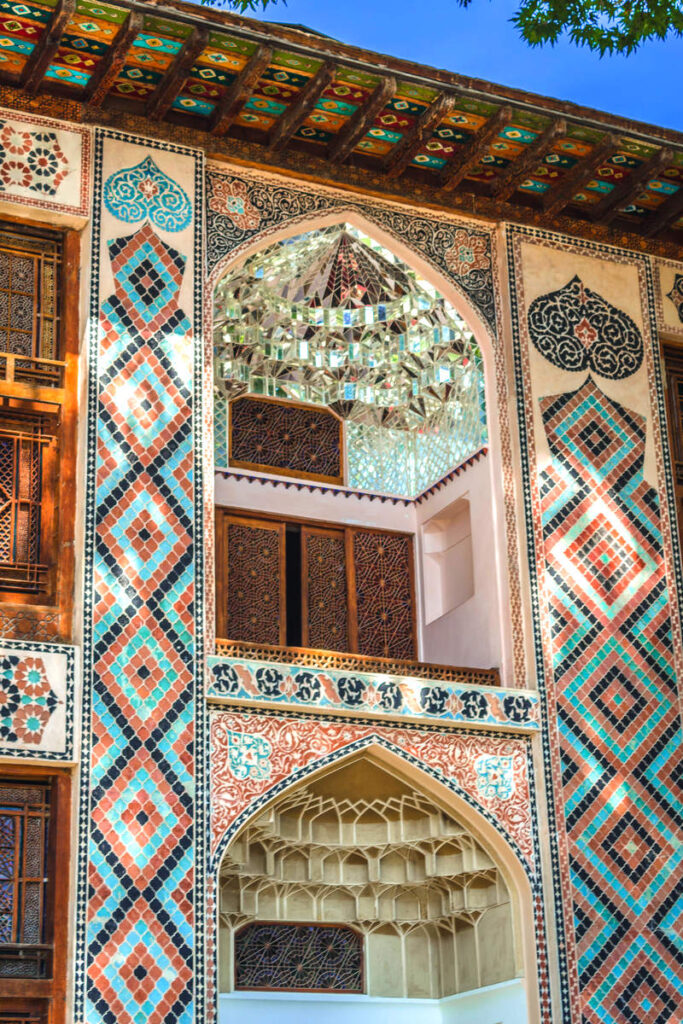
The centrepiece is the Palace of Sheki Khans, an exquisitely decorated 18th-century summer residence. Its walls and ceilings are covered in intricate paintings, while its coloured shabaka windows are made from pieces of wood and glass fitted together without nails or glue. It’s a short visit, but a memorable one.
2. Wander through the caravanserais
Sheki’s caravanserais are reminders of the merchants who once passed through with silk and other goods. Even if you don’t stay in one, the heavy stone arches and broad courtyards give you a much clearer sense of the city’s place on the old trade routes.
3. Try Sheki Halva
Sheki is known across Azerbaijan for its sweets, particularly Sheki halva, made with layers of nuts, syrup and a fine lattice of pastry. It’s rich, sticky and worth trying in one of the local sweet shops before you leave.
I spent a few nights here rather than rushing through on a day trip, and the slower pace was worth it. The surrounding countryside, the old caravanserais and the general rhythm of life make Sheki one of the country’s most rewarding stops.
Where to stay in Sheki
- Best choice for solo budget travellers: Old House
- Top pick for mid-range travellers: Art Hotel by ABAD Guest
- Best Boutique experience: Yaffle Inn Shaki Boutique Hotel
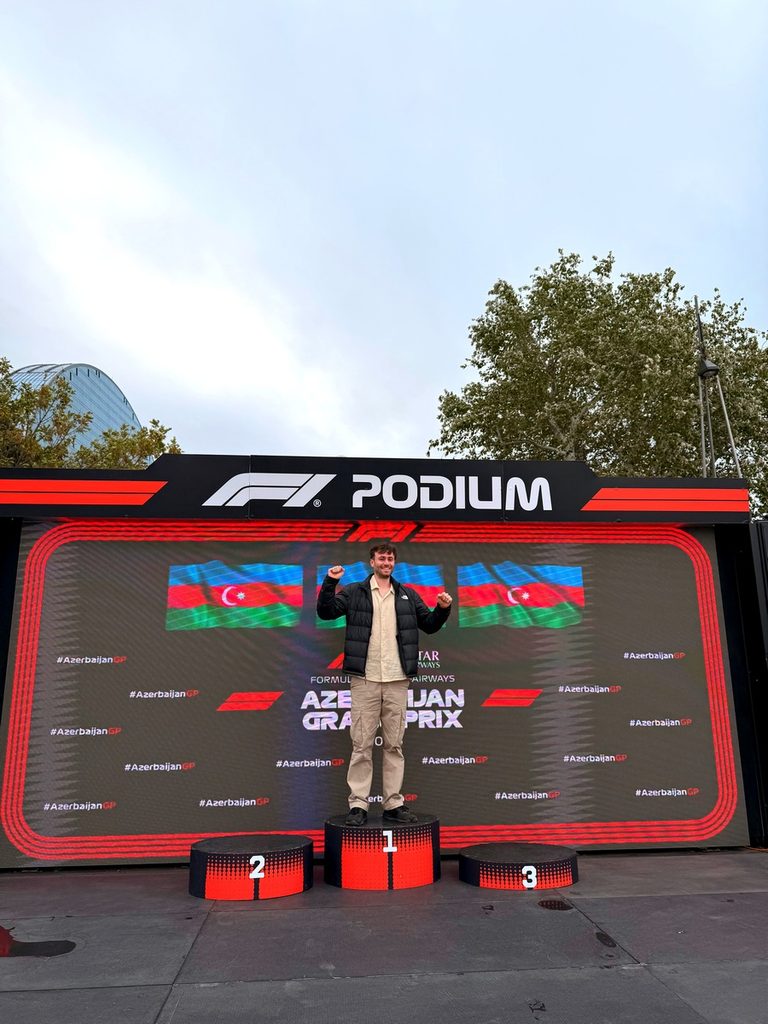
Bonus: see the Baku Formula 1 Circuit
If your visit lines up with race season, Baku hosts a Formula 1 street circuit that loops through the city centre, past the Old City walls and along the waterfront. It’s one of the most distinctive tracks on the calendar, with cars racing only metres from centuries-old stonework.
The event happens once a year and dates can change, so it won’t factor into most people’s planning. But if the timing works out, it’s a genuinely unusual way to experience the city. Expect accommodation prices and demand to rise around race weekend, whether you’re attending or not.
Practical Azerbaijan Travel Tips
1. How many days do you need in Azerbaijan?
Give yourself at least one week if you want to see the places in this guide without rushing. Around 9 or 10 days is better if you like unplanned time or want to spend two full days in Sheki.
- Days 1-3: Explore central Baku, the Flame Towers, Baku Boulevard, the Heydar Aliyev Center and Icherisheher.
- Day 4: Take a day trip to Gobustan’s rock art and nearby mud volcanoes.
- Day 5: Visit Yanar Dag and explore more of the Absheron Peninsula, or leave this day flexible for Baku.
- Days 6-8: Travel to Sheki, visit the Khan’s Palace and caravanserais, try Sheki halva and enjoy the slower pace.
- Days 9-10: Return to Baku and keep a final day for anything you missed or for onward travel.
2. Getting Around Azerbaijan
Baku is easy to explore on foot if you stay near the centre, and the metro is useful for longer journeys across the city. Gobustan and Yanar Dag are manageable as day trips, either with an organised tour or a private driver. A tour is particularly convenient if you want to include the mud volcanoes, as the final approach may involve rough roads.
Sheki is around 5 to 6 hours from Baku by road, depending on traffic and stops. Buses and shared transport keep costs down, while hiring a car gives you more freedom to break up the journey. Check current road and transport information before setting out rather than relying on old timetables.
3. What is the best time to visit Azerbaijan?
Spring and autumn are usually the easiest seasons for combining Baku with inland destinations such as Sheki. The temperatures are generally more comfortable for walking, although weather can change quickly between the Caspian coast and the Caucasus foothills.
Baku can be intensely hot in summer and is famously windy at different times of year. Winter is quieter, but colder weather and shorter days can make countryside trips less predictable. If the Formula 1 Grand Prix is not the reason for your visit, check the race dates before booking so you can avoid the busiest and most expensive period.
4. Do I need a visa to visit Azerbaijan?
Entry rules depend on your nationality. Travellers from many countries can apply through Azerbaijan’s official ASAN e-Visa portal. A standard e-visa is normally issued within three working days and allows a single-entry stay of up to 30 days, but always check the official rules before booking.
5. What is the currency used in Azerbaijan?
The local currency is the Azerbaijani manat (AZN). Cards are widely useful in Baku, but carrying some cash is sensible for smaller shops, local transport and places outside the capital.
6. What language is spoken in Azerbaijan?
Azerbaijani is the official language. Russian is also widely understood, especially among older generations, while English is increasingly common in hotels and tourism businesses in Baku.
7. What should I pack?
Bring comfortable shoes for Baku’s cobblestones and Gobustan’s rocky ground, sun protection for exposed sites and an extra layer for windy evenings or the cooler mountain foothills.
My final thoughts on visiting Azerbaijan
Azerbaijan sits in an odd blind spot for many travellers, caught between the more heavily trodden routes through Georgia and Central Asia. That’s part of what makes it worth visiting: it’s a country with prehistoric carvings, a literal burning mountain, palaces filled with nail-free wooden latticework and a Formula 1 circuit wrapped around its capital and somehow it still flies under the radar.
Baku alone is worth 3 or 4 days, but travelling beyond the capital changes the trip completely. Add Gobustan, Yanar Dag and a few nights in Sheki, and you get a much fuller picture of why the Land of Fire is more than just a name.

About the author
Stephen Leonard is the founder and writer behind Facts & Footsteps, a travel blog with an in-depth focus on Bolivia. He’s personally travelled to over 100 countries and works as an SEO consultant, helping travel and outdoor brands grow their organic visibility. You can find more of his writing at factsandfootsteps.com.
More useful Azerbaijan Travel Guides
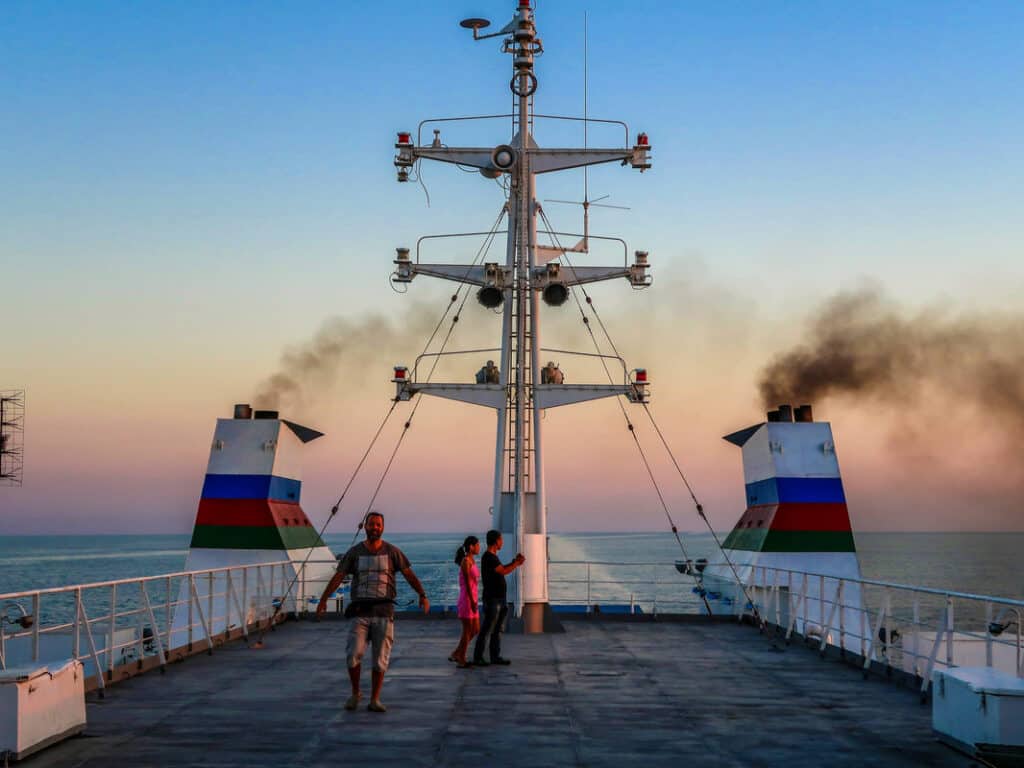
Caspian Sea Ferry: 8 Things you Need to Know about how to cross the Caspian Sea from Baku to Aktau by ferry in 2026 – A Comprehensive Guide
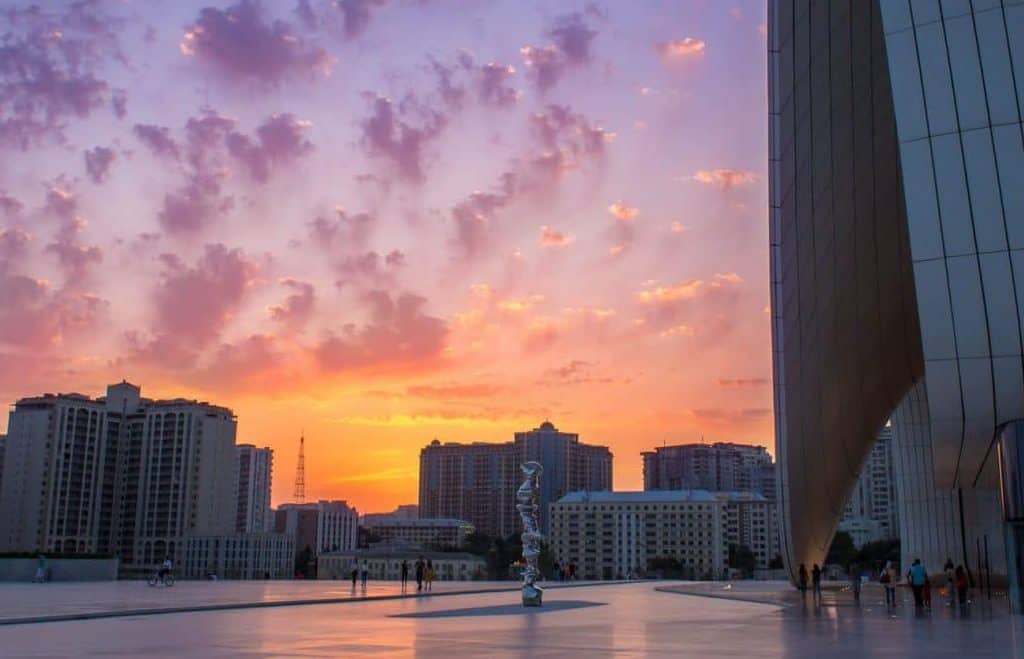
Things to do in Baku – a budget-friendly guide to Azerbaijan’s exquisite capital city

Everything you need to know about Backpacking in Azerbaijan
