
Lofty mountains, open-hearted hospitality, and freely flowing wine – these are likely to be some of the first things that spring to mind when you think of Georgia.
Many people have no idea that Georgia’s subtropical hills and alpine peaks are also home to unique tea culture.
Reading Tip: 10 delicious dishes from the Georgian Cuisine
Georgia tea history: from huge industry to collapse
Georgia was once the world’s fourth-largest grower of tea. During the 20th century, Georgian tea filled cups across the Soviet Union.
After the fall of the USSR, the Georgian tea industry collapsed during a decade of political turmoil, gangsters and civil war.
Today, ruined factories, collapsing theatres and hectares of tea bushes strangled by ferns are the ghosts of what once was a thriving industry that employed many people in rural regions.

Reading Tip: The 15 best and most remarkable places to visit in Georgia
Unique tea tradition in the mountains
Even before the mass commodification of tea by the Soviets, Georgia had its own unique tea-making culture.
Perhaps inspired by tea traders of the Silk Road, communities rolled the leaves of fruit bushes and trees that grow across the Caucasus Mountains, such as wild blueberry and blackberry.
Long before the arrival of the tea plant, they drank these teas to stay warm and healthy.
Reading Tip: Oh Georgia, Sweet Mother of Wine
Today: a community of tea growers in Guria – Georgia Tea Route
Despite Georgia tea’s turbulent history, a number of artisanal tea makers are reviving the tea bushes that still blanket the hillsides today.
Using organic methods and focusing on quality rather than quantity, a small community of tea makers are hoping to bring the industry back to life.
Most Georgian tea plantations are in Guria and Adjara. Tea was first planted here in the 19th century. Thanks to the region’s subtropical climate, it thrived.
Unlike most tea-growing regions, Georgia experiences a winter frost that naturally kills pests without the use of chemicals.
Scattered across Guria, Georgia’s tea makers are all unique characters. You can meet them by following the ‘Tea Trail’ which takes you to the homes and plantations of some of the pioneers of Georgian tea such as Lika Megreladze.
Many generations of her family worked in tea before the collapse of the industry. She continues their legacy by running a small guest house, Komli, where you can learn to make tea yourself.


Continuing tradition: hand-rolling wild blueberry leaves to make tea
Plump wild blueberries hang like treasure in Georgia’s mountains from July until September.
Oceans of wild blueberry bushes blanket the slopes. Each spring, families from mountainous villages across Western Georgia head into the forests and hillsides to pluck the young leaves of these bushes, as generations before them.
They hand roll the leaves to make wild blueberry leaf tea, a delicious tea that tastes like black tea with notes of blueberry.
In the past, these families lived nomadically across the mountains, herding their cows between pastures. Today, many still drive their cattle to higher ground in summer.
If you pass by their house whilst hiking, they will probably invite you for a cup of wild blueberry leaf tea that they keep bubbling on the stove.

Tea could be a force for positive change
Despite Georgia’s unique tea traditions, tea makers struggle to find a market for their tea. But, the industry is slowly growing as its tea fights against the Soviet legacy of mass over quality.
The loss of Georgia’s tea industry had a huge impact on western Georgia. Many people were forced to move to cities in search of new jobs as employment in the countryside is scarce.
By reviving the industry, tea makers hope to offer fair jobs in their communities, whilst offering excellent, organic tea to the world.
About the author
Amy cycled from the UK to Georgia in 2018 and made a home between Tbilisi and Samegrelo. She co-founded Nela-Nela tea to help Georgian tea makers spread the word about their tea. Follow her journey on Instagram here.
Related Posts

Kazbegi Travel Guide 2026: Best things to do, Hiking Trails & Essential Tips to visit Kazbegi, Georgia

How to visit Tusheti National Park, Georgia’s most beautiful and remote region
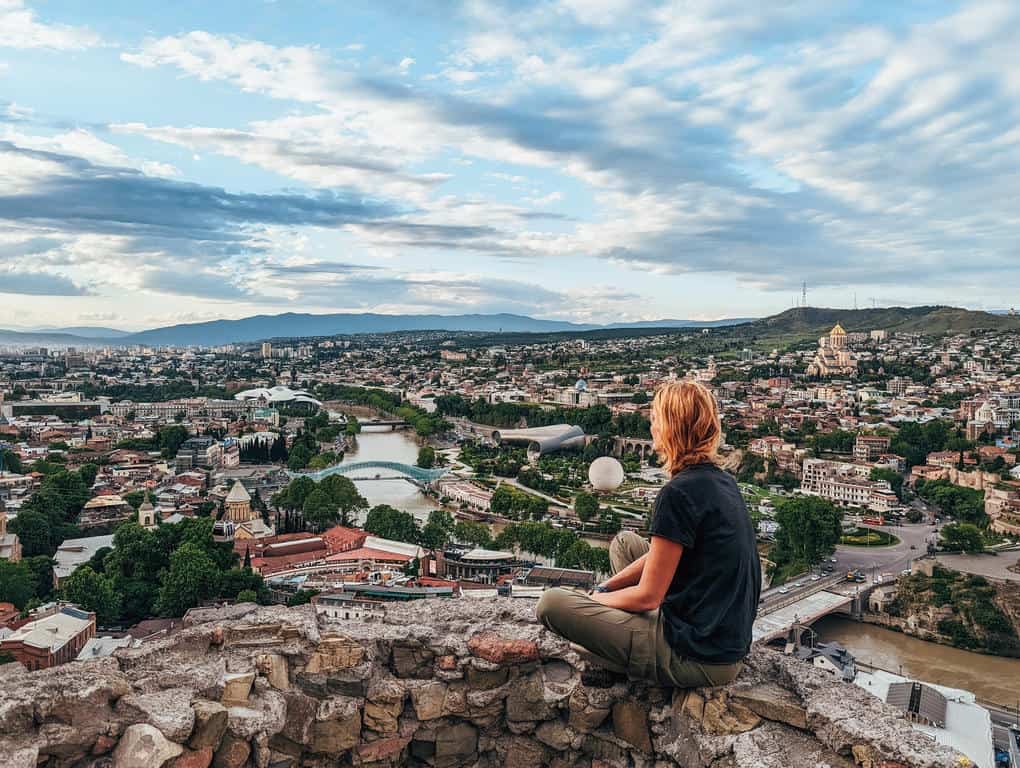
Georgia Itinerary – 3 Great Travel Itineraries to see the best of Georgia (country)
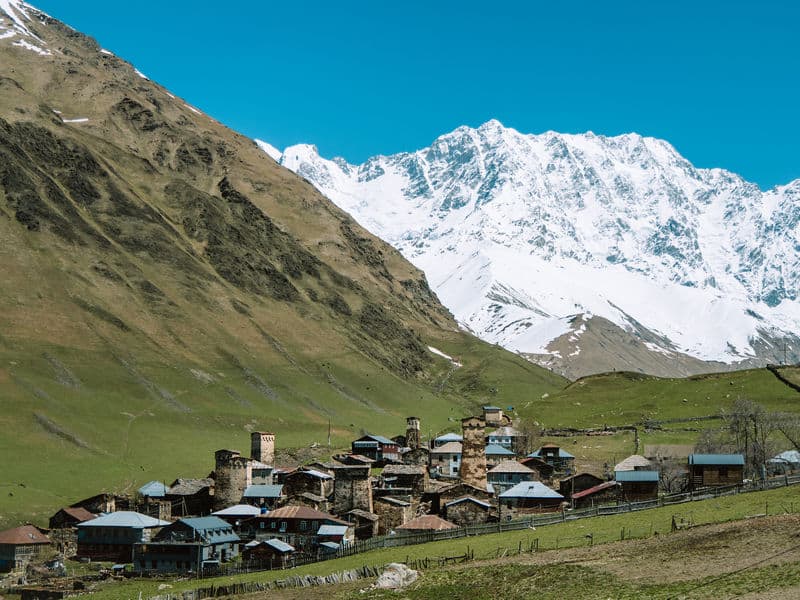
The Complete Svaneti Georgia Travel Guide – 21 Things to do in the Wild Heart of the Caucasus Mountains
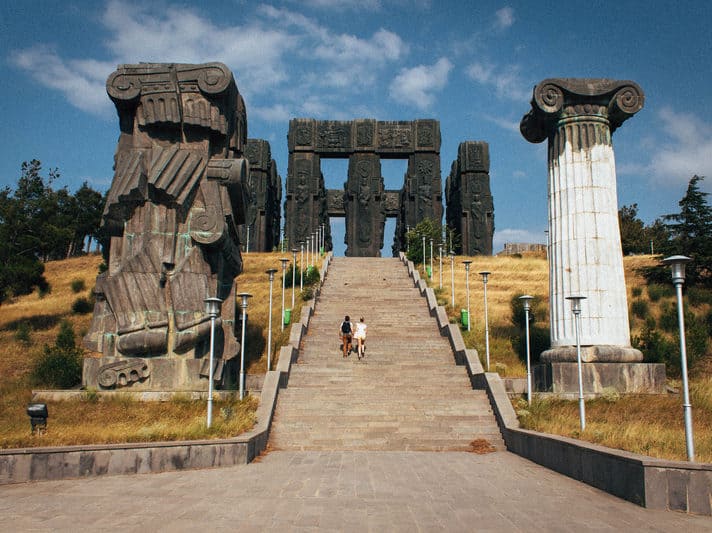
How to get to the Chronicles of Georgia in Tbilisi
