
Here are 6 useful tips to help you prepare to go backpacking in winter!
There’s something about the winter that just makes people want to curl up inside. The cold temperatures, the barren landscape, the shorter days… It all seems to conspire against anyone daring to venture outdoors.
But what if you’re itching to go backpacking in the middle of winter? Believe it or not, it can be done – with a little bit of preparation.
It can be challenging to go backpacking in winter but it’s not impossible! With the right gear and clothing, you can enjoy the beauty of this season. Just make sure you are prepared for the colder temperatures and have the necessary gear to keep you warm and dry.
So you’ve decided you’re up for this challenge. Excellent choice! There are a few things you need to know before hitting the trails, though.
This guide will tell you everything you need to know about backpacking in winter, from what gear to bring to how to stay safe and warm on your trip. Let’s get started!

Disclaimer: This posts might contain affiliate links, meaning that if you make a purchase through these links, I may earn an affiliate commission. Thank you for helping to support this website!

Why You Should Go Backpacking In Winter
I know, I know. You’re thinking, “It’s winter! The last thing I want to do is go backpacking!” But trust me, there are plenty of reasons to strap on a pack and hit the trails in the colder months.
Here are just a few:
- Fewer crowds—Yes, even in popular destinations like Yosemite and Zion National Parks, you’ll find far fewer people in the winter.
- Better scenery— With all the leaves off the trees, you’ll have better views of those striking mountain ranges and river canyons.
- Warmer weather— In many parts of the country, winter temperatures can be downright balmy compared to summertime highs.
Reading Tip: 6 reasons why you should visit Kyrgyzstan in winter
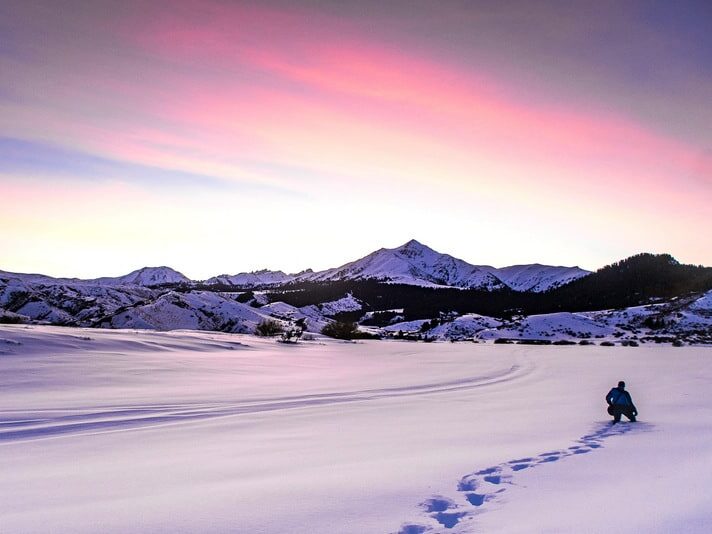
Tips For Backpacking In Winter
Do you love the outdoors, but don’t want to give up your summer activities just because the weather is turning colder? Fear not! You can still go backpacking in winter!
Just follow these tips and you’ll be on your way to a fun and comfortable outdoor experience.
1. Layering is your friend
When it comes to backpacking in winter, layering is key. You want to make sure you have enough layers to keep you warm, but not so many that you’re overheated and uncomfortable.
A good rule of thumb is to dress in three layers: a base layer, an insulating layer, and a waterproof outer layer.
- Base Layer:
The base layer is the layer of clothing that is in direct contact with your skin such as long sleeve shirts, tops and leggings for winter hiking.
It should be made of a material that wicks away moisture, like Merino wool or synthetic fabrics. This layer helps to keep you dry and comfortable by moving sweat away from your body.
Our recommendations:
- Merino wool base layer top for women
- Merino wool base layer top for men
- Merino wool leggings for women
- Merino wool leggings for men
- Insulating Layer:
The insulating layer is the middle layer of clothing that helps to trap heat and keep you warm. This layer is usually made of materials like down or synthetic insulation.
Our recommendations:
- fleece sweater for women
- fleece sweater for men
- down vest for women
- down vest for men
- down jacket for women
- down jacket for men
- hiking pants for women
- hiking pants for men
- Waterproof Outer Layer:
The waterproof outer layer is the final layer of clothing that helps to protect you from the elements, like rain, snow, and wind. This layer is usually made of materials like Gore-Tex or nylon.
Our recommendations:
- Winter hiking jacket for men
- Winter hiking jacket for women
- Waterproof hiking pants for men
- Waterproof hiking pants for women
When it comes to shoes, you want to make sure you have a good pair of hiking boots that are waterproof and insulated.
Our recommendations:
You also want to make sure you have a pair of socks that are specifically designed for winter hiking. These socks will be thicker and made of waterproof material to keep your feet warm and dry. We highly recommend Merino wool hiking socks.

Reading Tip: The Complete packing list for trekking in Central Asia
2. Don’t skimp on calories
Since your body will excessively be burning calories to maintain its core temperature, you will need to consume more calories than usual. This means bringing more food with you, and foods that are high in calories and fat.
Dried fruits, nuts, peanut butter, jerky, and granola bars are all great options for winter backpacking snacks. For meals, opt for hearty soups, stews, pasta dishes, and anything else that will give you a lot of energy. And always make sure to pack extra food in case you get stranded or lost while out on the trail.
You should at least be consuming 3500 to 5000 calories daily to maintain your body temperature and keep you warm on a winter hike.
To put things in perspective, the recommended daily caloric intake for an adult human is between 1500 and 2000 calories. So, to sum it up, you have to eat twice as many calories as you normally would.

3. What to pack for camping in winter
When backpacking and camping in winter, you’ll need to make sure you have the proper gear with you to stay warm and dry.

- Sleeping bag, liner and blankets
First and foremost, you will need a good-quality sleeping bag that is rated for cold weather.
A synthetic or down-fill sleeping bag will work best, as it will trap your body heat better than a cotton or wool sleeping bag. You may also want to consider bringing a liner and an extra blanket or two to sleep with, just in case.
Our recommendations:
- lightweight sleeping bag for winter
- sleeping bag liner for extra warmth
- lightweight fleece blanket for camping
- Insulated waterproof tent
Secondly, you will need a good tent that can withstand strong winds and heavy snowfall. A four-season tent is ideal, as it is designed to handle all types of weather conditions.
Make sure to choose a tent that has plenty of ventilation, as you might have to turn on a heater to keep you warm.
Some recommendations:
- Camping heater:
Speaking of keeping warm, a portable heater is essential that you will want to bring along on your trip.
We recommend bringing a portable propane-fueled heater as you might not have access to electricity on the camping site. You can always carry extra fuel.
- Camping stove:
Another essential item for winter backpacking is a camping stove. We recommend bringing a Jetboil as this backpacking camping stove is very light and compact, it sets up quickly and boils water in a matter of minutes!

Reading Tip: How to prepare for hitchhiking and camping in winter
Extra tips and recommendations to keep warm at night:
- Bring an insulated sleeping pad that provides an extra layer of warmth or use a reusable emergency blanket to put underneath the pad for extra insulation
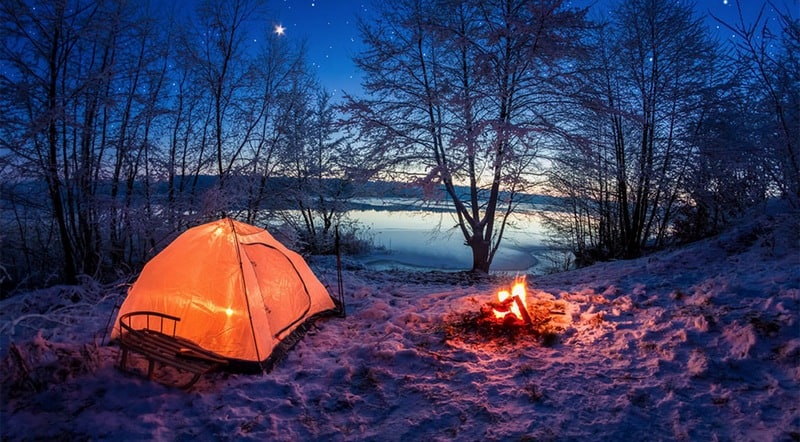
- Make a fire near the tent, but proceed with caution and ensure it’s out of the wind’s way and the smoke can’t make it into the tent.
- Bring a couple of hot water bottles in which you can fill hot water and put them in your sleeping bag an hour before going to bed.
- If you easily have cold feet, we highly recommend investing in a pair of down sleeping socks!

4. How to set up camp in winter
When you go winter backpacking, you want to make sure that you have a tent that is appropriate for the cold weather. It must be water- and windproof and have a groundsheet (see our recommendations above).
Here are some tips for setting up the tent in snow:
- Select a good camping site:
Finding the right camping site is key to a successful and enjoyable winter backpacking trip. Look for sites that are high up on ridges or hills, as these will offer the best protection from the wind.
Also, make sure to choose a spot that is well away from any trees or large boulders, as these could fall and injure you in high winds.
Once you’ve found a good spot, clear away any snow before setting up your tent.
- Build a snow wall
A snow wall is an essential part of winter camping, as it will help block the wind and keep your campsite protected.
To build a snow wall, simply pack snow into blocks and stack them up around your tent. Make sure the wall is at least 3 feet tall, and the width should cover the entire tent.
- Anchor the tent
When pitching your tent, make sure to use extra-long stakes and guy lines to anchor it down. This will help ensure that your tent doesn’t blow away in the wind.
You should also make sure to ventilate your tent well to prevent condensation from building up inside.
5. Have an emergency exit plan
In winter, conditions can change very rapidly and unexpectedly. Whether it be a sudden snowstorm or an avalanche, you need to have an emergency exit plan in place in case things go wrong.
Make sure you know the route you’re taking well and have several alternate routes planned out. The Garmin GPSMAP 65s is an ideal device for this!
Always let someone know where you’re going and when you expect to be back. That way, if something does happen, they can send help your way. Bring a personal locator beacon (PLB) or satellite messenger with you.

6. Be prepared for the worst
When backpacking in the winter, you need to be prepared for the worst possible scenario.
This means bringing extra clothes, a first-aid kit, a fire-starting kit, an emergency blanket, and anything else that could possibly come in handy in case of an emergency.
Backpacking in winter can be a great way to escape the crowds and enjoy some peace and quiet in nature.
Just make sure you are well-prepared for the cold weather, pack the right gear, and take your time to enjoy the views.
We hope you found this article helpful while preparing for your winter backpacking trip. Just remember to pack appropriately and always be prepared for the worst.
Have fun hiking in the snow covered mountains!

Do you have more useful tips for backpacking in winter? Let me know in the comments below!
About the author

Hussain Alasfoor from Hikers Needs is a passionate hiker and traveler that loves the outdoors and enjoys what nature has to give, whenever he can he loves to write and give tips & honest reviews to help others get outdoors and just seek more unforgettable experiences. You can find him for more on Pinterest as well.
Related posts

Best Tips and complete Packing List for Traveling in Central Asia in 2026 – When to go and what to wear when visiting Central Asia

What is the best Affordable Travel Insurance for Backpackers? The 3 Best Backpacker Travel Insurance Companies Compared

Is this a reliable long-Term travel Insurance? Safetywing Review

How to choose the Best Travel Backpack
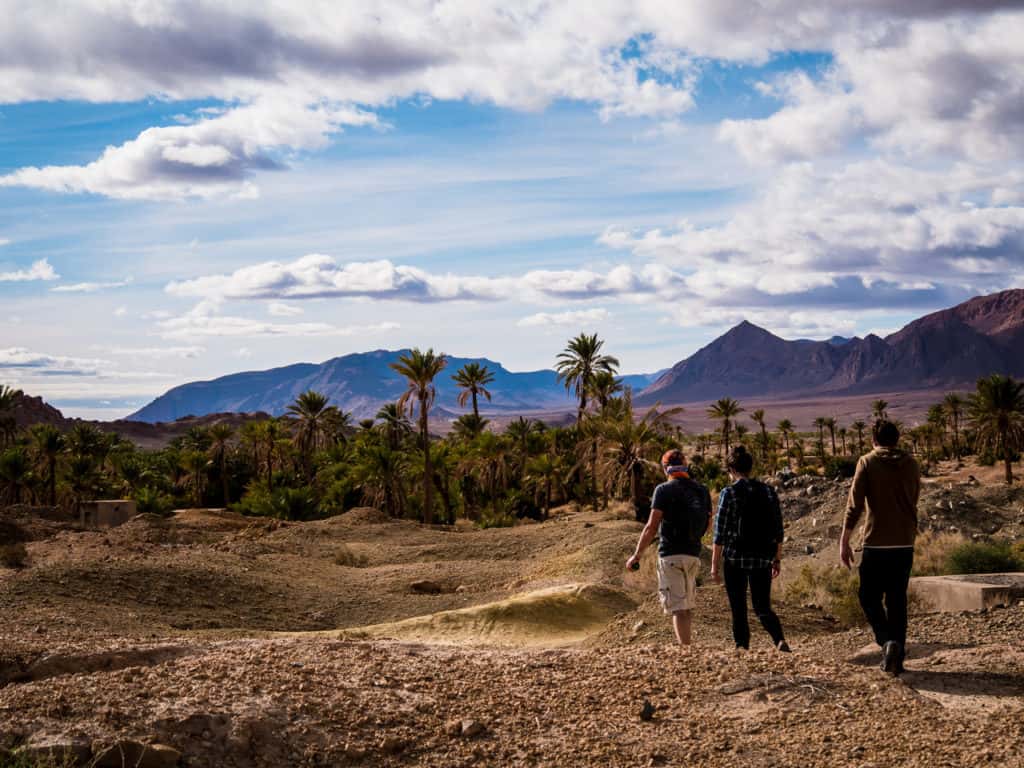
What to wear in Morocco – The Ultimate Packing List for Adventurers and Backpackers
