
Thinking about visiting Kyrgyzstan in winter? Discover snowy landscapes, winter activities, cultural experiences, travel tips, and why this season is pure magic.
Most travelers picture Kyrgyzstan as a summer destination: green jailoo pastures, turquoise alpine lakes, and endless hiking trails. But once winter arrives, this Central Asian mountain country transforms into something quieter, wilder, and deeply magical.
As snow settles over the Tian Shan mountains, villages slip into a slower pace and daily life moves indoors, gathered around warm stoves, hearty bowls of lagman, and countless cups of tea.
For travelers who don’t mind the cold and love snow-covered landscapes, winter offers one of the most intimate ways to discover Kyrgyzstan.
In this guide, I’ll show you why traveling to Kyrgyzstan in winter is absolutely worth it, what you can do, what to expect, and how to plan your trip safely and comfortably.
Tip: See my Kyrgyzstan Travel Page for a complete overview of all my travel guides and blog posts about Kyrgyzstan!

Disclaimer: This posts might contain affiliate links, meaning that if you make a purchase through these links, I may earn an affiliate commission. Thank you for helping to support this website!
Why visit Kyrgyzstan in Winter
Winter in Kyrgyzstan isn’t about ticking off sights, it’s about atmosphere.
There are fewer tourists, more meaningful interactions with locals, and landscapes that feel untouched and vast. Snowy mountain passes, frozen waterfalls, eagle hunters on horseback, and traditional life continuing at its own pace make winter travel here feel intimate and real.
If you enjoy slow travel, winter sports, cultural encounters, or simply places that haven’t been polished for mass tourism, Kyrgyzstan in winter delivers.
Are you looking for a customized guided tour in Kyrgyzstan or elsewhere in Central Asia? Or would you like help with planning your itinerary and organizing your trip with confidence?
👉 Explore my Central Asia tours and itinerary planning services!
1. Snow-covered mountains and endless space
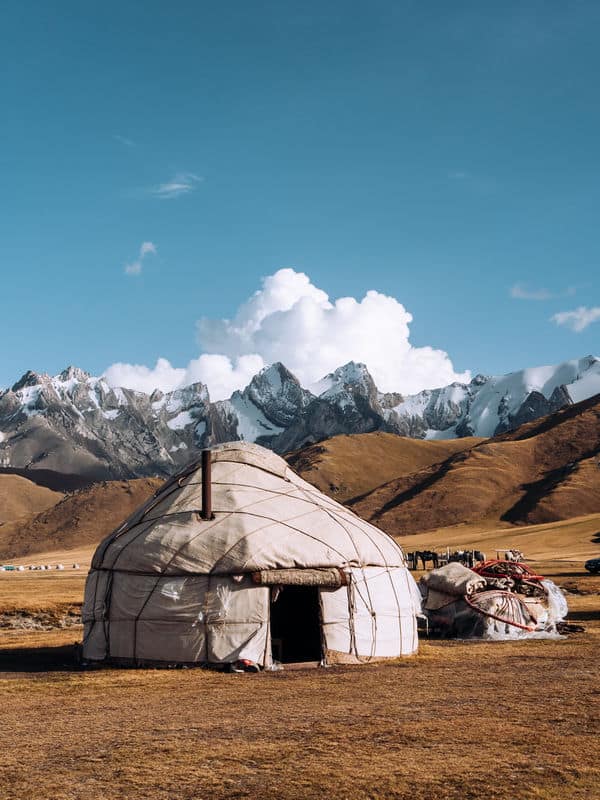
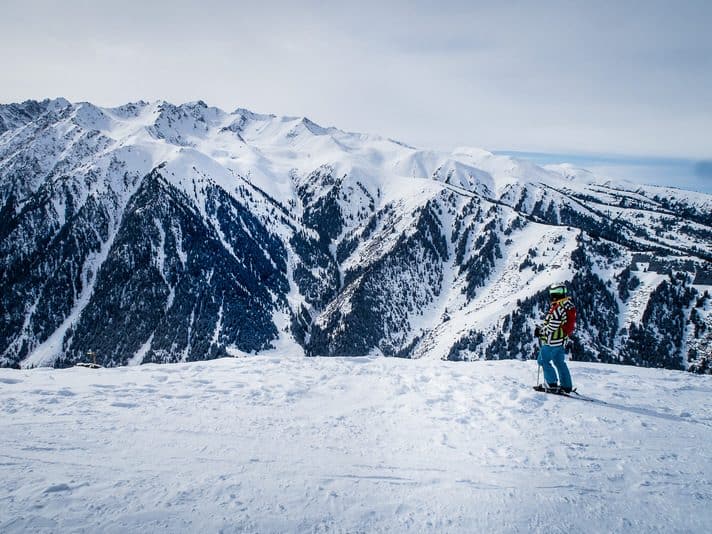
From late November to late March, Kyrgyzstan’s mountains transform into a striking winter landscape defined by snow, silence, and vast open space.
The Tian Shan mountain range, already one of Central Asia’s most impressive natural features, feels even more imposing under a thick layer of snow.
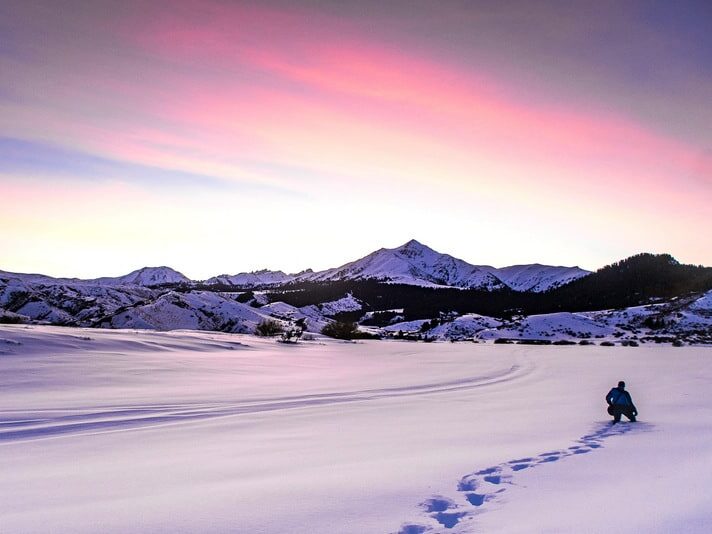
Peaks appear sharper against clear winter skies, valleys stretch wide and white, and the sense of scale becomes unmistakable. Winter reveals the raw geography of Kyrgyzstan in a way no other season does.
Well-known summer regions such as Issyk-Kul, Chon Kemin, and the mountains around Karakol take on a noticeably slower pace during winter.
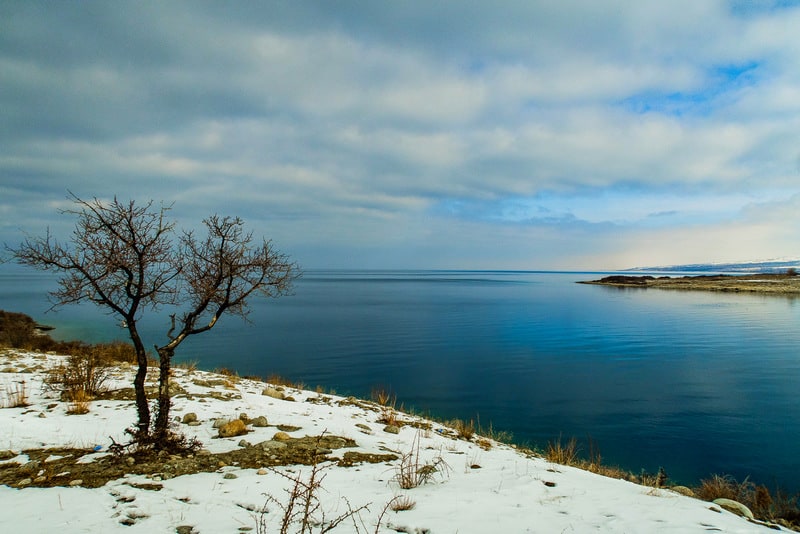
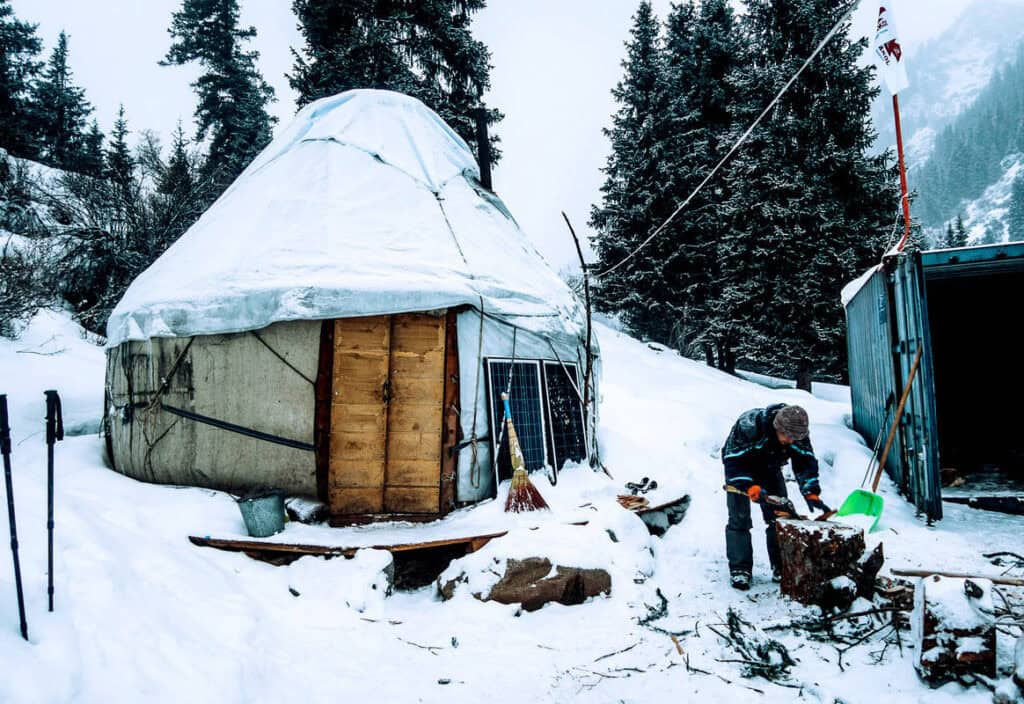
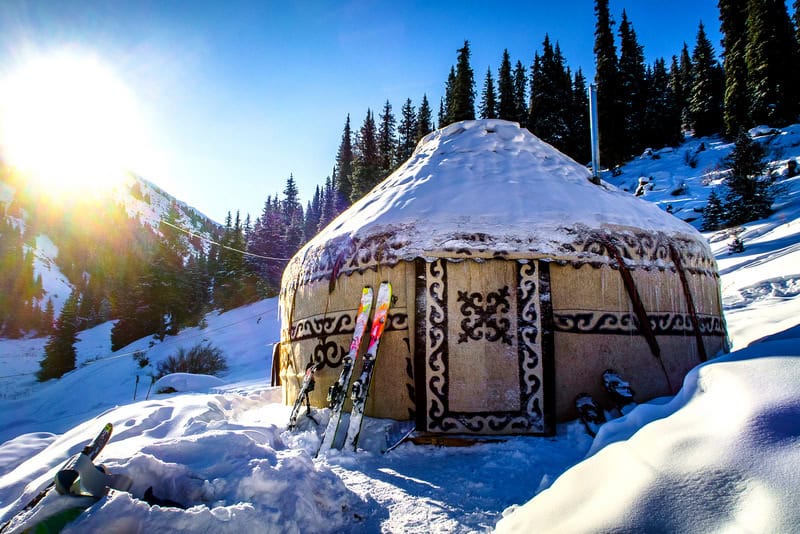
Visually, winter travel in Kyrgyzstan offers scenes rarely seen at other times of year. Frozen rivers, snow-covered yurts, and mountain villages partially buried under white drifts create a stark but beautiful contrast against the surrounding peaks.
Smoke rising from chimneys, the sound of boots on packed snow, and the crisp mountain air add texture to the experience.
For travelers interested in winter landscapes, photography, and authentic mountain environments, this season presents Kyrgyzstan at its most clear and uncompromised.


2. Affordable ski destination
Kyrgyzstan may not be widely known for skiing, but for travelers who value experience over luxury, that’s part of its appeal.
Ski resorts here are functional, affordable, and set in impressive mountain landscapes. Skiing in Kyrgyzstan is straightforward and unpretentious, with the focus firmly on snow conditions, scenery, and time spent outdoors rather than high-end infrastructure.
The main ski areas – Karakol, Chunkurchak, and Orlovka – operate roughly from December to early March, depending on snowfall and weather conditions.


Karakol is the most developed resort and suits a wide range of skill levels, from beginners to advanced skiers, with long forested runs that tend to hold powder well after fresh snow.
Chunkurchak, located about an hour from Bishkek, is ideal for day trips and casual skiing, offering mostly intermediate slopes with open mountain views.
Zil Ski Resort, just like Chunkurchak, is conveniently located very close to Bishkek (only 35 km from the capital). It’s a great ski resort for the whole family and you’ll find slopes suitable for beginners to intermediate skiers.
Snow reliability is generally good throughout the winter, particularly in higher-elevation areas like Karakol. Lift passes, equipment rental, and basic lessons are considerably cheaper than in European ski resorts, making winter sports accessible even for travelers on a modest budget.
Facilities are simple but practical: expect older chairlifts, basic cafés serving hot food and tea, and a relaxed, local atmosphere. Slopes are typically uncrowded, allowing for smooth runs and a comfortable pace.

Even if skiing or snowboarding isn’t your main focus, these mountain areas are well suited for snowshoeing, winter hiking, and spending time outdoors, with the option to warm up afterward in nearby guesthouses or cafés.


3. Hot Springs, saunas & cold-weather comfort
One of winter’s simplest and greatest pleasures in Kyrgyzstan is warming up after a long day outside in the mountains. After hours in crisp air and snow-covered landscapes, few things feel better than stepping into hot water while the cold settles quietly around you.
Many guesthouses feature traditional banyas (saunas), which play a central role in winter routines. Locals alternate between heat and cold air, a simple ritual that feels both grounding and energizing after a day outdoors.
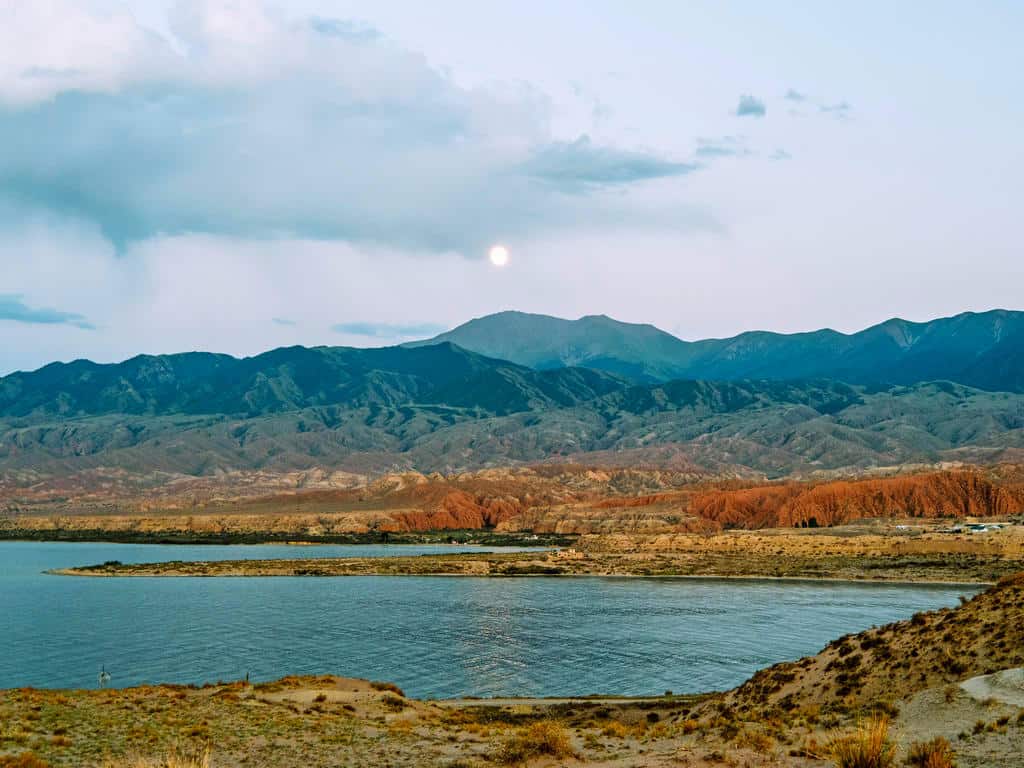
Although Kyrgyzstan is best known for its alpine lakes and glacial rivers, the country is also rich in natural hot springs. Areas around Issyk-Kul, and Altyn Arashan are dotted with thermal pools that have been used for generations.
During the Soviet era, many of these springs were popular for their healing and therapeutic properties, and they remain an important part of winter life today.

While they can be visited year-round, hot springs are especially enjoyable in winter, when steam rises into the cold air and snow blankets the surrounding mountains.
My favorite hot springs in Kyrgyzstan are located in the Altyn Arashan valley, northeast of Karakol. Surrounded by pine forests and snow-covered peaks, they are the perfect place to relax after snowshoeing or backcountry skiing. Reaching the valley in winter is part of the experience itself.

The winter route starts from Ak-Suu (Teploklyuchenka), a small village near Karakol that can be reached by public transport or car. From the southern edge of the village, a snow-covered road leads into the valley.
The trail follows the Arashan River, which continues to flow even in freezing temperatures, before gradually climbing through pine forest toward the hot springs. Snowshoeing or backcountry skiing to Altyn Arashan takes about 4, depending on conditions.
If you don’t have your own gear, snowshoes and backcountry skis can be rented in Karakol, including at local shops such as EcoTrek and Extreme Tours.
With proper preparation, this winter trek offers one of the most rewarding combinations of adventure and relaxation in Kyrgyzstan.
Safety notes:
- Winter weather can change quickly in the mountains
- Check local conditions before setting out
- Start early and allow extra time for the return
- Consider going with a guide if you have limited winter trekking experience
4. Enjoy a unique winter horse riding experience
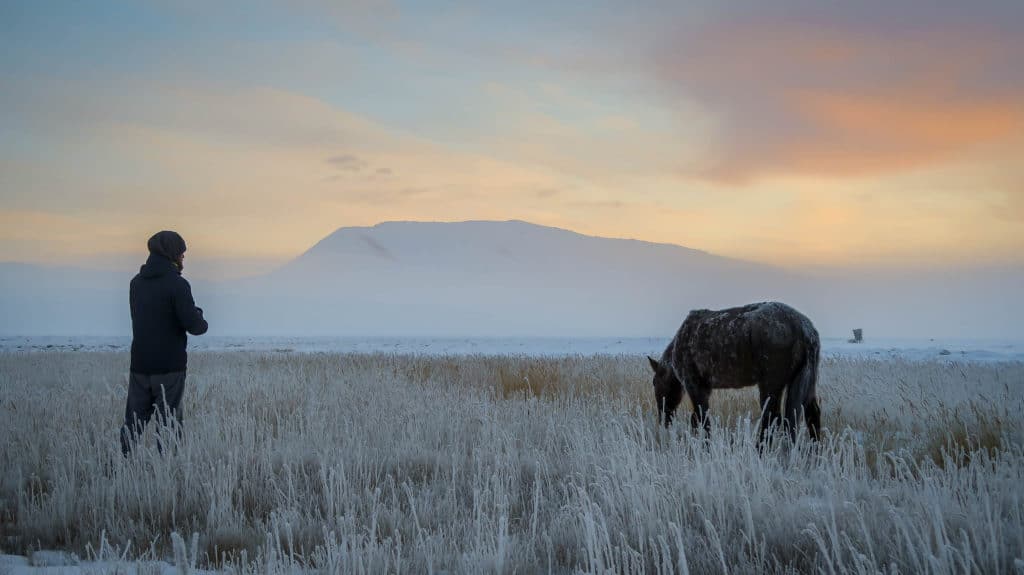
Horse riding remains a living part of daily life in Kyrgyzstan, even through the winter months. While most travelers associate horse trekking with summer pastures, riding through snow-covered valleys offers a quieter and more intimate experience.
Horses are well adapted to cold conditions, making winter riding both feasible and comfortable when organized properly.
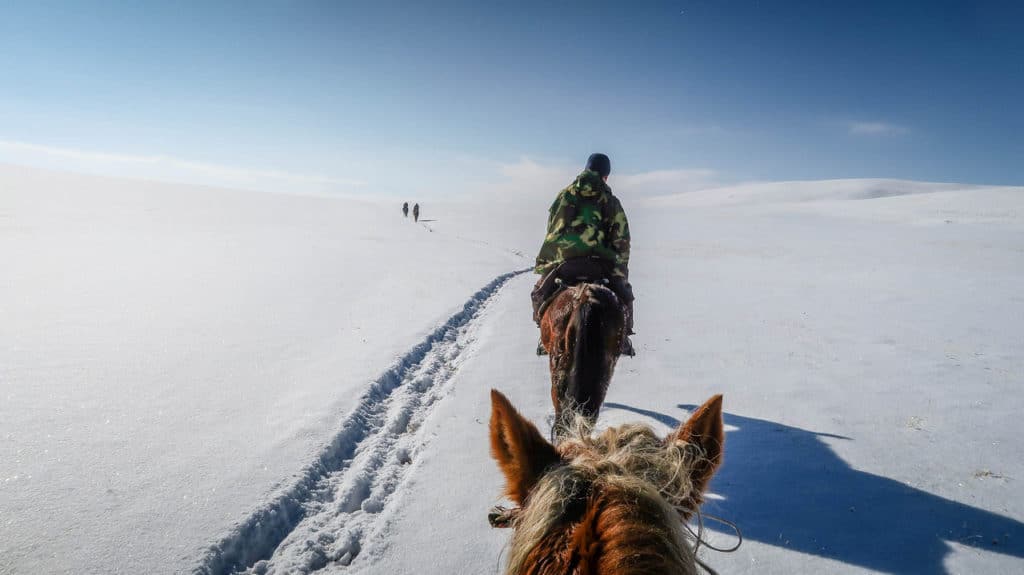
Most winter horse riding takes place in Chon Kemin Valley, the Issyk-Kul region, and the areas around Karakol. Rides typically last a few hours to a full day and follow established local routes.
Snow-covered valleys, frozen rivers, and forested foothills define the scenery, while the pace allows time to adjust to cold temperatures and changing conditions. These rides are suitable for beginners, as speeds are gentle and terrain is chosen carefully.
For more experienced riders, winter horse riding may also be possible toward higher-altitude areas such as Son Kul, depending on snow depth and weather. At over 3,000 meters, Son Kul is completely frozen in winter and access is highly dependent on conditions.
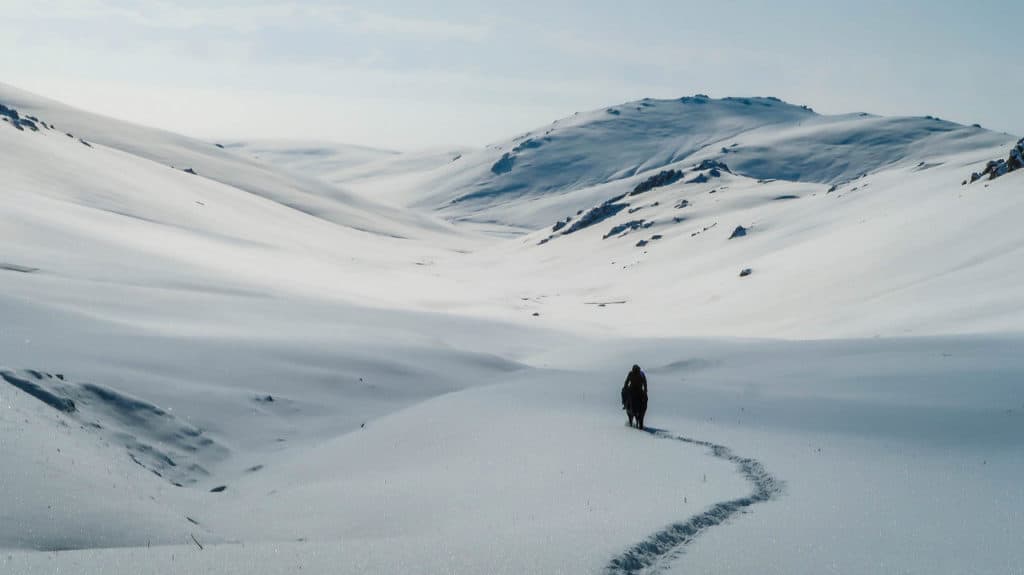

Routes are planned day by day, riding distances are shorter, and flexibility is essential. These rides are physically demanding and should only be attempted with experienced local guides and suitable horses.
From a practical standpoint, all winter horse riding in Kyrgyzstan should be arranged through local guides or guesthouses, who understand seasonal routes, animal care, and weather patterns.
Riders should wear insulated boots, layered winter clothing, and windproof outerwear. Helmets are not always standard, so bringing your own is recommended if you prefer extra protection.
Safety notes for winter horse riding in Kyrgyzstan:
- Always ride with an experienced local guide in winter
- Stick to routes suited to your riding level and the season
- High-altitude winter rides (including Son Kul) are for experienced riders only
- Dress properly for cold and wind exposure
- Be prepared to adjust plans if weather or snow conditions change
5. Eagle hunting and winter traditions in Kyrgyzstan
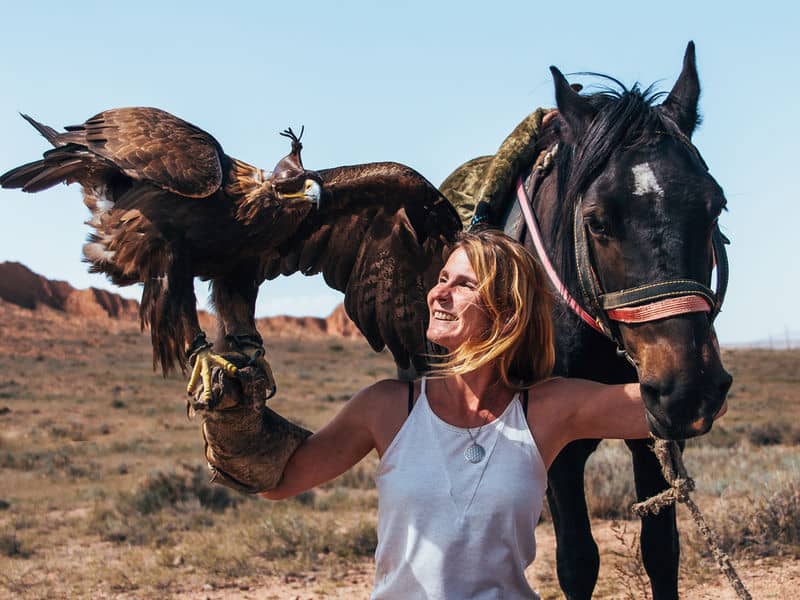
Winter is the season when eagle hunting becomes most visible in Kyrgyzstan. With the landscape frozen and daily life moving at a slower pace, hunters spend more time training their birds and moving through open valleys and foothills.
While eagle hunting is a traditional practice with deep cultural roots, it is no longer something visitors typically witness spontaneously during everyday travel. Instead, demonstrations are arranged specifically for travelers and take place in controlled, respectful settings.
These winter demonstrations are usually led by experienced berkutchi (eagle hunters) who explain the training process, equipment, and the relationship between hunter and bird.
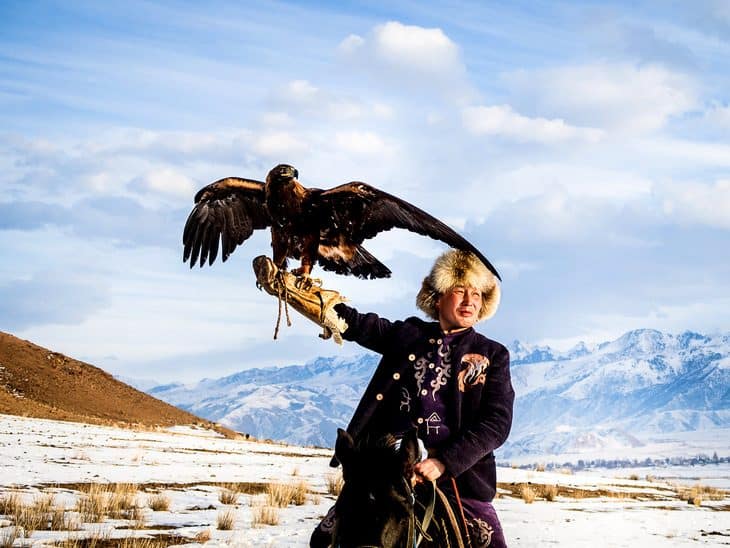
You’ll see how a golden eagle responds to commands, flies short distances, and returns to its handler, offering insight into a tradition that requires years of patience and care. In winter, the open terrain and snow-covered ground make these demonstrations easier to organize and visually striking.


From a practical point of view, eagle hunting demonstrations are most commonly arranged in Bokonbaevo, often through guesthouses, local guides, or tour operators. They usually last between 30 minutes and one hour and can be combined with other winter activities.
While the demonstrations are staged for visitors, reputable organizers focus on animal welfare and cultural context rather than spectacle.
If witnessing eagle hunting is important to your trip, it’s best to arrange this in advance through trusted local contacts or as part of a guided winter itinerary. This ensures the experience is respectful, informative, and well integrated into local life, rather than feeling rushed or performative.
Alongside eagle hunting demonstrations, winter is also a time when many other traditions become more visible, simply because daily life slows down and shifts indoors.
Villages focus on felt-making, repairing equipment, preparing preserved foods, and spending time with extended family. Local markets continue throughout the winter months, selling dried dairy products, fermented foods, and seasonal goods, while small community gatherings and celebrations carry on at a quieter pace.
6. A photographer’s dream season
Winter light in Kyrgyzstan creates ideal conditions for landscape and travel photography. Shorter days and a lower sun angle produce soft, even light throughout much of the day, while snow reflects light naturally and reduces harsh shadows.
Clear winter skies are common, especially in mountain regions, giving photographers strong visibility and clean contrast across valleys and ridgelines.
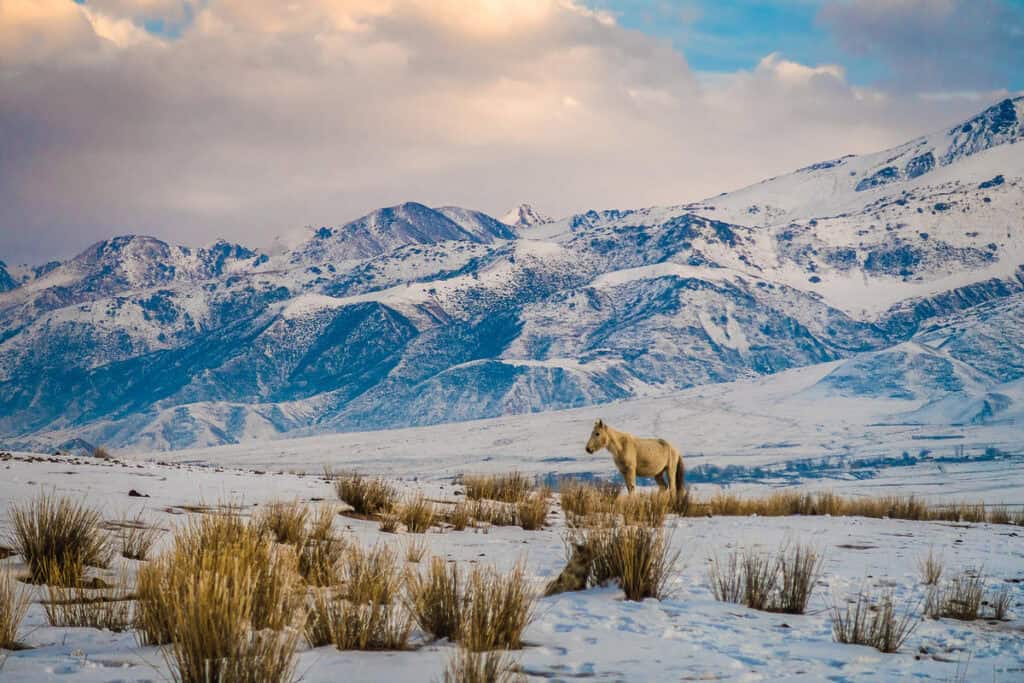
Winter also reveals visual elements that are difficult or impossible to photograph in other seasons. Frozen waterfalls and villages framed by smoke rising from chimneys define the winter landscape. Without summer vegetation, compositions become simpler and more graphic, focusing on shape, texture, and light.


For photographers visiting Kyrgyzstan in winter, the season encourages a slower, more intentional approach. Access can be more limited, but this often results in quieter locations and fewer visual distractions.
Whether photographing mountain landscapes, rural life, or winter activities, winter offers conditions that emphasize clarity and atmosphere, making it one of the most rewarding seasons for photography in Kyrgyzstan.
Practical tips for visiting Kyrgyzstan in winter
Best time to visit Kyrgyzstan in winter
Winter in Kyrgyzstan generally runs from December to early March, with conditions varying depending on altitude and region.
December to February is considered deep winter. Snow is reliable in the mountains, making this the best period for skiing, snowshoeing, winter horse riding, and snowy landscapes.
Temperatures are cold, especially at night and in higher regions, but days are often clear and bright. This is also when winter scenery is at its most dramatic, with frozen rivers, snow-covered valleys, and crisp mountain air.
March marks a gradual transition toward spring. Snow remains in the mountains, particularly at higher elevations, but temperatures become slightly milder and daylight hours increase.
This can make travel more comfortable while still offering winter conditions. Some mountain passes begin to reopen, though snow and ice can still affect access. March is a good option for travelers who want a balance between winter scenery and easier logistics.
Winter temperatures in Kyrgyzstan
Cities & lower valleys (Bishkek, Osh, Chon Kemin)
- Daytime: -5°C to +5°C
- Nighttime: -10°C to -15°C
- Cold spells can occasionally push temperatures lower, especially at night.
- Days are often dry and sunny, particularly in the north.
Issyk-Kul region
- Daytime: -3°C to +4°C
- Nighttime: -8°C to -15°C
- Issyk-Kul Lake has a moderating effect, meaning winters here are slightly milder than in other regions at similar altitude.
- Snow is common in surrounding valleys, while the lake itself usually does not freeze completely.
Mountain regions & Karakol Area
- Daytime: -10°C to -2°C
- Nighttime: -15°C to -25°C
- These areas experience deeper winter conditions, especially after snowfall.
- Ideal for skiing, snowshoeing, and winter trekking.
High-altitude areas (Son Kul, Alay Mountains)
- Daytime: -15°C to -5°C
- Nighttime: -20°C to -30°C (or colder during cold snaps)
- At elevations above 3,000 meters, winter is long and severe.
- Strong winds can significantly increase the wind chill, making it feel much colder.
Getting around Kyrgyzstan in winter
Traveling around Kyrgyzstan in winter requires flexibility and realistic planning.
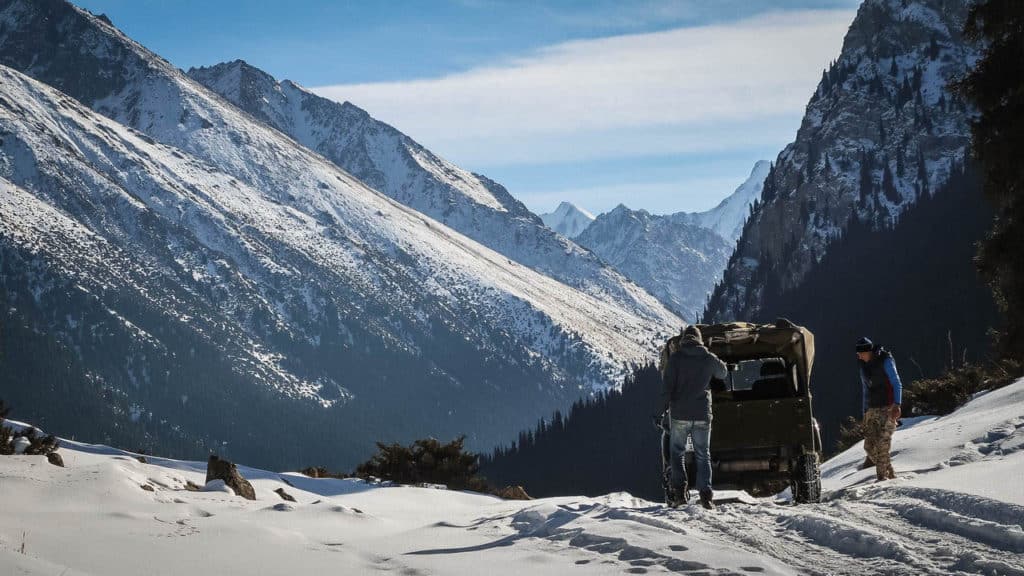
Some mountain passes close completely due to snow, while others may open or close depending on weather conditions. Even main roads can become icy or difficult to navigate, especially after snowfall or during temperature fluctuations.
Public transport continues to operate between major cities and towns, but schedules can be irregular in winter and delays are common.
For travel beyond urban areas, especially into mountain regions, hiring a local driver or joining a guided tour is strongly recommended.
Local drivers are familiar with winter road conditions and know when routes are safe to use or when it’s better to wait. This not only makes travel safer, but also far less stressful.
What to pack for winter travel in Kyrgyzstan
Packing properly makes a significant difference to how comfortable winter travel in Kyrgyzstan feels. Layering is essential, as temperatures can vary widely between day and night, and between valleys and higher elevations:
- Key items include warm, insulated clothing, waterproof winter boots with good grip, and thermal underwear.
- A hat, gloves, and a scarf are essential for cold and wind exposure, especially in open landscapes.
- Sunglasses are often overlooked but important. Snow glare can be intense on bright winter days, particularly at altitude.
- If you plan to spend time outdoors, windproof outer layers and warm socks are also highly recommended.

Is Kyrgyzstan safe to visit in winter?
Yes, Kyrgyzstan is safe to visit in winter, as long as you are prepared and travel responsibly. Winter conditions can change quickly, particularly in the mountains, and weather forecasts are not always precise. This means flexibility is key, and plans may need to adapt to snow, road closures, or cold temperatures.
Having local knowledge, whether through a driver, guide, or well-connected guesthouse, greatly improves safety and comfort. Winter travel here rewards patience and awareness rather than strict schedules. With the right preparation, it can be one of the most memorable times to experience the country.

Would you consider Kyrgyzstan in winter? I’d love to hear what draws you to winter travel (or what still holds you back). Let me know in the comments below!
Disclaimer:
*This publication is made possible by the Sustainable Winter Tourism Development Project financed by the Government of Switzerland through the State Secretariat for Economic Affairs (SECO) and implemented by Helvetas Kyrgyzstan as well as by the support of the American People through the United States Agency for International Development (USAID) Competitiveness, Trade, and Jobs Activity in Central Asia. The contents of this publication are the sole responsibility of Journal of Nomads and do not necessarily reflect the views of the Government of Switzerland and Helvetas Swiss Intercooperation or USAID and the United States Government.
More about Kyrgyzstan

Kyrgyzstan Itinerary: The Ultimate 7, 10, 14 & 21-Day Travel Guide
Why Visit Kyrgyzstan: 12 Reasons why I fell in love with this special country in Central Asia
The best things to do around Issyk Kul Lake in Kyrgyzstan: Highlights, Hiking & one-week itinerary

The Complete guide to the World Nomad Games 2026 in Kyrgyzstan

Naryn Travel Guide: 12 Best Hikes & top things to do in Naryn Kyrgyzstan
Kyrgyzstan Money Guide: Costs of Living and traveling in Kyrgyzstan in 2026
The best way to get from Tashkent to Osh and from Osh to Tashkent, crossing the Dostyk border (Kyrgyzstan – Uzbekistan)

Best Tips and complete Packing List for Traveling in Central Asia in 2026 – When to go and what to wear when visiting Central Asia

Hi, very nice guide! We are planning on skiing some at the resorts and mostly backcountry out there in March and we were wondering what the driving conditions look like. Will we be able to get to the ski areas like Jyrgalan and Karakol?
Hi G, the ski areas are accessible but if you’re planning to rent a car and self-drive, you should definitely get a 4×4 and be comfortable to drive in winter and snow conditions. Hope this helped!
Thank you very much it is very helpful guide for kyrgyzstan
Hi Nausheen, you’re very welcome!
Hi Niko, I am also a vagabond just like you. It seems like Kyrgyzstan in winter is awesome and lively. The frozen waterfalls and the landscapes are too good to miss. I have added it in my bucket list, will surely pay a visit some day.
Great post! Love reading about places off the beaten path. 🙂 Thank you for sharing! Can’t wait to read more.