
The horse is a national symbol of Kyrgyzstan and the animal is intrinsic to the country’s heritage. For thousands of years, the horse has bolstered life for Kyrgyz people and continues to do so.
A known saying of the country is “every Kyrgyz man’s wings are his horse” and it’s said that Central Asians hunter-gatherers were the first to ride horses.

These calm creatures have played a pivotal role in Kyrgyz agriculture, economy, defense and traditions. Even fermented horse milk is cherished – Westerners, make sure your stomach is as strong as steel before you dazzle your tastebuds…
Kyrgyz people are expert horsemen and their national games champion their equestrian skills, such as Dead Goat Polo.

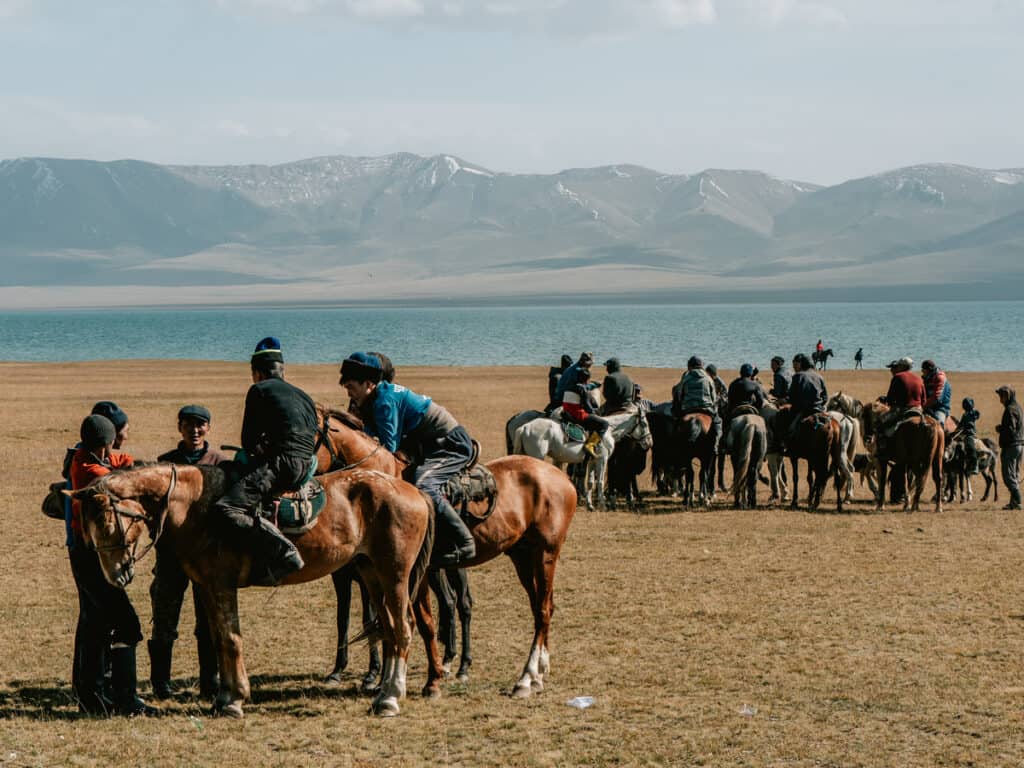
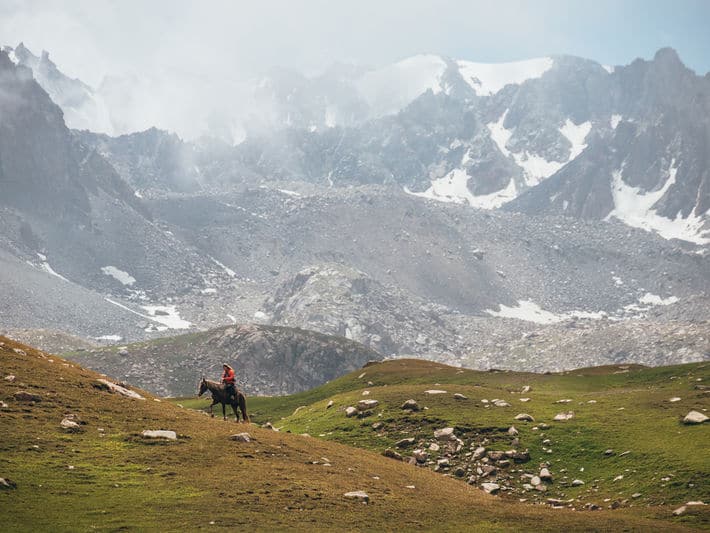
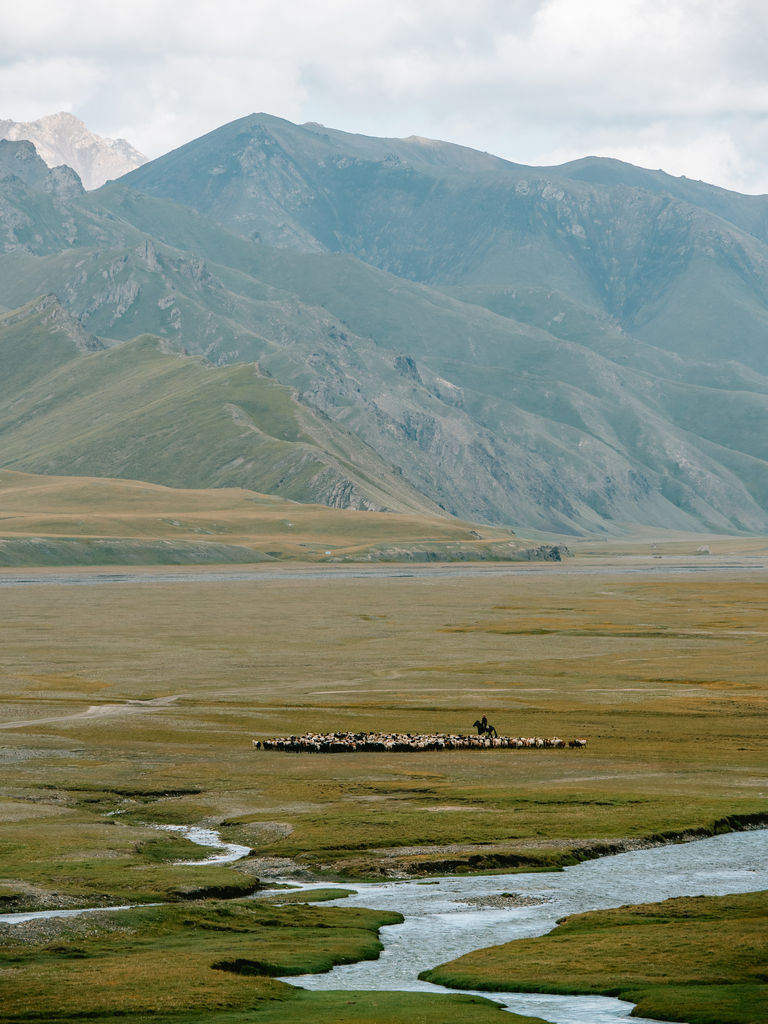
Kyrgyzstan has a myriad of peaks, streams and prairie plains. Each region has its own throng of striking landscapes for you to delve into. Whenever I close my eyes and think of Kyrgyzstan, I’m transported to the image of a shepherd galloping across the plains with such care-free and vivacious spirit.
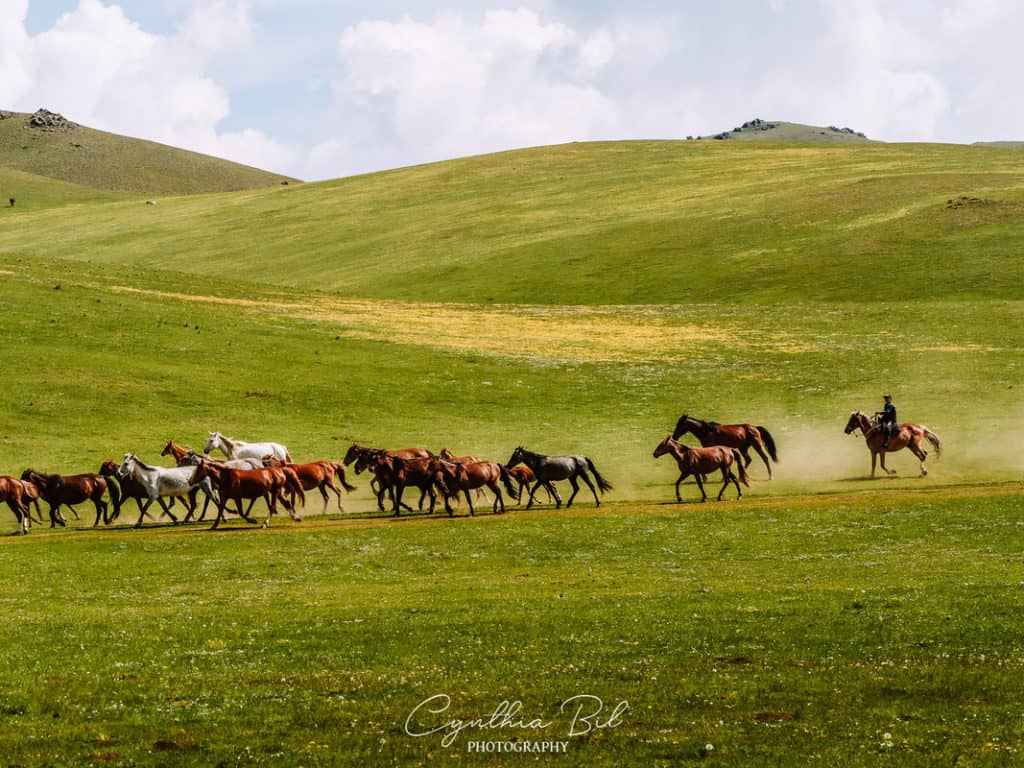
The stallions are the country’s most trusted transport in the mountains: you can go off-road, across small rivers and cover great distances while having a four-legged companion to guide you. I’ve found it the most grounding way to experience this magnificent country.
I could keep chewing your ears off about why to try horse riding in Kyrgyzstan, but instead here’s everything you need to know about getting in the saddle, horse riding tours and my top 9 destinations for horseback riding in Kyrgyzstan.
Disclaimer: This posts might contain affiliate links, meaning that if you make a purchase through these links, I may earn an affiliate commission. Thank you for helping to support this website!
Plan your trip to kyrgyzstan!
✈️ Find the cheapest flights → Check fares to Bishkek or Osh
🏨 Find hotels & yurt stays → Browse the best accommodation deals
📱 Stay connected → Get a Kyrgyzstan eSIM
🛡️ Travel insurance → Don’t travel Central Asia without coverage
🎒 What should you pack? → Read my Kyrgyzstan packing list
🥾 Want to go hiking? → Discover the most beautiful hiking trails in Kyrgyzstan
🐎 Want to go horse riding? → Check out my favorite horse trekking experiences
🗺️ Need help planning your route? → Learn about my itinerary planning services
⛰️ Prefer traveling with a group? → Join one of my Kyrgyzstan adventure tours
When is the best time to go horse riding in Kyrgyzstan?
Shepherds and their horses move out to the mountains from June to September. This also means yurt camps operate in a similar timeframe, so logistically this would be the most suitable window for your trip.
From a weather perspective, from June until September, you’ll have a far greater chance of clear skies and warmer rays (but remember you’re at the mercy of the mountains and no doubt it will lash it down now I’ve said this… don’t hold it against me).

It can be quite wet in May and in spring it’s still chilly in the mountains. If you are inexperienced, wait until the weather is better.
From late September onwards it becomes icy and snowy in the higher altitudes so think about this when booking with a tour group.
Things to know before horse riding in Kyrgyzstan
Is horse riding in Kyrgyzstan safe?
Yes, horse riding in Kyrgyzstan is perfectly safe if you listen to your guide and act responsibly. The Kyrgyz horses are a relatively small breed and are born at high altitudes so can handle the heights.
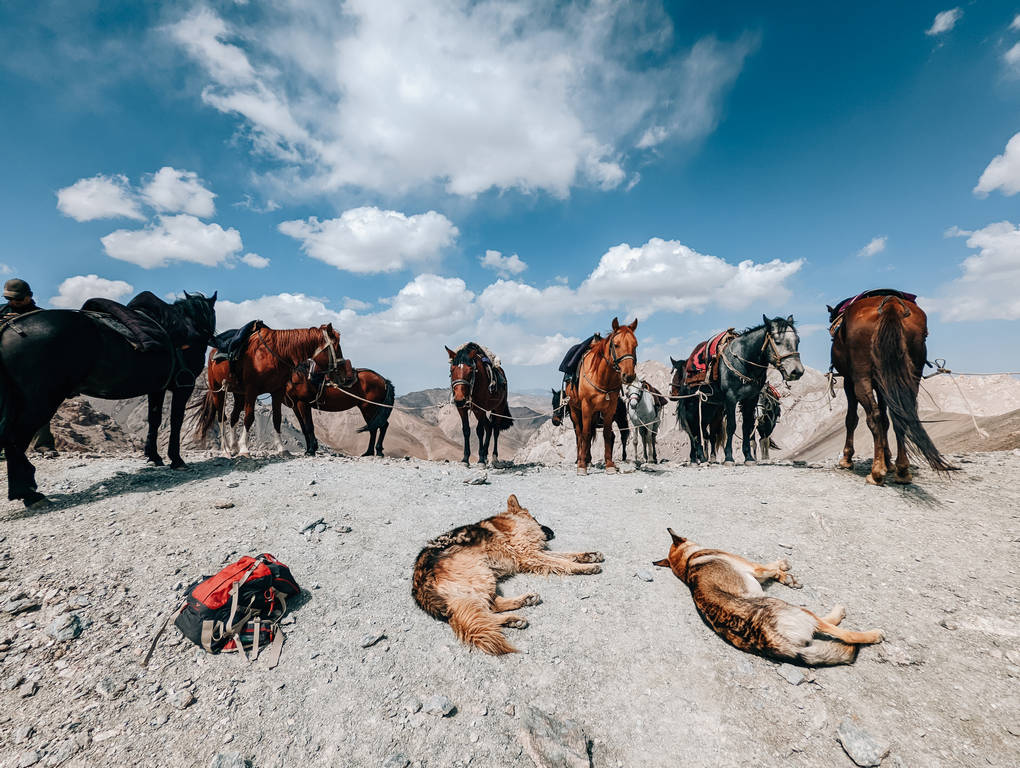
Here are some general safety tips for swotting up on before you’re in the hills:
- If you find yourself a little nervous on the day you are due to ride, tell your guide. Your guide can either keep you close or find you a horse with a placid personality.
- Mounting/dismounting: Do not stand or walk near the horse’s rear. Horses kick and it’s flipping dangerous. They also let off “steam” on that end, so for your nose’s sake, keep away…
- When riding, stay on the path and follow the guide at all times. Don’t gallop without permission of the guide.
- The horses like to “snack” along the way on the plants and grasses you come across. Don’t let them feed as they’ll soon realize they’re the boss instead of you… Also, don’t let the horse drink unless your guide says it’s okay.
- If you can see or are passing other stallions in pastures and your horse pulls towards them, be quick, pull on the reins and steer your horse to stay on the path. Wild stallions are often aggressive and your horse may want to show you off! Be vigilant and know how to control your horse.
- If riding in a group, don’t let the horses kiss or start nibbling each other. Yeah yeah, looks cute right? Well, it’s actually a way of showing dominance and the horses can start kicking off with each other. Keep at least six to seven meters away from each horse and if yours starts getting flirty, keep on a tight rein and be in control.
- If you see any problems with your horse, however small, raise it with your guide.

Do you need horse riding experience before going on a horse trek in Kyrgyzstan?
You don’t need horse riding experience, but beginners should start with an easy day trek to get accustomed to the Kyrgyz saddle and the instructions. Kyrgyz horses are very calm and a relatively small breed. If a horse is nervous (or maybe you are!) the guide will not let you ride off unless they trust you.
Here are my basic top tips for riding:
- Never let go of the reins. You need to be in control the entire time.
- Don’t pull too hard to stop, otherwise the horse will rear.
- Rest the ball of your foot on the stirrups. If your foot is too deep in the stirrup, it can get stuck and/or slide through the stirrups. If it is not deep enough, you may easily lose your stirrups while riding.
- Say “chu” to go and repeat it to go faster.
- Say “trrrrrr” or “dak dak” to stop.
- When going uphill – which you’ll do often when horse riding in the mountains of Kyrgyzstan -, hold in one hand the reins and use your other hand to hold on to the front of your saddle and lean a bit forward. When going downhill, hold on with one hand to the back of your saddle and lean a bit backward.
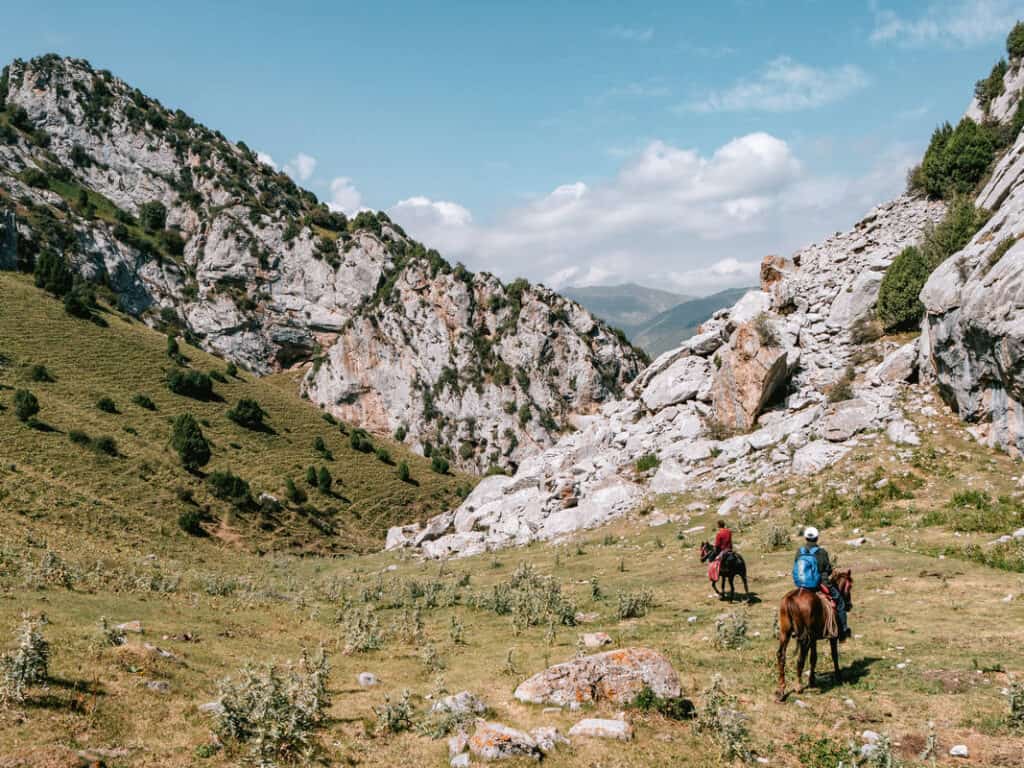
Are the horses in Kyrgyzstan well-treated?
Horses are such an integral part of Kyrgyz life, so the majority are well-cared for. However, with tourism and the shiny prospect of money, some horses are sadly exploited. It’s important to check your horse is healthy before you agree to the trip, especially if you’re organizing with nomadic people directly.
I learned my lesson years ago when I arranged a trip from the Altyn Arashan Valley to Ala Kul Lake. I didn’t know that many horsemen use and abuse horses to take tourists to Ala Kul Lake. I got there, and the horses were tired, skinny, and neglected. It was so heartbreaking to see them like that and also incredibly dangerous for the rider because the horse tripped and nearly had a treacherous fall.
So please, do thorough research before you book and ensure you check your horse for injuries.
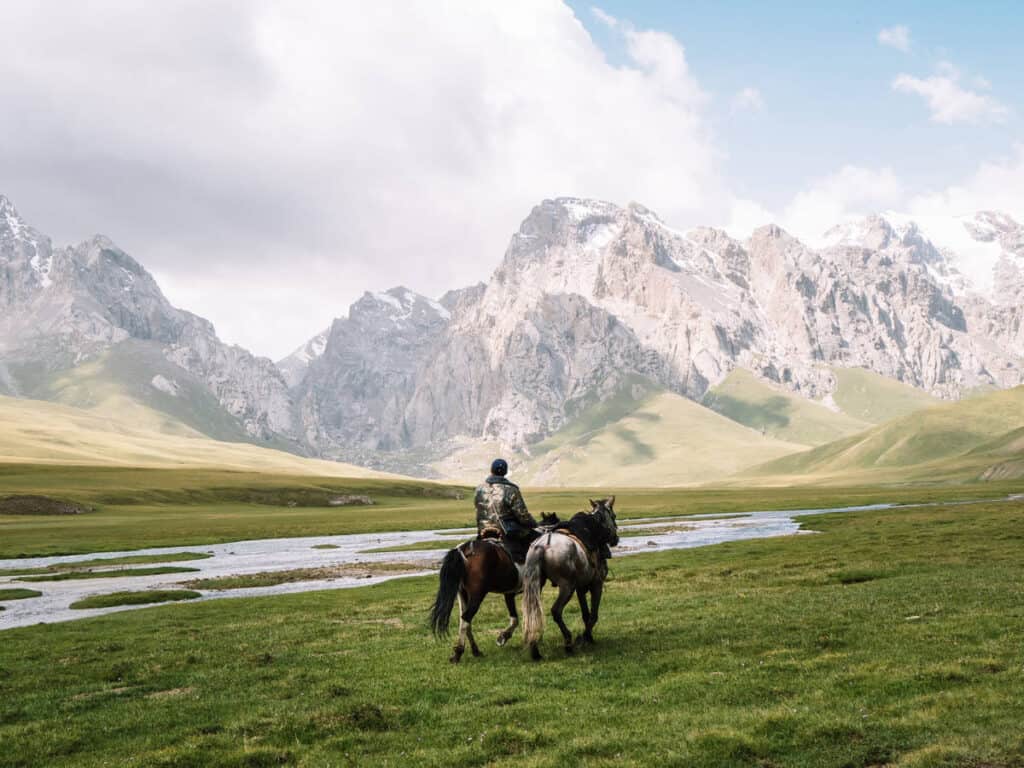
Never go horse riding alone
Don’t be that plonker. Here’s your friendly reminder that it is dangerous in the Kyrgyz mountains. You’re at the mercy of the weather, it’s super remote with a sparse phone signal and there are few places to stock up on supplies. Throw a large mammal in the mix and that’s a lot of stress.
The guides won’t let you rent a horse solo so unless you absolutely know what you are doing and you are thinking of buying a horse, do not go alone.

Only male horses are used for riding
Only stallions are used for riding in Kyrgyzstan, while the mares are used for breeding and milk (kymys). While riding through the pastures, you’ll see the mares and foals cantering in groups.
One thing to watch out for is your stallion may want his ego stroked and he may start showing off in front of them – so be vigilant and be in control. Same goes for passing wild stallions which I covered above in my general safety tips.
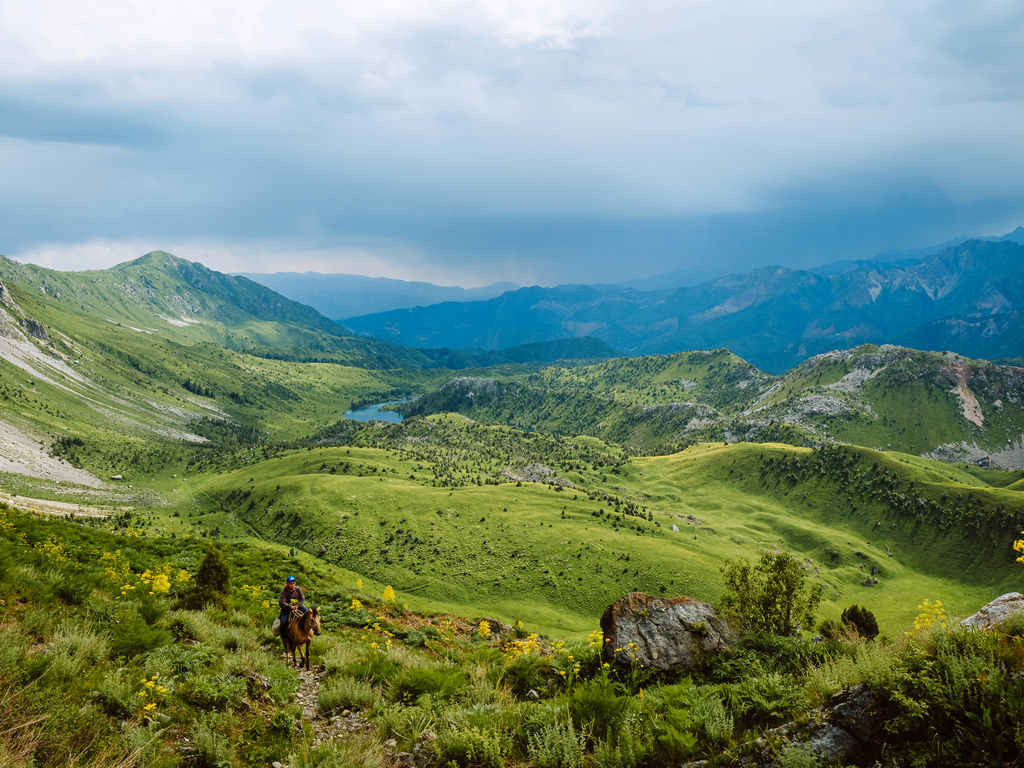
How to organize a horse riding trip in Kyrgyzstan
Join a tour or go with a local agency
Joining a tour or using the services of a local agency is the safest and least stressful way to do it. Everything is taken care of including accommodation.
Contact me and I’ll help connect you with the best local tour guides and companies. I also help with tailoring private trips.
Directly with nomads at a yurt camp
This is probably a better option if you’re backpacking around Kyrgyzstan, you’ve stopped at a yurt camp and you want to plan a day trip or a multi-day trip. Bear in mind, there will be a language barrier when you talk to the nomads unless you speak good Russian.
It’s important to be able to communicate clearly so you can understand the guide’s safety advice, flag up any problems and talk through requests/concerns etc. There’s a disadvantage of that you never know if/when a horse will be available.
The price for organising a horse trip at a yurt camp starts at $25 for a horse per person per day and $30 for the horseman (they won’t let you go horse riding without a horseman to accompany you).

Buy a horse at the animal market
For the horse’s sake – and your own – only do this if you absolutely know what you are doing. You can buy horses from around USD $1,000 at the animal market in Karakol.
Costs of horse riding in Kyrgyzstan
How much does it cost to go horse riding in Kyrgyzstan?
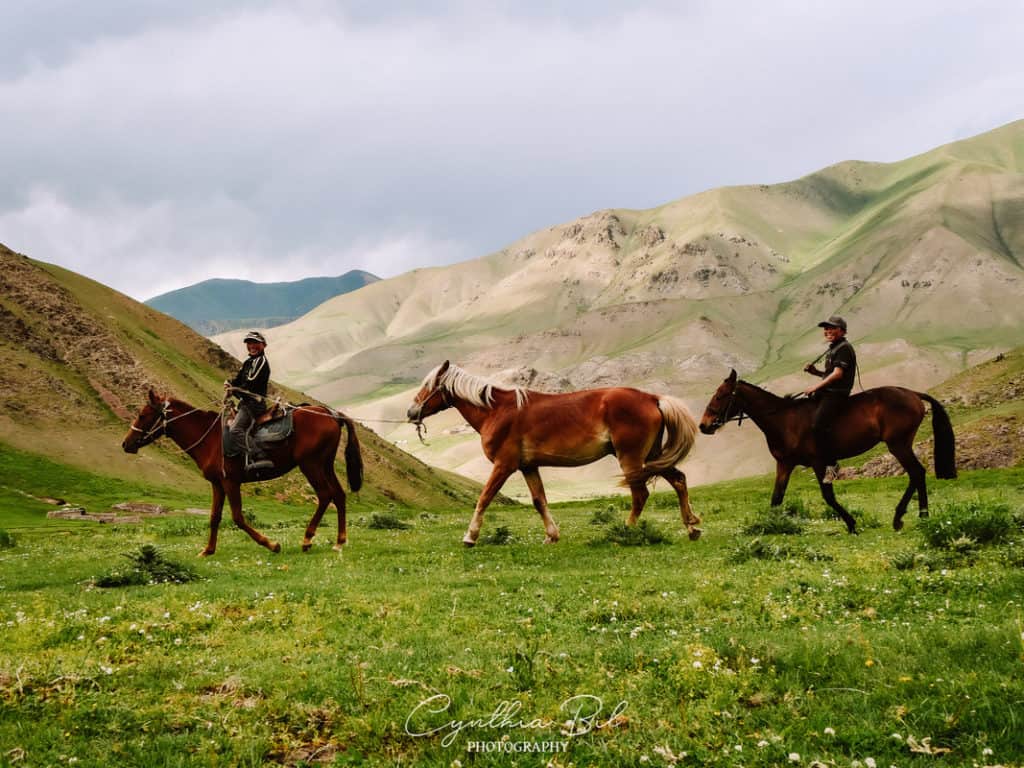
A general rate starts around 2500 KGS SOM per horse per day. You will not be able to ride without a horseman accompanying you (not on the same horse!) which costs around 3000 KGS SOM. This fee can be shared if there’s more than one of you.
If it’s a multi-day trek, then tour guides can also factor in yurt camp accommodation along the way.
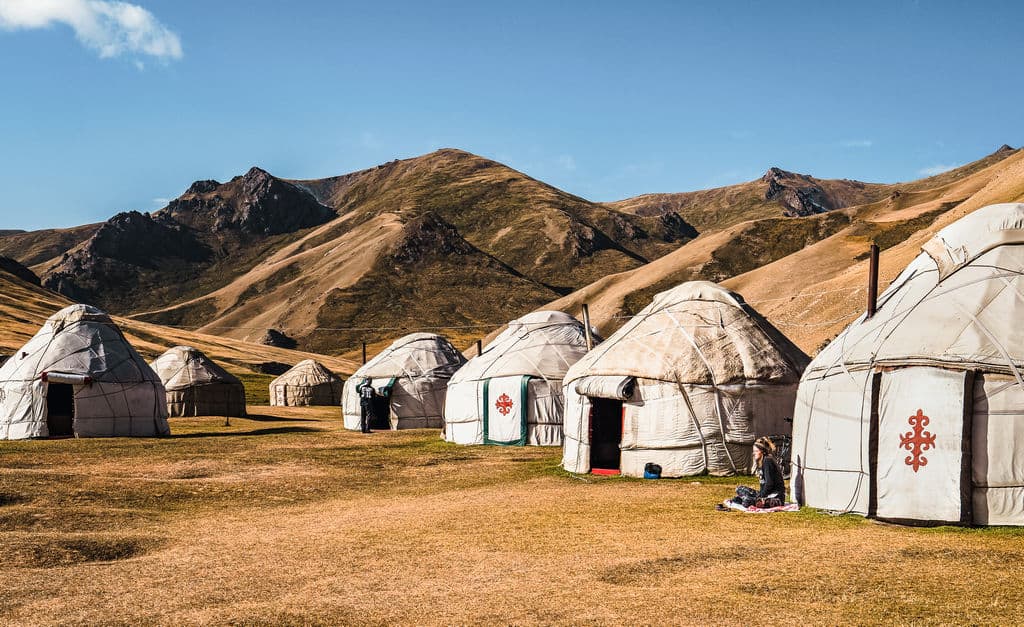
Yurt camps provide shelter, warmth, and mugs of steaming chai tea. Most of them have coal stoves, which keep the domed homes toasty during the chilly evenings.
Even in summer, the temperatures can drop to minus figures, so the yurt camps are a welcome sight to wandering travelers. It costs around 2,500 KGS SOM per person in a shared yurt with breakfast and dinner included.
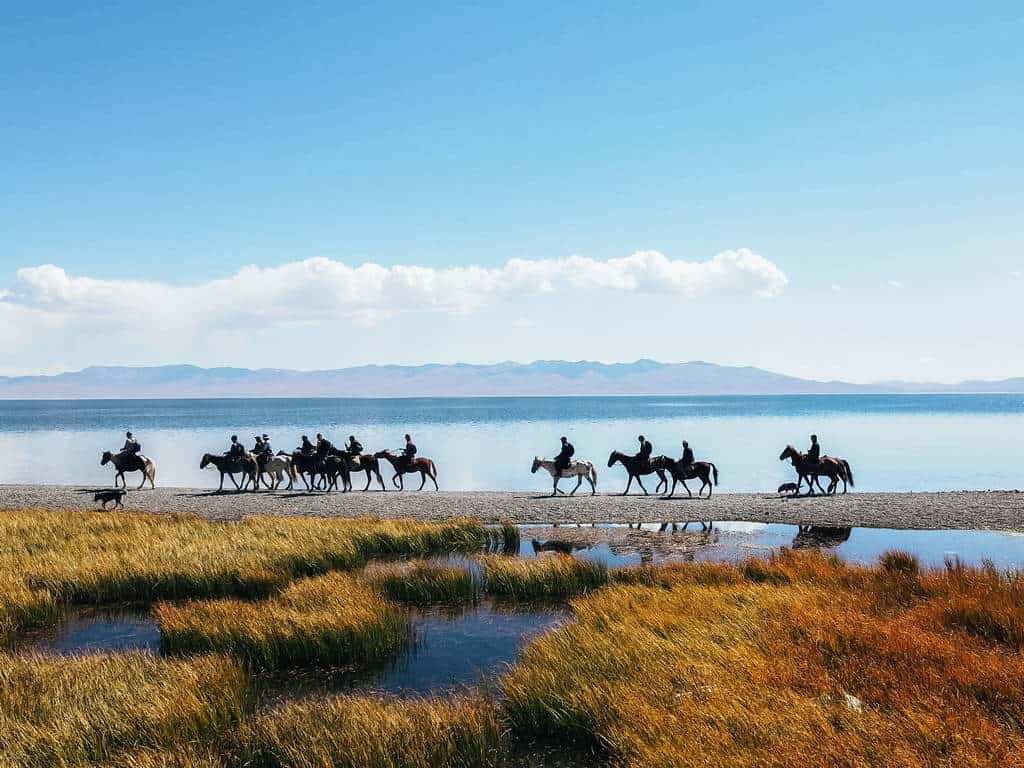
Ride across the high alpine pastures of Kyrgyzstan and experience the magic of Song Kul Lake on horseback, together with local guides and fellow adventurers.
What to pack for a horseback riding trip in Kyrgyzstan
- Travel Insurance – Absolutely crucial! I’ve written up a handy guide for budget-friendly backpacking and adventure travel insurance here.
Need Travel Insurance for Central Asia? I use and highly recommend HeyMondo Travel Insurance. As a reader of Journal of Nomads, you get a 5% discount off your insurance plan!

- High hiking boots: to protect your ankles in the stirrups
- Long pants
- Small backpack: to keep everything you need for the day in. A small bag won’t weigh you down on the horse and won’t interfere with your balance.
- Cycling pants: really recommend these to add comfort to your bum
- Helmet: this is optional if you choose to bring one, people in Kyrgyzstan don’t use them.
- Rain gear: bring a waterproof jacket and trousers. Do not bring a rain poncho as it scares the horses!
- Sunscreen: super important as the altitude makes those sun rays veeerrrrry strong.
- Snacks – obviously.
- Water bottle: keep topping up with bottled water or I highly recommend bringing a reusable bottle with a microfiltration device. It allows you to safely drink tap water and fresh mountain water from rivers and streams without becoming sick. When you drink water using a bottle like this, any dirt, bacteria or parasites will be trapped in the fibers of the filter, while the clean water passes through. I use and highly recommend the Lifestraw Water Filter Bottle. Another way to filter water is by using a steripen.
Where to go horse riding in Kyrgyzstan: 9 best horseback riding trips
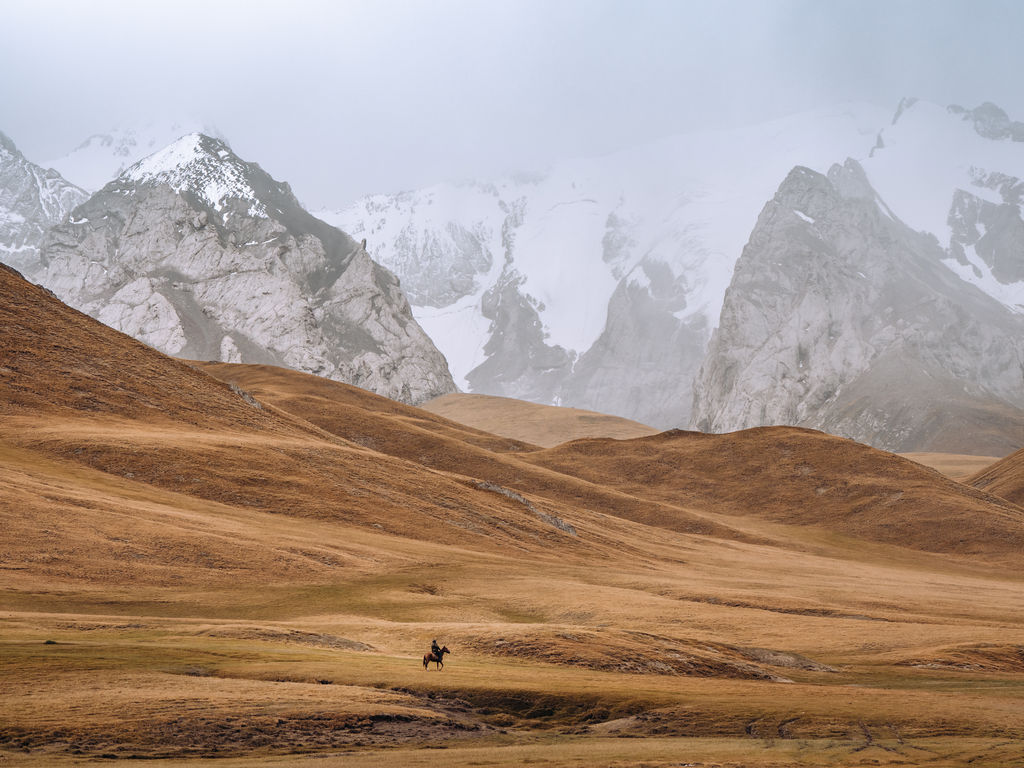
Kyrgyzstan is rich in destinations and has endless possible adventures for horse riding. You can pretty much ride anywhere, which almost makes it more difficult to choose a trip!
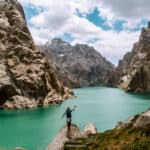
Luckily for you, I’ve whittled down my favorite treks with all the important stuff you need to know with booking.
These trips include single and multi-day treks (maximum of five days) but longer adventures are possible in some regions. Please contact me if you’re craving any of these horse riding adventures below or even 7-day, 10-day or 15-day treks as I can bring you in touch with experienced English-speaking local guides.
1. Song Kul Lake
Song Kul Lake is one of my absolute favorite spots. Its shores emanate peace, and its sunsets gleam bronze, pink and purple.
Forged in between the Tien Shan mountains and charming pastures, the lake is very remote so at night, stars ignite the skies.
During summer, its meadows burst into life and you can see shepherds cantering across the hills. The destination is really popular with horse riders because it gives you a true taste of Kyrgyzstan through many easy routes.

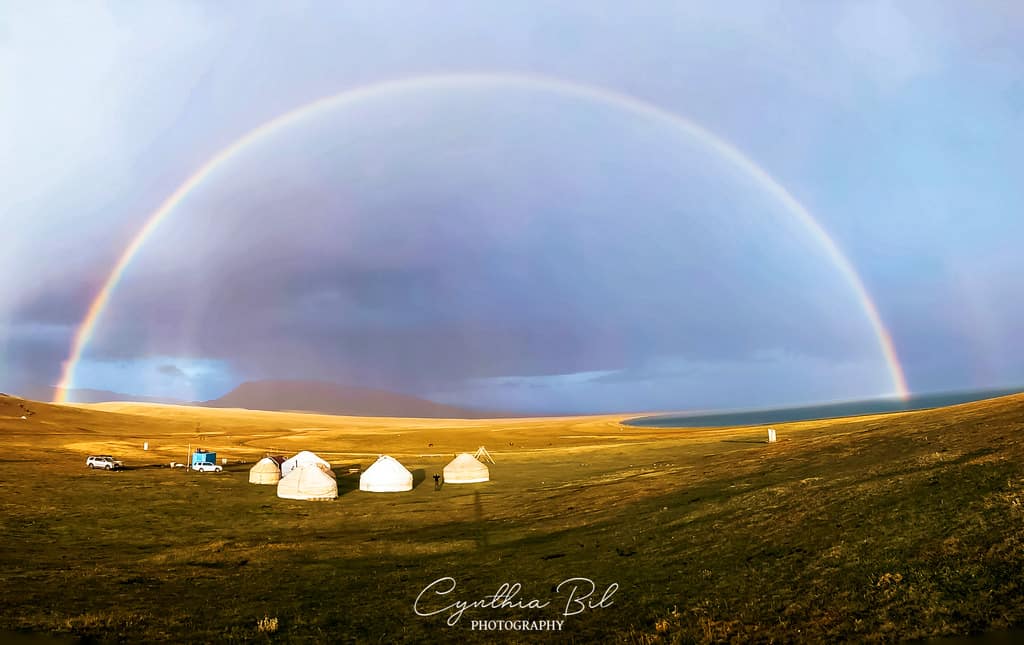
DAY TRIP on horseback at Song Kul Lake:
A five-hour horse ride from Song Kul Lake shores onto the nearby mountain pass and back along the shores of the lake.
If you’re new to horse riding, this is a calm and incredibly spectacular way to get friendly with the horses while taking in the scenery.
I offer this day trip during my 9-day Kyrgyzstan Overlanding Tour and 14-day Highlights of Kyrgyzstan Tour.

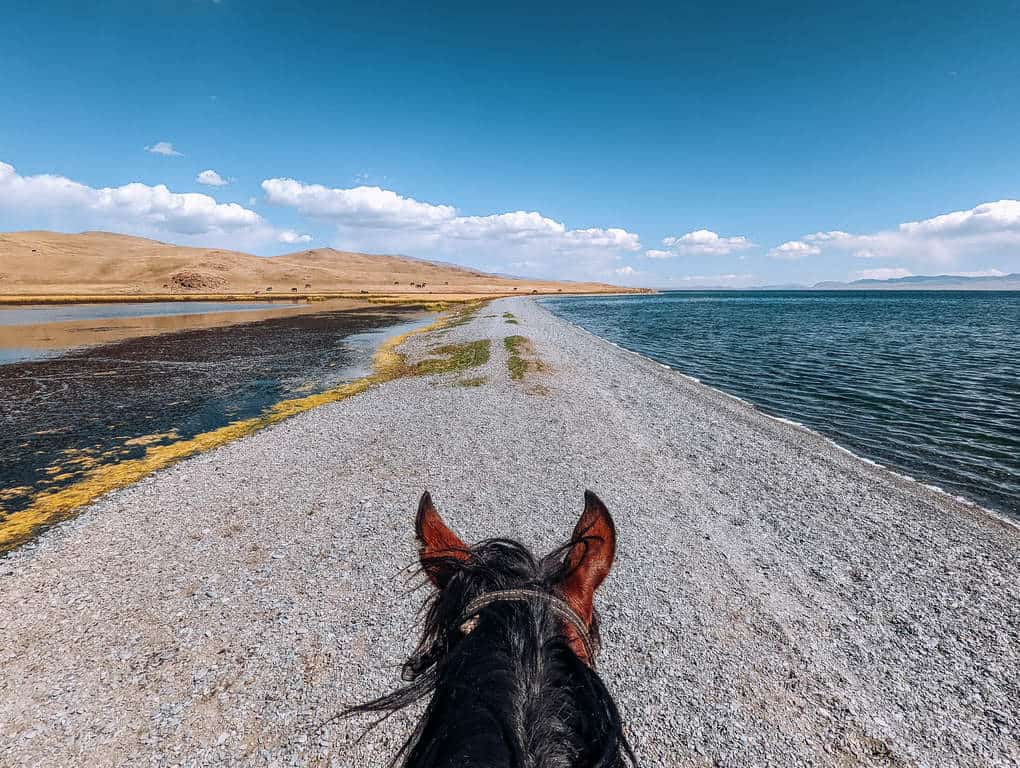


MULTI-DAY HOrse riding TRIPS at Song Kul:
- A 2-day horse riding trip from Son Kul Lake to the Kilemche Valley via nearby mountain passes and back. This 2-day horse riding trip is part of my 10-day Kyrgyzstan Adventure Tour.
- A 2-day horse riding trip from Kyzart village to Kilemche Valley and from Kilemche Valley to Son Kul Lake. This horse riding trip is part of my 3-day Song Kul Tour.
Ride across the high alpine pastures of Kyrgyzstan and experience the magic of Song Kul Lake on horseback, together with local guides and fellow adventurers.

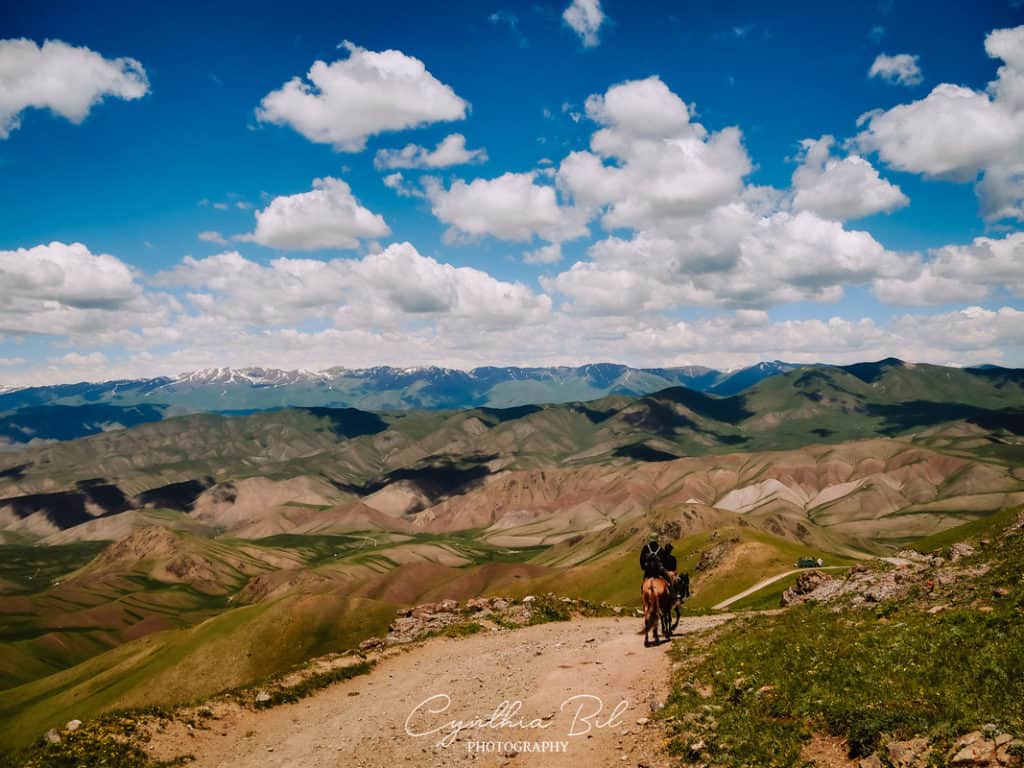

- The horse riding trail from the village of Kyzart to Song Kul is adored by many. As a round trip it takes three or four days.
- Some people also start their horseback trek in Kochkor and ride all the way to the lake and back as part of a 4- or even 6-day adventure.
Want more information about horse riding in Son Kul? I’ve written a handy guide to planning a horse trek to Song Kul with all the important stuff you need to know.

2. Tash Rabat
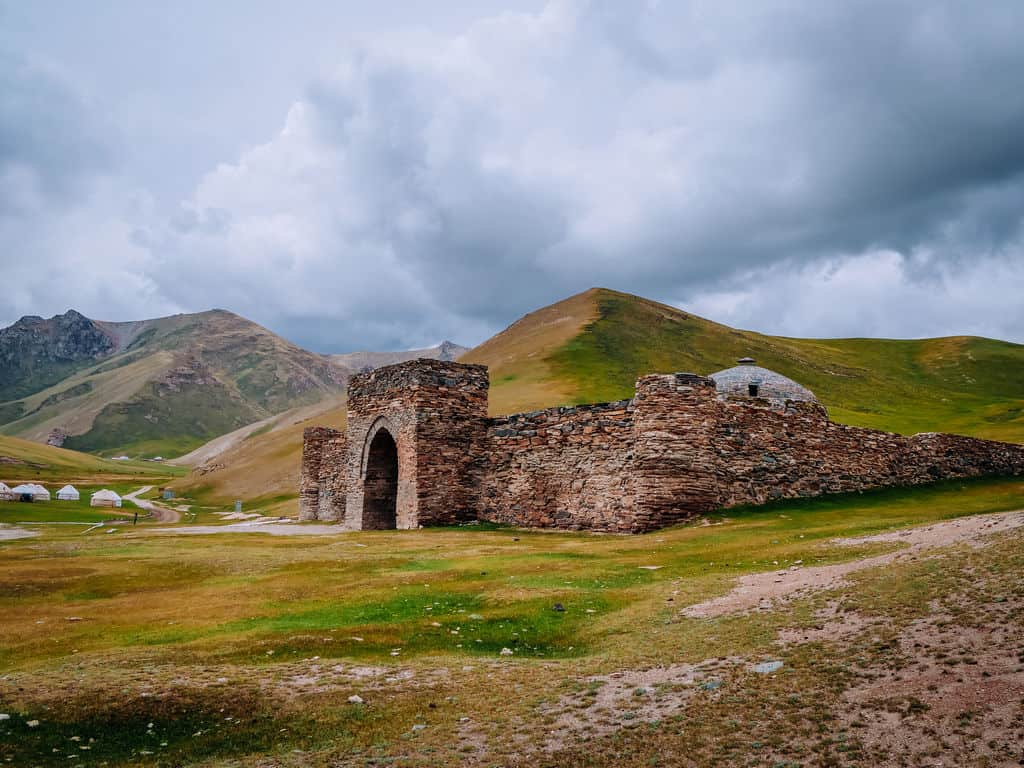
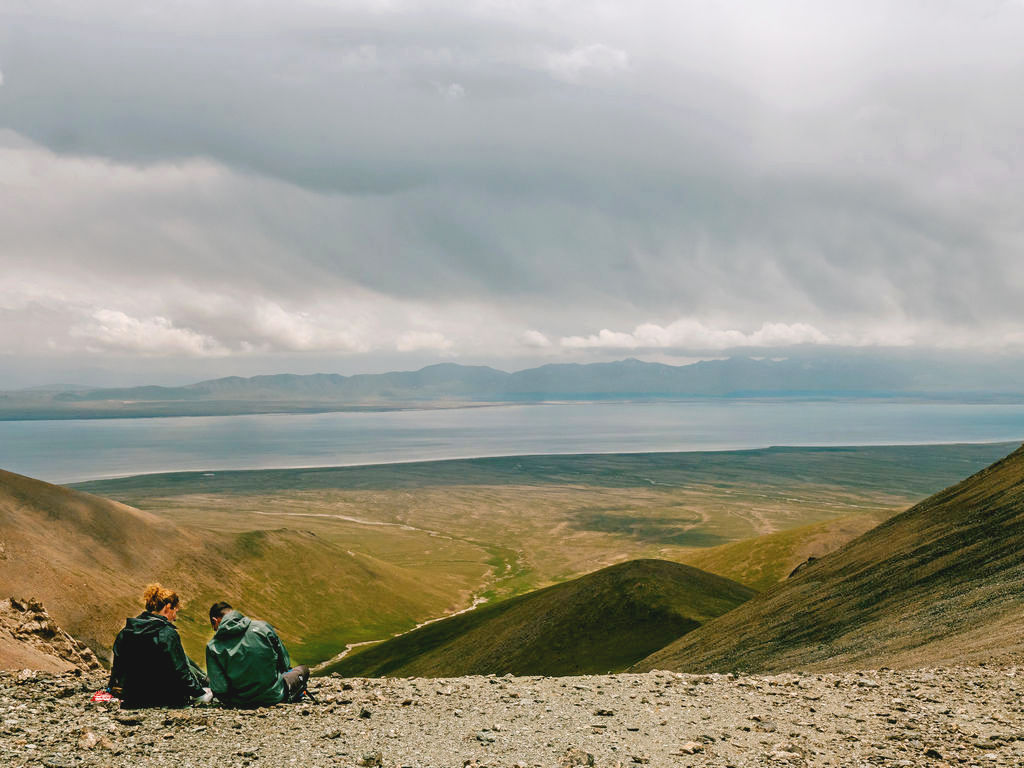
Tash Rabat is one of Kyrgyzstan’s rare historical treasures. The ancient Tash Rabat caravanserai is nestled in a luscious valley at an altitude of 3000 meters.
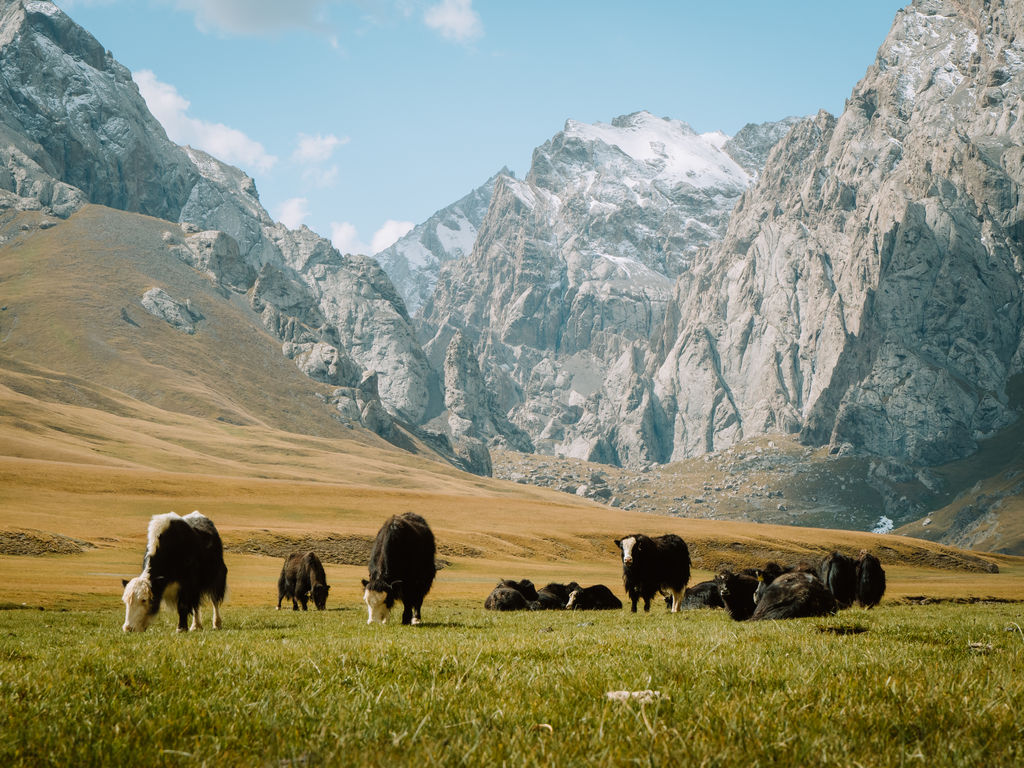
The area’s rolling hills have been carved out by the Tash-Rabat River which is a vital water source for grazing horses, cows, sheep, and yaks. The soothing and grounding energy of this place is why I love coming here.
Over many years, shepherds have forged a network of paths that are friendly for new horse riders.

Day Trip on horseback at Tash Rabat:
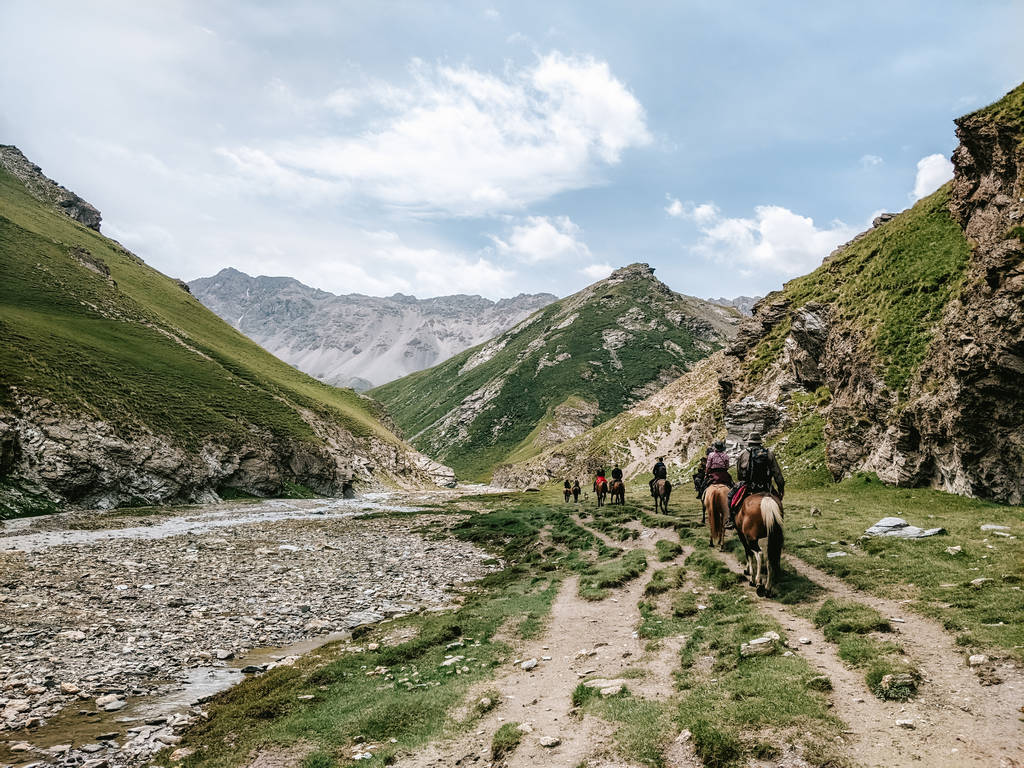
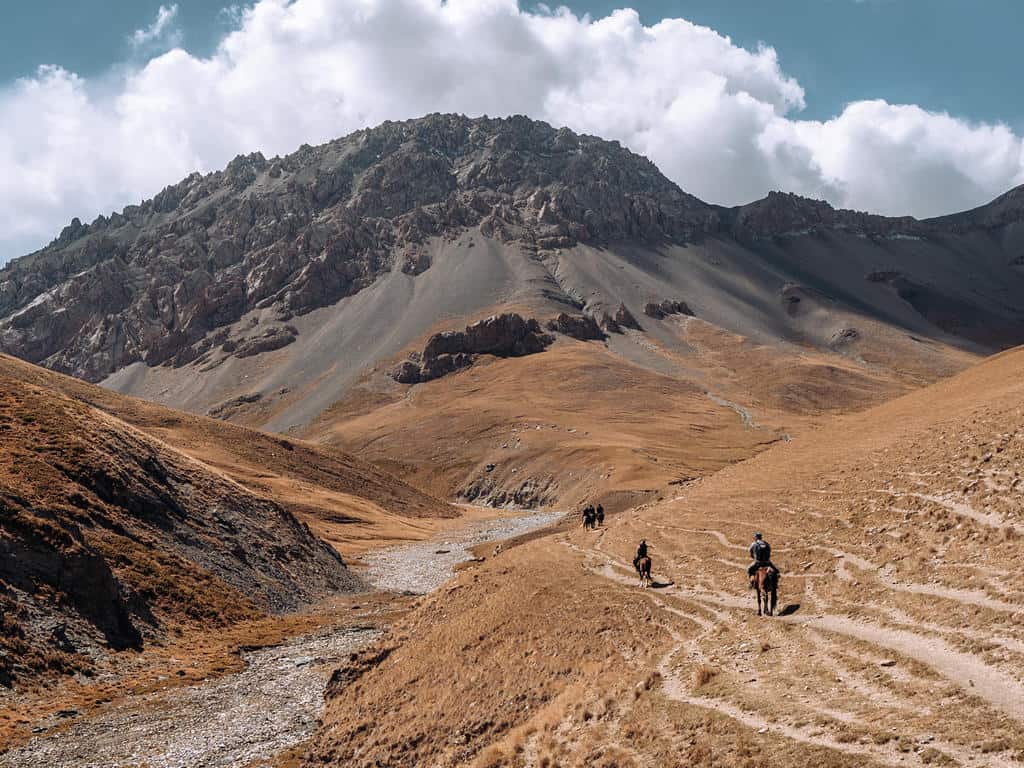
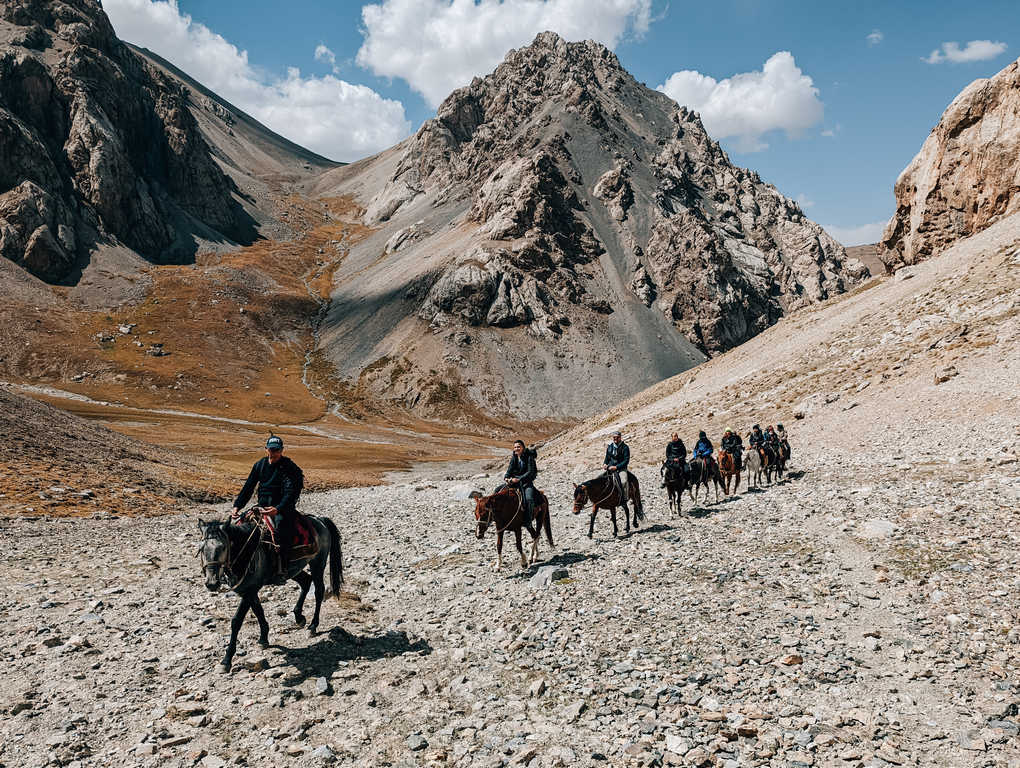
An 8-hour round trip (22km) from Tash Rabat to Panda Pass at 4,100m. This route is really something special. The trail is humming with wildlife, yaks and cows graze in the meadows while eagles soar above you.
Horseback is a wonderful way to experience the 1,000-meter climb, which varies from green pastures to pearly gray rock formations.
I offer this day trip as part of the 9-day Kyrgyzstan Overlanding Tour and 14-day Highlights of Kyrgyzstan Tour.

Multi-day HOrse riding trip at Tash Rabat:
A 2-day trip from Tash Rabat to Chatyr Kul Lake.
Chatyr Kul Lake, translated in Kyrgyz as “heavenly lake”, is an alpine wonder which sits between the At Bashy and Torugart-Too mountain ranges. It is the third largest lake in the country, following Issyk-Kul and Son-Kul.
The route meanders through Panda Pass (see above) so you’ll truly get to see a lot in two days. You can wild camp by the waters or stay at one of the few yurt camps on the lake’s shore. To arrange a horse trip from Tash-Rabat to Chatyr Kul, you’ll need to book it with a local company.
Important note: You need a border permit to get to Chatyr Kul. You can apply for it at least two weeks in advance by emailing the CBT (tourist information center) in Naryn. Permits cost between 1,000 and 2,000 KGS and you will need a clear photo of your passport.
You do not need a border permit if you are just going up to Panda Pass and returning back down.

Want more information about Tash Rabat and horse riding there?

3. Sary Chelek
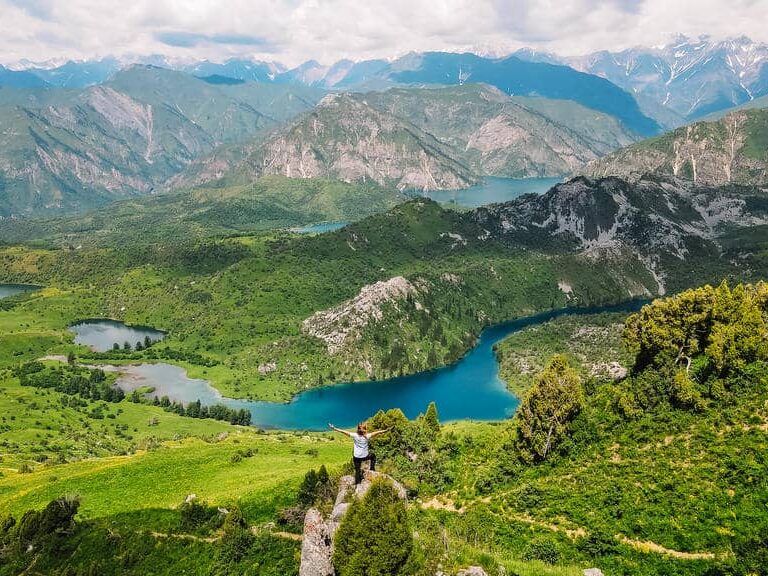
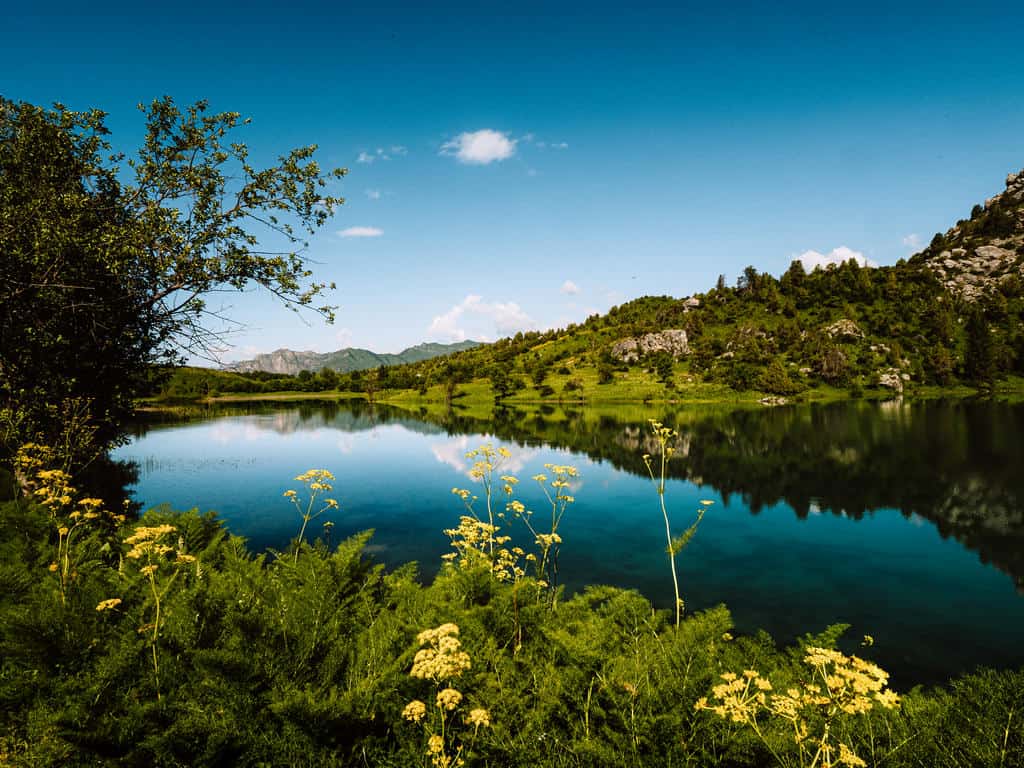
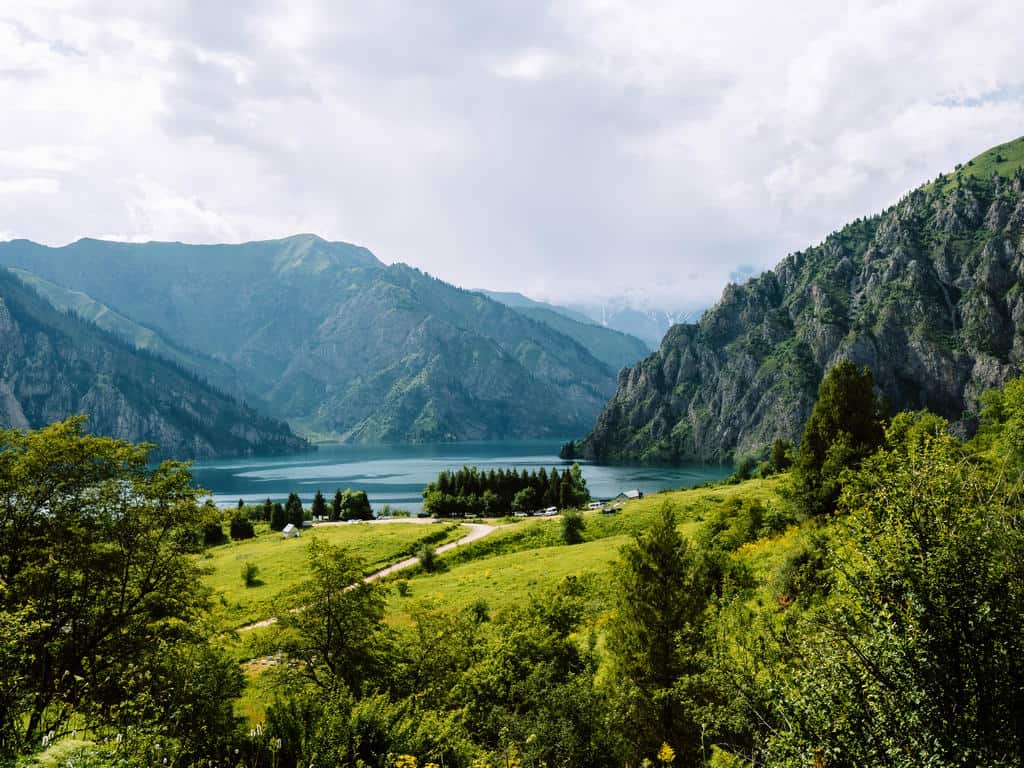
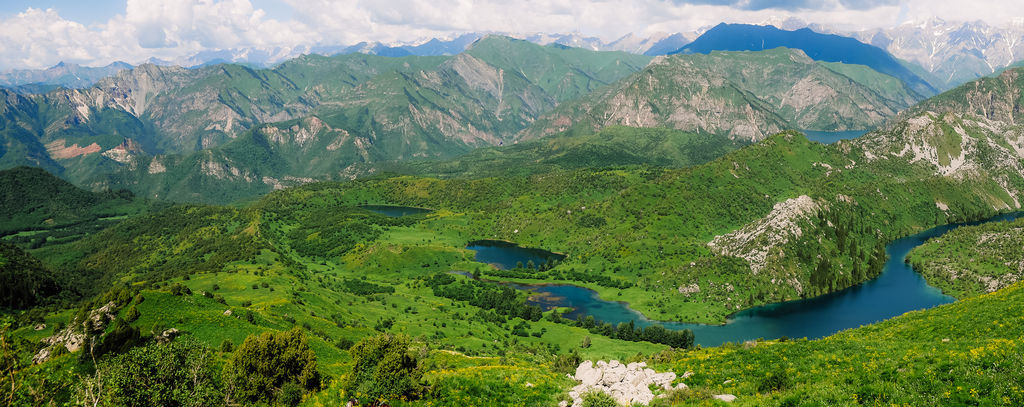
Sary Chelek is located in the Jalal-Abad region in the west of Kyrgyzstan, tucked into the Western Tien Shan Mountains at the foot of the Chatkal Mountain Range. This alpine lake is the highlight of a larger area called Sary Chelek Nature Reserve which was declared as a UNESCO Biosphere Reserve in 1978.
The dense forest with its wild fruit and walnut trees and the valleys surrounding the lakes are a habitat for thousands of plant species, hundreds of birds, and around 40 species of mammals, such as bears and lynx.
Sary Chelek is one of those places that makes you feel grateful and in awe for what Mother Nature has to offer!
Day trip by horse at Sary Chelek:
Day trip around the lakes in the Nature Reserve. Sary Chelek is very remote so if you have a day to spare, explore the nature reserve’s lakes on horseback.
There’s a stunning 20km trail called ‘Seven Lakes Hike’ which is also great for horse riding. The route takes you to six out of the seven alpine lakes in Sary Chelek Nature Reserve. I’ve written everything you need to know about the route and the area here (scroll down for Option 2).
Multi-day Horse riding trips at Sary Chelek
- 3-day trek from Sary Chelek to Kara Kamysh Lake.
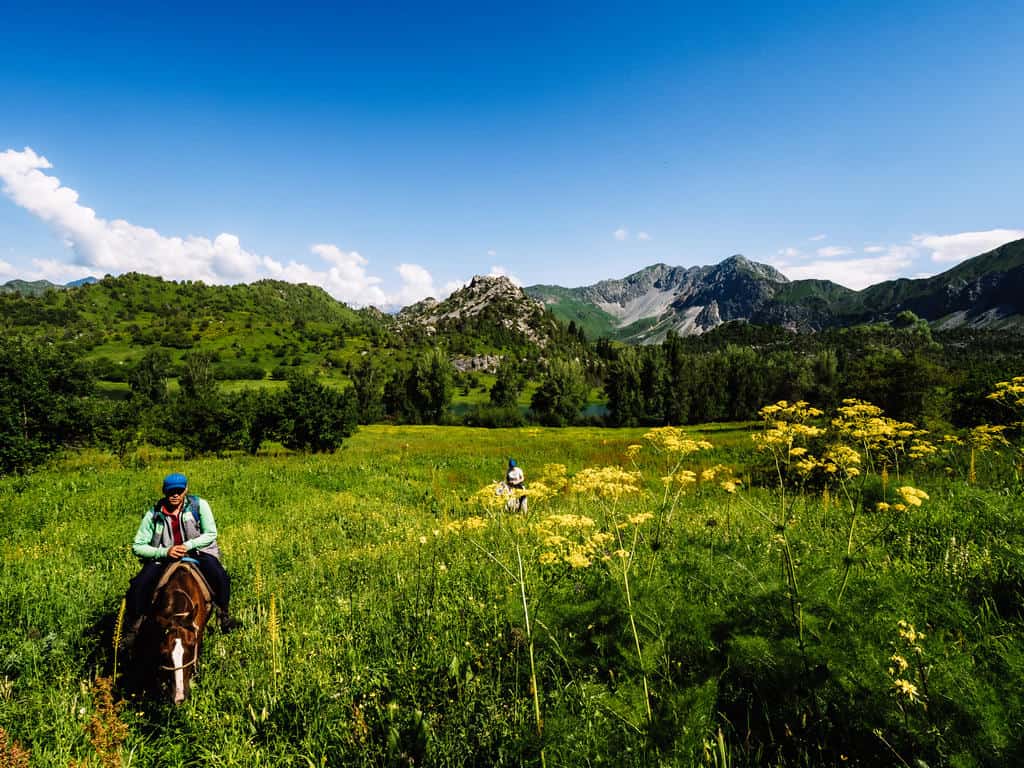
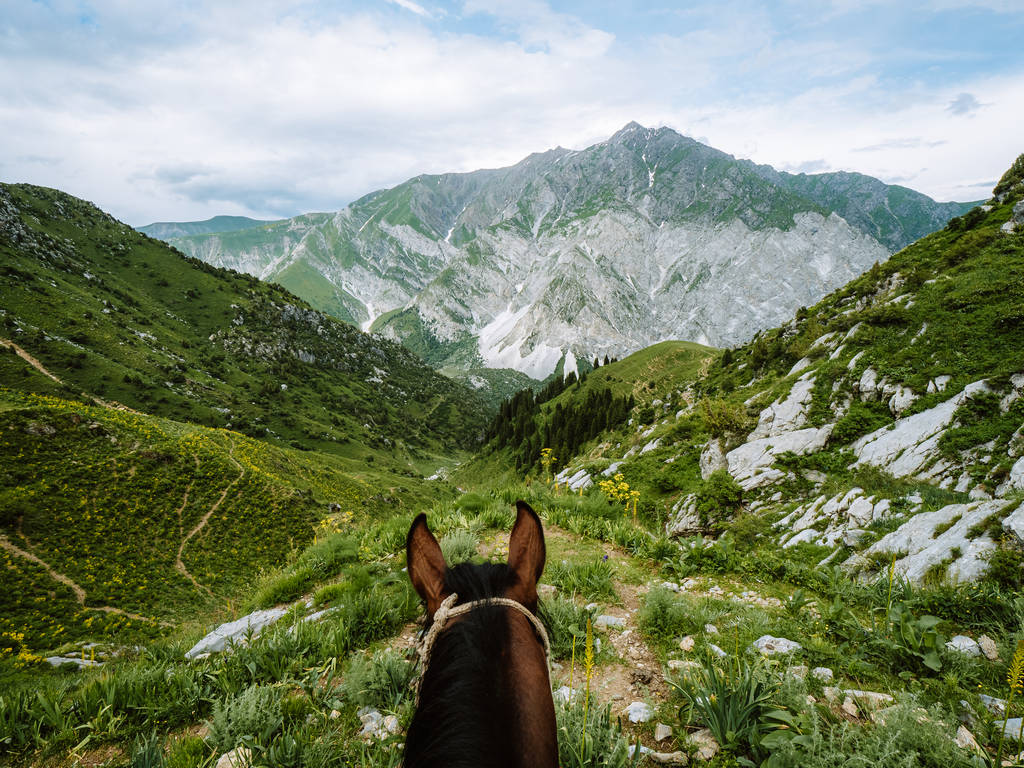
This route is SO beautiful! You’ll witness spectacular views while riding through flower-cloaked valleys, going up into panoramic mountain passes, and descending by the shores of alpine lakes.
A highlight of this trip is reaching Kotormo Pass at 2,446m. The views of the Sary Chelek Valley and the towering peaks of the Chatkal Mountains are incredible! I offer this trip as part of my 10-day Feel Like a Nomad Kyrgzstan Horse Riding Tour.
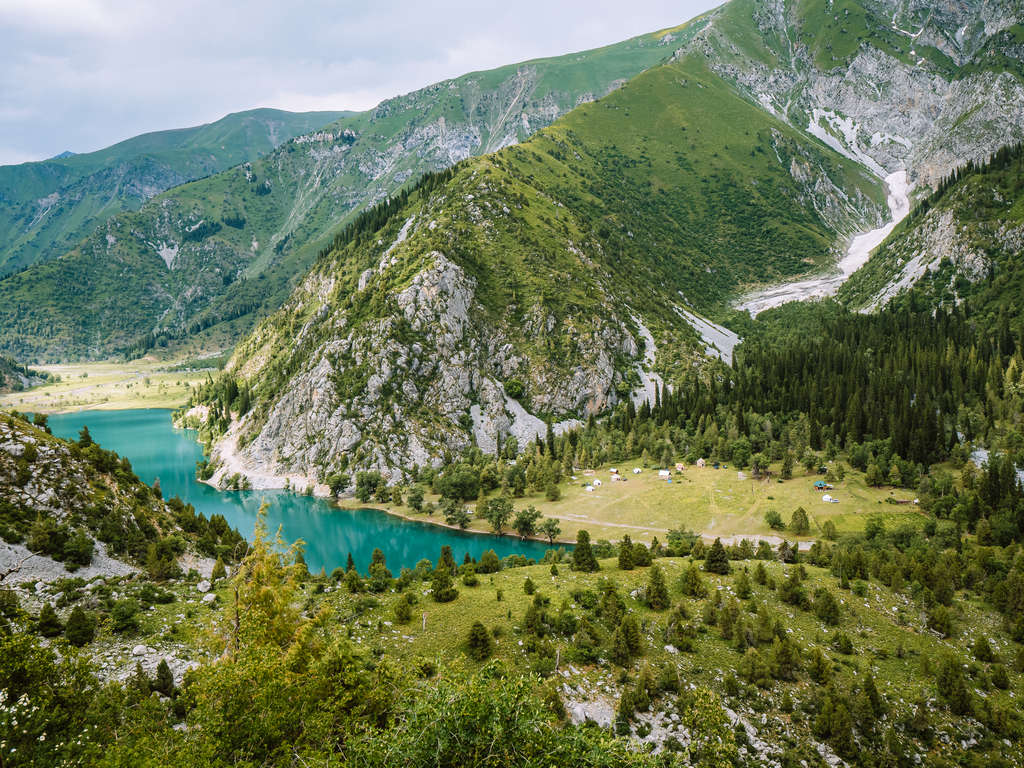
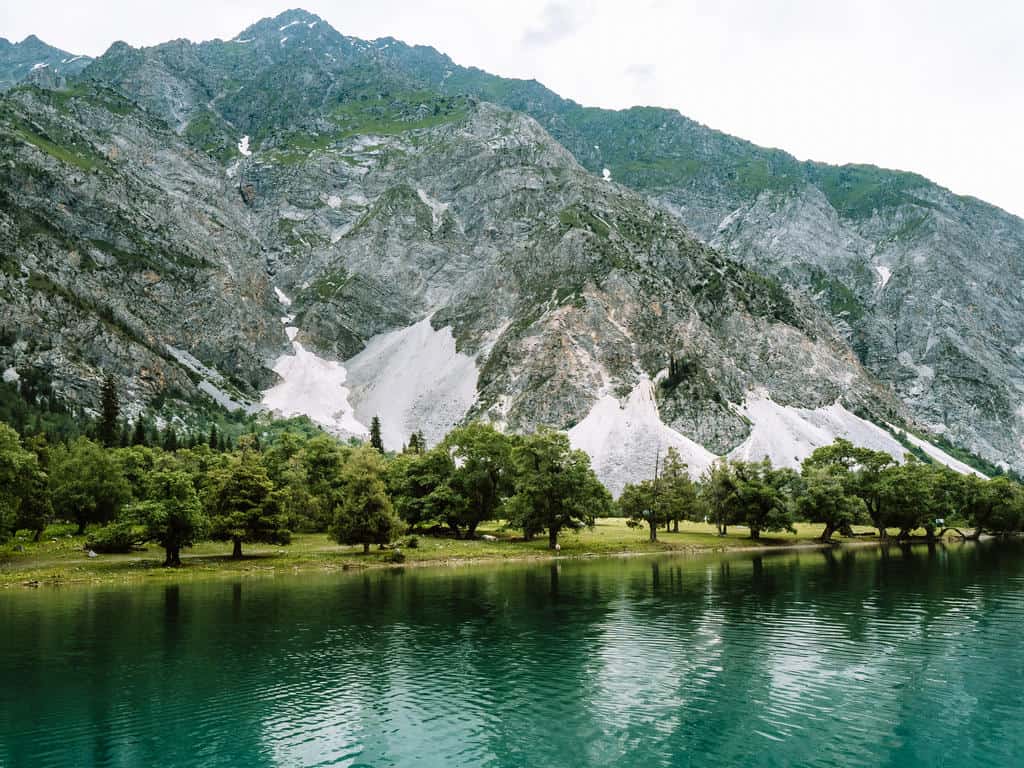
- 4-day trek from Kara Kamysh Lake, Sary Chelek Lake to Kyzyl-Köl Village.
This adventure is a brilliant way to get to explore the nature reserve while also reaching the heights of Makmal Pass and Ashuu Pass.
It’s organized by Destination Jalal-Abad’s Tourist Center. Bear in mind you will need to get to the starting point and have arranged travel to get back after!
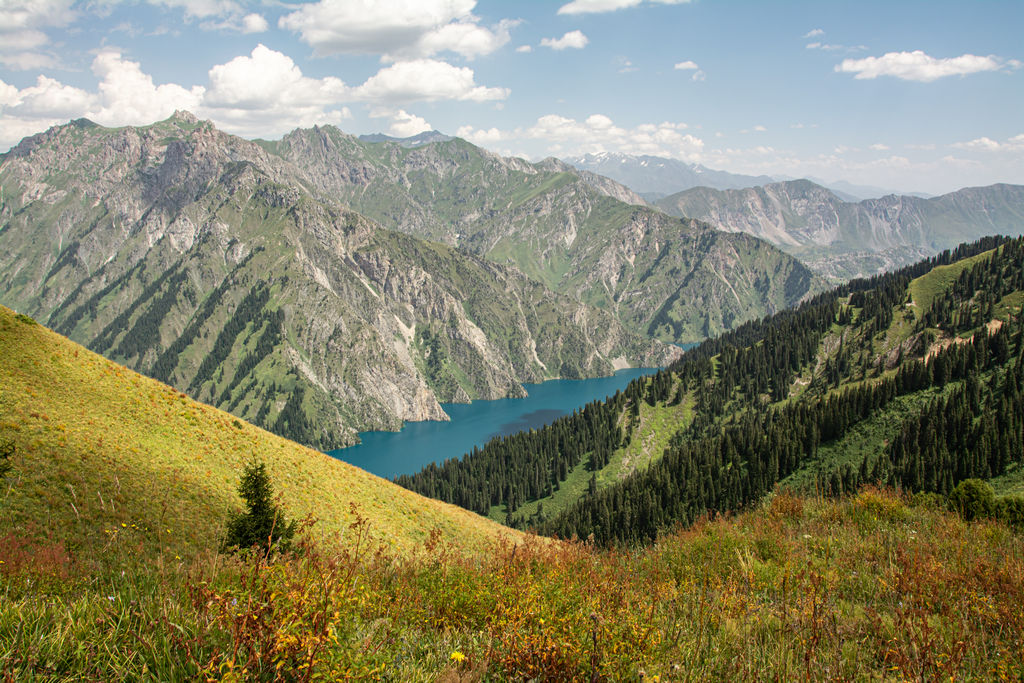
Want to learn more about Sary Chelek Nature Reserve?

4. Alay Mountains near Osh
The majestic Alay mountains sit in southern Kyrgyzstan. The passes here offer striking views over snow-capped mountain peaks and colorful valleys dotted with crystal-clear alpine lakes. It’s also home to one of the highest mountains in Central Asia – Lenin Peak at 7,134m.
The Alay mountains are super remote, so it’s worth spending a good chunk of time doing a multi-day trek here.


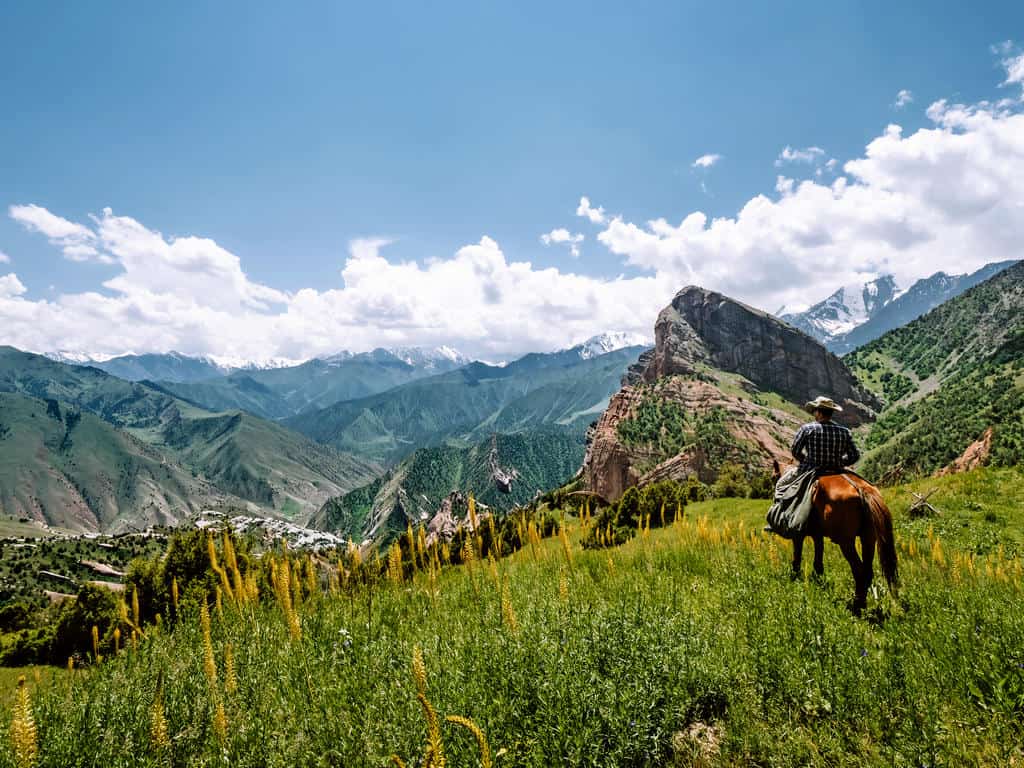
Multi-day Horse riding trip in the Alay Mountains
Truly Nomadic Land, a 5-day trip from Osh to Murdash village. This 71km adventure has everything taken care of including accommodation in yurt camps and meals included.
It’s a great multi-day trek for beginners to intermediate riders while covering lots of distance and seeing spectacular sights including the Airy Bell (2956m) and Ak Tor (3,500m) mountain passes.
This tour is organised by Visit Alay who can be flexible with the days and times you need. Visit Alay has guided me personally on several of my trekking trips in Kyrgyzstan, and they have a community-based travel agency based in Osh.
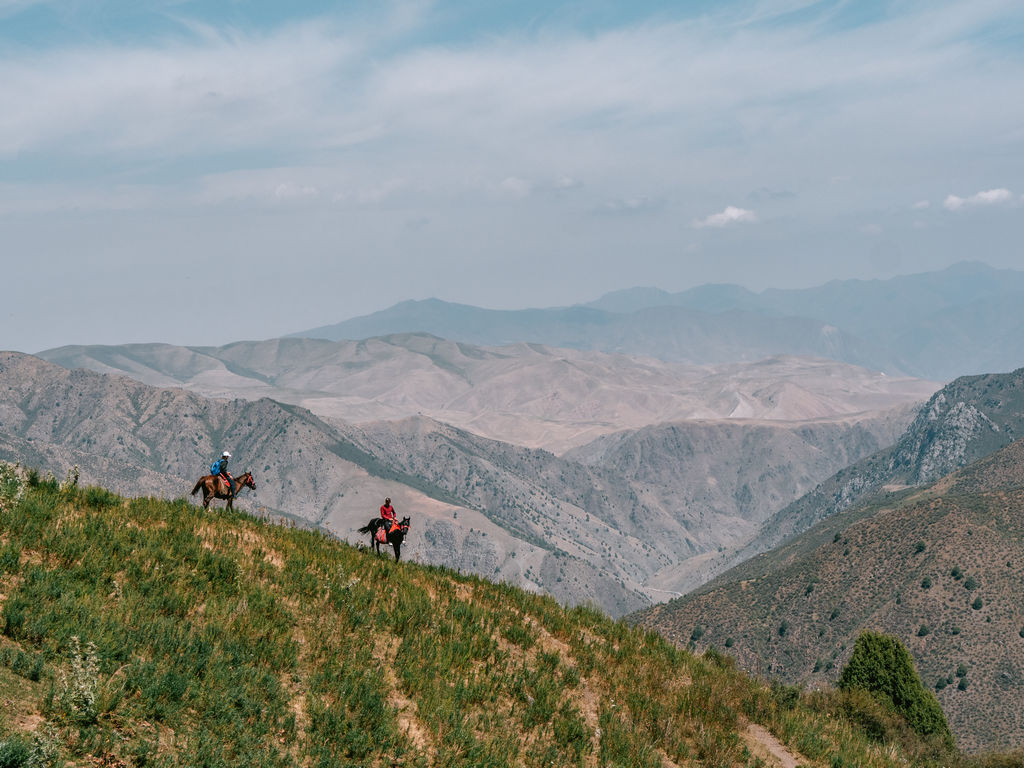

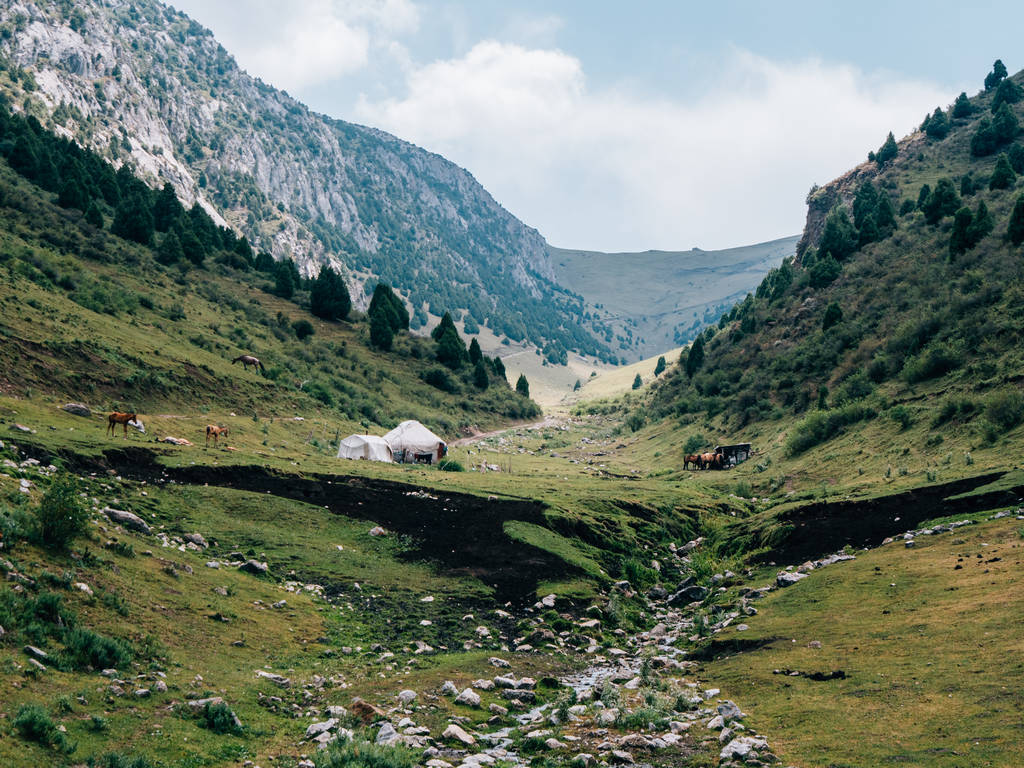

For those with a little more riding experience and craving a longer adventure, why not combine this destination with Sary Chelek National Park? I offer a 4-day trip exploring the Alay mountains as part of my 10-day Feel Like a Nomad Horse Riding Adventure.
During this trek, you’ll meander through magnificent peaks and summit Airy Bell Pass and Ak Tor Pass. It’s also a brilliant opportunity to learn and live the Kyrgyz nomadic life.
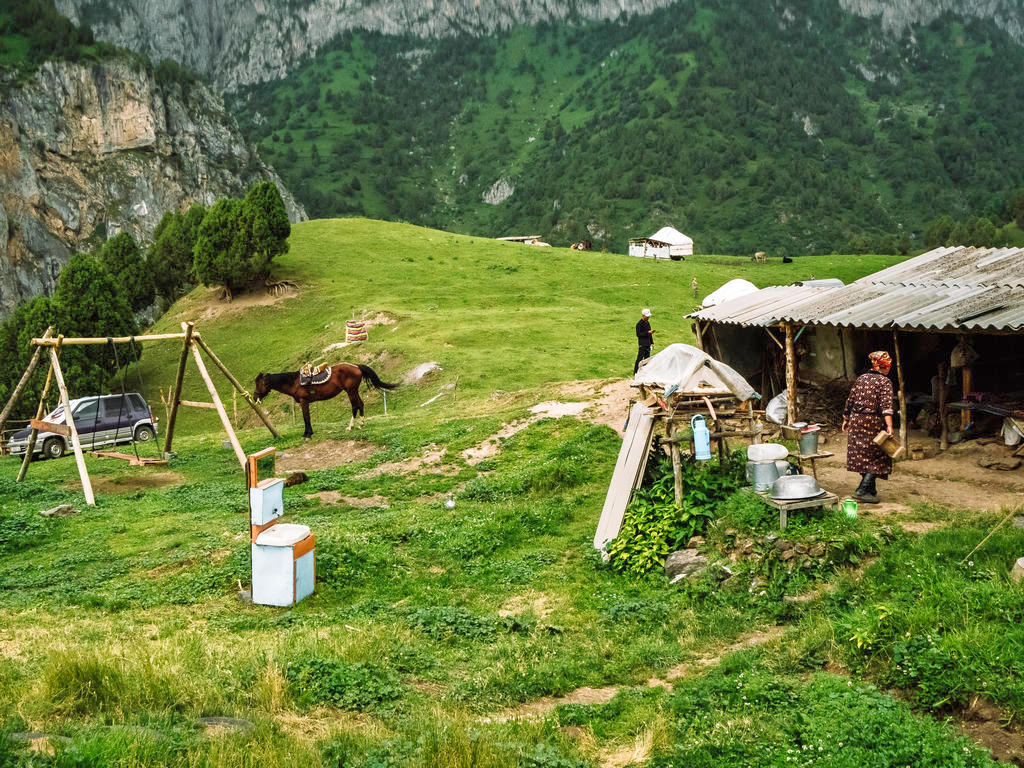
5. Arslanbob
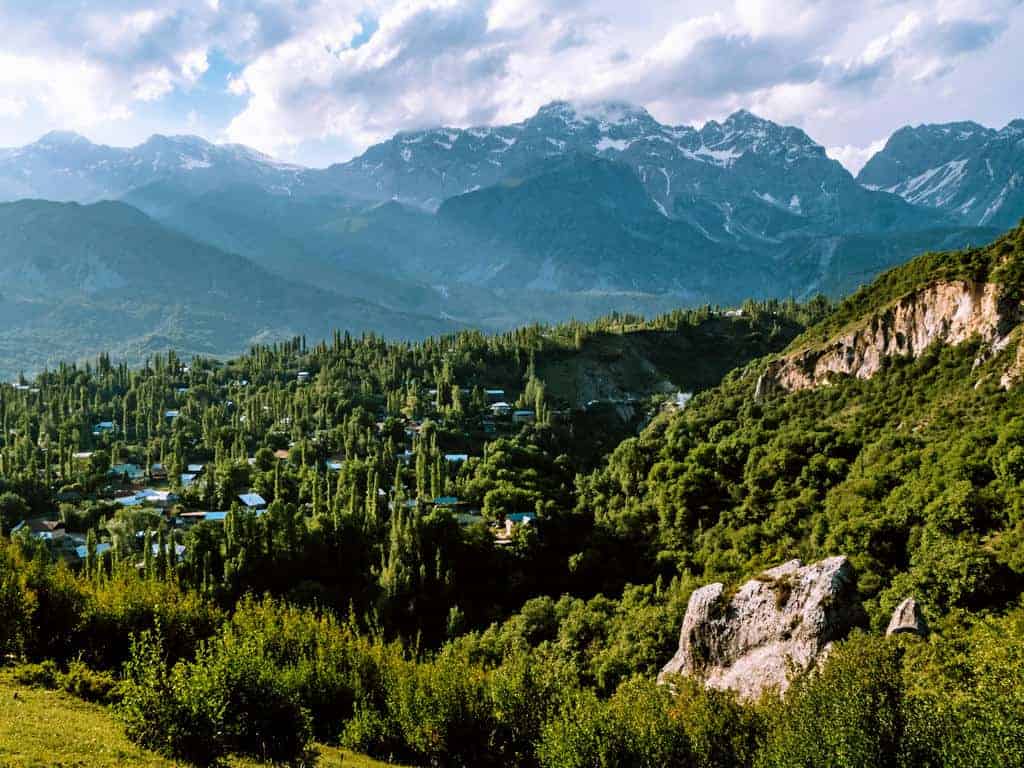
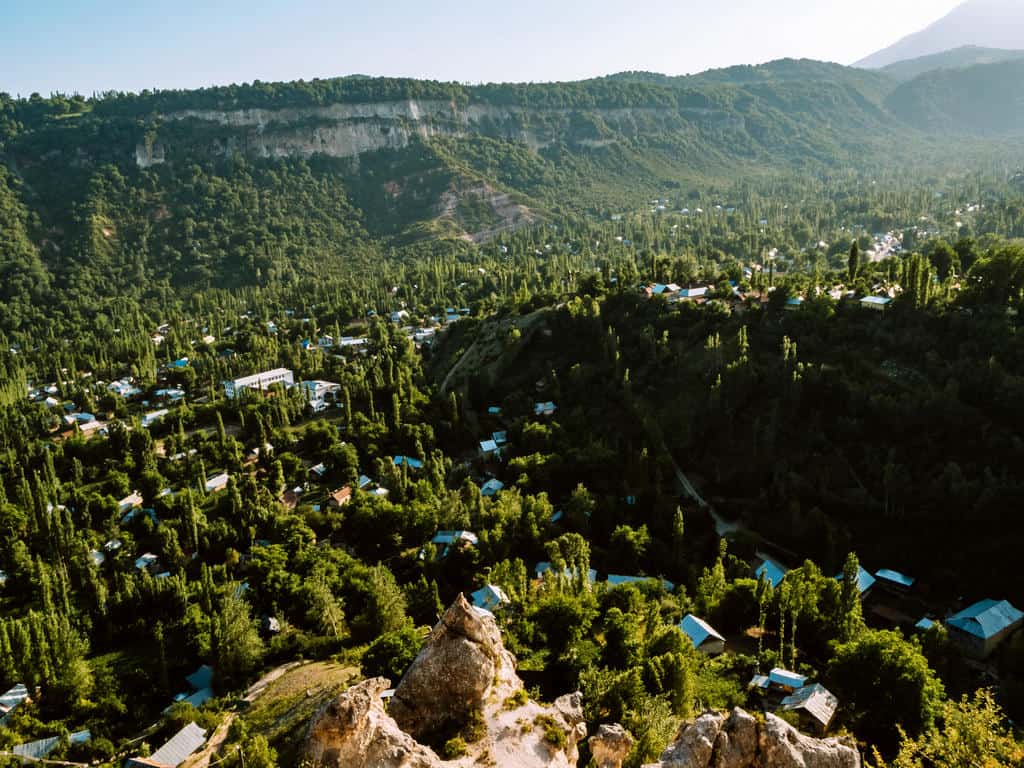
Arslanbob is a valley in the Jalal-Abad region of western Kyrgyzstan. The valley is located at an altitude of around 1400m and is surrounded by the scenic and sacred Babash Ata mountain range.
Arslanbob is famed for its walnut forest which is estimated to be 50 million years old! It is also home to 130 varieties of other nut and fruit trees… some of which have been around for more than 1000 years.
DAY TRIPS by horse at Arslanbob:
- Horse riding in the Arslanbob walnut forest
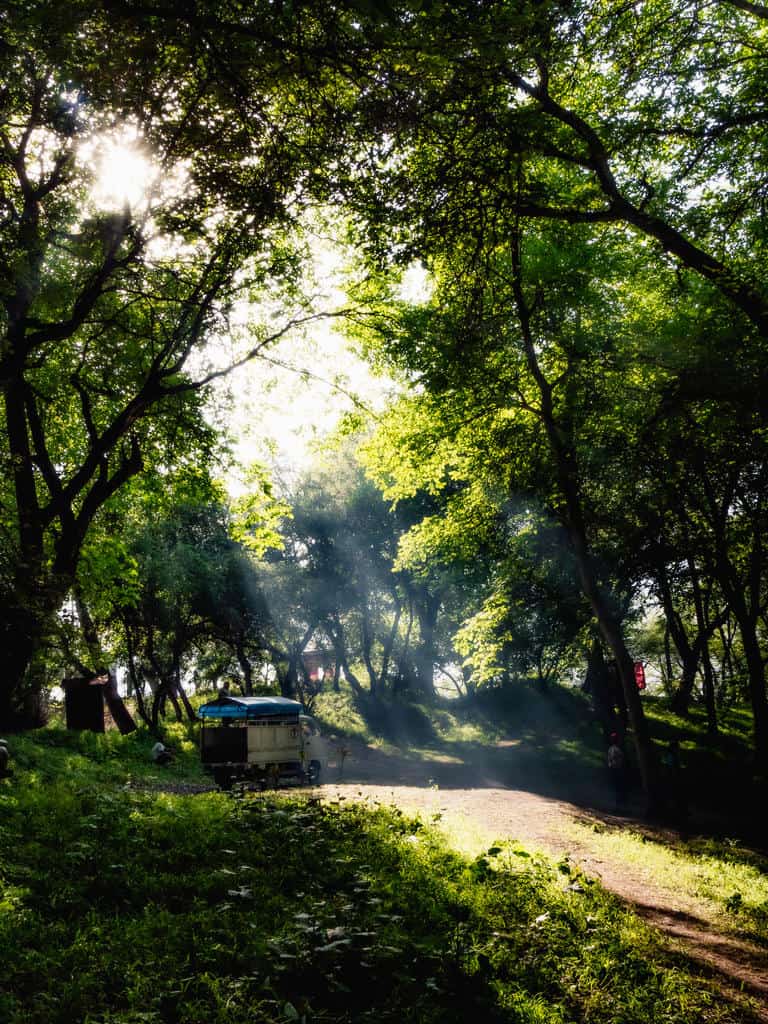
As mentioned above, riding in the walnut forest is an absolute must. In the heat of summer, the luscious woodland provides shade and you’ll learn about how the harvest nourishes the village.
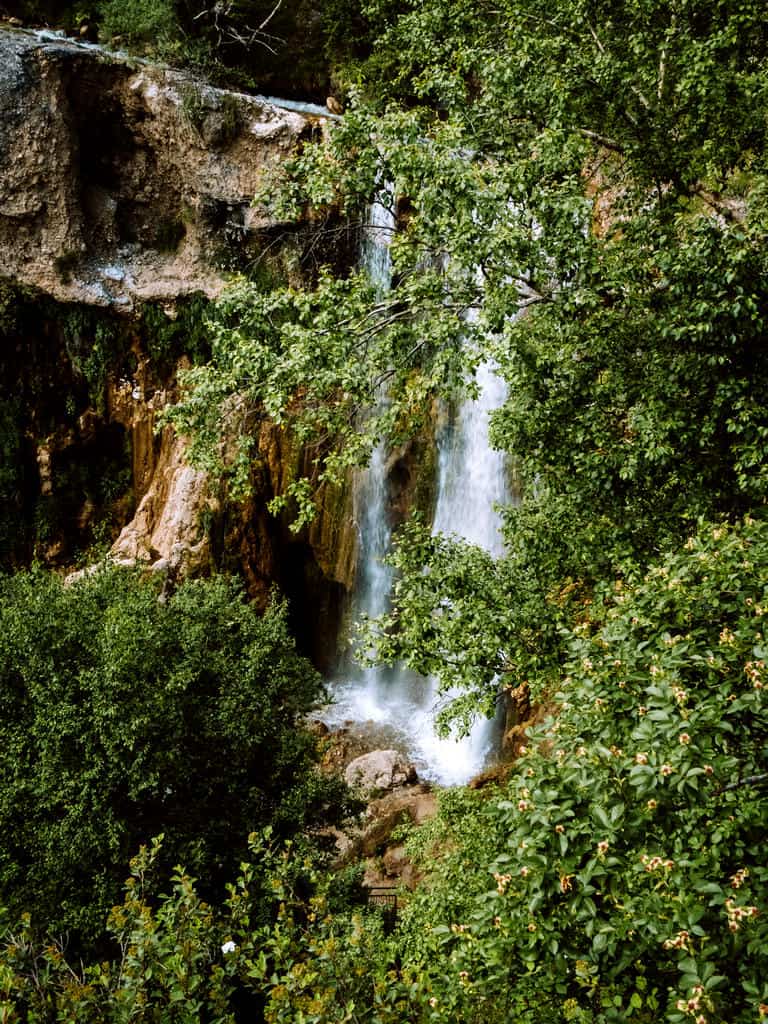
This beginner-friendly route allows you to see all the natural attractions in and around Arslanbob Village, including a visit to the walnut forest, the waterfalls and Panorama Hill. Read more info here.
Side note: Coming here in early Autumn would be super cool – Almost all Arslanbob’s residents will camp out in the forest to collect the walnuts for the month. You’re very welcome to join in for an afternoon, a day, or even a week.
- Arslanbob to Holy Rock
This 16km route meanders through the Toguz-Bulak pastures where you’ll see a lot of underground springs and a wide variety of flora and fauna.
You’ll then reach Holy Rock at 3200m which offers a great panoramic view over the Arslanbob and surrounding mountains.
Contact CBT (community-based tourism) in Arslanbob for more information or to arrange the above tours.
Multi-day horse riding trip in Arslanbob
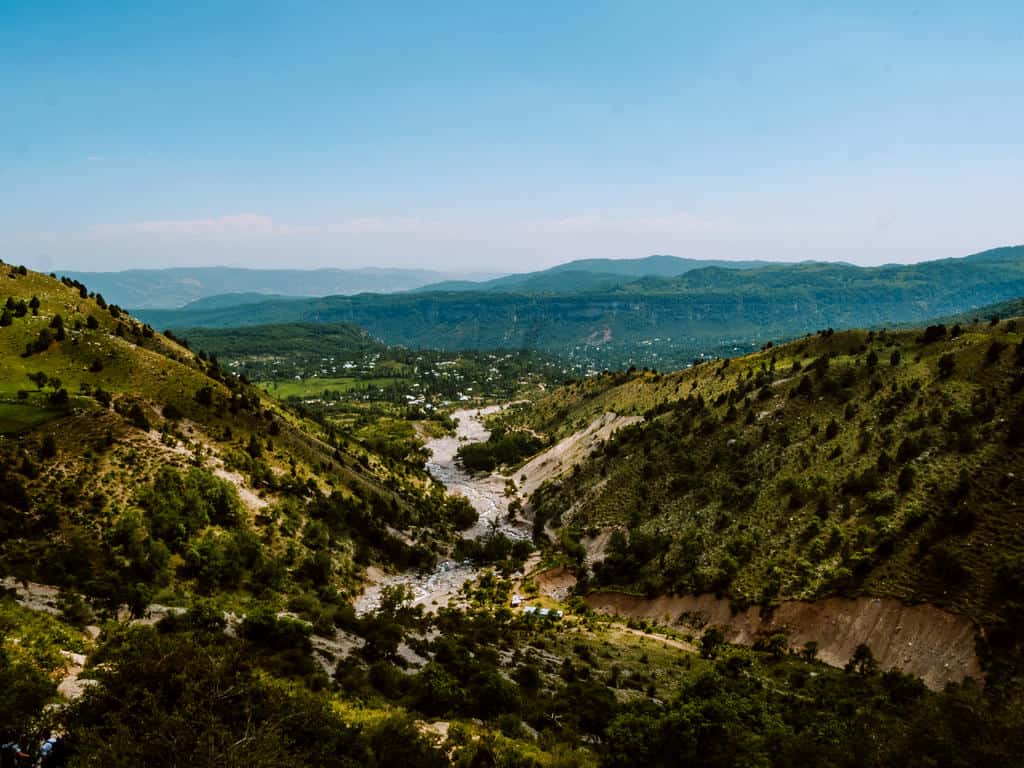
The 3-day loop trip from Arslanbob to Holy Lake is AMAZING and I have so many warm memories of it! In my experience, the route is one of Kyrgyzstan’s best for horse trekking.
You’ll ride across the Chakmak Tash Pass (3262m) and Ontomo Pass (3400m) descend into the Sere Valley (2600m). After camping, you’ll then head into Tash Koro Canyon and reach the beauty of Holy Lake.
Please note: You can only go to Holy Lake on horseback if you’re a relatively experienced horse rider. This horse trek isn’t suitable for beginners as the days of riding are long and quite demanding on the body.
You can book this adventure tour through CBT Arslanbob. The tour costs around 30000 som (which is about €300), including food, a guide, horses, a horseman, and camping gear.
6. Kol Ukok Lake
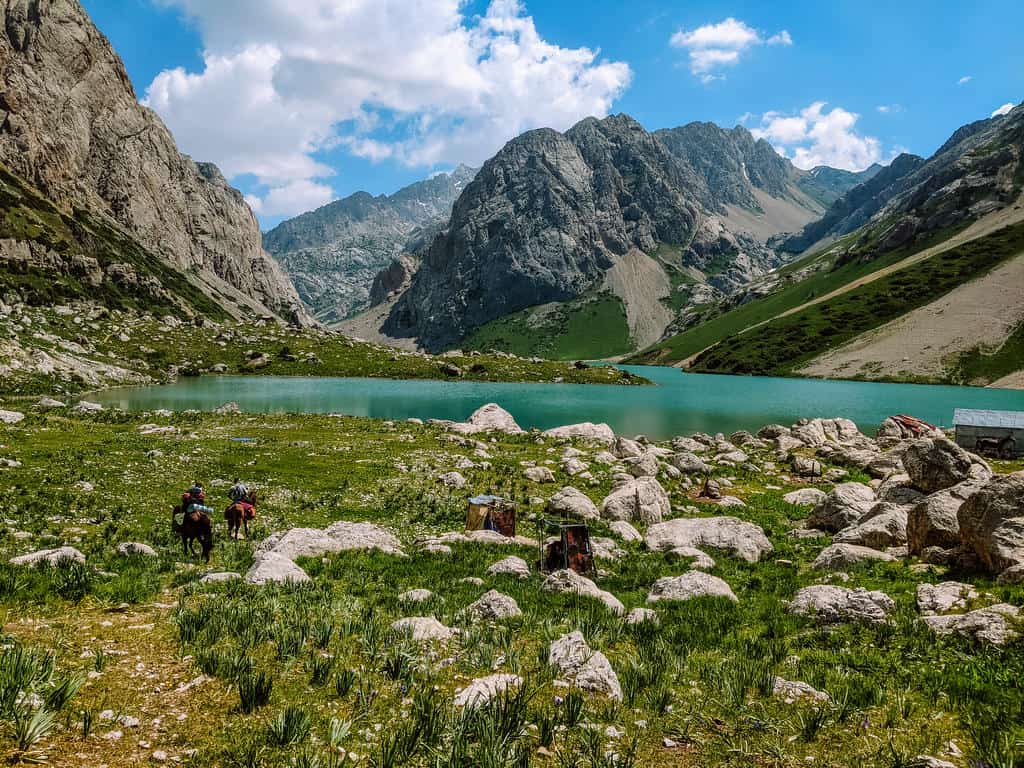
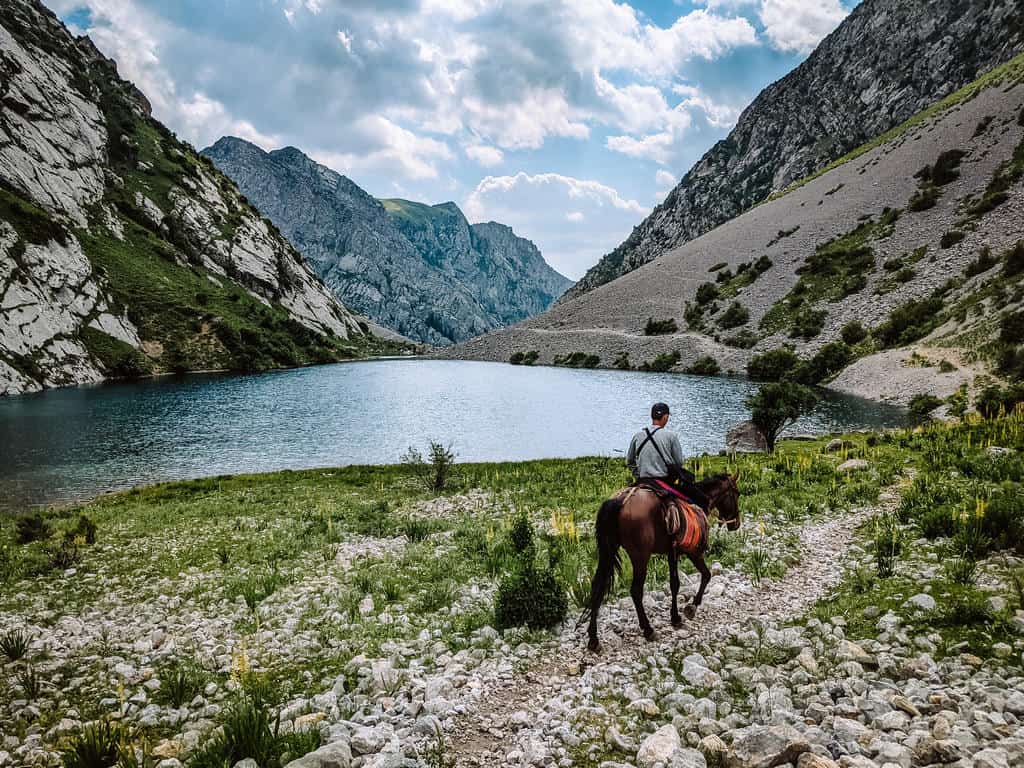
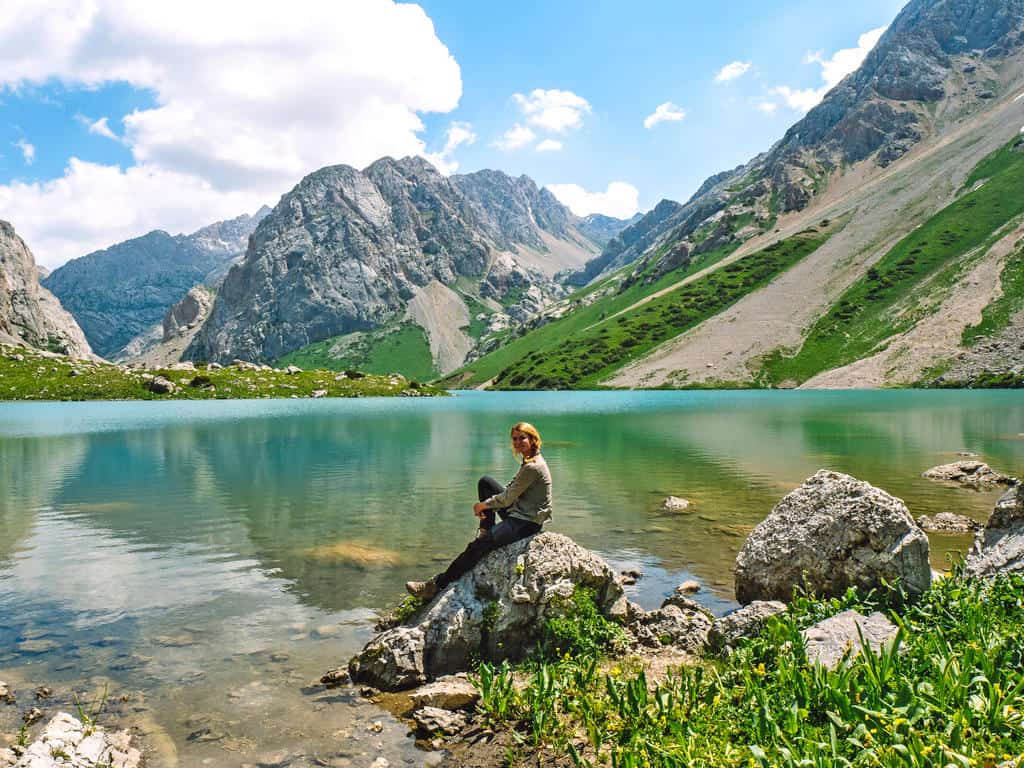
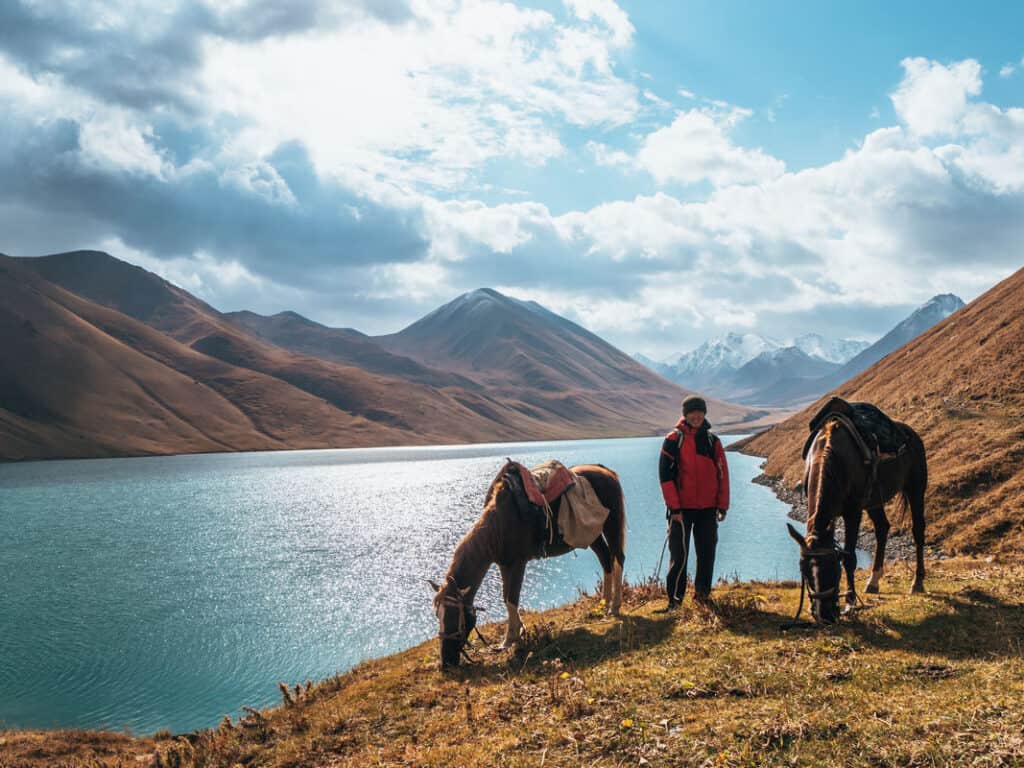
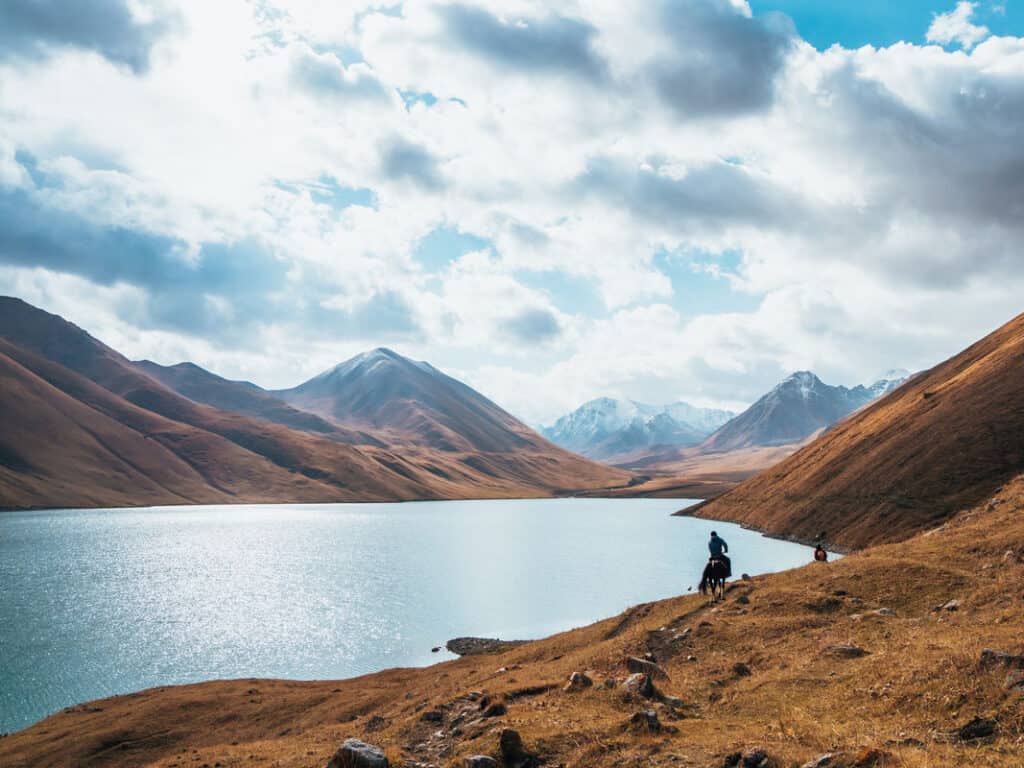
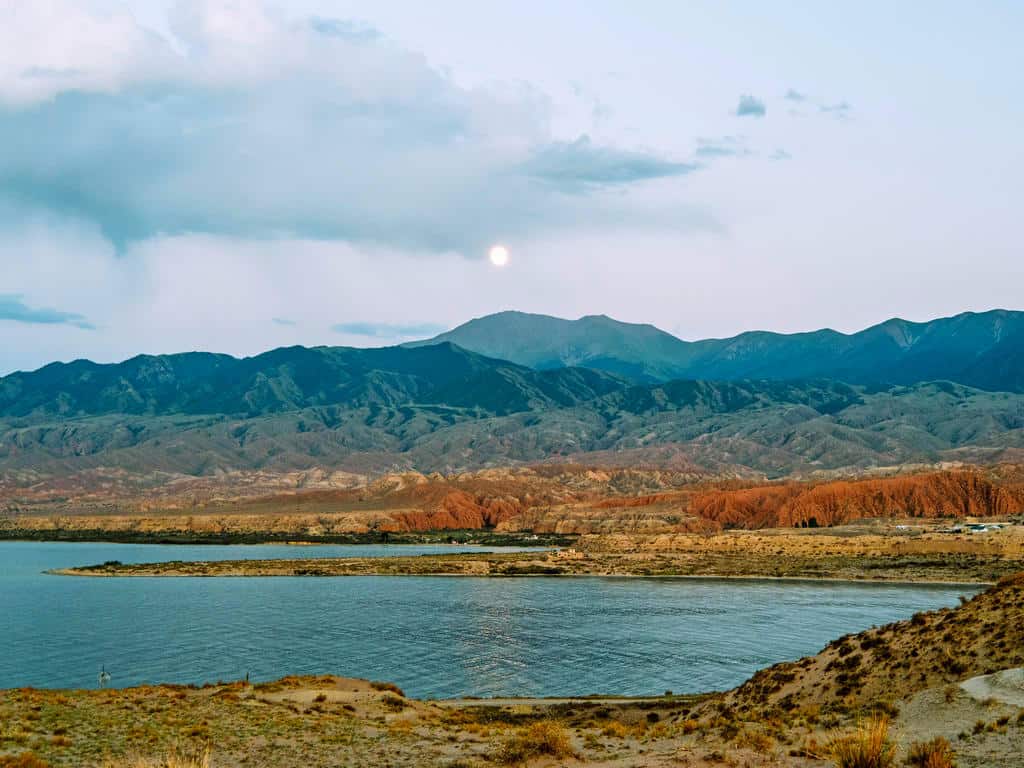
The teal-tinted waters of Kol Ukok are cradled between the Terskey Ala-Too Mountains in the Naryn region.
The lake, which in Kyrgyz means ‘lake in a chest’, is small but it doesn’t yield beauty. In the hotter months, the meadows awake with edelweiss and forget-me-not flowers. The mountain slopes are home to foxes, wolves, marmots, goats and hares while trout dart in the waters.
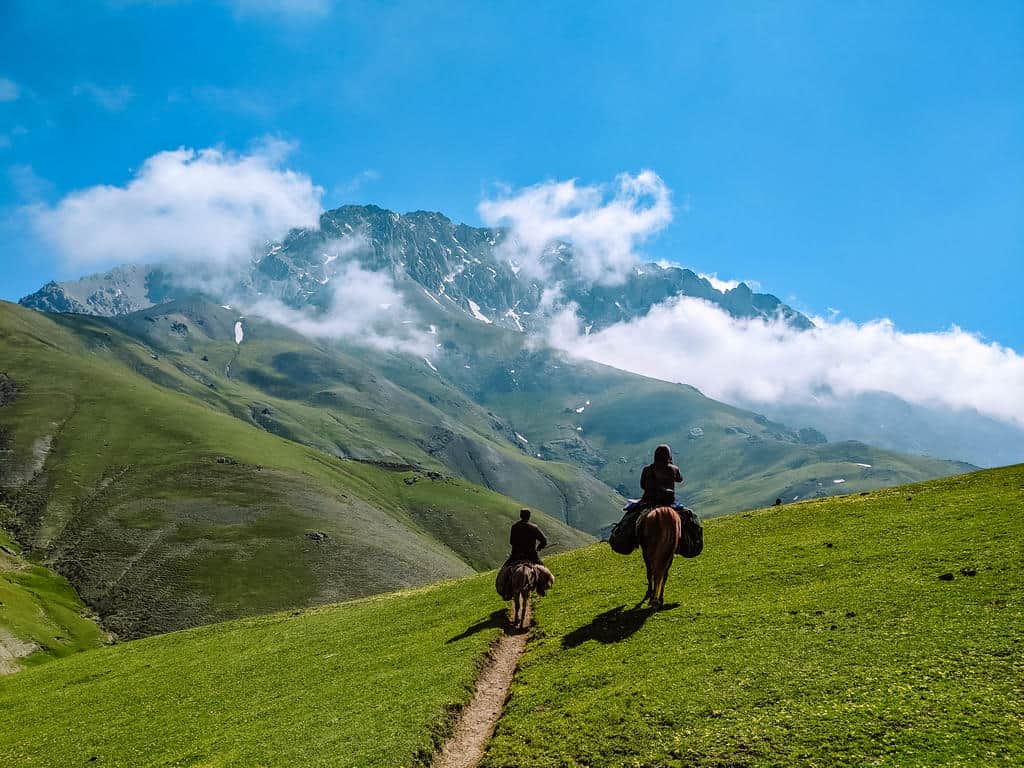
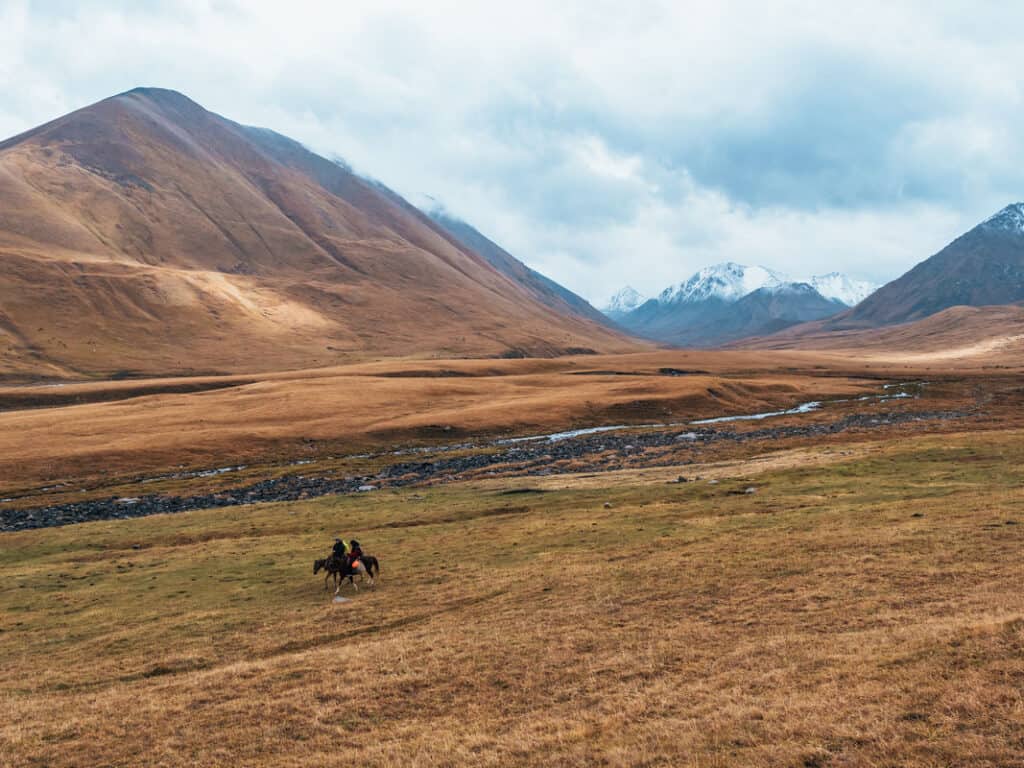
Nature here takes the center stage and it is relatively untouched by tourism, which makes this an ideal spot for horse riding. Due to its remote location, I’d recommend a few days of exploring here.

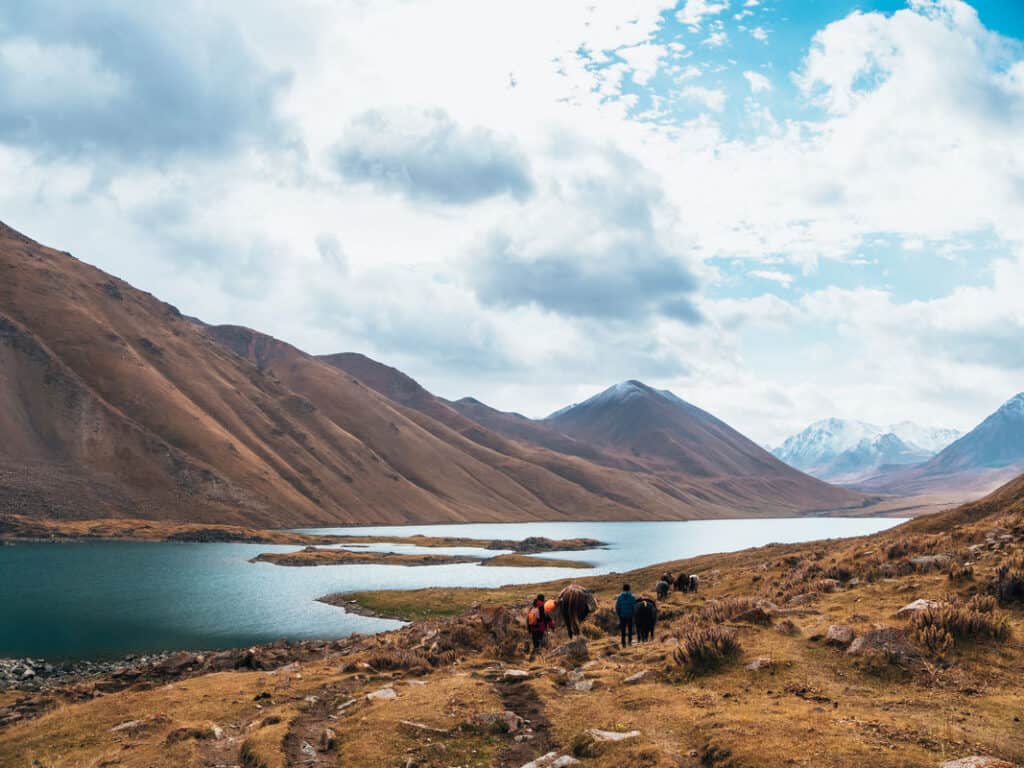
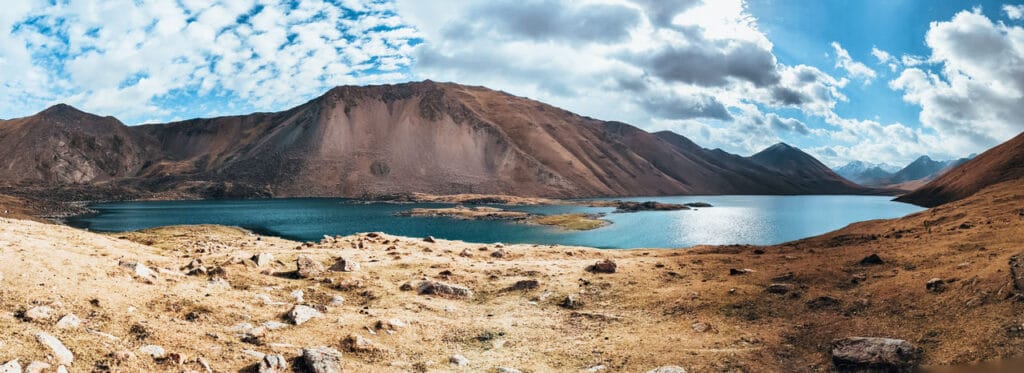
MULTI-DAY horse riding TRIP to Kol Ukok
The 2-day adventure to the Ters-Tor jailoo, Kol Ukok and Kol-Tor lake is packed with smaller 2-3 hour trails winding through mountain passes and flowering pastures. This a great route for beginner riders because there is flexibility with hiking and riding.
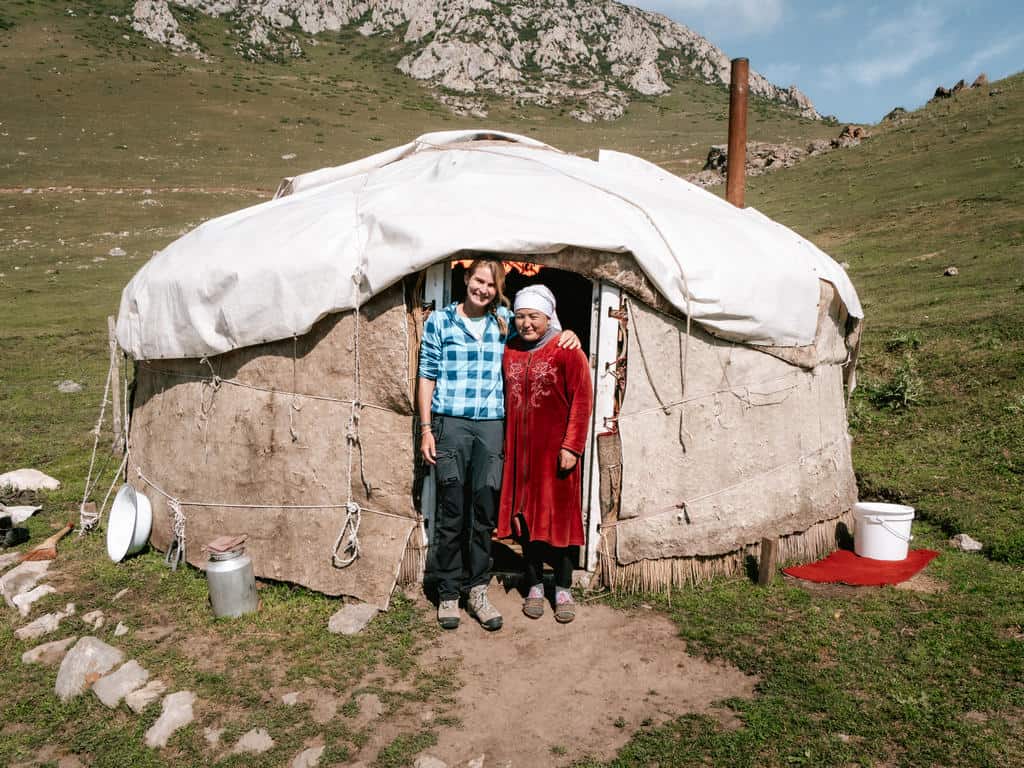
While staying with shepherds in their yurt camps, you’ll be taught the traditions of making kymyz (fermented mare milk), airan (Kyrgyz yogurt), and kurut (dried salty cheese). Another option is to camp by Kol Ukok shores.
The tour can be arranged by CBT Osh/ Visit Alay.
7. Chon Kemin
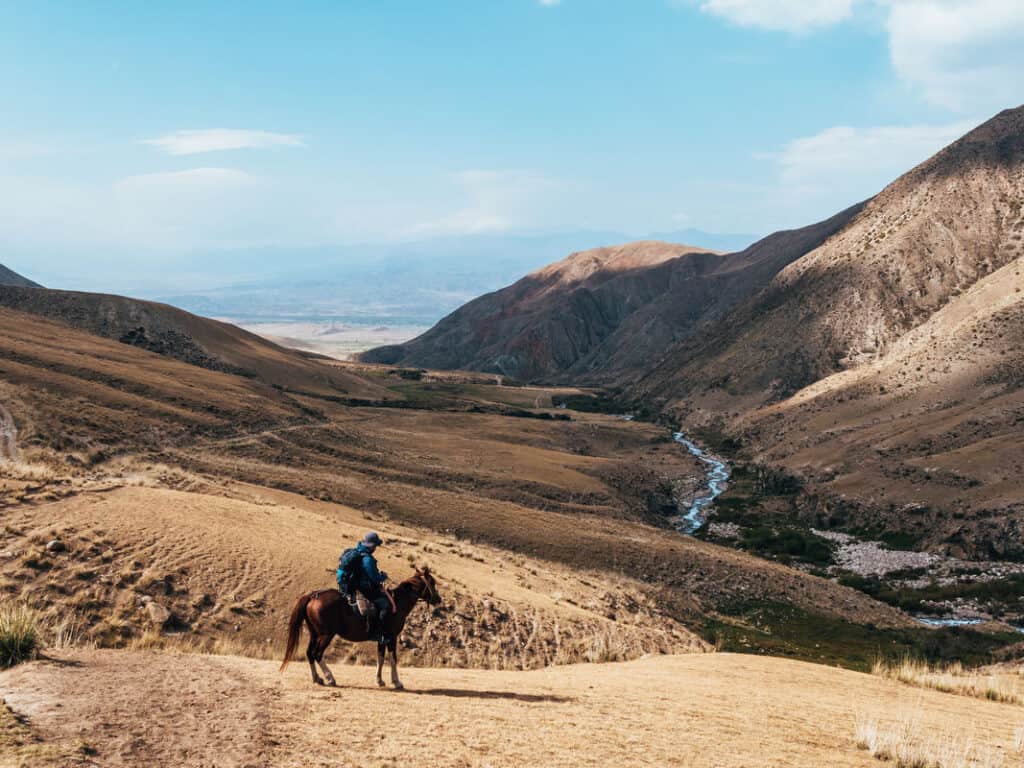
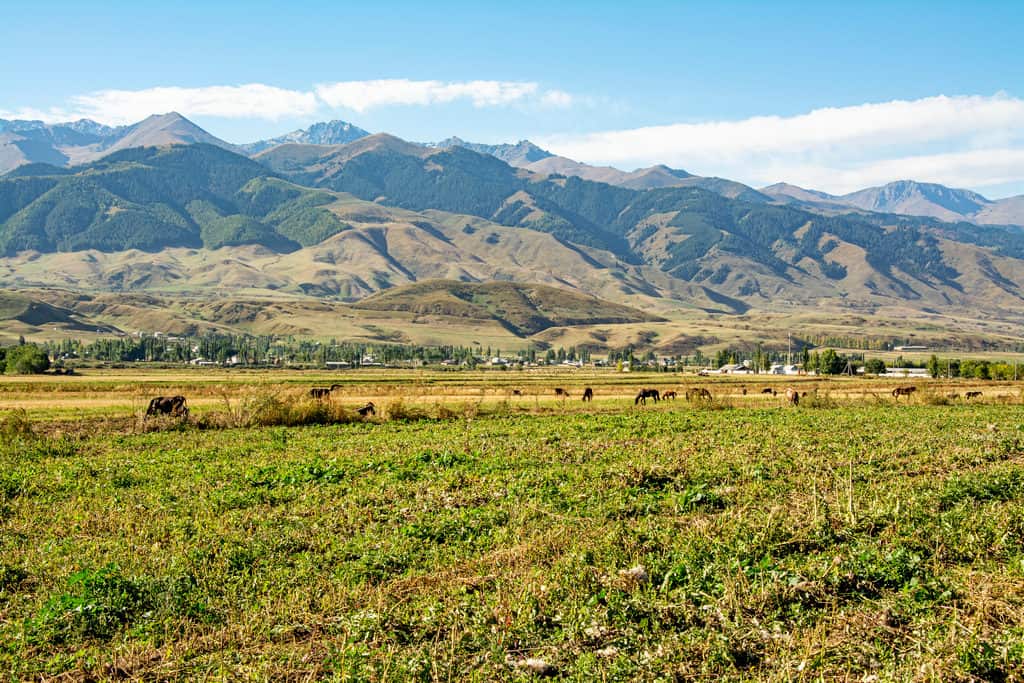
The Chon Kemin Nature Reserve sits 150 km east from Bishkek. It boasts roaring rivers, rocky gorges and alpine forests. Its terrain is abundant in possibilities for hiking, horse riding and all sorts of other outdoor sports.
Day trips on horse back in Chon Kemin
There are several trekking possibilities, from easy short walks along the Chong Kemin River to higher passes. It’s possible to camp in the reserve or stay with a family in a yurt camp so a horse trek can be a beautiful way to spruce up your trip.
If you need some advice about where to go and how best to make the most of your adventure, drop me an email!
Multi-day horse riding trips in Chon Kemin
Travel on horse back from Chon Kemin to Issyk Kul Lake. This four-day adventure packs in visiting the Burana Tower, Kol-Tor lake and Tamchy pass at 3,400 meters with your final stop at one of Earth’s largest mountain lakes: Issyk Kul.
This route is really great for those wanting a taste of Silk Road history while riding through some mighty landscapes. The tour is provided by Visit Alay who have guided me personally on several of my trekking trips in Kyrgyzstan.


8. Kel Suu Lake
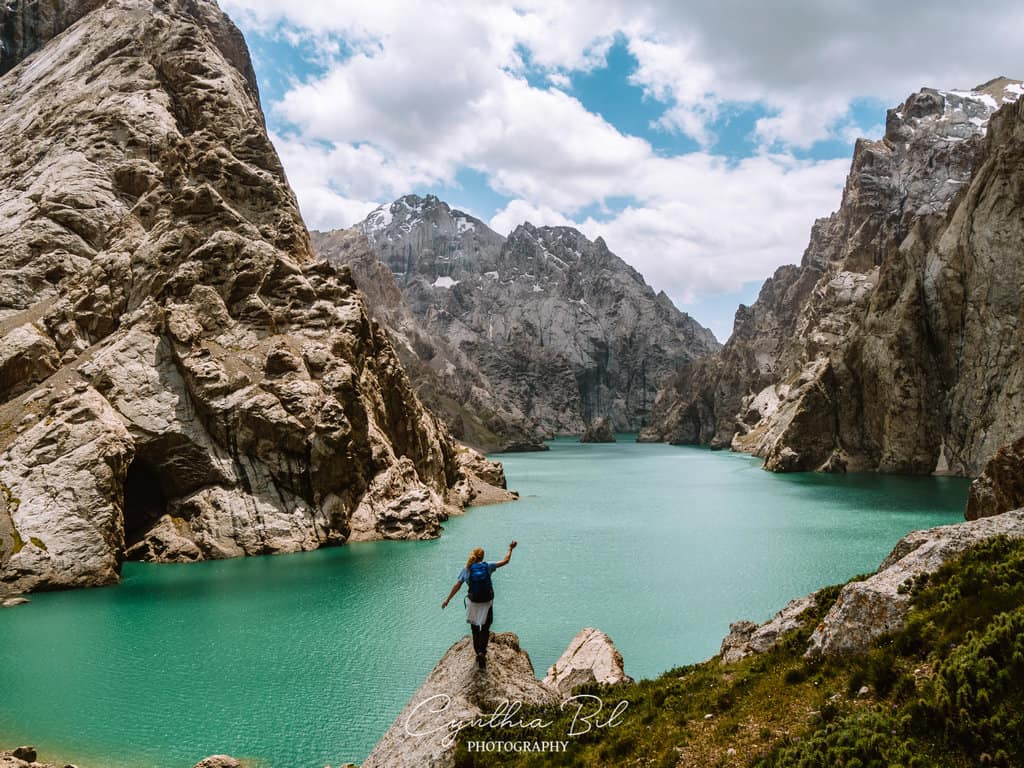
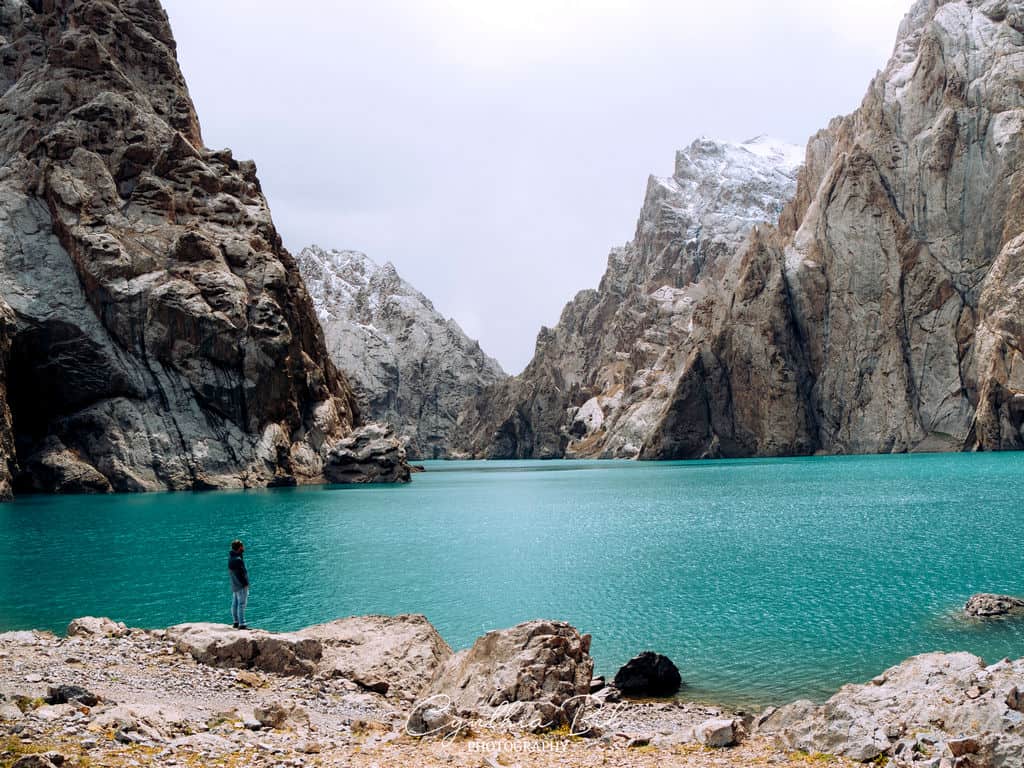
Kel Suu is a mighty jewel in the crown of Kyrgyzstan’s lakes. If you’ve had research online, you’ll be familiar with images of jagged rocks plunging into emerald waters. As secluded goes, it’s pretty up there.
Kel Suu is tucked in between in the Kakshaal Too mountain range in the At-Bashy district of the Naryn region. One thing you need to know is that Kel Suu is elusive (which makes it more impressive when you see it).
The Kel Suu water is held in place by a natural dam that was formed after a landslide in the 1980s. The natural dam is formed of soil and pebbles, so the water trickles through. This means there is a small chance in some years there will be no water there.
This place has such ethereal energy and I often hear comparisons to scenes from Lord of the Rings (sadly I can’t promise Aragorn on a horse though).

Important note: Due to Kel Suu’s location teetering with the border to China, you’ll need a permit. You can apply for a permit at least two weeks in advance by emailing the CBT in Naryn. Permits cost between 1,000 and 2,000 KGS and you will need a clear photo of your passport.
Day trip on horseback to Kel Suu Lake
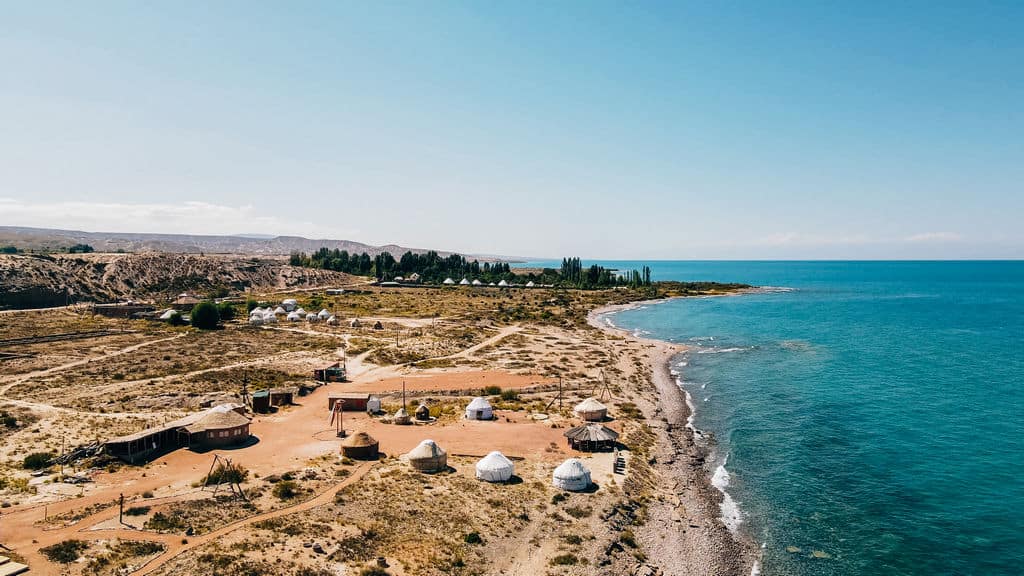
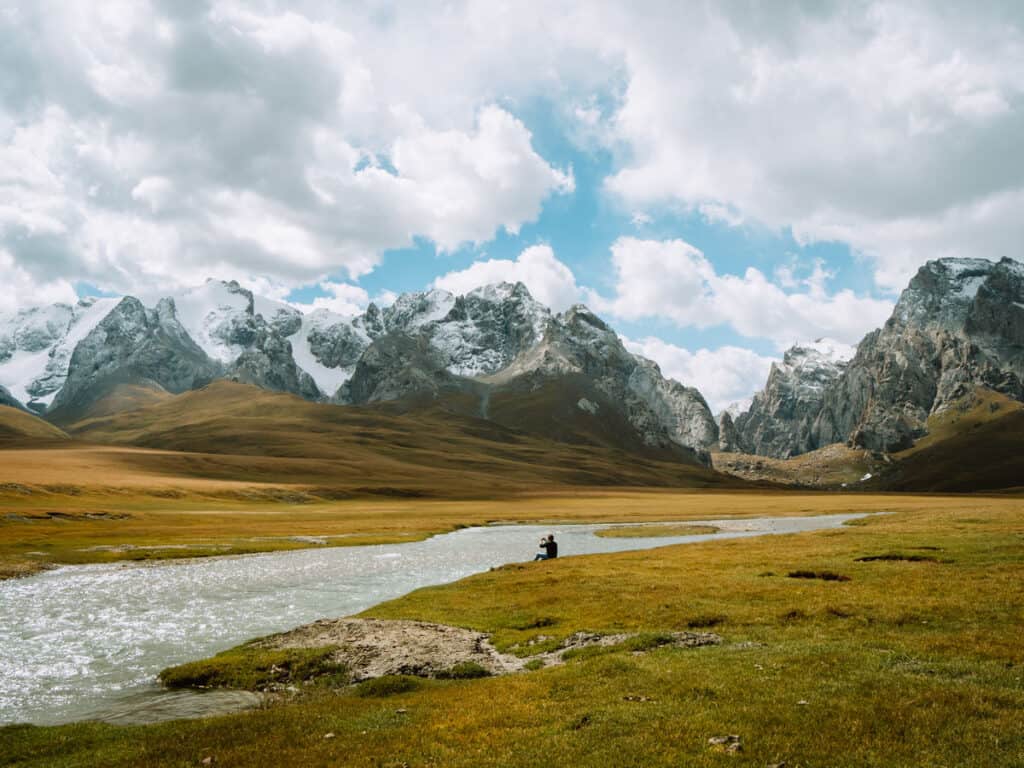
Half-day round trip from Kok Kiya valley to Kel Suu Lake. Kok Kiya Valley is worth it for the views alone. It’s nestled below towering 5,000-meter mountains and a river snakes alongside the yurt camps.
This route will take you past snow-cloaked peaks, rushing rivers and jailoo landscapes… which will beckon you in and you won’t want to leave!
Although this is a short trip, the trail passes over some steep faces so I’d recommend that beginners organize a few hours before the trip to get yourself used to being on a horse in mountainous terrain.
It is 1,000 KGS per horse and around 1,200 – 1,500 for a horse guide per group. You can organize it beforehand through a local tour company or on the spot with one of the yurt camps at the Kok Kiya Valley.

Multi-day horse riding trip to Kel Suu Lake
If you’re an intermediate or strong rider, the horseback tour from Naryn to Kel Suu lake is a beautiful route with a variety of terrain.
From Naryn, you’ll cross roaring glacial rivers and summit Bogoshty Pass at 3928 m, before heading to the final gift of Kel Suu. It takes three to five depending on how fast you like to travel on horseback and your capabilities.
Contact me if you’re interested in doing this tour!

9. Yrdyk Lakes
The Yrdyk Lakes are tucked away in Karakol Nature Park, one of the largest national parks in Kyrgyzstan.
Most people travel to this region to hike to Ala Kul Lake or visit the hot springs of Altyn Arashan, but barely anyone visits the 3 Yrdyk Lakes, named Ak kul, Karak kul and Zhashyl Kul. That’s because barely anyone knows that those three lakes are even there while it’s rather easy to get there.
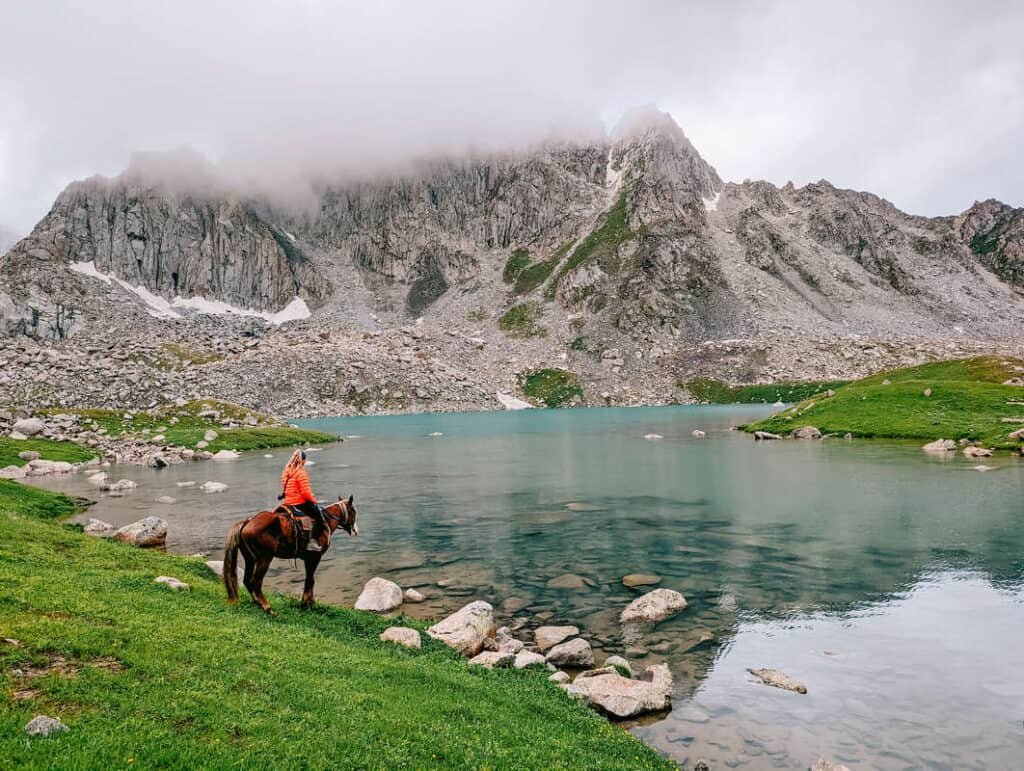
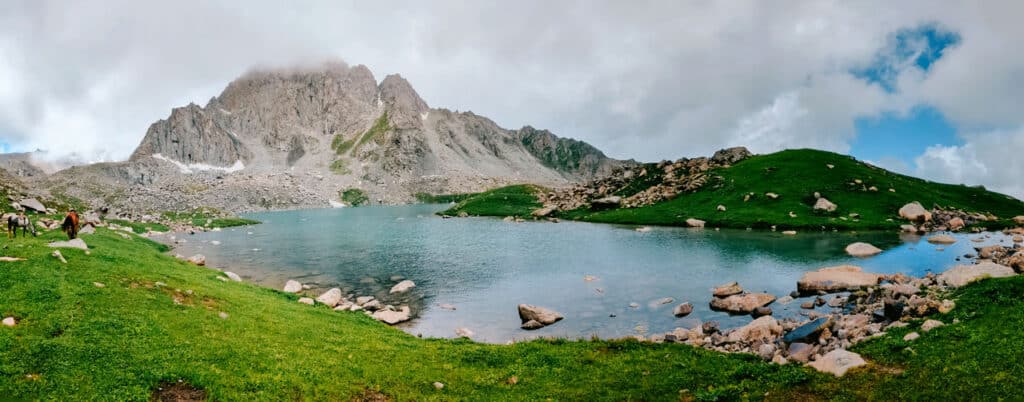
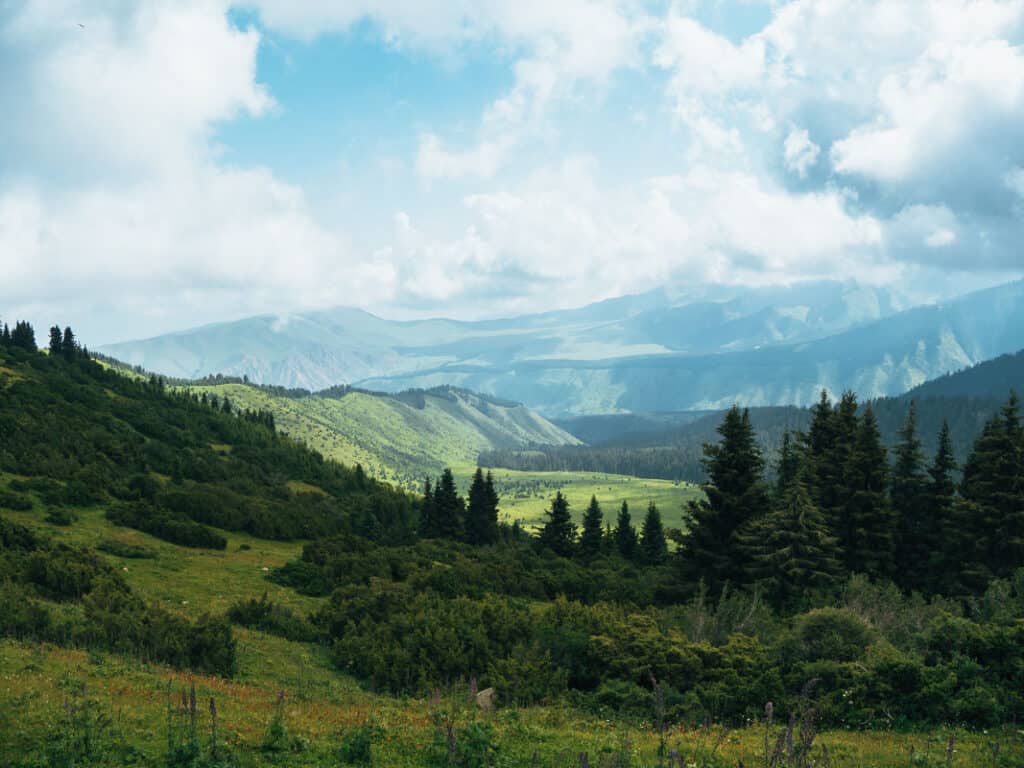
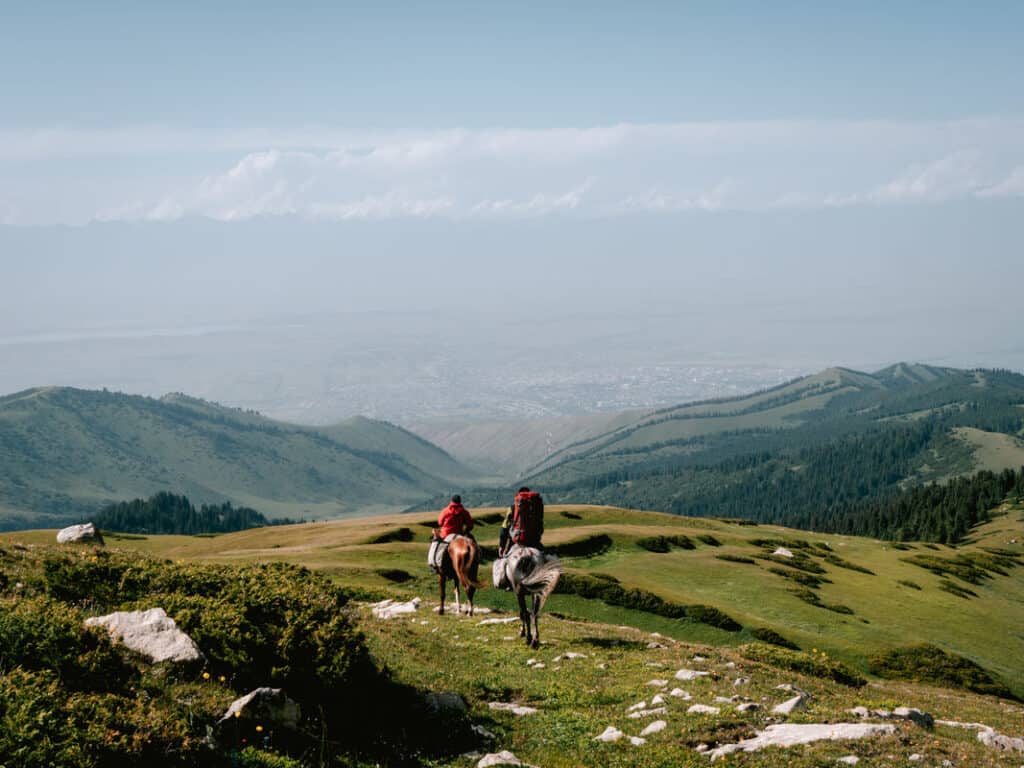
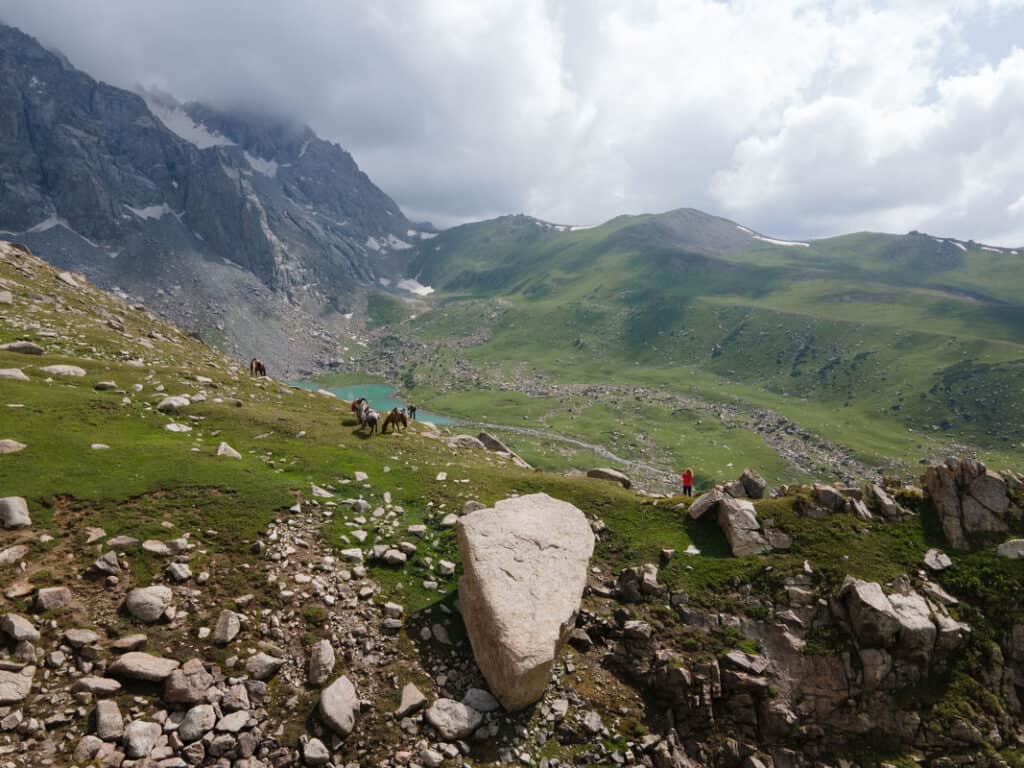
My friend Aydar from Hiking in Kyrgyzstan guided me there on a horse trip last summer. The first lake, Zhashyl Kul, is about 30km from Karakol and lies at an altitude of 3200m, surrounded by high cliffs. The other lakes are smaller, about an hour of riding from Zhashyl Kul.
Day trip on horse back to Zhashyl Kul
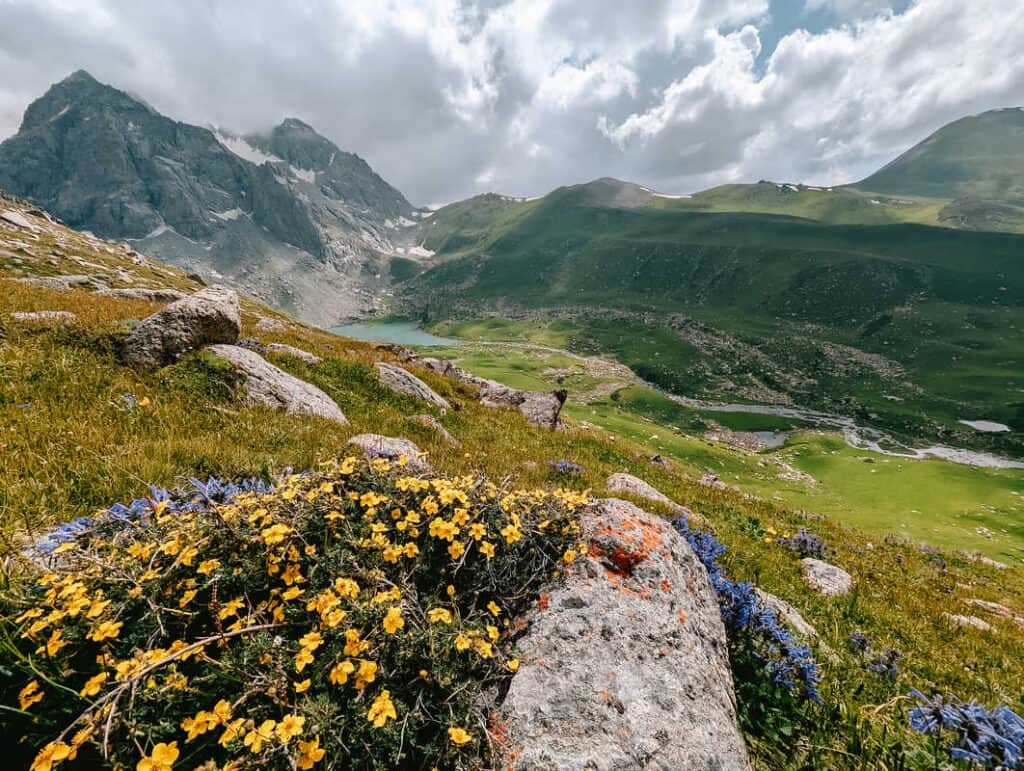
The 25,7km day trip to Zhashyl Kul starts near the entrance of Karakol Nature Park. You’ll ride along the Karakol River through the forest and gradually uphill through green pastures from where you see the mountains rising in the background, all the way to the turquoise lake. There’s also a viewpoint along the way with a panoramic view of lake Issyk Kul.
The only people you’ll meet are the few shepherds who spend the summer in a yurt or tent camp.

Multi-day horse trip to the Yrdyk Lakes
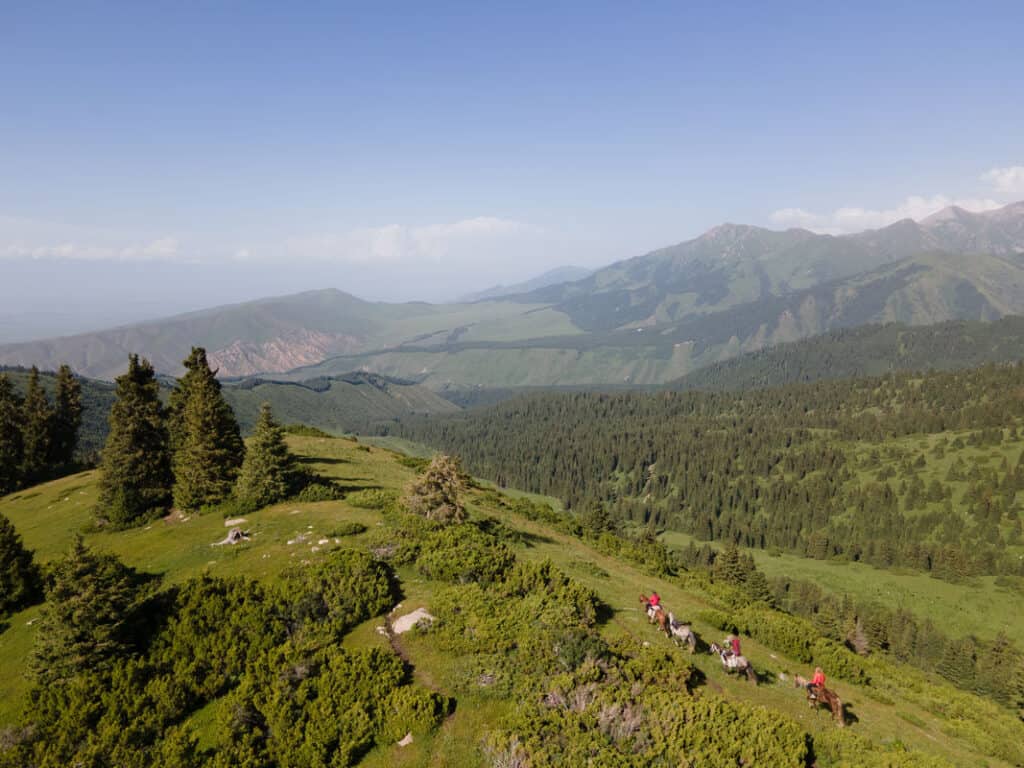
A 3-day horse riding trip to the Chelpek Valley and Yrdyk Lakes. The 77-km trip starts at Jeti-Oguz, one of the famous rock formations in Kyrgyzstan, and you’ll ride through the Valley of Flowers, the Chelpek Valley and Yrdyk Valley. You’ll visit the three Yrdyk Lakes and spend the night in tents so you get treated to stunning sunrise and sunset views over the lakes and valleys.
Aydarbek from Hiking in Kyrgyzstan will help you organize both trips mentioned above to the Yrdyk Lakes.
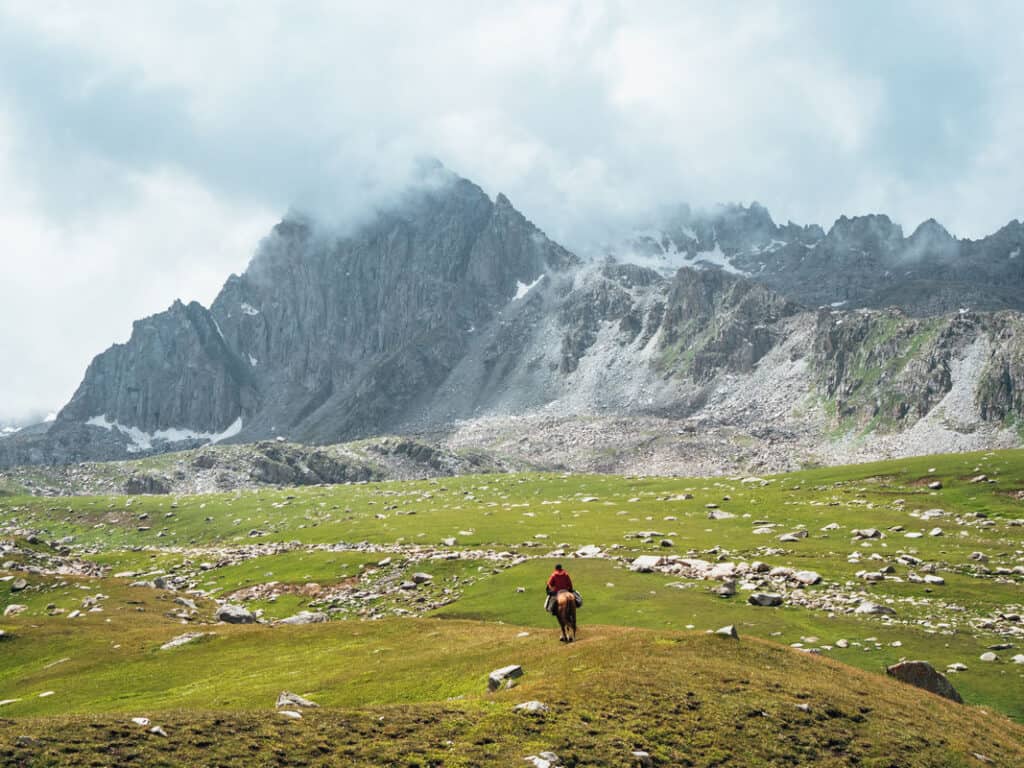
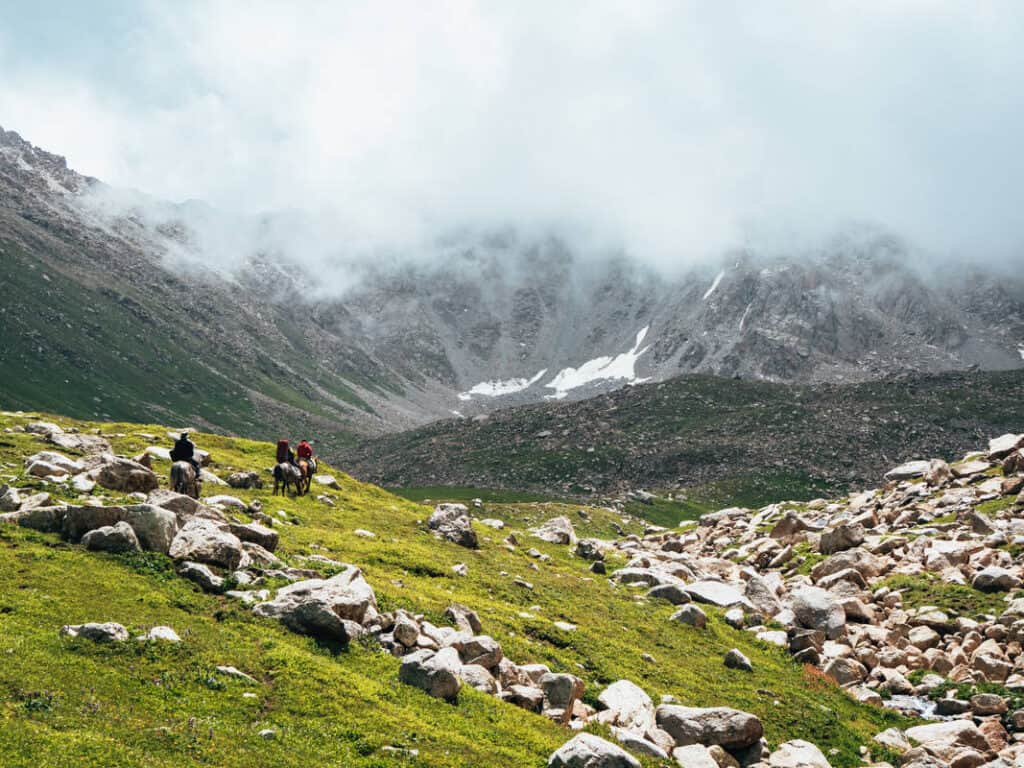
I hope this travel guide gave you lots of useful information and inspiration for your horse riding trip in Kyrgyzstan! If you have any questions or remarks, let me and other readers know in the comments below.
If you need help with organizing one of the above trips or you want a tailor-made horse riding tour in Kyrgyzstan, you’re always welcome to contact me.
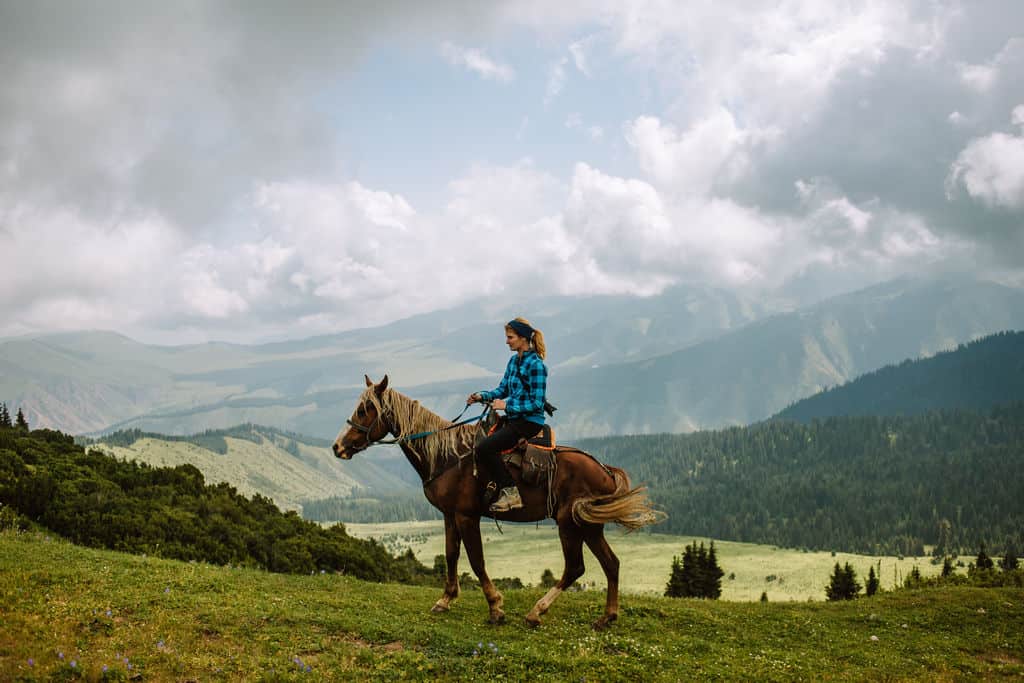
More about Kyrgyzstan

Kyrgyzstan Itinerary: The Ultimate 7, 10, 14 & 21-Day Travel Guide
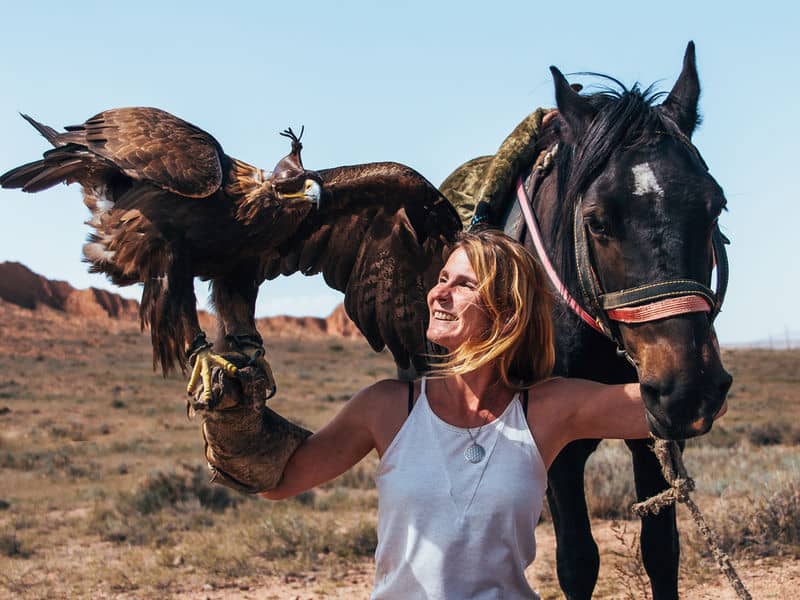
Why Visit Kyrgyzstan: 12 Reasons why I fell in love with this special country in Central Asia
The best things to do around Issyk Kul Lake in Kyrgyzstan: Highlights, Hiking & one-week itinerary

The Complete guide to the World Nomad Games 2026 in Kyrgyzstan

Naryn Travel Guide: 12 Best Hikes & top things to do in Naryn Kyrgyzstan
Kyrgyzstan Money Guide: Costs of Living and traveling in Kyrgyzstan in 2026
More Kyrgyzstan Travel Resources
- The Complete Travel Guide to Kyrgyzstan
- The 14 best hikes in Kyrgyzstan
- The 25 most beautiful places in Kyrgyzstan
- 8 beautiful lakes in Kyrgyzstan
- The 9 best horse riding destinations in Kyrgyzstan
- 15 useful safety tips for Kyrgyzstan
- The complete packing list for Kyrgyzstan
- 28 Things to do in Kyrgyzstan
- 13 Top Things to do in Bishkek – City Guide
- How to visit the Osh Bazaar in Bishkek
- 14 Top Things to do in Osh – City Guide
- 15 Best Things to do in Karakol – City Guide
- The 21 best hikes in Karakol and Jyrgalan
- Tash Rabat Travel Guide
- The complete travel guide to Kel Suu Lake
- The complete travel guide to Arslanbob
- How to visit Sary Chelek Lake and Nature Reserve
- Top things to do around Issyk Kul Lake, a one week itinerary
- Facts and legends of the Burana Tower
- Everything you need to know about horse riding to Song Kul lake
- A comprehensive guide to skiing in Kyrgyzstan
- 6 reasons why you should visit Kyrgyzstan in winter
- Visit Kyrgyzstan in winter by using this 10-day Kyrgyzstan winter itinerary
- Here are the 7 best hikes in the Alay Mountains near Osh
- Use this day-by-day itinerary to hike independently to Ala Kul lake
- Hike independently to Son Kul lake by using these 2 itineraries
- 8 great day trips and hikes near Bishkek
- Ready steady goat! An insight into Kok Boru, Kyrgyzstan’s unusual national sport
- Meet the Golden Eagle Hunters of Kyrgyzstan
Hi Cynthia,
I’ll be in Kirgistan in August with a friend and researching for horsetrekking options.
Would you say we should book in advance or are there options to book tours “spontaneous” upon arriving?
We are interested in a (around) 5 days tour or so and are also open to go on tours is less “touristy” areas. As I can’t imagine how busy it will be in August, would you say it is worth it to look for less touristy routes?
I’d be thankful for any tips or suggestions regarding planning the trip!
Thank you 🙂
Pia
Hi Pia, as August is one of the busiest months, I suggest booking ahead of time, as it would be a pity if no horses are available. It’s definitely worth looking into less touristy routes. Hope this helps!
Cynthina,
Thanks for your thorough breakdown of the different trips this beautiful land has to offer. I’m an inexperienced rider but am eager to learn and will probably try to ride at least once before I leave for Kyrgyzstan. That being said my plan is to get there in late September and into October. Zhashyl Kul or Kok Kiya Valley to Kel Suu LakeI are on the list and I’m worried that with the change in season, it will be too cold and wet making it impossible to go horseback riding. What are your thoughts?
Hi Eliza, Zhashyl Kul will be the best place to go by the end of September. Sent you an email 🙂