
I didn’t plan to fall in love with Kyrgyzstan. In fact, I never even planned to go there. It was only because of my friends who wanted to visit Kyrgyzstan that I entered the country in 2017 as an unexpected detour during my hitchhiking journey from Europe to Asia.
But that’s the thing about Kyrgyzstan: it doesn’t reveal itself in flashy ways. It sneaks up on you.
One moment you’re driving through a quiet mountain village, and the next you’re sharing tea with strangers who treat you like family. One day, you’re planning to stay five days, and suddenly, you’re still there one year later, building a life among mountains that feel endlessly alive.
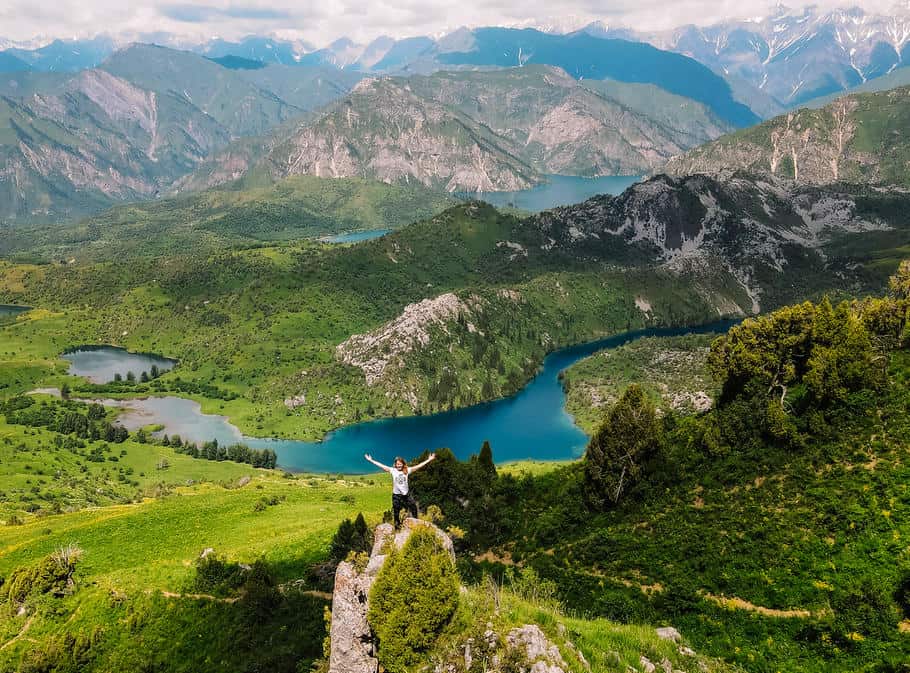
This is more than a travel guide. It’s a story of how Kyrgyzstan became one of the most unforgettable places I’ve ever explored, and why I believe it’s one of the most rewarding destinations for anyone seeking nature, adventure and culture.
Whether you’re wondering why one should visit Kyrgyzstan, what is Kyrgyzstan known for, or whether Kyrgyzstan is worth it, here’s my honest, experience-driven guide.
Tip: See my Kyrgyzstan Travel Page for a complete overview of all my travel guides and blog posts about Kyrgyzstan!
Dreaming of hiking through wild mountain landscapes, horseback riding across alpine pastures, sleeping in yurts, and exploring remote valleys by 4×4 with a small group of adventurous travelers?
Disclaimer: This posts might contain affiliate links, meaning that if you make a purchase through these links, I may earn an affiliate commission. Thank you for helping to support this website!
What Makes Kyrgyzstan so special?
Short answer? Kyrgyzstan is a rare blend of untouched nature, true nomadic culture, warm hospitality, wild adventure, and a feeling of freedom that’s hard to find in the world today.
From vast mountain landscapes to centuries-old traditions that are still part of daily life, everything here feels authentic, raw, and deeply alive, the kind of place that reminds you what real travel is supposed to feel like.
You want the long answer? Keep reading!


12 reasons to visit Kyrgyzstan
Is Kyrgyzstan worth visiting? Absolutely! This wild country in Central Asia offers far more than most travelers expect: from untouched mountain landscapes and living nomadic traditions to heartfelt hospitality and unforgettable adventures.
After spending years traveling and living here, these are the 12 reasons why visiting Kyrgyzstan will change the way you see travel, and why it remains one of the most rewarding and underrated destinations in the world.
1. Kyrgyzstan is one of the last places with a living nomadic culture
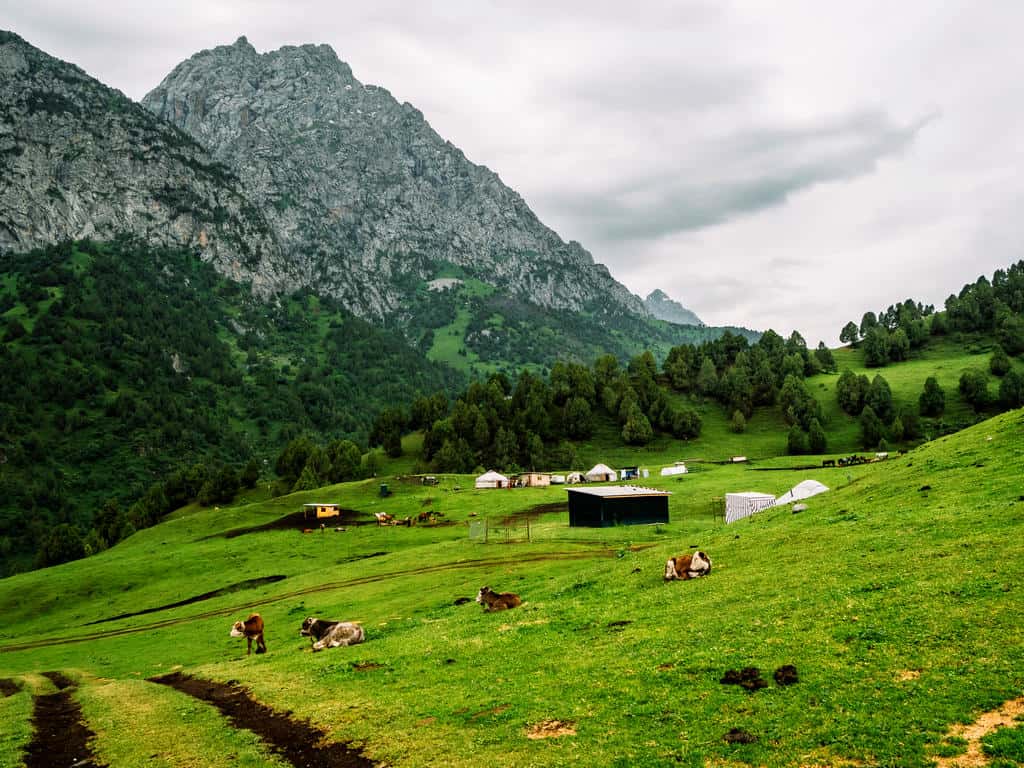
Before coming to Kyrgyzstan, I didn’t really expect nomadic life to still be part of everyday reality. I was genuinely surprised to see people living in yurts, shepherds moving with their herds between seasonal pastures, and horses being used as a normal means of transport.
More than once, I ended up stuck in a very Kyrgyz traffic jam while shepherds casually herd hundreds of sheep or horses down from the jailoos. You just sit there, waiting, slightly confused and very entertained.
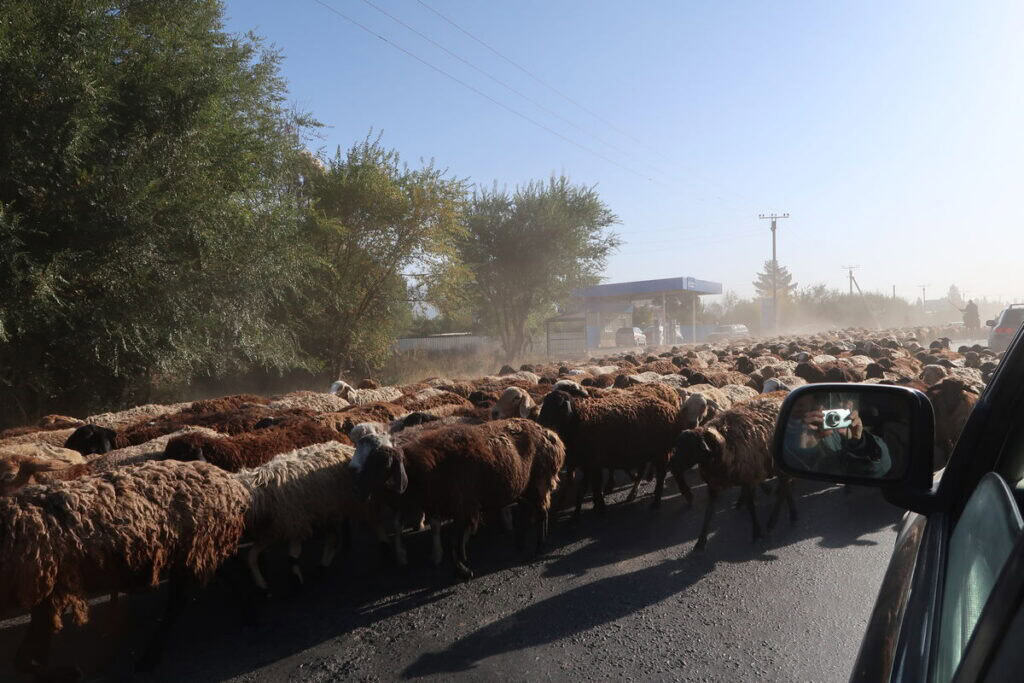
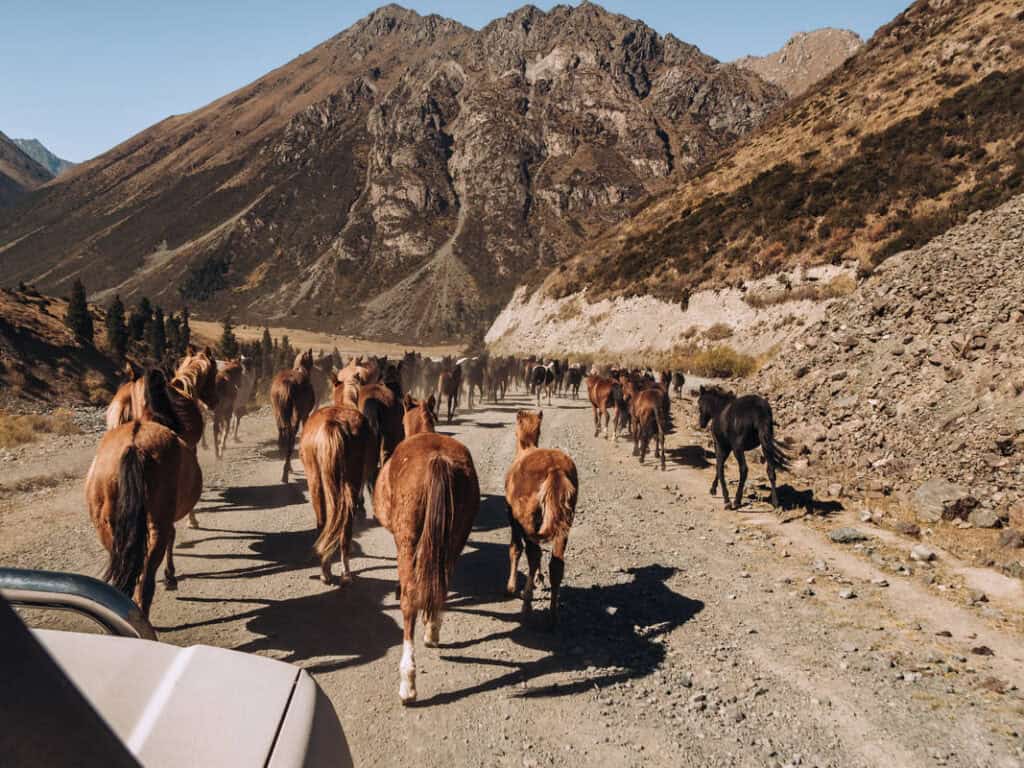
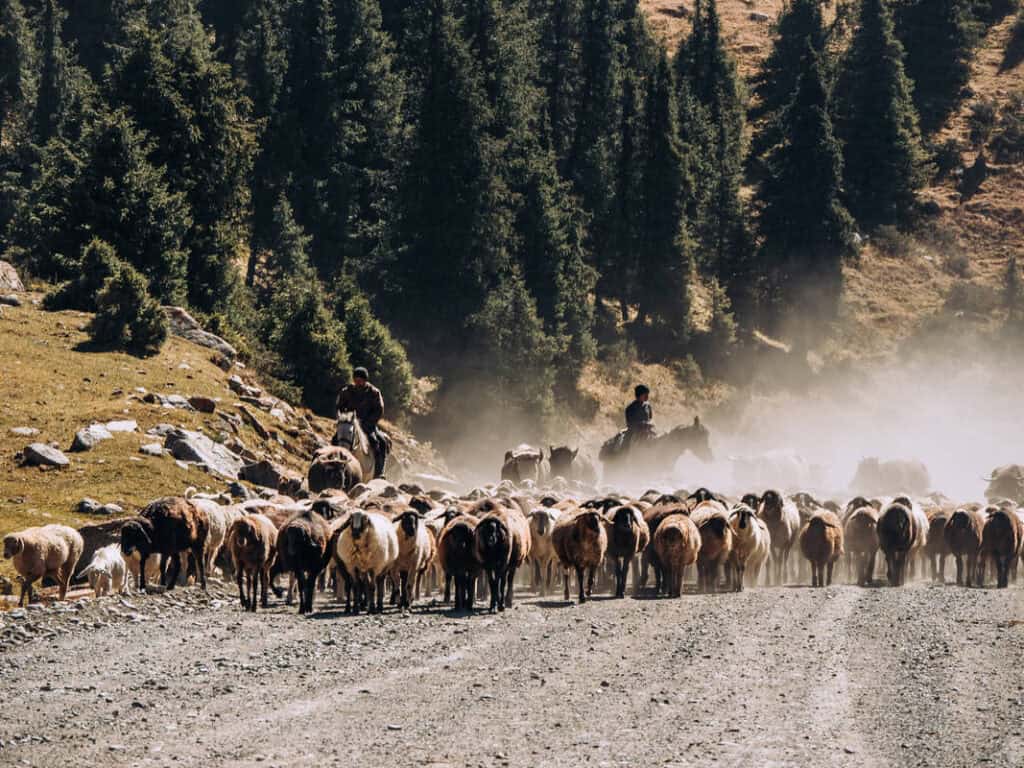
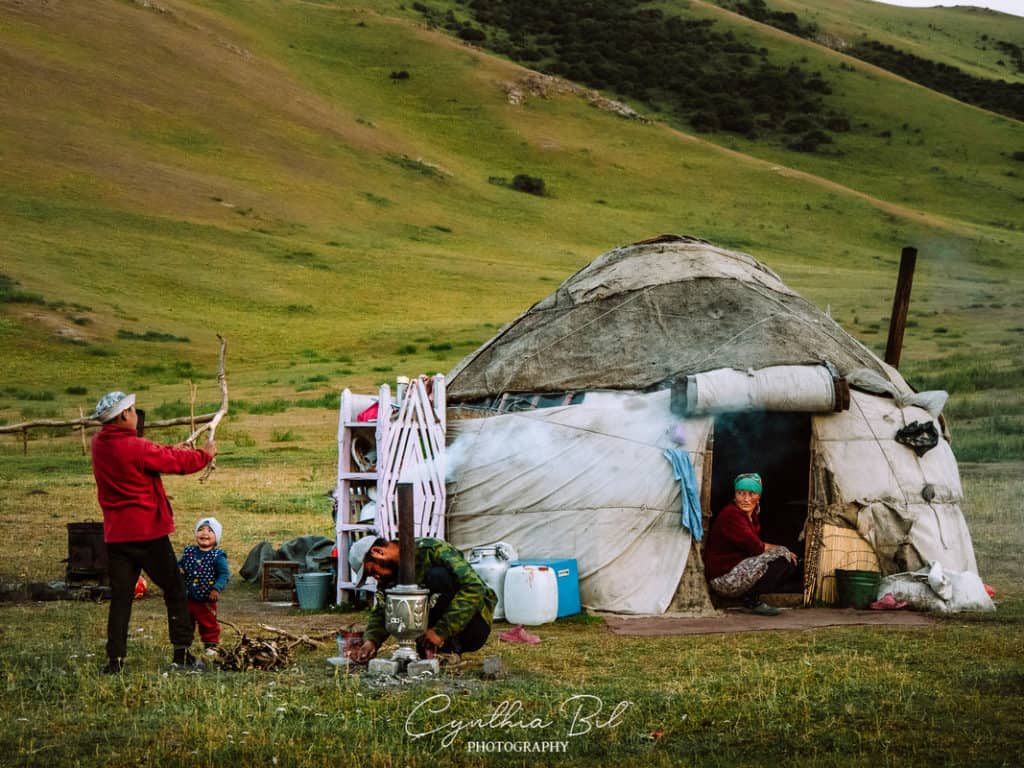
People still move to the mountains with their herds every summer and live in yurts or tents for months at a time, not as a re-enactment for tourism purposes, but because that’s simply how life still works here.
Horses are a normal part of daily routine, whether it’s for getting around, working, or keeping an eye on livestock. You might spend the day watching sheep block the road and end it sitting inside a yurt, drinking tea next to a crackling stove, surrounded by mountains and complete silence.
It’s in moments like that, somewhere between mild inconvenience and unexpected comfort, that you realize you’re witnessing something genuinely rare: a way of life that has survived enormous change and is still quietly, stubbornly holding its ground.
2. Nature in Kyrgyzstan Is incredibly beautiful
I’ve traveled for over 12 years across countless countries, yet Kyrgyzstan’s landscapes remain some of the most breathtaking I’ve ever seen! With 93% of the country covered in mountains, it feels like stepping into a world shaped entirely by nature.
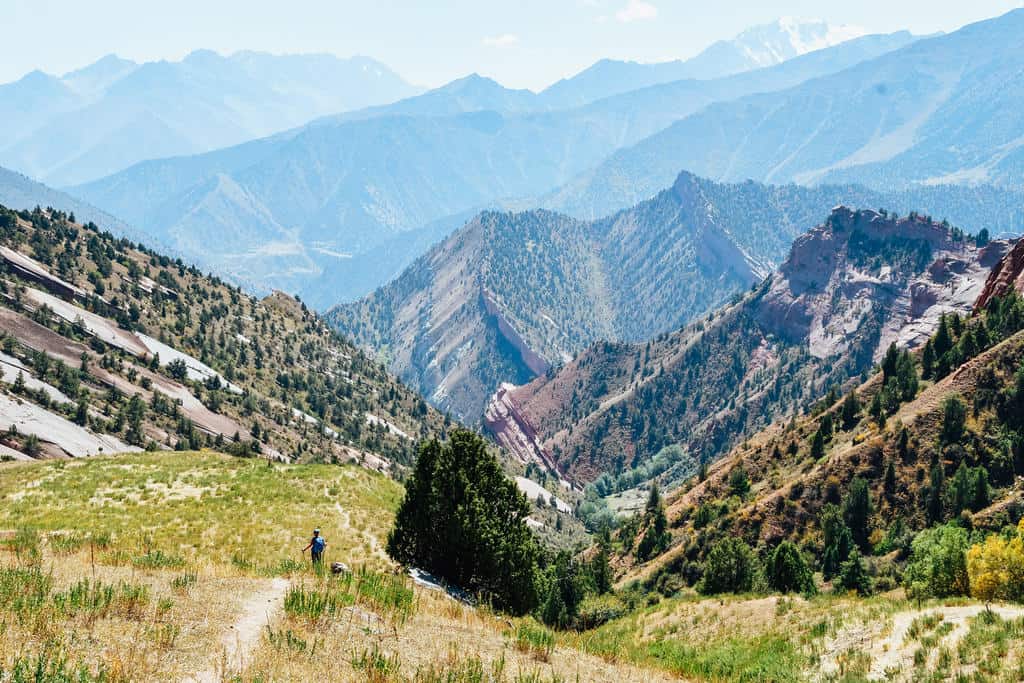
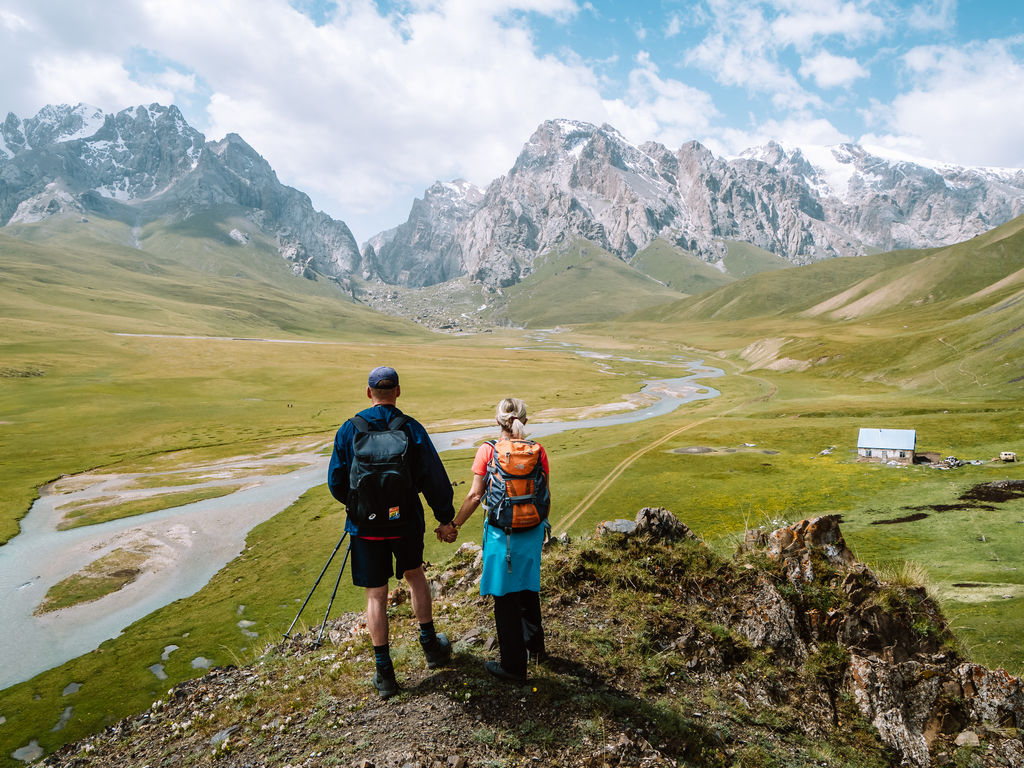
Think alpine lakes as clear as glass, glaciers and snow-capped peaks towering overhead, rolling green jailoos where shepherds graze their animals in summer, meadows bursting with wildflowers, dramatic red-rock canyons, and remote valleys so quiet you can walk for hours without seeing another person.
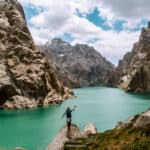
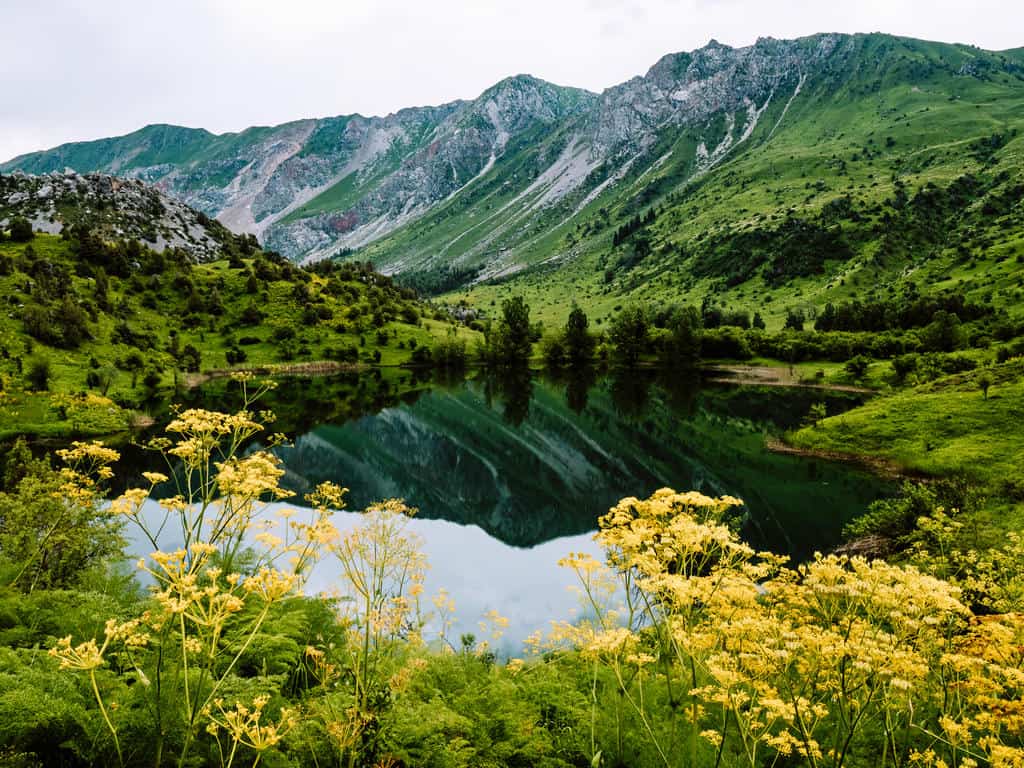
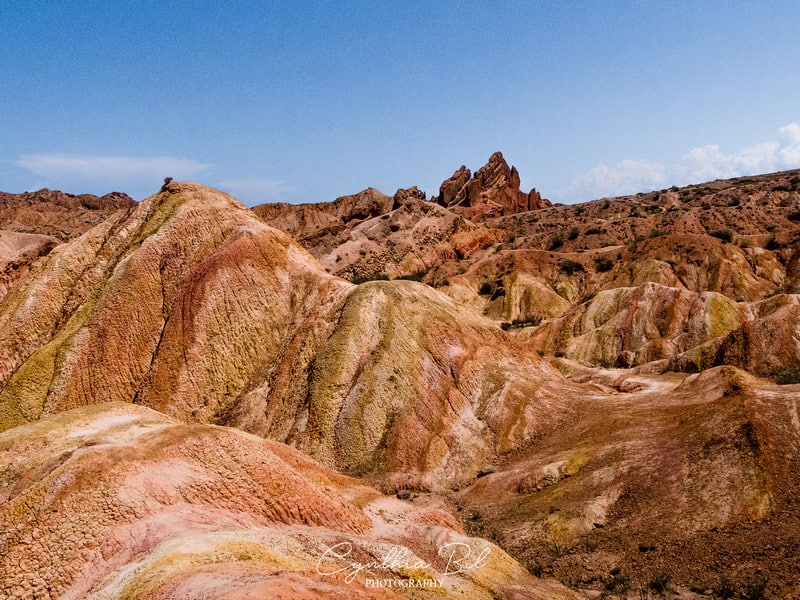
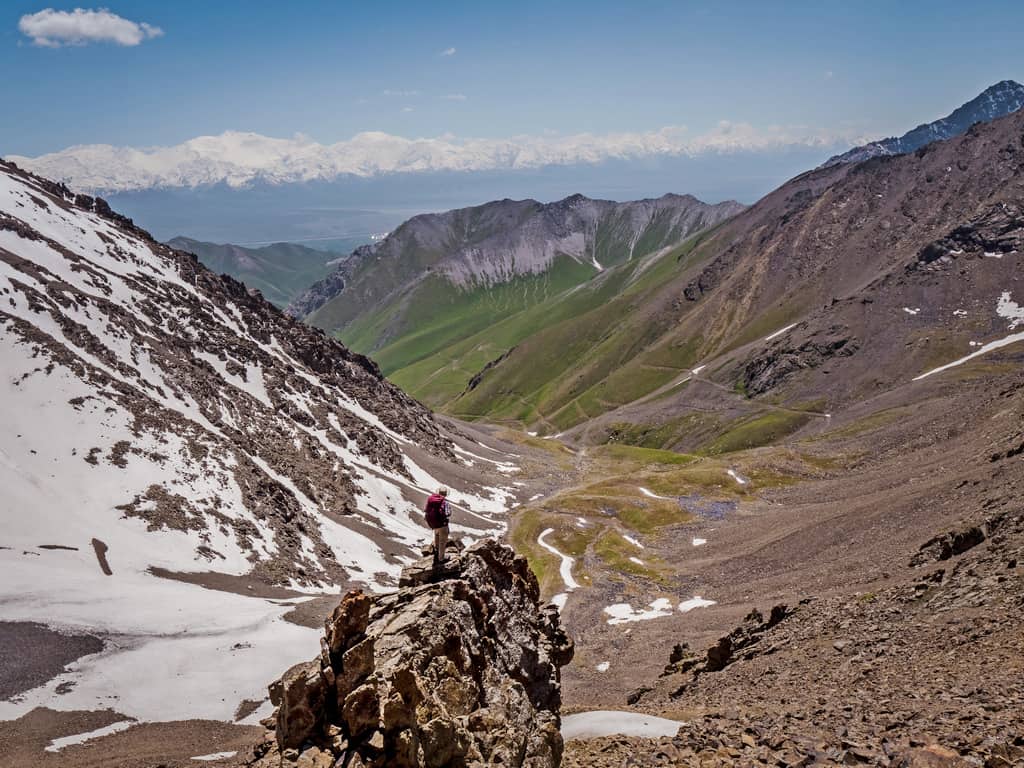
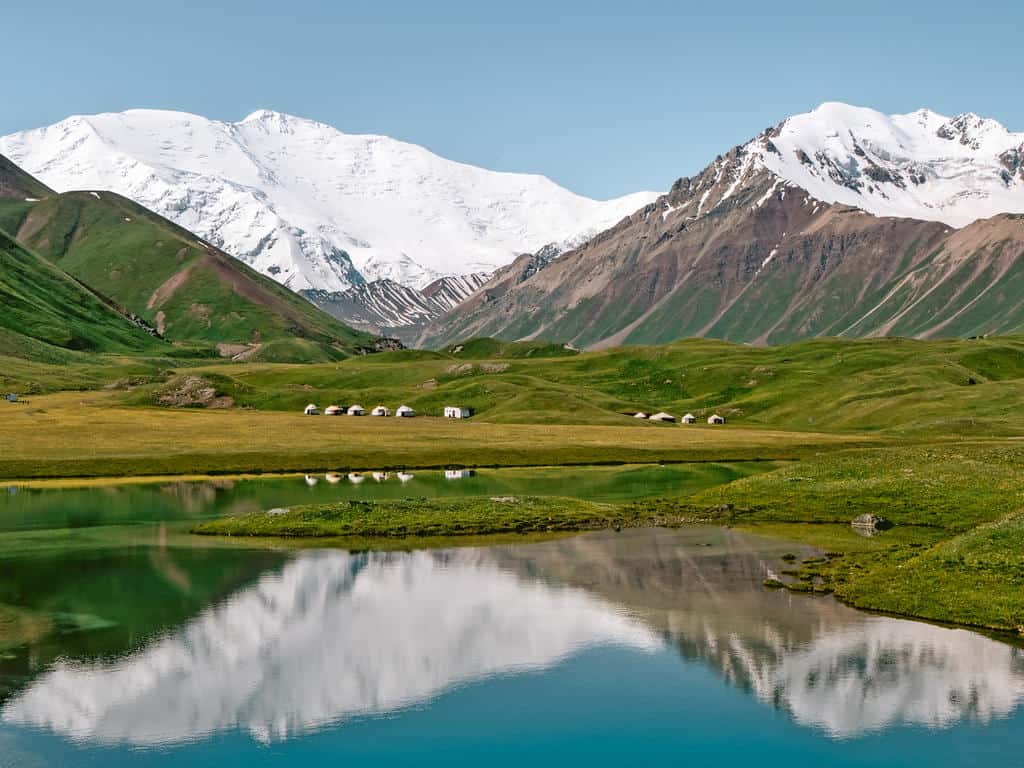
Every region has its own personality, some wild, some gentle, some ready to test your fitness and your dignity. Here are some of my favorite places.
Song Kul Lake, where time slows down and horses have the right of way
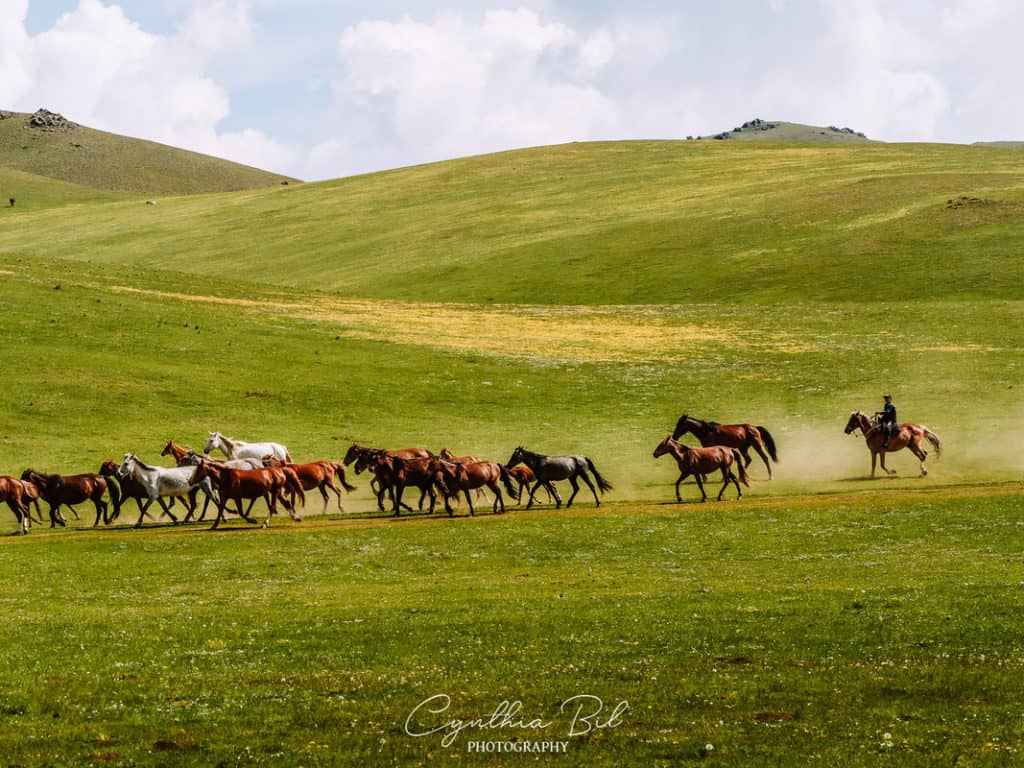
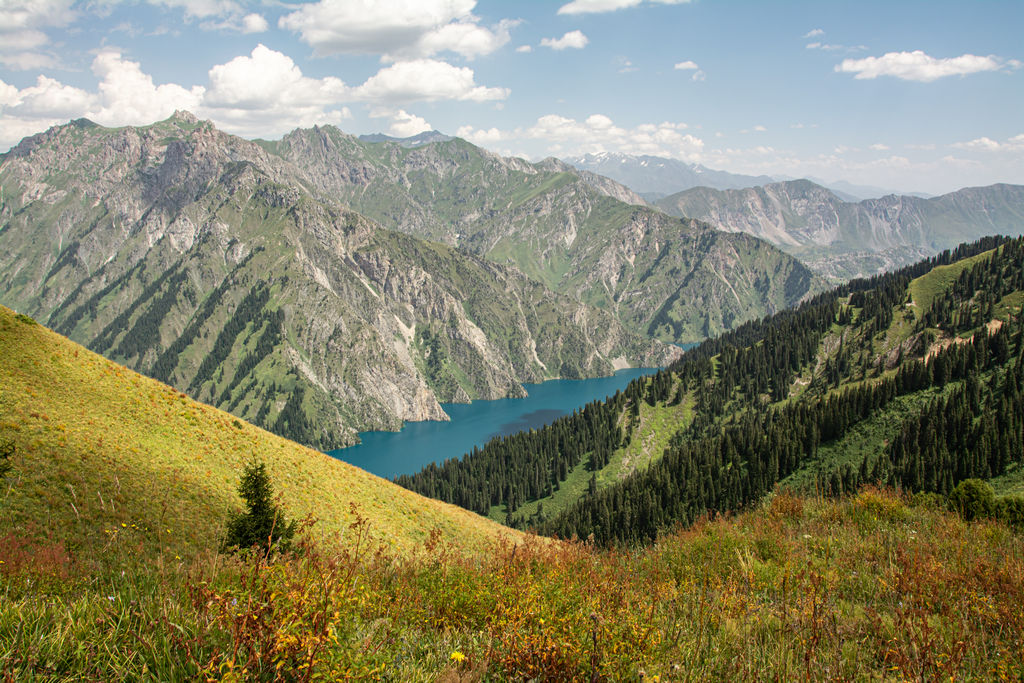
Song Kul is a huge alpine lake sitting at 3,000 meters, surrounded by soft rolling plains where nomadic families spend their summers. Mornings begin with golden light spreading across the grasslands, evenings end under a sky full of stars that really overdo it, and all day long you’re sharing space with horses who seem convinced they own the land (and honestly, they kind of do…).
Life at Song Kul moves at the gentle pace of the mountains. With no noise, no stress, and no distractions except the occasional sheep drama, it’s easy to forget the outside world exists.


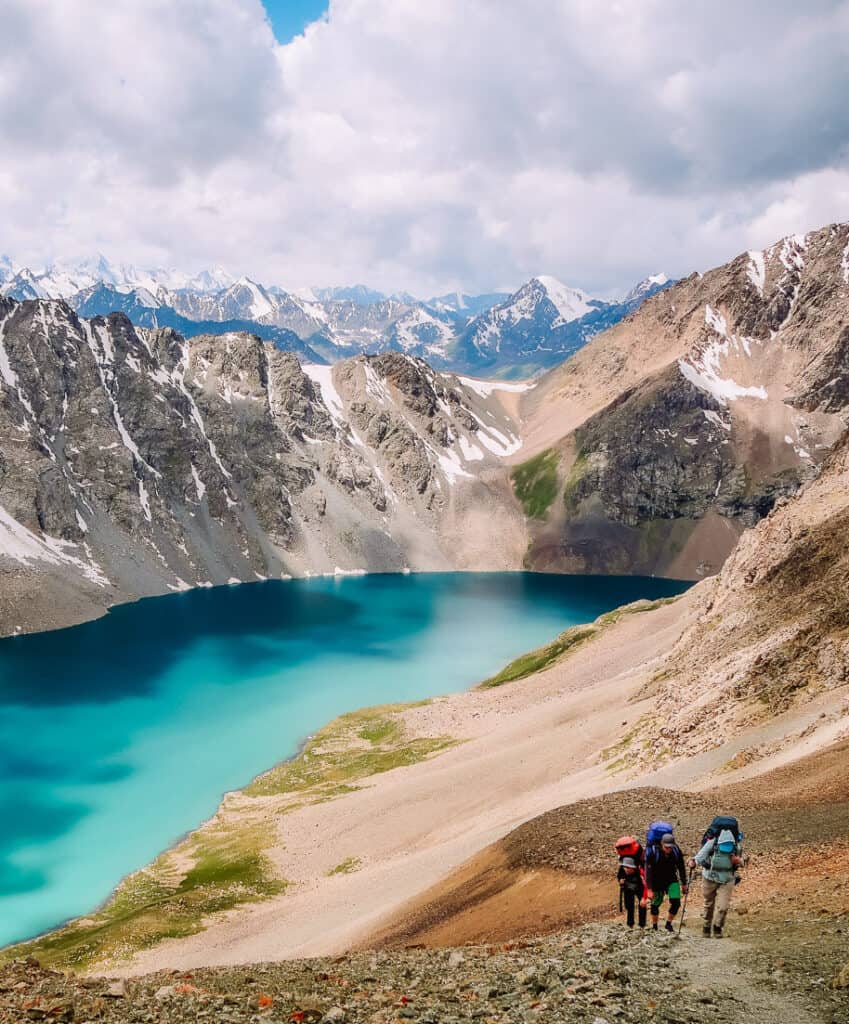
Ala Kul, the turquoise lake you crawl up a mountain for (And Don’t Regret)
If Kyrgyzstan had a dramatic diva of a landscape, it would be Ala Kul. Hidden high in the Tian Shan range, this brilliant turquoise lake only reveals itself after a steep, rocky trek that will make your legs question your life choices. But once you reach the top and see that electric-blue water surrounded by jagged peaks, every complaint evaporates.
Ala Kul is one of the best trekking experiences in Kyrgyzstan, not because it’s easy, but because it rewards you with a view that looks like nature showing off.


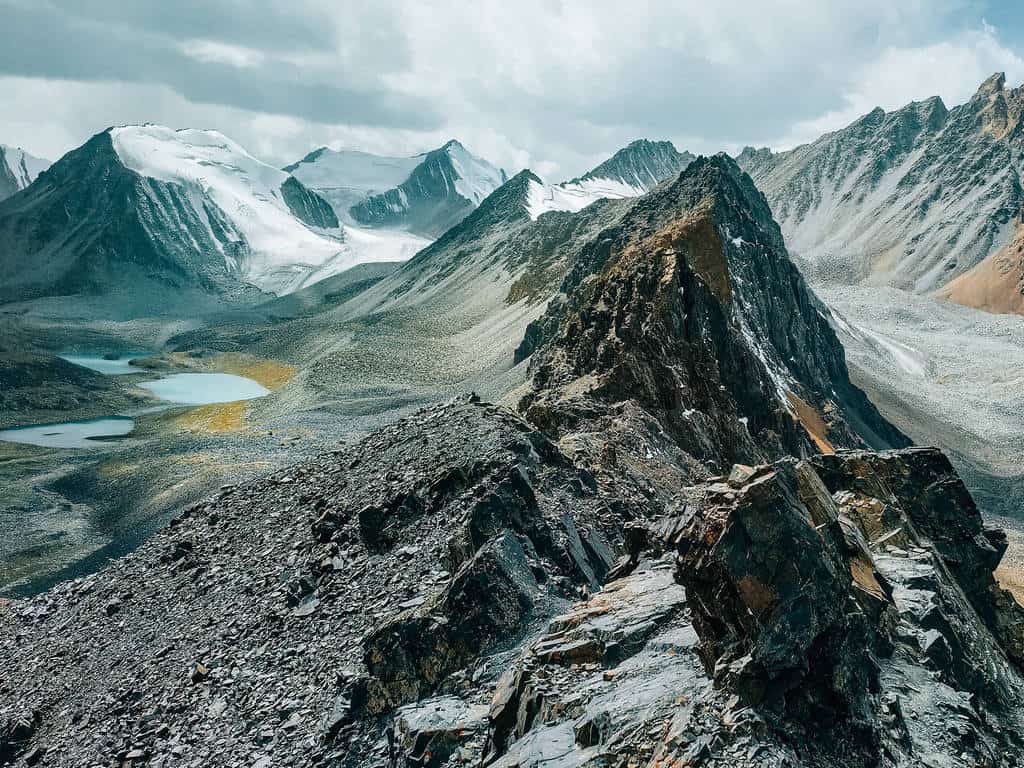
Alay Mountains, raw, rugged, and wildly underrated
The Alay Mountains are where Kyrgyzstan says, “Let me show you something real.” Stretching toward the border with Tajikistan, this region is all about sweeping valleys, endless ridgelines, snow-dusted peaks, and skies permanently in dramatic mode.
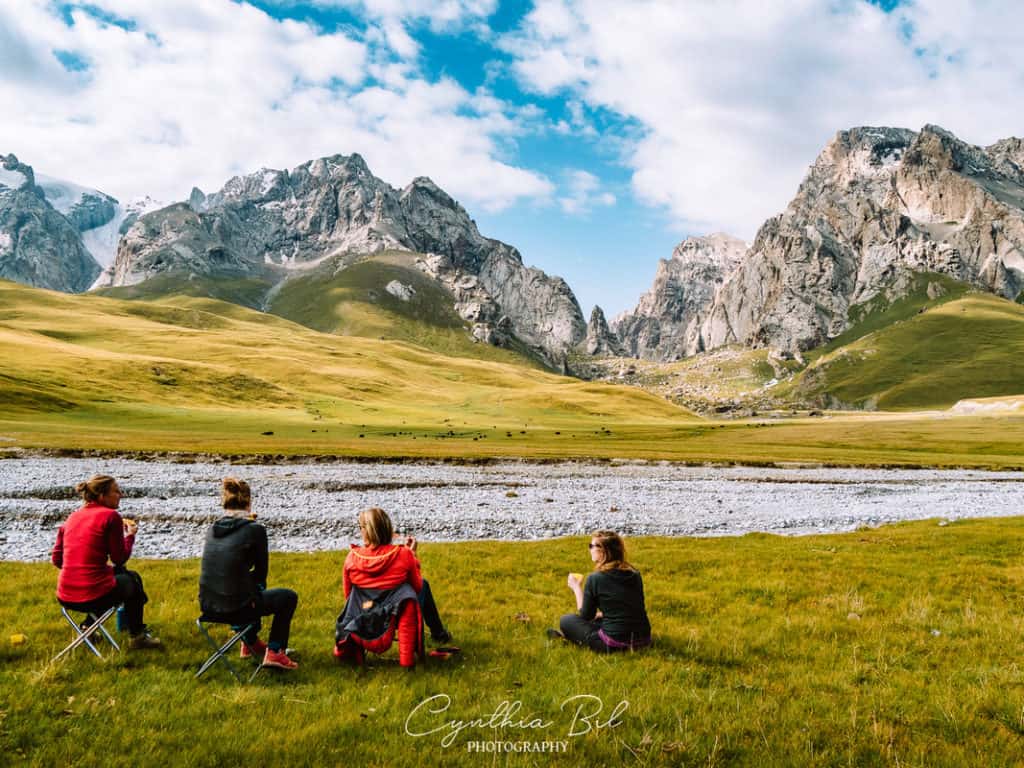
It’s quiet here: not the peaceful silence of a lake, but the deep, humbling silence of truly wild terrain. You hike past herds of yaks, stumble upon remote nomadic camps, and suddenly find yourself whispering “wow” like you’re in a documentary you were wildly underqualified to narrate.
For adventurous travellers, the Alay region is one of the best places to visit in Kyrgyzstan.


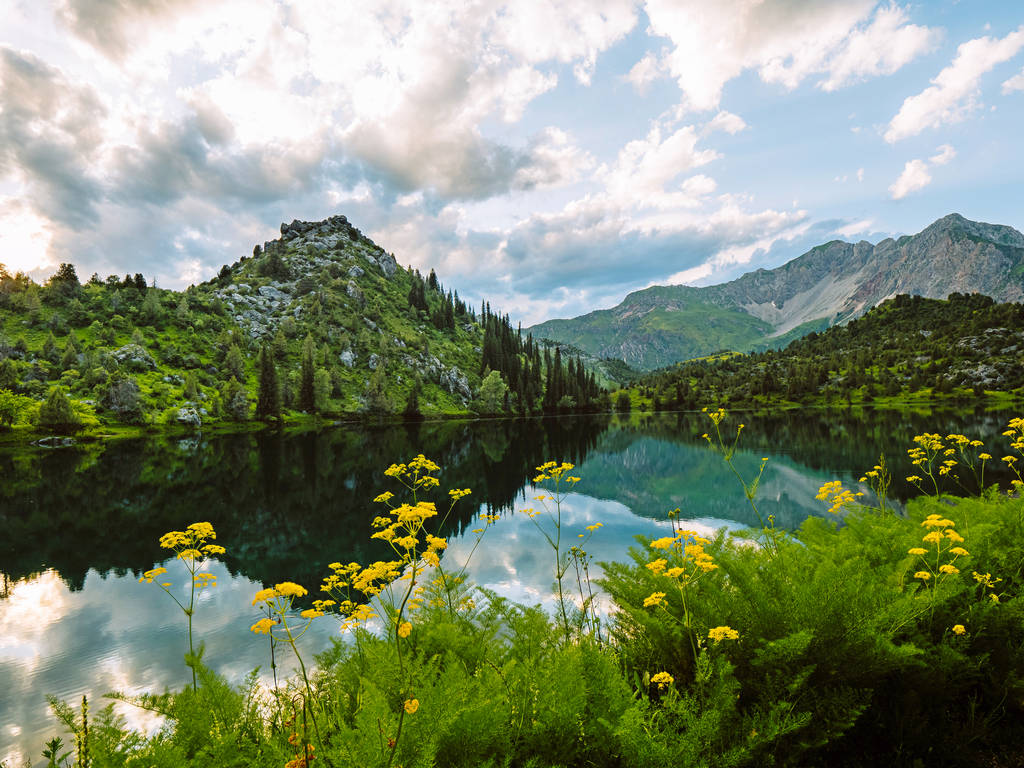
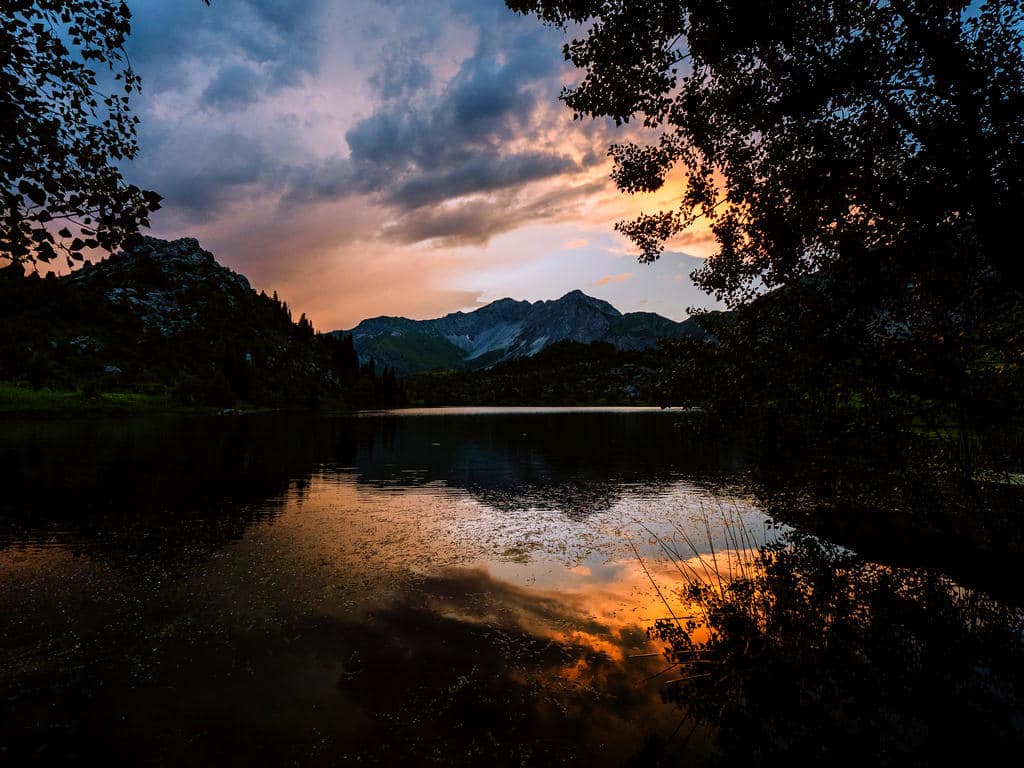
Sary Chelek, Kyrgyzstan’s Hidden Fairytale
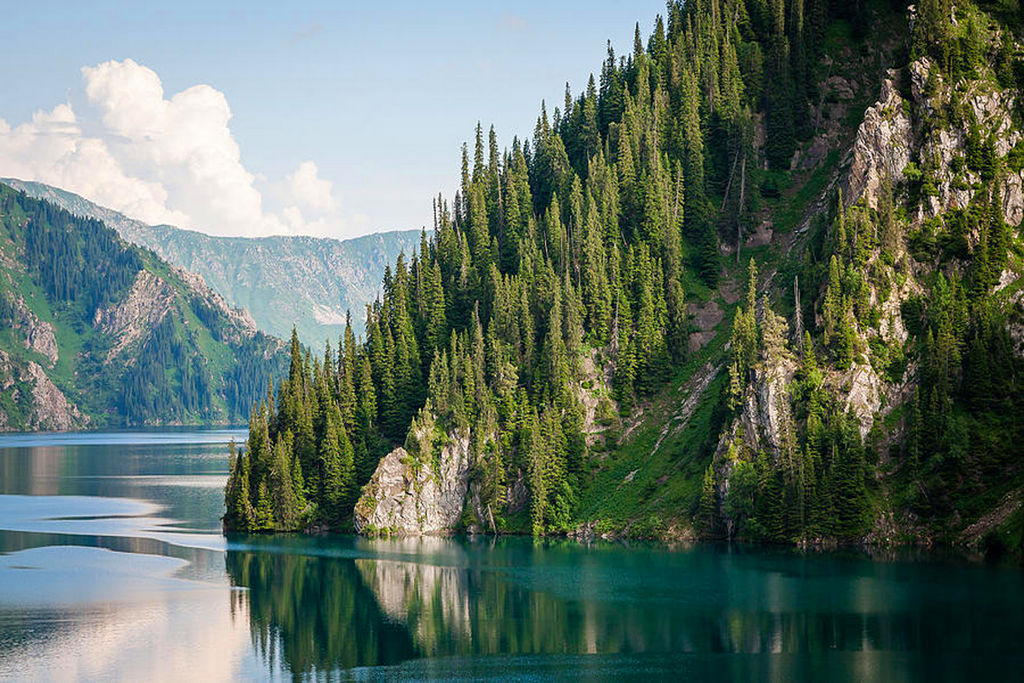
If the rest of Kyrgyzstan is bold and dramatic, Sary Chelek is its soft, poetic side. This UNESCO Biosphere Reserve cradles deep-blue lakes surrounded by forests, orchards, wild cliffs, and meadows that feel like someone sprinkled magic on them.
It’s greener here, calmer, almost suspiciously peaceful, the kind of place where you wander slowly, breathe deeply, and briefly convince yourself you could take up painting.
When the sun hits the water just right, the main lake glows gold, and you suddenly understand why Kyrgyzstan is often called one of Central Asia’s natural wonders.

3. Kyrgyzstan is the perfect destination for adventure travelers
If you love adventure, then you should definitely visit Kyrgyzstan. The entire country is built for adventure!
Kyrgyzstan is one of the few places left where adventure still feels raw, unfiltered, and wonderfully unpredictable. You’re not just sightseeing, you’re stepping directly into the heartbeat of a nomadic culture shaped by mountains, horses, and the weather’s occasional mood swings. Some of the best adventures in Kyrgyzstan include:
- Multi-day trekking through wild valleys where the only traffic jam is a herd of sheep deciding they own the trail.
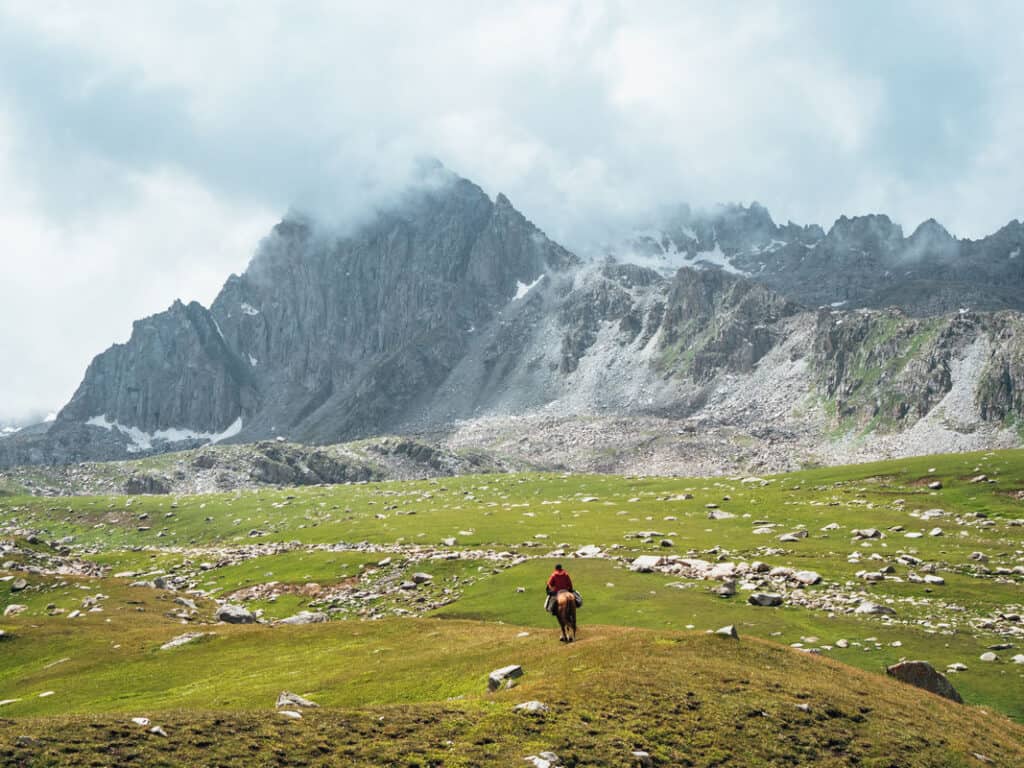
- Horse trekking with local guides who ride with the confidence of people who learned balance long before they learned to walk.
- Sleeping in remote yurts, warmed by crackling stoves and surrounded by the kind of silence you didn’t realize you were craving.
- High-altitude camping under galaxies of stars that look Photoshopped (but aren’t).
- Off-road expeditions that turn simple mountain passes into full-on “Did we seriously just drive over that?” moments.
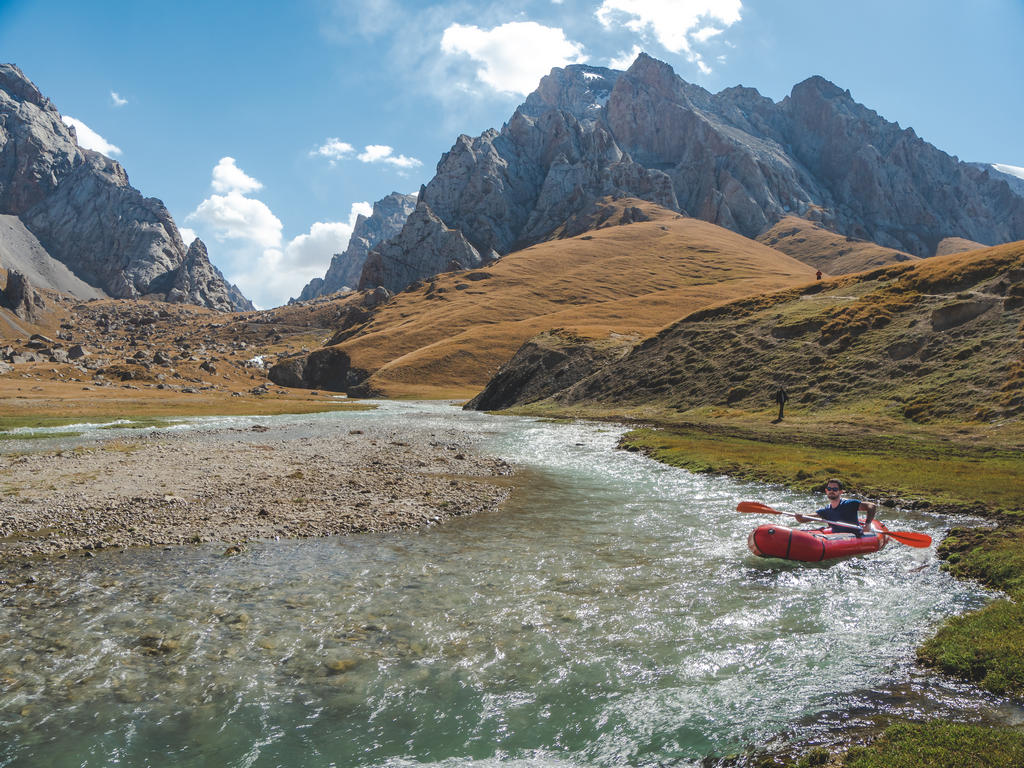
- Packrafting and rafting down rivers that twist through dramatic gorges.
- Ski touring in winter, when the mountains become a powder paradise.
- Overlanding through high mountain passes, where every turn looks like a new desktop wallpaper waiting to happen.
What I love most is that adventure here never feels packaged or commercial. You’re not just “doing a trek.” You’re stepping into the rhythm of the land, following old nomadic paths, crossing icy rivers, pausing to let your horse drink from mountain streams, and sharing warm meals with shepherds who welcome you like old friends.
Dreaming of hiking through wild mountain landscapes, horseback riding across alpine pastures, sleeping in yurts, and exploring remote valleys by 4×4 with a small group of adventurous travelers?

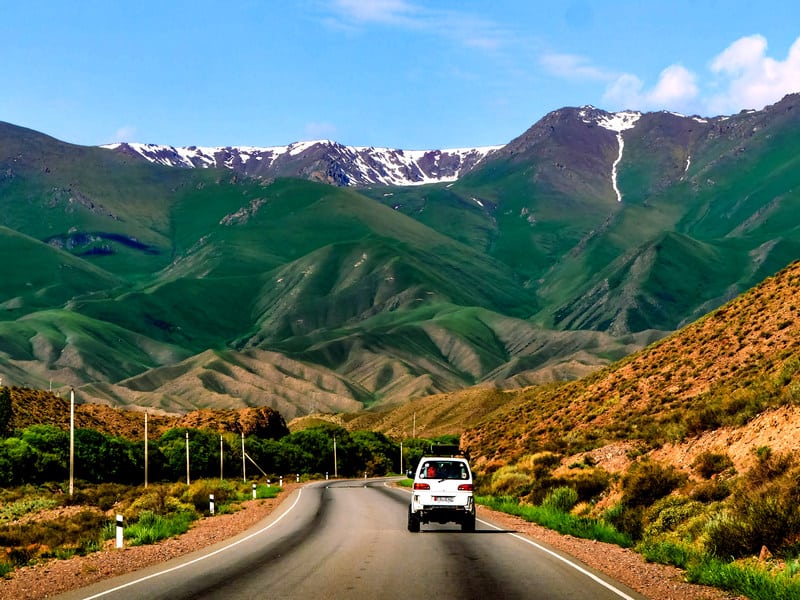
4. Kyrgyz hospitality is genuine, warm, and unforgettable
From the very first night I arrived in the country, I was met with a level of hospitality that felt almost unreal.
As it was a spontaneous trip while coming from Kazakhstan, we didn’t have local currency, no place to sleep, and were simply hoping to find a quiet corner of a village to pitch our tents.
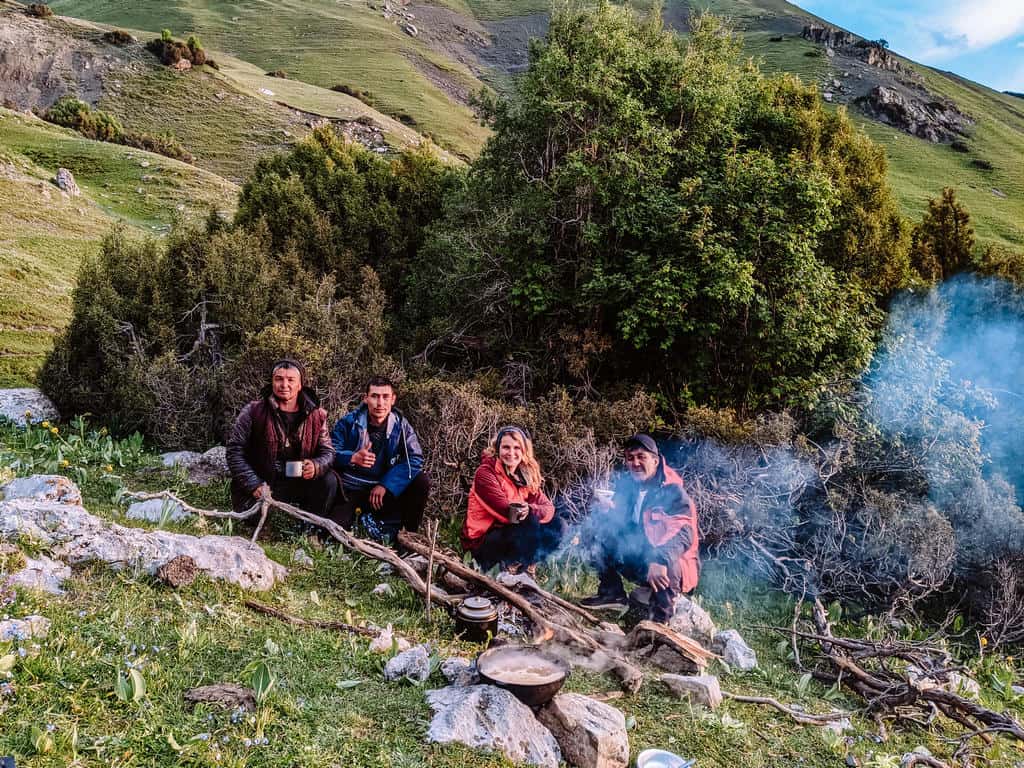
When we asked a man where we could set up our tents, he didn’t point us to a field; instead, he immediately invited us into his home. That evening, his wife cooked us a big dinner, they called their neighbours to join, and welcomed us with the warmth usually reserved for family. And that first experience was only the beginning…

Throughout my time in Kyrgyzstan, I was invited into countless homes and yurts for tea, bread, and long conversations, even when my language skills were limited to enthusiastic gestures and a hopeful smile.
Strangers helped me navigate mountain roads, celebrate holidays, pick wild apples on the roadside, and understand the traditions that shape everyday life here. People don’t help because they expect anything in return, they help because hospitality is part of their identity.
It carries centuries of nomadic values: the belief that a guest is a blessing, that sharing what you have makes the world safer and kinder for everyone.

5. You can witness the ancient art of Eagle Hunting
Seeing a golden eagle up close is one of those moments that rearranges something inside you. Standing just a few meters away from a bird with eyes sharp enough to spot prey kilometers away and talons strong enough to crush bone, you can feel its power before it even moves.
But what struck me even more was understanding the role these eagles play in nomadic life. For centuries, Kyrgyz hunters have raised their eagles from a young age, caring for them, training them, and eventually returning them to the wild. It’s a partnership built on respect, not dominance, and an unspoken understanding between human and bird.
Eagle hunting in Kyrgyzstan is thousands of years old, passed down from father to son. Despite what many travelers assume, it’s not a performance created for tourists.
When you see a berkutchi release his eagle into the wind, you’re witnessing a living piece of history. Watching that bird glide effortlessly over the mountains, wings stretched wide against the sky, is a majestic and humbling experience. In that moment, you understand that this tradition is not just about hunting, it’s about honoring a connection to nature that most of us have long forgotten.


6. Experience nomadic life by staying in a yurt
A traditional Kyrgyz yurt is far more than a place to sleep. It’s a masterpiece of nomadic engineering, cultural symbolism, and art.
Long before cities existed, yurts were designed to survive the extreme climates of the Tian Shan mountains while remaining portable enough to follow grazing herds.
Every piece has purpose: the felt made from pressed sheep’s wool keeps the interior warm in winter and cool in summer; the wooden lattice walls fold like an accordion for easy transport; and the structure is held together without a single nail.

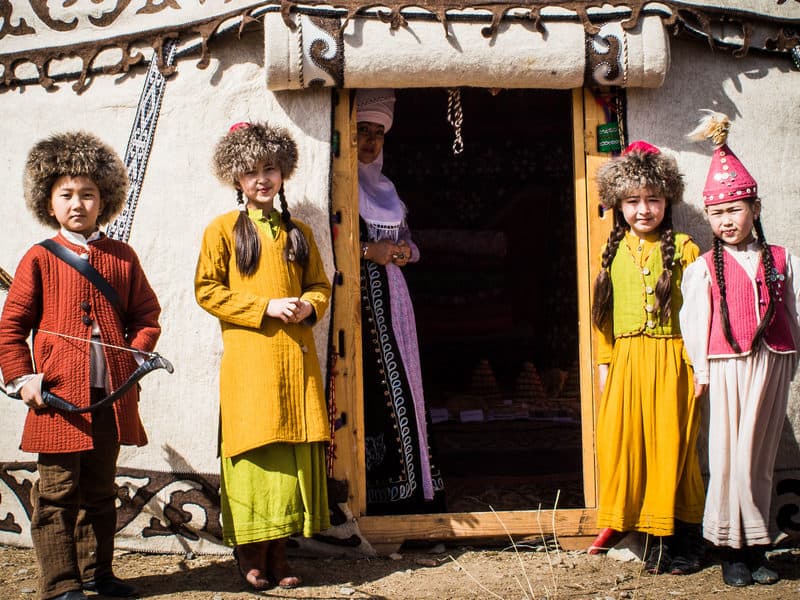
At the very top is the tündük, the circular crown of the yurt, representing the sun, the heavens, and family. It’s so central to Kyrgyz identity that it’s depicted on the Kyrgyz national flag, a reminder that home is not a fixed place, but a circle of life, light, and belonging carried with you wherever you go.

When you understand this history, stepping into a yurt feels like stepping into centuries of tradition, shaped by resilience and a profound connection to the land.
Sleeping inside a yurt is one of the most peaceful experiences you can have in Kyrgyzstan. Whether you stay in a rustic shepherd’s yurt or a comfortable camp set up for travelers, they all share the same familiar atmosphere.
It’s the perfect balance of wilderness and comfort, a chance to experience nomadic life not as a performance, but as it has been lived for generations.


7. Horses are the heartbeat of the Kyrgyz culture
Kyrgyzstan is, in every sense, a horse nation. Horses aren’t just animals here, they’re companions, co-workers, transport, status symbols, and extensions of daily life woven into the fabric of nomadic identity.
Children often learn to ride before they can properly walk, perched confidently on small, sturdy horses as if born with reins in their hands.
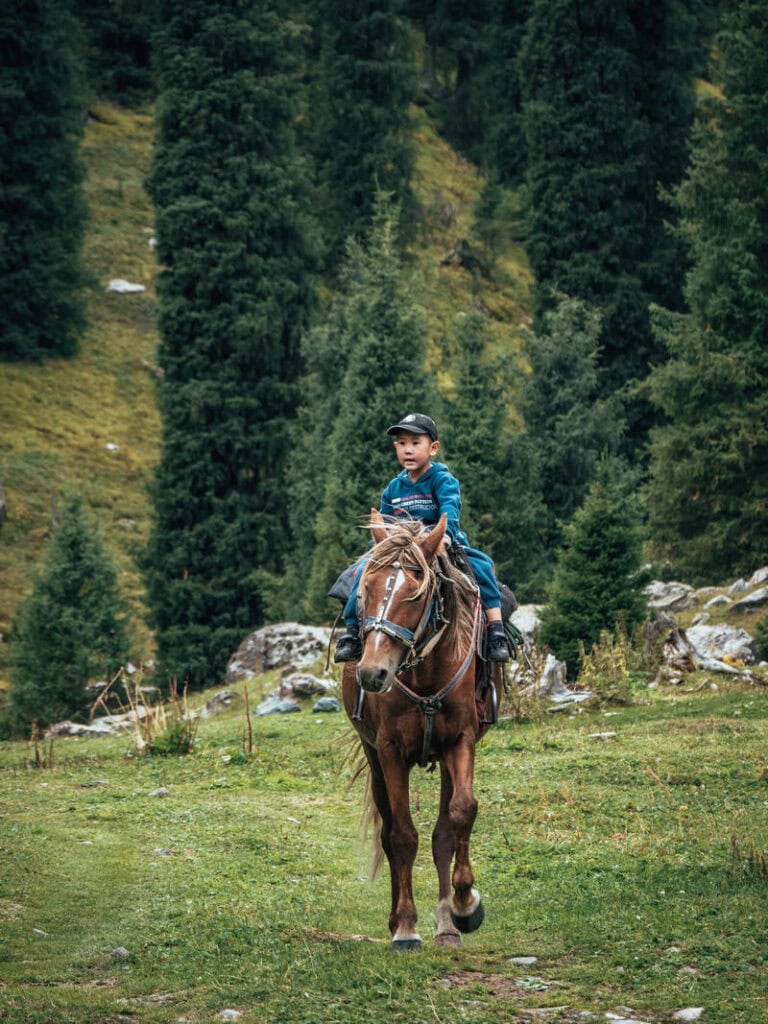
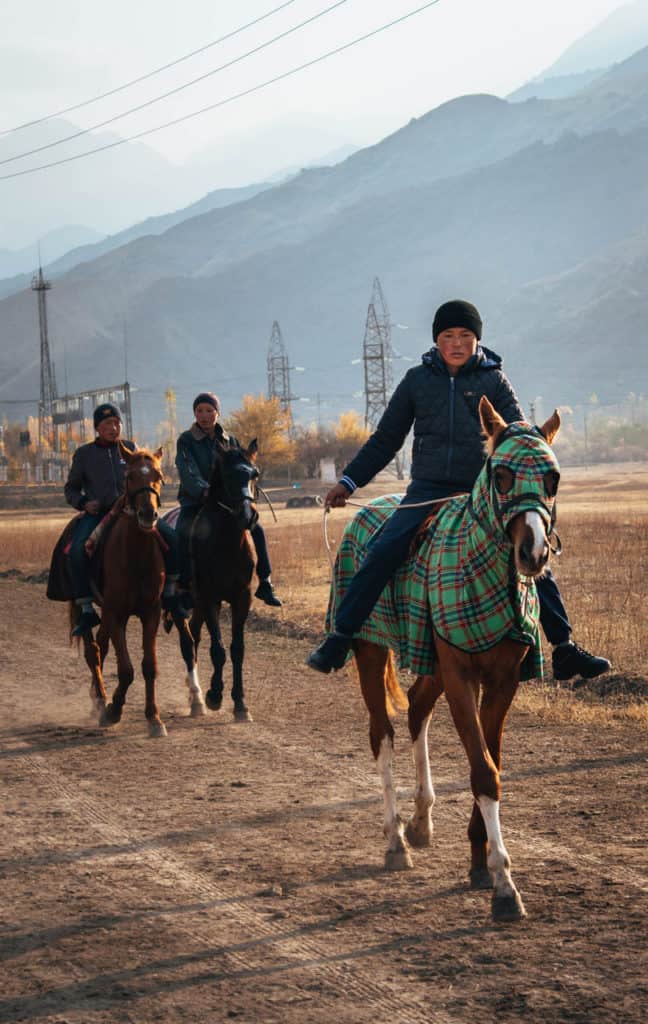
Shepherds travel vast distances across mountain passes on horseback, moving herds through landscapes that would challenge even the toughest off-road vehicle. Many families can tell you the lineage of their horses the way others recount family trees.

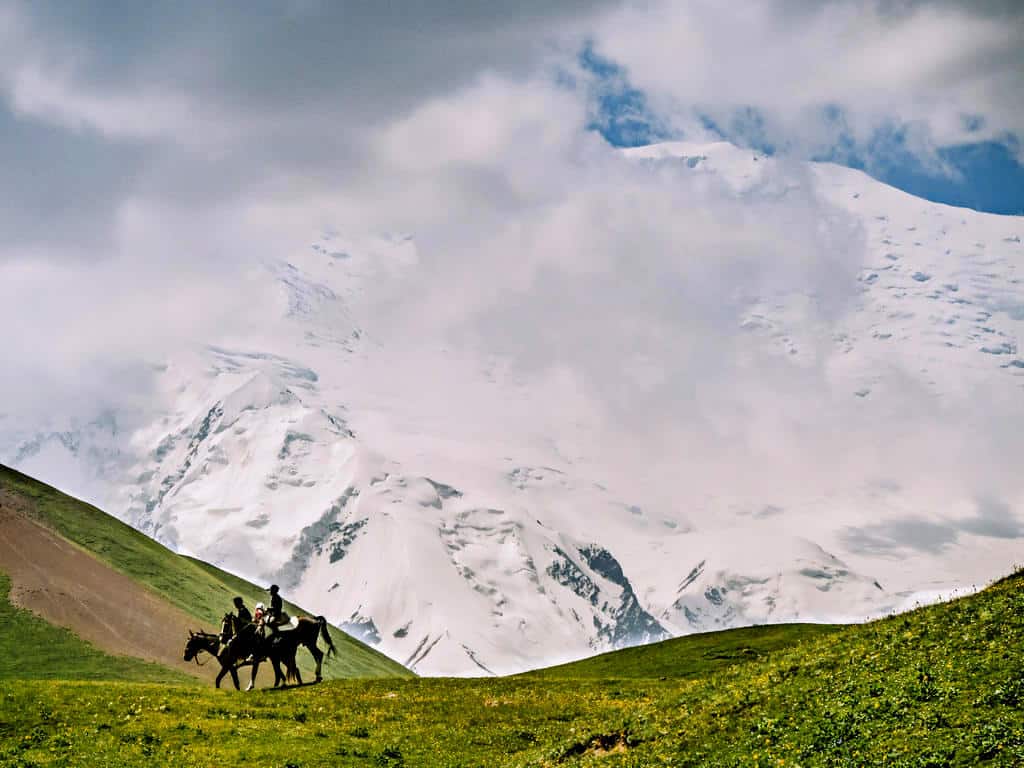
When festivals take place, from village celebrations to the legendary World Nomad Games, the heartbeat of the event is always equestrian.
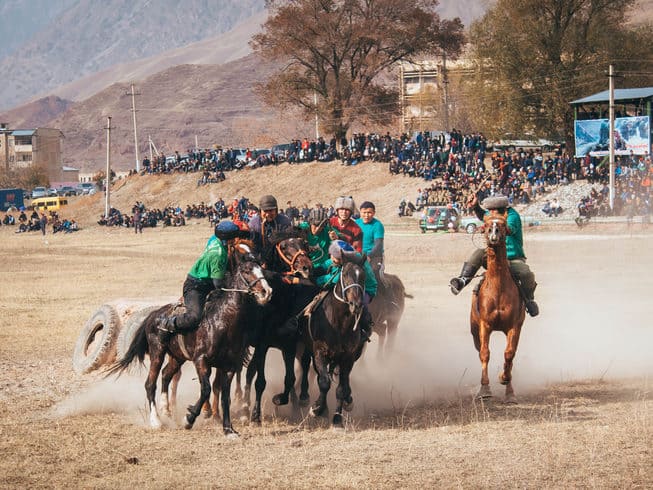
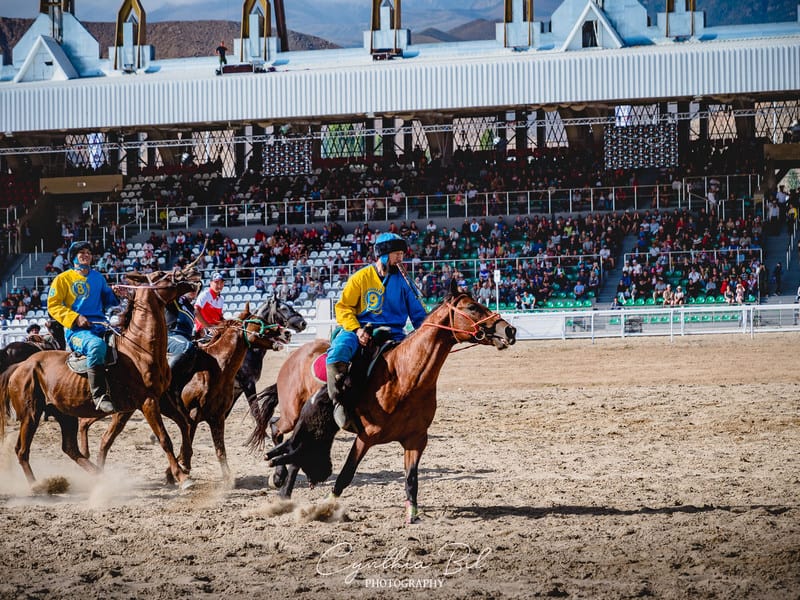
Traditional games like kok-boru, a fierce, adrenaline-filled contest often described as “rugby on horseback,” showcase not only the strength and agility of the riders but the astonishing intelligence and precision of the horses themselves. Watching a kok-boru match is like witnessing centuries of nomadic history condensed into speed, dust, and pure instinct… but it’s not for the faint-hearted.
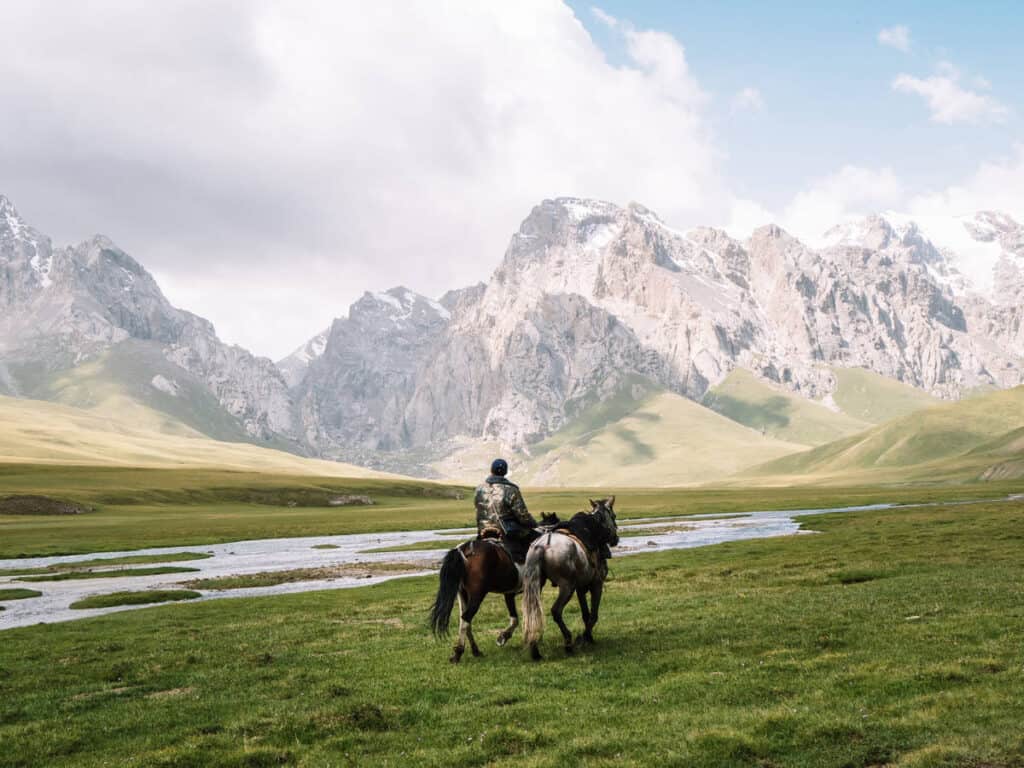
Riding a horse in Kyrgyzstan means stepping directly into the rhythm of the land. Trails are not manicured; they’re ancient migration routes, riverbeds, high-altitude pastures, and winding paths carved by hooves long before maps existed.
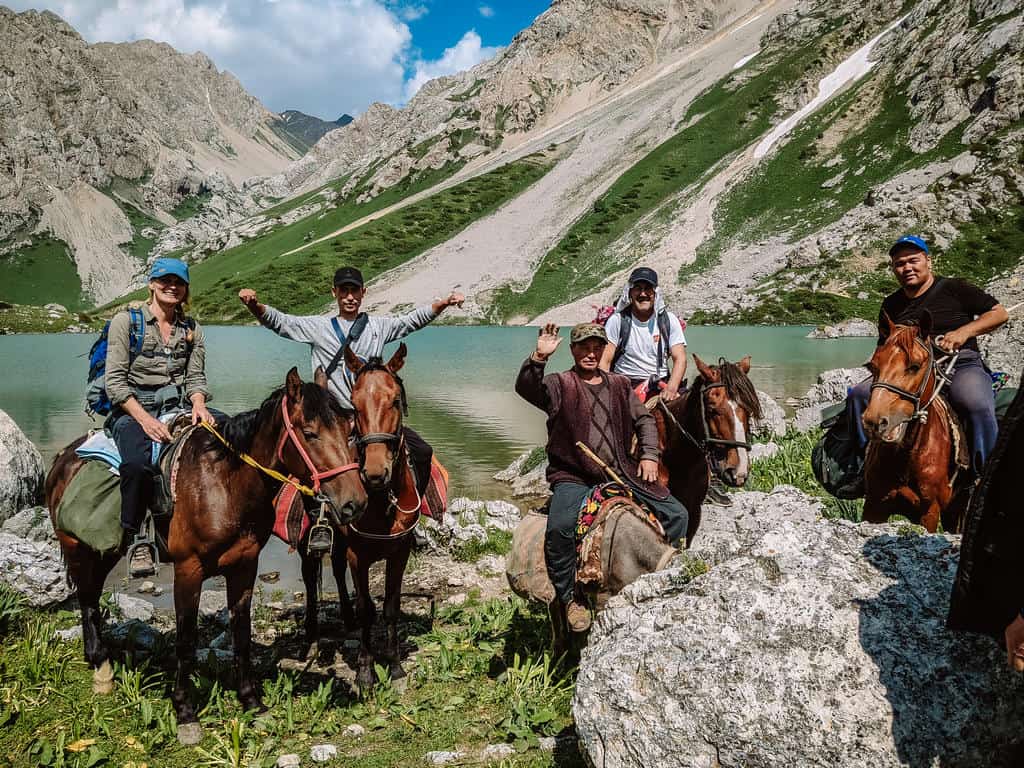
The horses are small but strong, spirited, and built for mountains. They know the terrain far better than you ever will. Something is humbling about trusting a horse to carry you across a river, up a ridge, or through a field of wildflowers while a shepherd rides alongside you as casually as if taking a morning stroll.


In moments like these, you begin to understand that in Kyrgyzstan, horses don’t just rule the land, they define it. And by riding one, even briefly, you’re connecting with a culture that has lived in harmony with these magnificent animals for thousands of years.

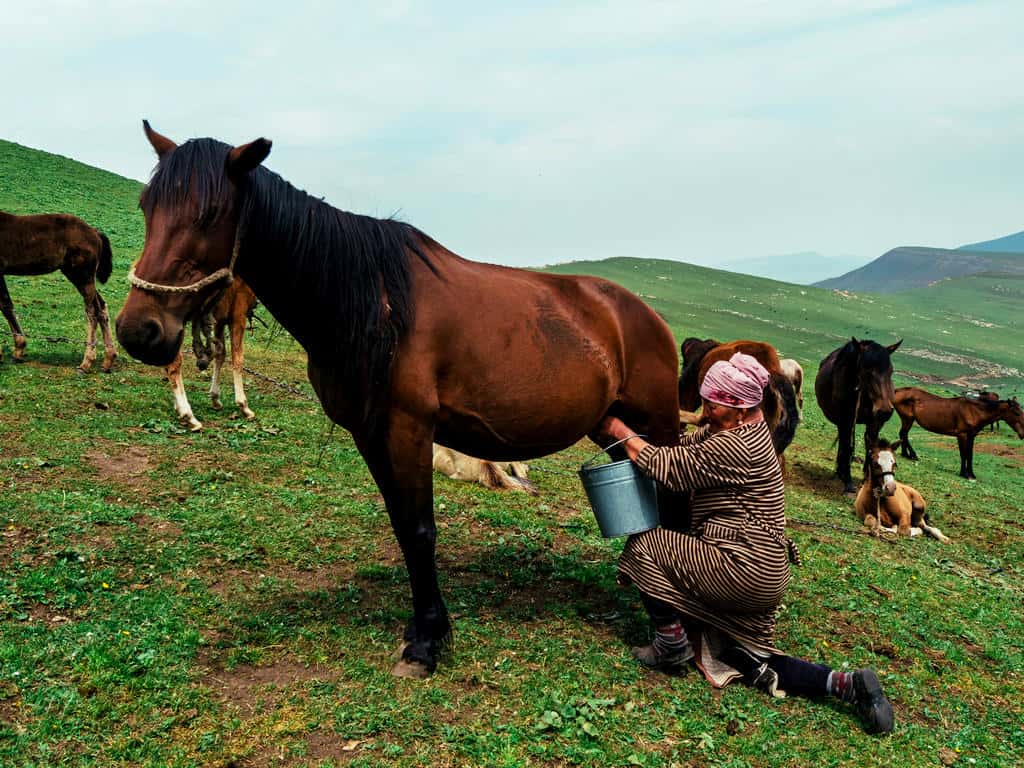
Kyrgyzstan’s bond with horses goes far beyond riding and herding; it even finds its way into daily nourishment through kymys, the traditional fermented drink made from mare’s milk.
During the summer months on the high pastures, mares are milked several times a day, and the milk is carefully fermented in leather bags or wooden barrels, stirred again and again as part of a centuries-old routine.
Kymys is then shared generously, often offered to guests before they’ve even had time to remove their shoes. Its slightly sour, lightly fizzy taste can be surprising at first, but locals swear by its health benefits and cultural importance.
Drinking kymys isn’t just about refreshment; it’s a gesture of hospitality and a reminder of how deeply horses are woven into nomadic life: providing transport, companionship, livelihood, and even sustenance in a landscape where living in harmony with nature has always been essential.

8. It’s safe, affordable & relatively easy to travel
This often surprises travelers, but Kyrgyzstan is actually one of the easiest countries in Central Asia to explore – especially compared to how travel here was just ten years ago.
While it still requires a certain sense of patience and flexibility, getting around the country has become much more straightforward. Public transport is inexpensive and widely available, as long as you’re comfortable with marshrutkas (shared minibuses), unpredictable schedules, and the occasional scenic detour.
Most towns and regions are easy to reach, and while remote mountain trails still require extra planning, today you can easily hire a car, book a private driver, or join a tour to access even the wildest corners of the country.
Traveling in Kyrgyzstan isn’t about rigid plans, it’s about adapting to conditions, embracing the unexpected, and trusting that things have a way of working out.
From a practical point of view, Kyrgyzstan is also refreshingly accessible. Citizens from more than 60 countries can enter visa-free, guesthouses and homestays are widespread, even in small villages, and private drivers remain affordable by international standards.
English is increasingly spoken, especially among younger generations, and locals are almost always willing to help – often before you’ve even realized you need it.
Crime rates for travelers are low, and after years of moving through cities, villages, and remote areas alike, often by myself as a solo woman, I’ve always felt safe here.

Kyrgyzstan may be wild in landscape, but when it comes to traveling through it, the country is far more welcoming and navigable than many people expect.
9. It’s not overrun with tourists (yet)
One of the most precious things about Kyrgyzstan is that it still feels untouched. Not untouched in a mythical sense because there are roads, villages, and yurt camps, but untouched by mass tourism (I really noticed the difference during my time f.eg. in Thailand!).
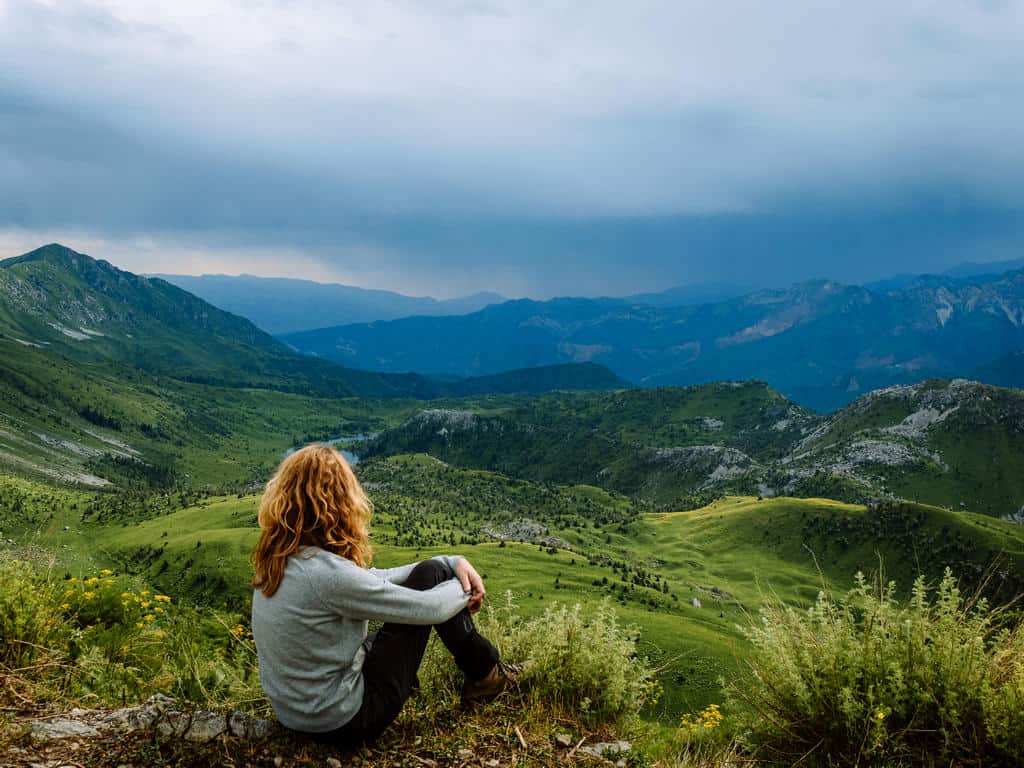
Even during the summer months, when nomadic life is in full swing and trekking season is at its peak, it’s remarkably easy to find yourself completely alone in nature.
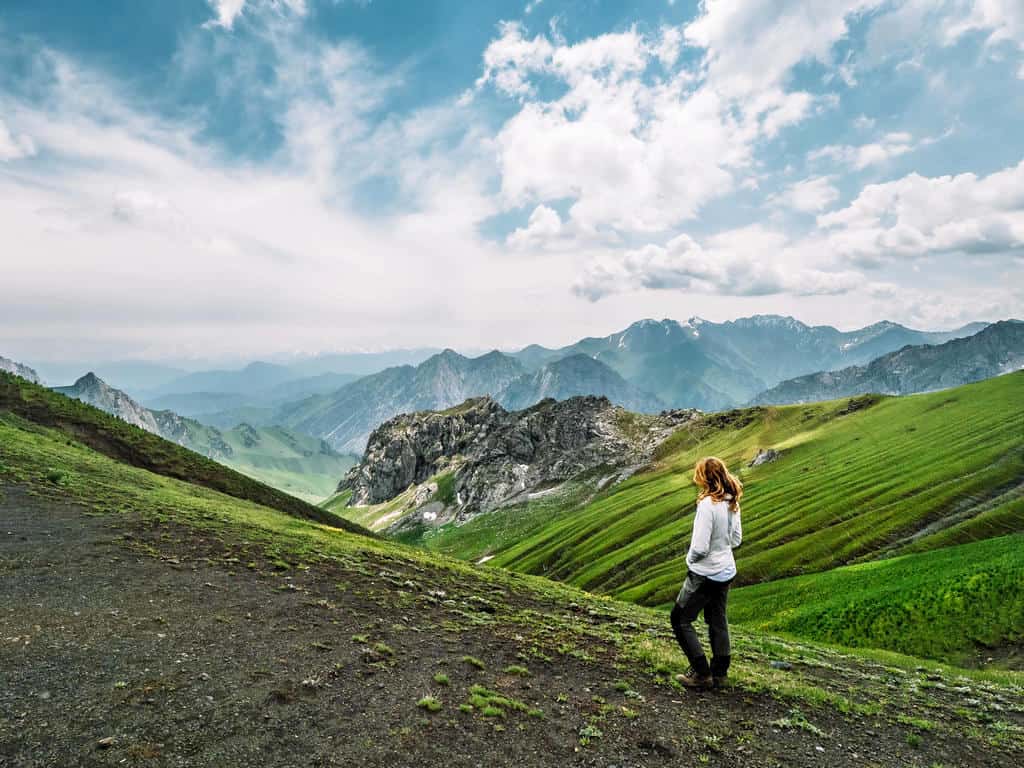
You can still hike for hours without passing other travelers, sit beside a mountain lake with no crowds or noise, and experience landscapes that don’t feel curated for Instagram or rushed itineraries. In a world where many once-wild destinations now feel crowded and commercial, Kyrgyzstan remains refreshingly quiet.
This sense of solitude creates a feeling that’s becoming increasingly rare: the feeling of discovery. Traveling here still feels like uncovering something rather than ticking off a checklist.
If you’ve been craving a destination where travel still feels personal, Kyrgyzstan offers that in abundance!
10. The Silk Road is still tangible
Kyrgyzstan’s history isn’t confined to museums or guidebooks, it’s etched directly into the land.
From the ancient caravanserai of Tash Rabat, hidden deep in the mountains, to the iconic Burana Tower, a lonely minaret rising from the steppes near Balasagun, and the mysterious petroglyphs scattered around Cholpon Ata, reminders of the Silk Road are everywhere.
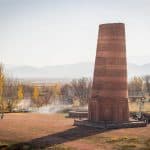


For centuries, traders, pilgrims, and nomads crossed these valleys and mountain passes, carrying silk, spices, stories, and ideas between East and West. Standing in these places, with mountains on the horizon and wind moving through the grass, it’s impossible not to imagine the countless footsteps that came before yours.

What makes this history so powerful is how accessible it feels. You don’t view it through glass or velvet ropes; you walk through it, touch the stones, follow the same routes caravans once took.
Ancient burial mounds sit beside modern villages, and centuries-old traditions are still practiced in daily life. In Kyrgyzstan, history isn’t something that happened here, it’s something that still lives here, woven into the rhythm of the landscape and the people who call it home.

11. Every season has its own magic
There is truly no wrong time to visit Kyrgyzstan. Each season reveals a different side of the country.
Summer is when nomadic life unfolds in the high pastures, with yurts dotting the jailoo, alpine lakes shimmering under blue skies, and trekking routes fully accessible.
Autumn paints the mountains in gold and copper tones, bringing crisp air, quieter trails, and harvest season in the villages.
Winter transforms the landscape into a silent, snow-covered wonderland, perfect for skiing, ski touring, and experiencing a slower, more intimate side of mountain life.
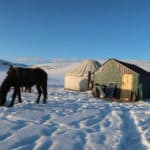
Spring, often overlooked, might be the most poetic season of all. Valleys bloom with wildflowers, rivers swell with meltwater, and newborn animals appear everywhere, a reminder that life follows natural cycles rather than calendars.
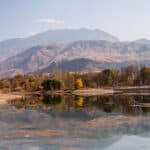
Each season changes not just the scenery, but the way the country feels. Kyrgyzstan doesn’t offer one fixed experience; it offers four distinct worlds, each worth discovering in its own time.


12. Kyrgyzstan changes you
Traveling through Kyrgyzstan has a way of quietly reshaping you. Life slows down here, often without you realizing it. Long distances, shared meals, silence in the mountains, and conversations without urgency gently pull you out of the constant rush most of us carry.
You begin to notice small things again in the wind over the pastures, the warmth of tea, the rhythm of walking,… and in that slowing down, something shifts. You reconnect with nature, with people, and with a version of yourself that doesn’t need constant stimulation.
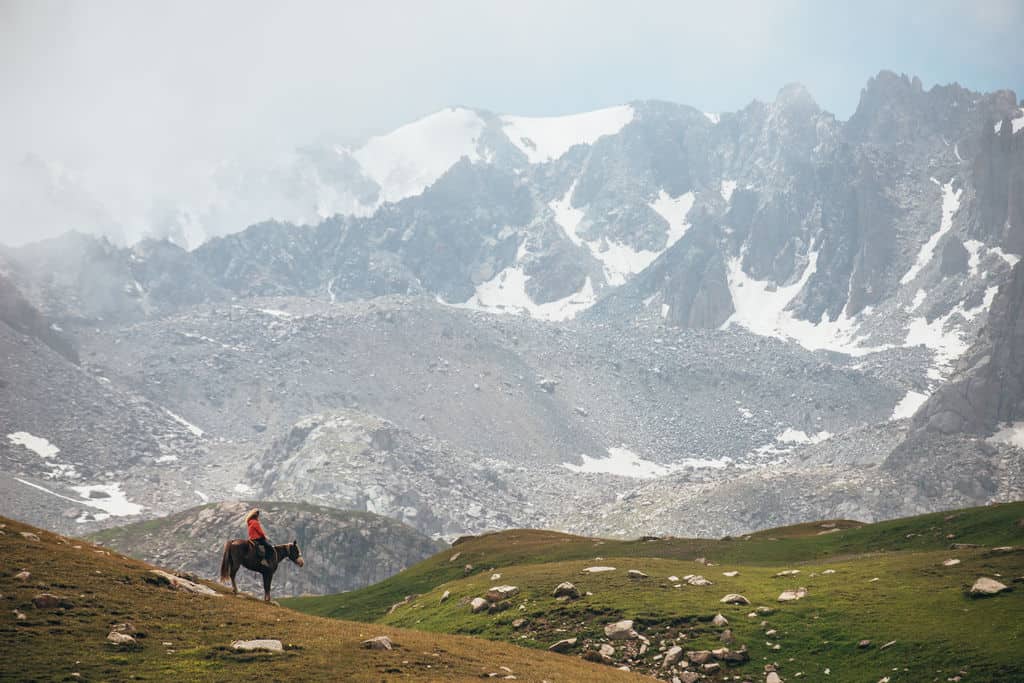
Kyrgyzstan taught me that adventure doesn’t need glamour to be meaningful. It doesn’t need luxury to be transformative. True beauty often hides in places that don’t demand attention, that don’t market themselves loudly, that simply exist in their own quiet strength.
For me, this country revealed what freedom really feels like: not endless choice or comfort, but space, connection, and the feeling of being deeply present. And once you experience that, you don’t return home the same…

Have you ever dreamed of visiting Kyrgyzstan, or maybe you’ve already been and felt its magic too?
I’d love to hear your thoughts, questions, or experiences, so feel free to share them in the comments below!
And if this story sparked something in you and you’d like to experience Kyrgyzstan, you’re always welcome to join one of my small-group Kyrgyzstan adventure tours. We travel slowly, locally, and with deep respect for the land and the people who call it home.
You mights also be interested in reading:

Kyrgyzstan Itinerary: The Ultimate 7, 10, 14 & 21-Day Travel Guide
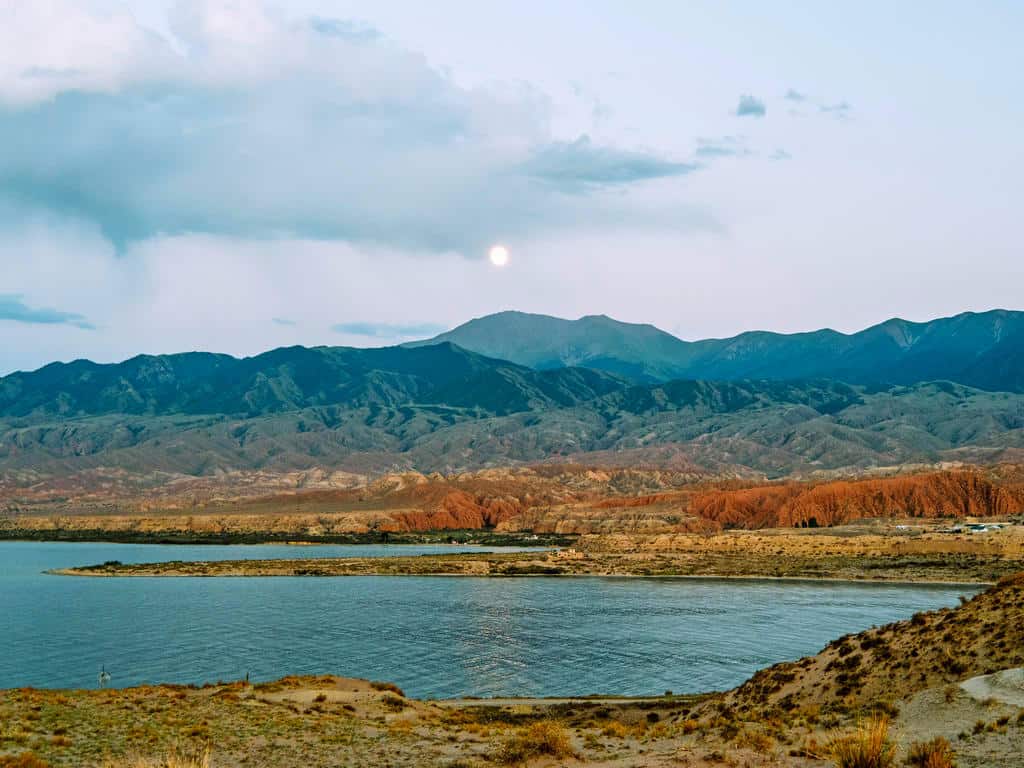
The best things to do around Issyk Kul Lake in Kyrgyzstan: Highlights, Hiking & one-week itinerary

The Complete guide to the World Nomad Games 2026 in Kyrgyzstan

Naryn Travel Guide: 12 Best Hikes & top things to do in Naryn Kyrgyzstan
Kyrgyzstan Money Guide: Costs of Living and traveling in Kyrgyzstan in 2026
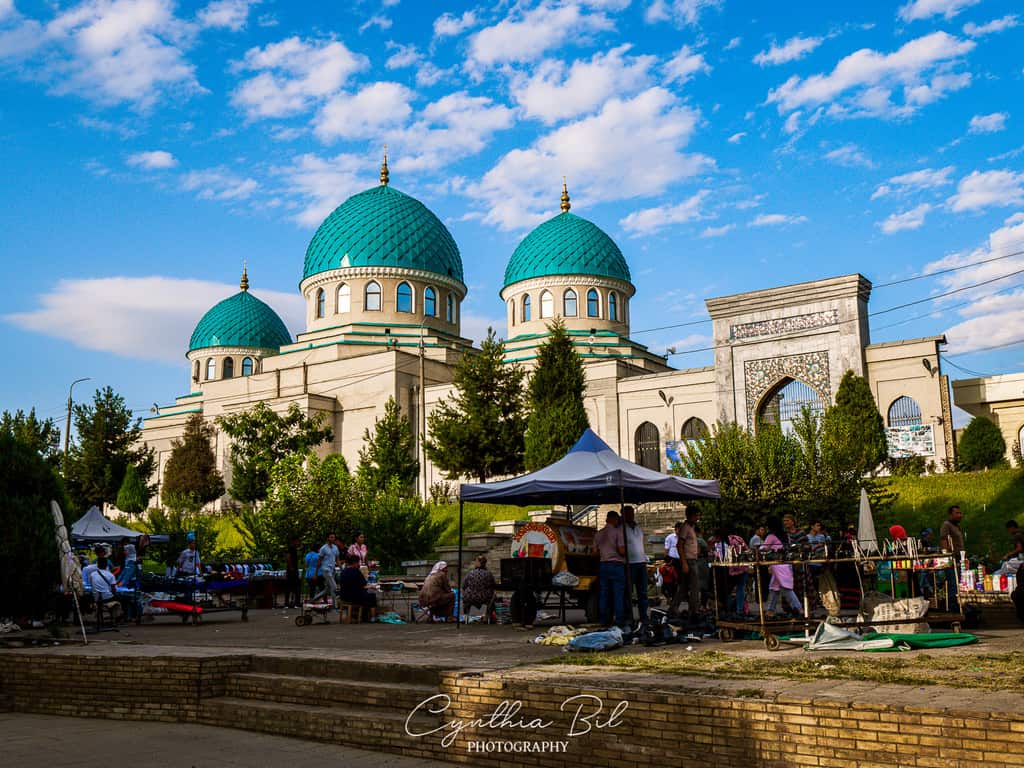
The best way to get from Tashkent to Osh and from Osh to Tashkent, crossing the Dostyk border (Kyrgyzstan – Uzbekistan)

Best Tips and complete Packing List for Traveling in Central Asia in 2026 – When to go and what to wear when visiting Central Asia
8 beautiful lakes in Kyrgyzstan

I want to know, in Kyrgyzstan opening borders, so anyone crossed border? I really want to visit this country
Hi Alex, as of August 21st, Kyrgyzstan has opened its borders to citizens from the following 31 countries: Armenia, Austria, Azerbaijan, Belarus, Belgium, China, Georgia, Germany, Great Britain, Iceland, Ireland, Italy, Japan, Kazakhstan, Kuwait, Latvia, Liechtenstein, Lithuania, Luxembourg, Malaysia, Pakistan, Portugal, Qatar, Russia, Slovenia, South Korea, Sweden, Switzerland, Turkey, Turkmenistan, UAE