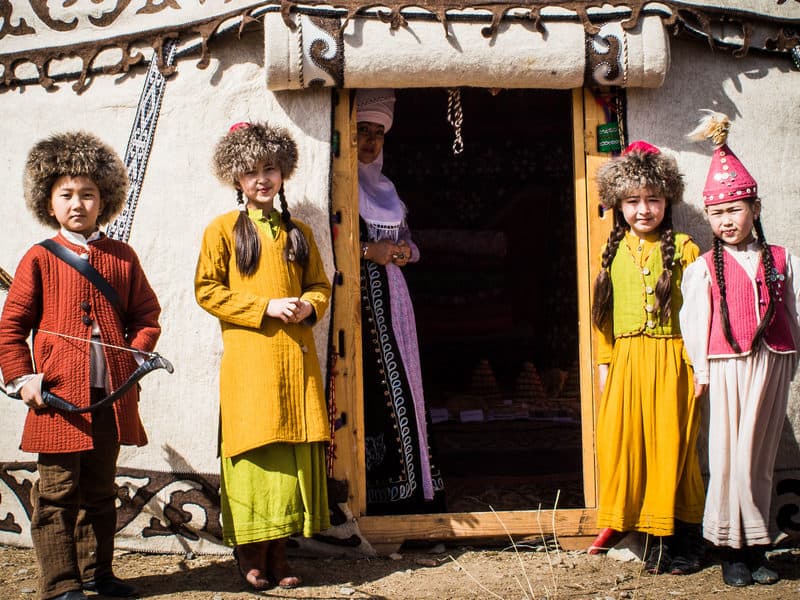
Kyrgyzstan is a country that is jam-packed with natural splendor and stunning landscapes. Rugged mountains scattered with alpine lakes and wildflower meadows cover a large percentage of this beautiful country, making it the perfect Central Asian destination for any avid trekker.
Spring is one of the most underrated times to visit Kyrgyzstan. While many travelers only consider summer, the months of April, May and June offer green landscapes, fewer tourists, blooming valleys, and beautiful hiking conditions at lower altitudes.
If you’re wondering what to do in Kyrgyzstan in spring, where you can travel, and what the weather is like, this guide explains everything you need to know, including the best places to visit, what’s accessible, and what to expect during spring in Kyrgyzstan.
Disclaimer: This posts might contain affiliate links, meaning that if you make a purchase through these links, I may earn an affiliate commission. Thank you for helping to support this website!

Plan your trip to kyrgyzstan!
✈️ Find the cheapest flights → Check fares to Bishkek or Osh
🏨 Find hotels & yurt stays → Browse the best accommodation deals
📱 Stay connected → Get a Kyrgyzstan eSIM
🛡️ Travel insurance → Don’t travel Central Asia without coverage
🎒 What should you pack? → Read my Kyrgyzstan packing list
🥾 Want to go hiking? → Discover the most beautiful hiking trails in Kyrgyzstan
🐎 Want to go horse riding? → Check out my favorite horse trekking experiences
🗺️ Need help planning your route? → Learn about my itinerary planning services
⛰️ Prefer traveling with a group? → Join one of my Kyrgyzstan adventure tours
Is Spring a good time to visit Kyrgyzstan?
Spring is one of the most underrated seasons to visit Kyrgyzstan, but it’s not the right time for every type of trip. Whether spring in Kyrgyzstan is a good idea really depends on where you want to go and what you expect to see.
Unlike summer, when almost the entire country is accessible, spring is a season of change. Some areas are already green and full of life, while the high mountains can still feel like winter.
Kyrgyzstan in April
Traveling in Kyrgyzstan in April means arriving right at the start of spring. Winter is slowly coming to an end, but the mountains are still covered in snow and many high-altitude destinations remain closed.
If your dream is to visit alpine lakes or stay in remote yurt camps, April is too early. However, if you focus on the lower valleys, this can be a very beautiful time to explore the country.
Around Bishkek, nature starts to wake up after winter. The hills turn green, rivers become powerful from melting snow, and waterfalls are at their strongest. Places like Ala Archa National Park, Chong Kemin, and Issyk Kul Lake are great to visit during this time. The landscapes feel fresh and quiet, and you’ll often have entire trails to yourself.

April is also a good time to travel in southern Kyrgyzstan, where temperatures are usually warmer. Osh and the surrounding regions can already feel like spring, with blooming trees and comfortable weather for walking and sightseeing. Because this is still the low season, you’ll also notice fewer tourists and lower prices in many places.
If you don’t mind limited access to high mountains, Kyrgyzstan in April can be a peaceful and very scenic time to visit, especially for travelers who enjoy nature, photography, and quieter travel experiences.
Discover the quiet beauty of Kyrgyzstan in spring, on the 8-day off-season Kyrgyzstan Tour!
Kyrgyzstan in May
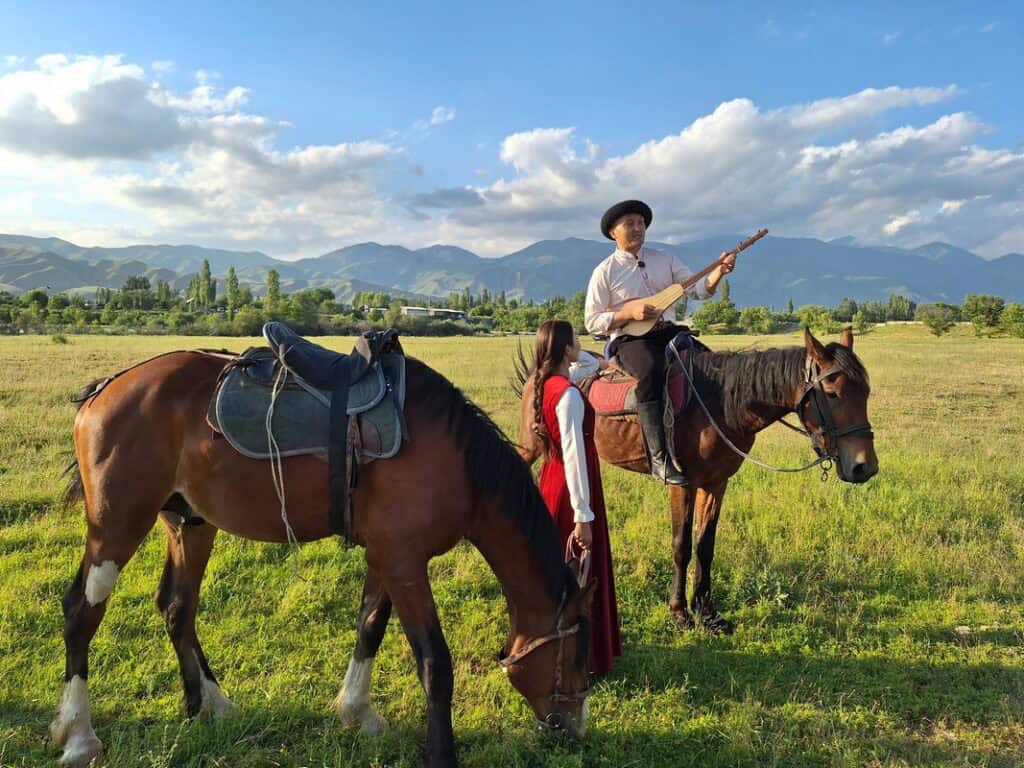
For many travelers, Kyrgyzstan in May is one of the most beautiful times of the year. The country turns bright green, wildflowers start to appear, and the contrast between snowy peaks and fresh valleys makes the scenery incredibly photogenic. The weather is usually mild, with comfortable temperatures for hiking at lower and mid altitudes.
In May, many of the valleys and national parks are perfect for exploring. Ala Archa, Chong Kemin, Arslanbob, Sary Chelek National Park and Issyk Kul Lake are all excellent destinations during this time.
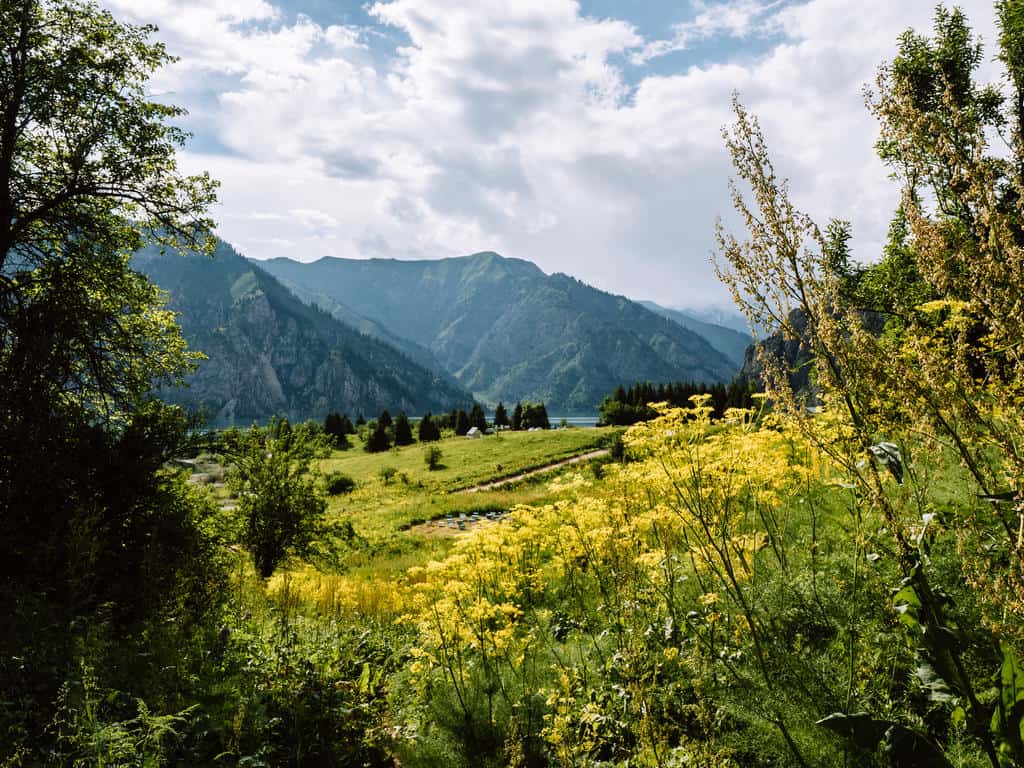
Waterfalls are still strong from the melting snow, rivers are full, and the landscapes feel very alive. This is also one of the best months for photography, especially if you like dramatic mountain scenery.
Higher mountain passes may still be closed in early May, and places like Son Kul, Ala Kul and Kel Suu are usually not accessible yet.
If you’re flexible with your itinerary, May offers a great balance between good weather and fewer tourists. Because it’s still before the main summer season, traveling in Kyrgyzstan in May feels quieter and more authentic.
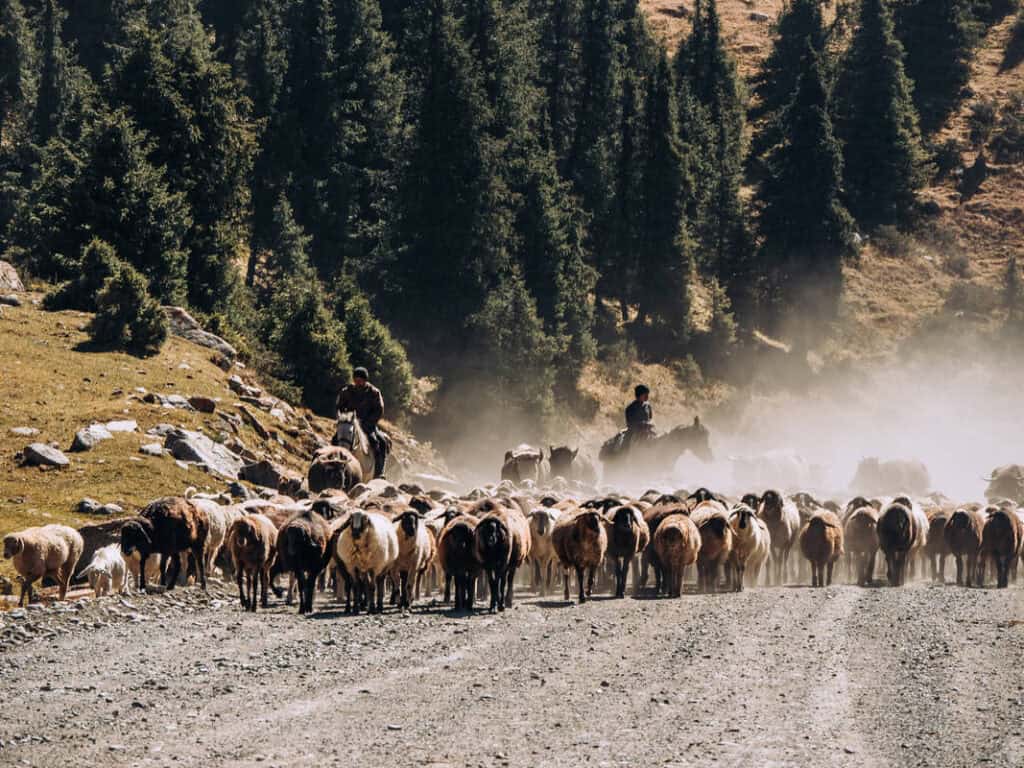
You’ll often see locals going about their daily life, and towards the end of May you can sometimes witness the traditional herd migration to the high summer pastures, while many places remain far less crowded than in July and August.
Kyrgyzstan in June
In Kyrgyzstan in June, spring slowly turns into the beginning of the summer travel season. The weather becomes warmer, more mountain roads start to open, and trekking at higher elevations becomes possible again at the end of the month. This makes June a great month if you want to explore more remote areas but still avoid the peak summer crowds.
By June, some high-altitude destinations like Son Kul may start to become accessible, depending on the snow conditions that year. Yurt camps begin preparing for visitors, and horseback trekking becomes possible in more regions. At the same time, the landscapes are still green from spring, which makes the scenery especially beautiful.
June is also a good time for hiking, rafting, and road trips. The rivers are still full from snowmelt, the valleys are colorful, and temperatures are usually comfortable. Compared to July and August, there are still fewer tourists, which makes traveling feel more relaxed.
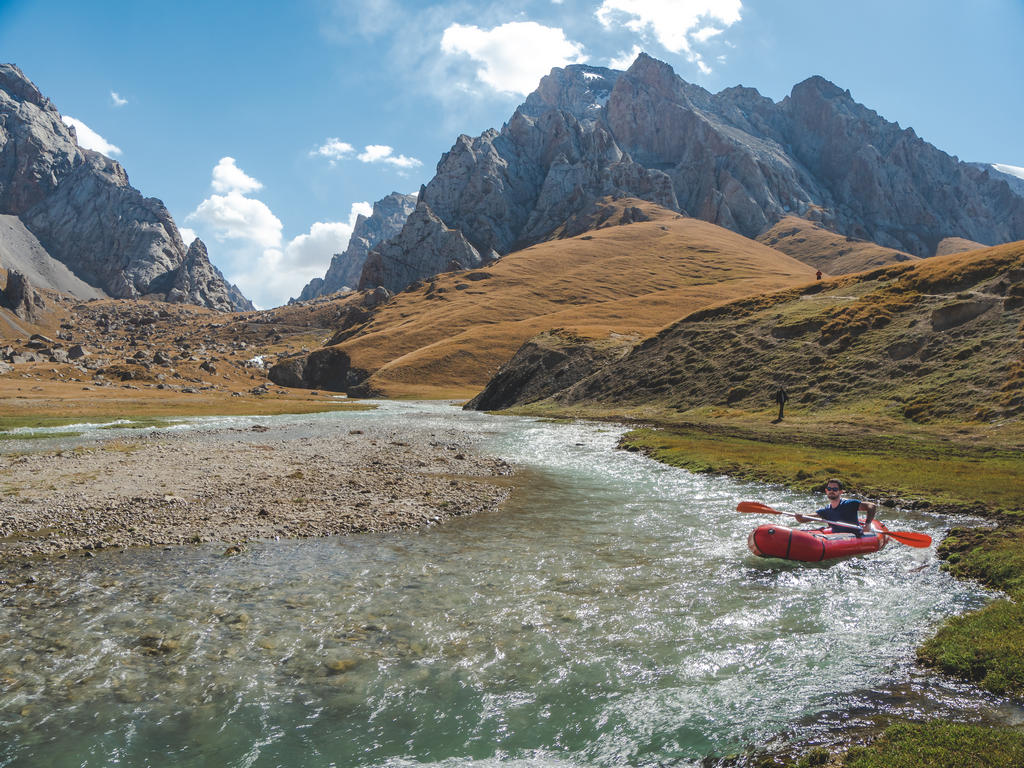
If you want a mix of good weather, accessible mountains, and quieter travel, Kyrgyzstan in June can be one of the best months to visit.

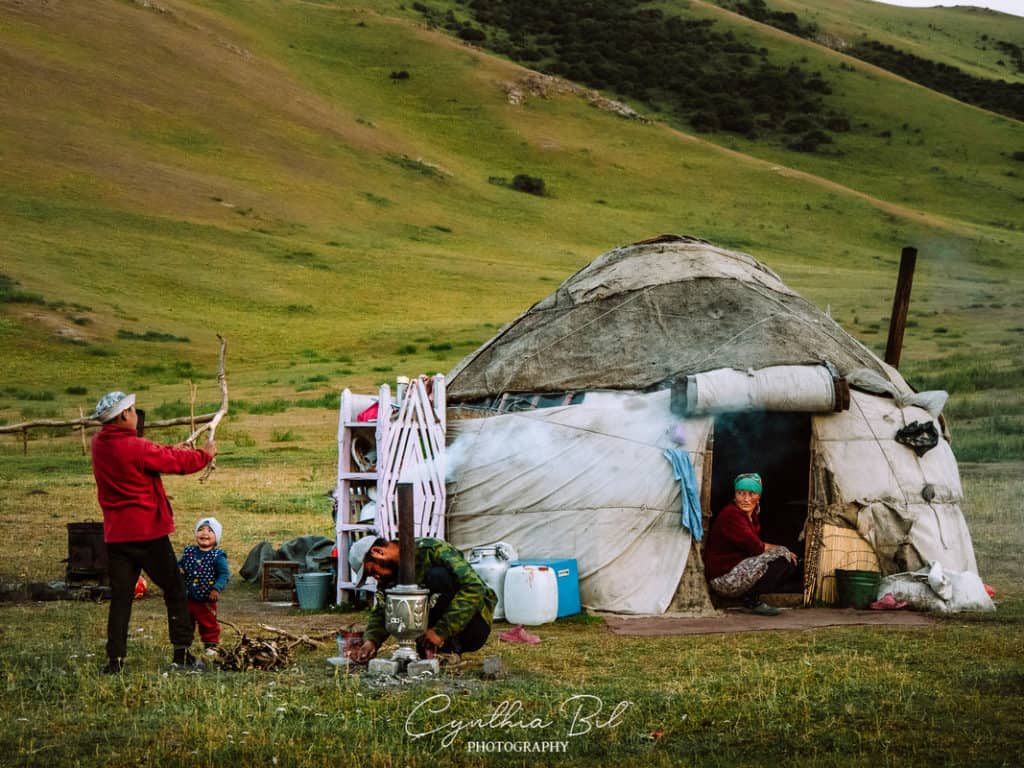
The only downside of traveling to Kyrgyzstan in spring is that there’s a short window to stay at one of the yurt camps of the semi-nomadic shepherds. They only set up camp and migrate their herd of animals to the jailoos – mountain pastures – at the end of May/ beginning of June and they return to their towns and villages by the end of September.
How is the weather in spring in Kyrgyzstan?
Spring weather in Kyrgyzstan can be quite unpredictable, especially because the country is very mountainous.
In lower regions like Bishkek, Osh, and the valleys around Issyk Kul, temperatures start to warm up from April, and the landscape quickly turns green. Days can be sunny and pleasant, but rain showers are common. Because of the melting snow in the mountains, rivers become stronger, and waterfalls are at their most impressive during this time of year.
In higher altitude areas, spring arrives much later. In Kyrgyzstan in April, many mountain passes are still covered in snow, and alpine lakes remain frozen. By May, the weather becomes milder in the valleys, but higher regions like Son Kul or Kel Suu are often still inaccessible.
In Kyrgyzstan in June, temperatures become warmer and more stable, and more mountain roads start to open, marking the beginning of the trekking season.
If you travel during spring in Kyrgyzstan, it’s best to pack for changing conditions, as you can experience sunshine, rain, and even snow in the same trip.


Where to go and what to do in Kyrgyzstan in spring
Even though some high mountain areas are still inaccessible, there are still plenty of things to do during spring in Kyrgyzstan.
This season is perfect for exploring the cities, lower valleys, visiting waterfalls, hiking at lower altitudes, and experiencing the country without the crowds of summer. If you plan your route carefully, spring can actually be one of the most rewarding times to travel here.
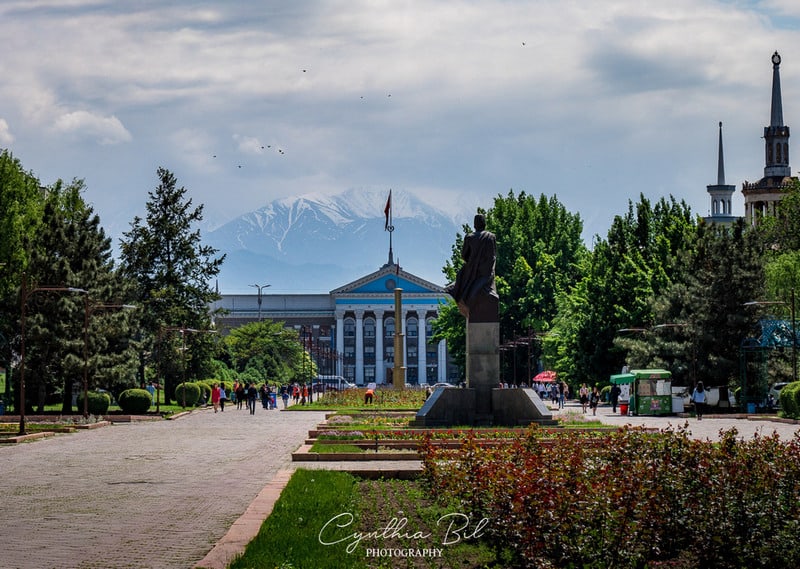
1. Visit BishkeK, the capital of Kyrgyzstan
Bishkek holds a strong connection to traditional Kyrgyz culture and daily life. If you’re visiting the city, there are plenty of interesting things to do both in Bishkek itself and in the surrounding area.
You can explore local life at Osh Bazaar or Dordoi Bazaar, relax in one of the many green parks, or simply walk around the city to get a feel for this lively and surprisingly relaxed capital.
2. Great hikes in the region of Bishkek in spring
The hiking trails near Bishkek are not on many visitors’ radars, particularly during the summer, but if you’re visiting Kyrgyzstan in spring, there are some excellent day hikes and day trips from the city.
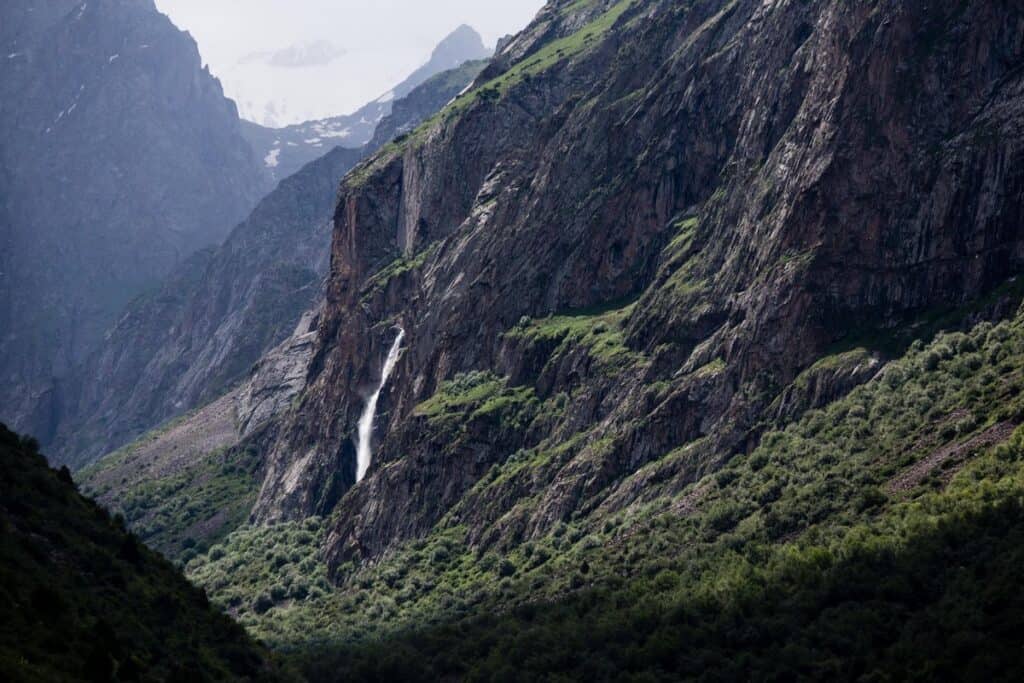
2.1 Belogorka Waterfall
The Belogorka Waterfall, to the west of Bishkek is at its best when the snow starts to melt as the water feeds into the flow of the falls.
The mist from the waterfalls feeds the surrounding hillside and the wildflowers that cover it. The trail here is around a 3-kilometer round trip and one of the most accessible hikes near Bishkek.
2.2 Ala Archa National Park
The Ala Archa National Park is around 40 kilometers south of Bishkek. Located in the Tian Shan mountains, this beautiful area has a great choice of Kyrgyzstan hiking and trekking trails suitable for every ability.
If Bishkek is your first destination in Kyrgyzstan, Ala Archa will provide the perfect introduction to the beauty of the mountains and the opportunity for some lovely hikes in Kyrgyzstan.
Explore gorges, forests and river banks but be aware that the weather here is much cooler than in Bishkek, so bring appropriate gear and clothing.

2.3 Ak Sai Waterfall
The Ak Sai Waterfall trail is a good 2-hour hike within Ala Archa National Park. One of the slightly more demanding trails, it’s around 7.6 kilometers each way with nearly 700 meters of elevation gain.
Experienced trekkers won’t struggle and many will be tempted to head onwards to the Ratsek Hut on the Ak Sai Glacier afterward. The park is around one hour from Bishkek and can be reached via public transport from the city.
2.4 Birch Grove (‘Berezovaya Roscha’)
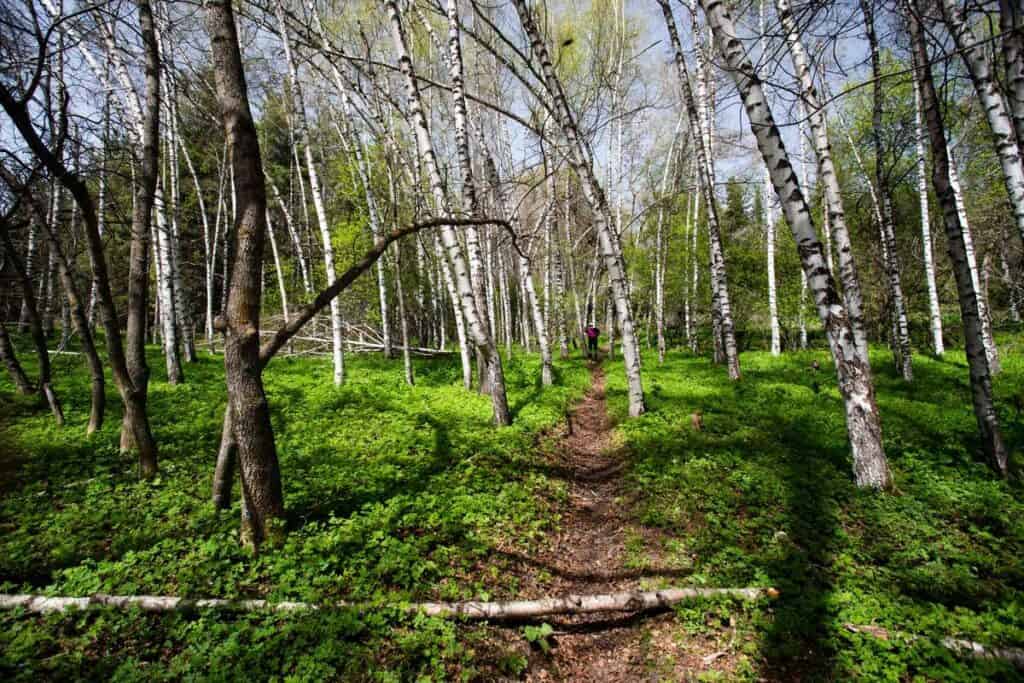
Just before you head into the Ala Archa National Park, a side road cuts through to Kashka-Suu village to the trailhead of the ‘Birch Grove’ trail or, as it’s known locally, the Berezovaya Roscha hike. The loop is an easy trail that is only a couple of kilometers long and is a popular Kyrgyzstan hike for Bishkek locals.
2.5 Issyk Ata Waterfall
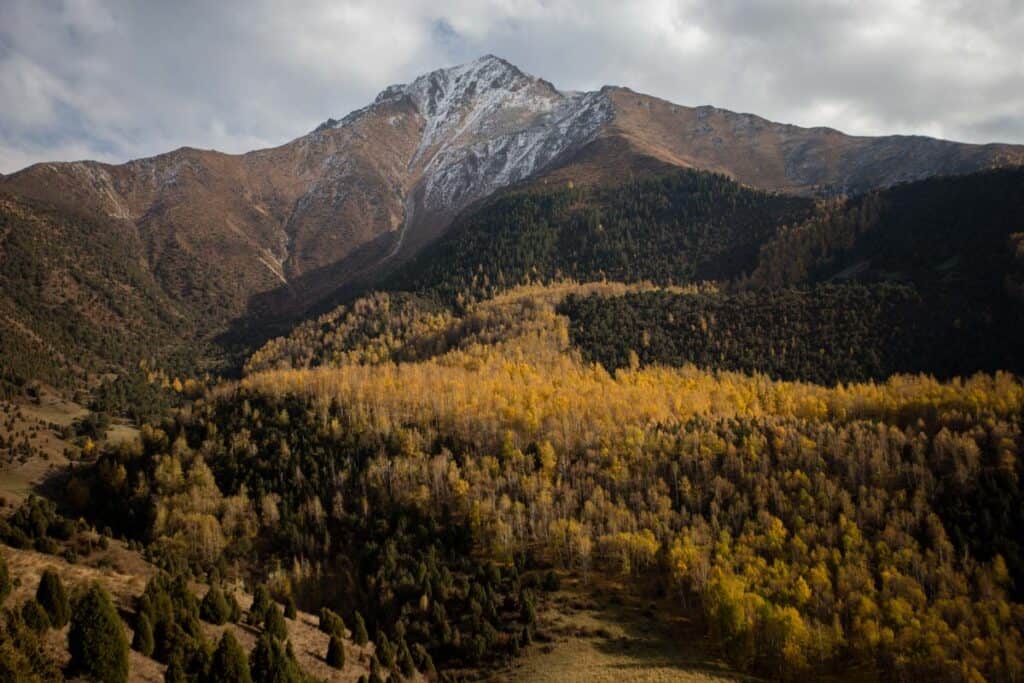
Heading East from Bishkek, you’ll find the Issyk Ata Valley, the Issyk Ata Waterfall and hot springs resort.
The Issyk Ata Waterfall trail is an easy and accessible trek to do during the shoulder seasons and makes for a lovely place to visit in Kyrgyzstan. Many of the visitors come to reap the health benefits of soaking in the hot springs, not knowing about this lovely trail.
Visiting the Issyk Ata Waterfall during spring offers a unique experience. The shaded part of the gorge freezes earlier and thaws later than the rest of the main valley and the waterfall itself can be seen when it’s entirely frozen. The 4.8-kilometer loop is through an open valley with only a small section of snow and ice towards the end of the trail.

2.6 Kok Moynok Lake
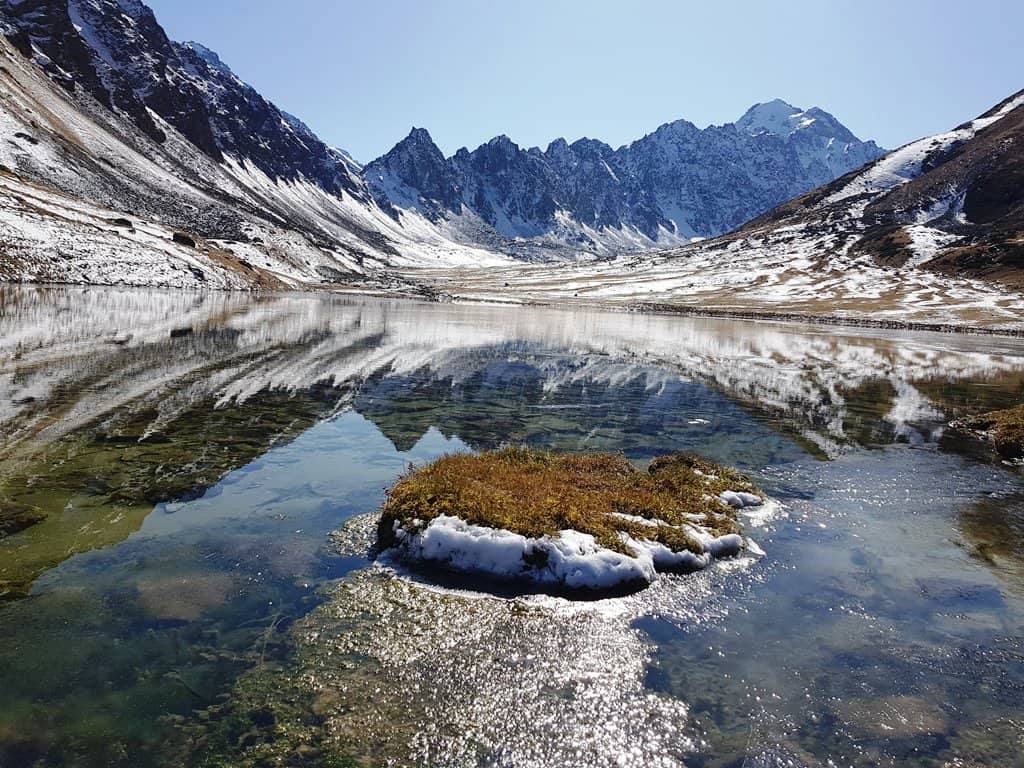
The Kok-Moynok Lake is around 75 kilometers from Bishkek and sits at an altitude of around 2700 meters. The lake is accessible from the Tuyuk Issyk Ata Trail that passes through the Tuyuk Gorge and the total distance of this loop is around 13 kilometers.
The lake is an especially stunning hike to do in Kyrgyzstan during spring when the melt water levels are high and the lake takes on the deep blues of mineral rich glacial water. During summer, the lake dries up and is only visible again in the following spring.
2.7 Konorchek Canyon Ridge Walk
Along the road from Bishkek to Lake Issyk Kul, there is a small, dry canyon that is best visited in the spring, during Kyrgyzstan’s rainiest season.
Known locally as ‘Red Bridge’, for an old railroad bridge situated at the trailhead, the walk to the Konorchek Canyon makes for an excellent day hike in Kyrgyzstan from Bishkek.
The trail to the canyon is around 5 kilometers and follows a dried up river canal. This open- ended walk takes you through twisting canyons and the striking red clay feels more reminiscent of somewhere in the Middle East than the lush landscapes of Kyrgyzstan.
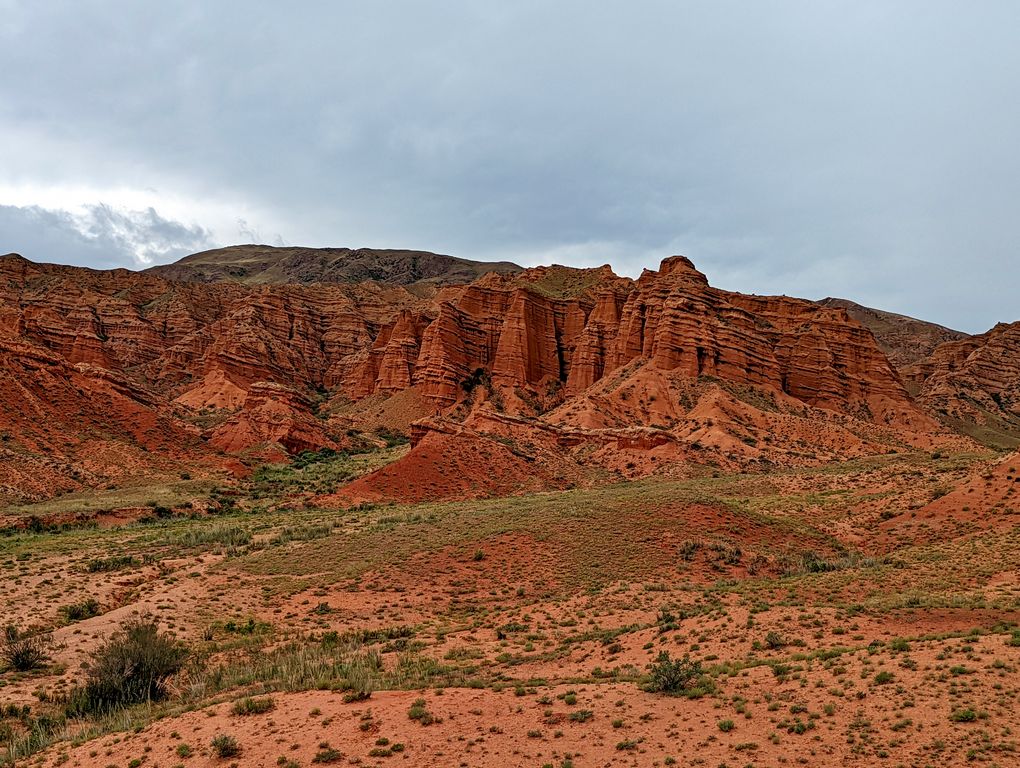
The landscape is the result of thousands of years of soil erosion and it’s known for the remains of Seghizhan-Shokny, an ancient volcano. This is particularly special within Kyrgyzstan as there are virtually no traces of volcanoes.
Spring and autumn are great times to visit this colorful canyon and even during the coldest parts of winter, as there is very little snow. During summer, the temperatures here barely go lower than 40°C.
For those looking for more Kyrgyzstan hiking opportunities nearby, there are longer hikes available as the canyon area itself is around 200 kilometers, so there is plenty of ground to cover and explore.

3. Visit Burana Tower
The Burana Tower, located near Tokmok around 80 kilometers from Bishkek, is one of the country’s most famous historical sites and top Kyrgyzstan tourist attractions.
The 25-meter high tower is a large minaret that alongside grave markers, earthworks, three mausoleums and the remnants of a castle are all that remain from the ancient city of Balasagun. This city was once a flourishing settlement during the times of the Great Silk Road that welcomed thousands of caravans.
Built during the 11th century, the tower was used as a template for other minarets. A staircase on the exterior as well as a steep staircase inside the tower means that visitors can climb to the top.

4. Horse riding or hiking in Chon Kemin
Chon Kemin Valley is one of the best places to go hiking or horse riding during spring in Kyrgyzstan, especially when the high mountains are still covered in snow.
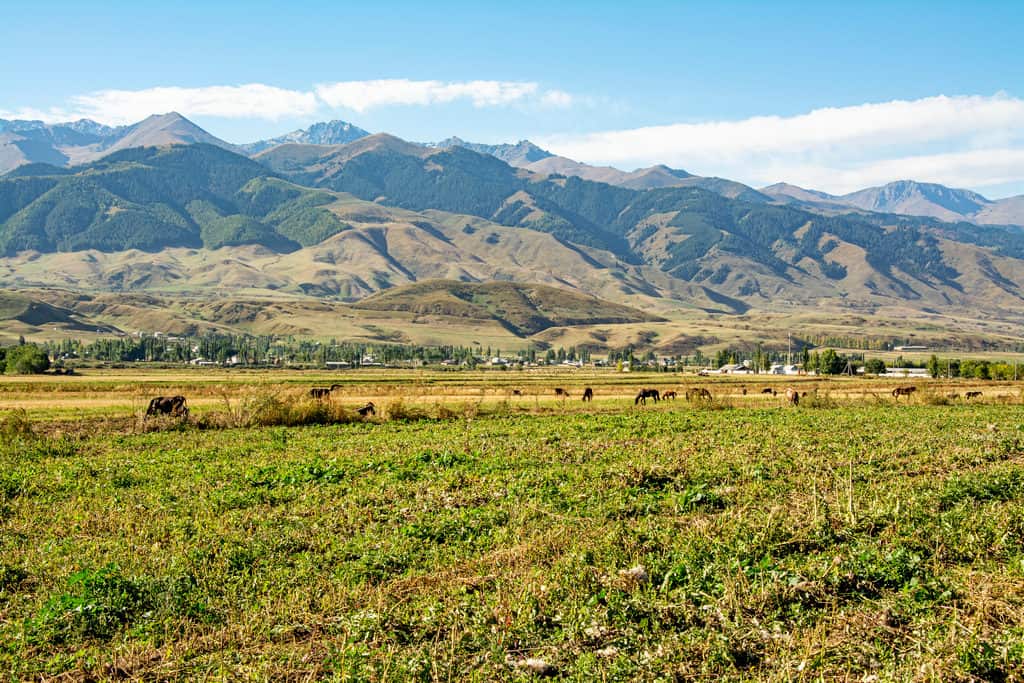
Located only a few hours from Bishkek, this wide and peaceful valley sits at a lower altitude, which means the landscapes turn green earlier than in many other parts of the country.
In Kyrgyzstan in May and early June, the hills are covered in fresh grass, rivers are full of snowmelt, and the surrounding mountains still have snow on their peaks, creating beautiful scenery.
Spring is a great time for short hikes in Chon Kemin, as temperatures are usually mild and the trails at lower altitude are already accessible. You can walk through small villages, follow the river through the valley, or hike up to viewpoints overlooking the forests and pastures.
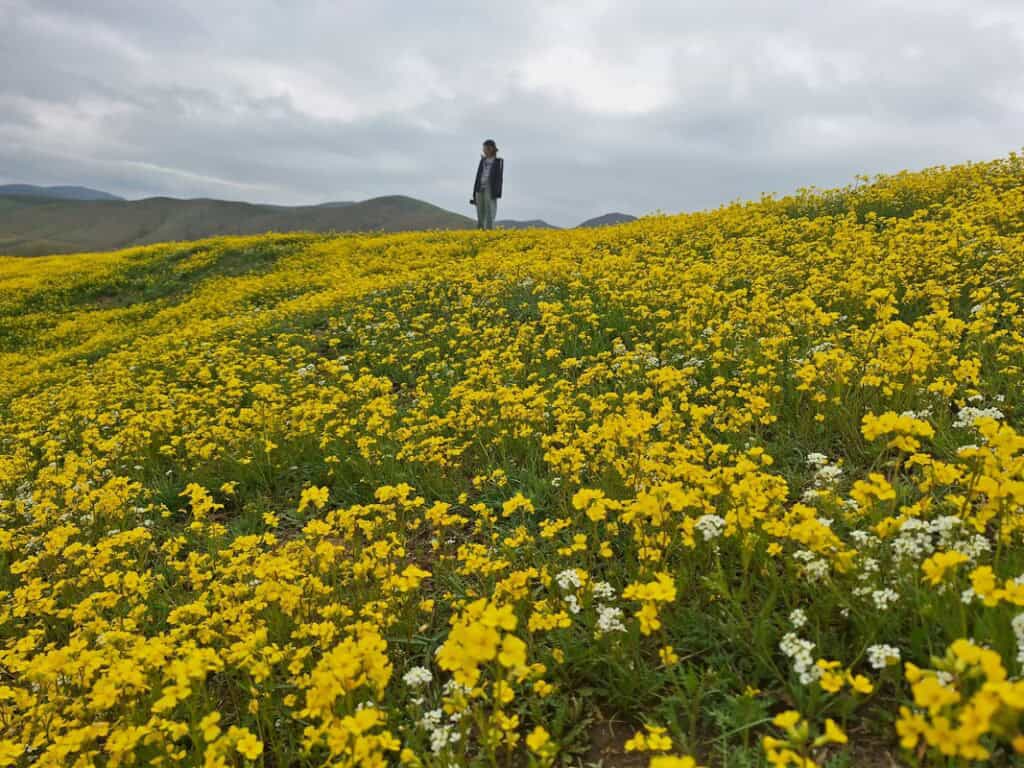
Because this area is less visited than places like Ala Archa, it’s also a good destination if you want to experience nature without crowds.
Horse riding is another great way to explore Chon Kemin in spring. Local guides offer day trips and multi-day treks through the valley, and this is one of the easiest places in Kyrgyzstan to try horseback riding, even if you don’t have much experience.
If you’re traveling in early season and can’t reach high-altitude lakes yet, Chon Kemin is one of the best alternatives. The combination of green landscapes, quiet villages, and snow-capped mountains makes it one of the most scenic places to visit during spring in Kyrgyzstan.
5. Go on a road trip around Issyk Kul Lake
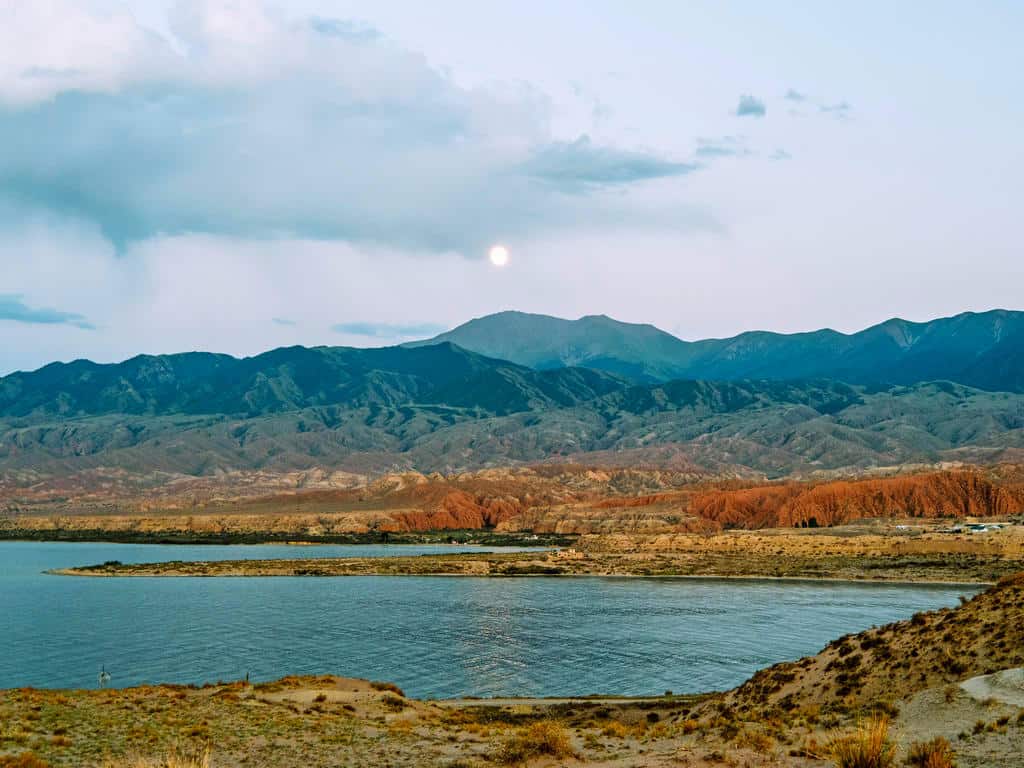
Lake Issyk Kul is one of the most famous places to visit in Kyrgyzstan and also one of Kyrgyzstan’s main tourist attractions. This unique lake in the Northern Tian Shan mountains is the seventh deepest lake in the world and the tenth largest lake , by volume in the world. After the Caspian Sea, it’s also the second largest saline lake.
The name ‘Issyk Kul’ translates to ‘warm lake’ and due to the high levels of salt in the water, this lake never freezes, even though it has a high elevation and no matter how cold it gets in winter. Kayaking is a great way to experience the magnitude of this beautiful alpine lake and because the lake does not freeze, the activity can be done at any point of the year.

There are also some great cultural activities to do and to see around Lake Issyk Kul such as yurt building workshops in Kyzyl-Tuu or learning how to make your own felt rug in Bokonbayevo, on the southern shore of the lake.
Another extremely unique thing to witness whilst visiting Lake Issyk-Kul is an eagle hunting demonstration. The Salburun Federation Eagle Hunters, based on the south shore of the lake, are making sure that they are doing their best to keep this ancient tradition going, passing the skills down to younger generations.

6. Great hikes around Issyk Kul Lake in spring
The surrounding area around Lake Issyk-Kul is as unique as the lake itself. Mars-like canyons, beautiful waterfalls and traditional yurt camps line part of the lake shore and there are many opportunities for great hiking in Kyrgyzstan nearby.
Travellers who are visiting Kyrgyzstan during spring have some good day hike options available here. Mid-spring marks the point where a lot of the well-visited Kyrgyzstan trekking routes open up in the Issyk Kul area. The canyons in this region can be visited all year round.
6.1 Skazka Canyon (Fairy tale Canyon)
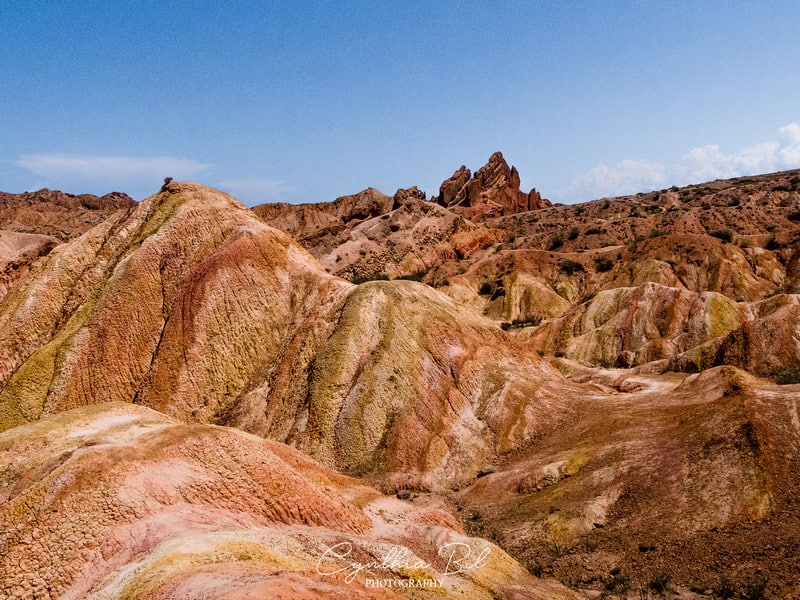
One of the most strange and beautiful landscapes you’ll find in Central Asia is the Skazka Canyon (Fairy Tale Canyon). Visiting this surreal place, you’ll feel like you’re on another planet.
Nicknamed ‘Fairy Tale or Fairy Canyon’, the rock formations scattered throughout this landscape resemble magical creatures, animals and castles and help make it one of the main Kyrgyzstan tourist attractions. The varying colors and shades of red here are mind blowing and completely remarkable.
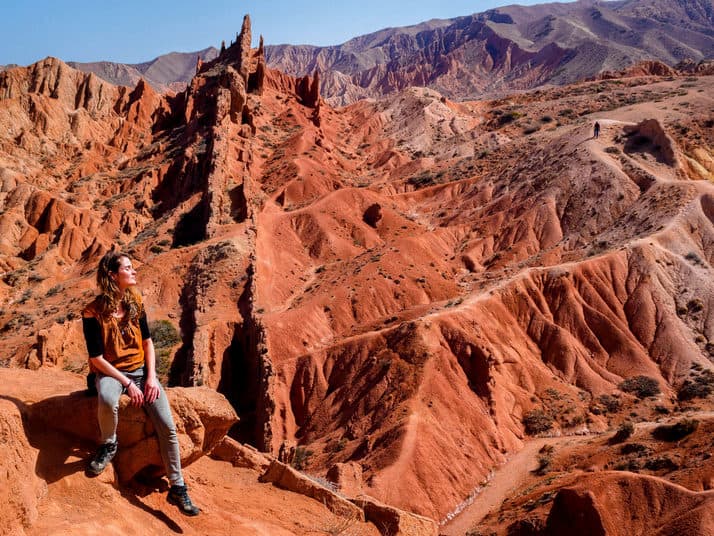
The canyon offers visitors some of the best trekking in Kyrgyzstan during spring and autumn. A visit here is very accessible as it’s right next to the road that connects Bishkek to Karakol. Located on the southern shore of the lake between the villages of Kaji-Say and Tosor is where you’ll find the Skazka Canyon.
For locals, the area holds many myths and stories. A visit here, even in the rain and especially during the shoulder seasons is well worth your time. Although the canyon itself is relatively small, the rewards are big if you decide to make a day hike here.
6.2 Shatyly Panorama Hike
The Shatyly Panorama is probably one of the best easy hikes in the entire country. Great any time of year and any hour of the day, do yourself a favor in spring or fall and get up there for sunrise.
The gentle light climbing up the snow-capped mountains and placid lake is one of the most memorable sites in all of Issyk Kul, and at an easy 3.5km round-trip it’s something you’ll definitely not regret having gotten out of bed for.
6.3 Ak-Sai Petroglyphs
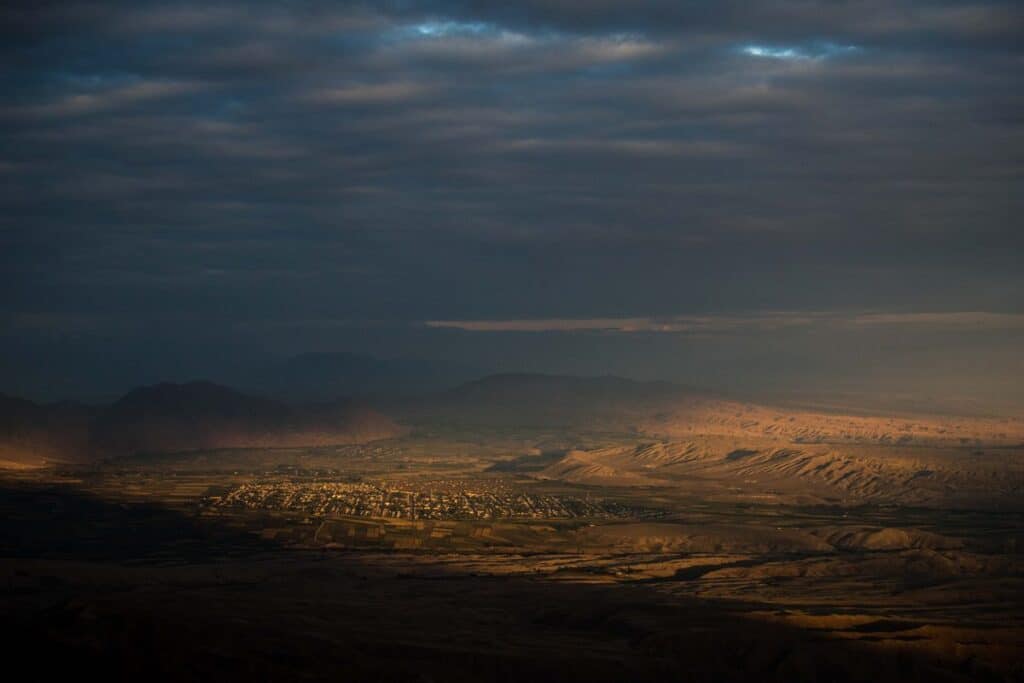
The Ak-Sai Canyons stretch along Lake Issyk-Kul’s southern shore, close to the village of the same name. They are located 16 kilometers from Bokonbaevo and are known by the locals as the ‘Valley of Forgotten Rivers’ due to the remains at the entrance of dried up rivers that once flowed here many years ago.
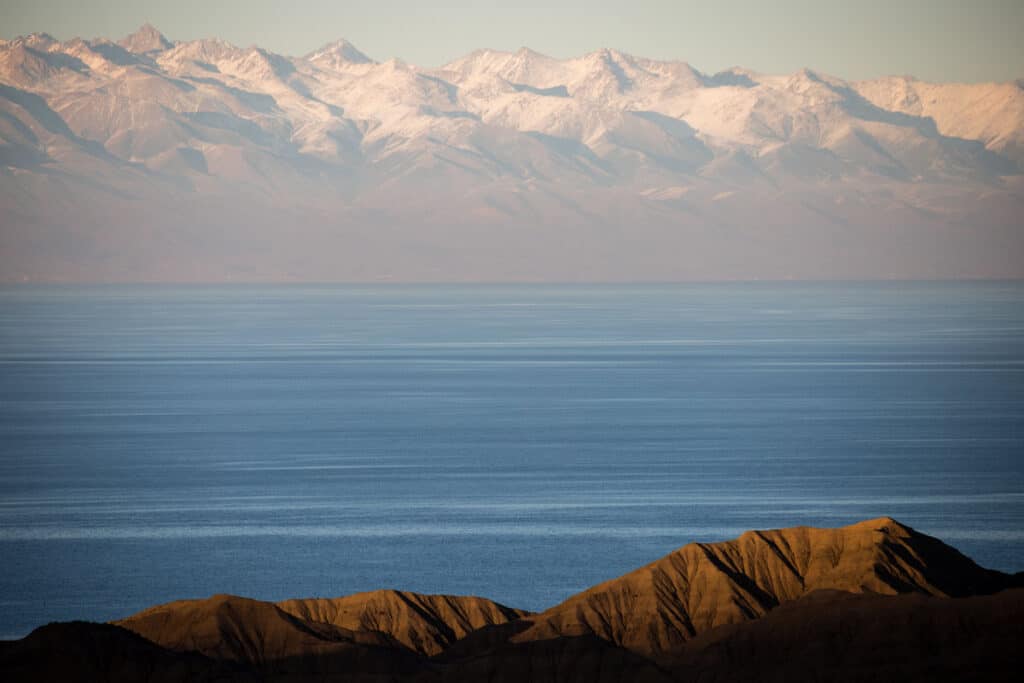
The Ak Sai Petroglyphs make for a surprisingly good short walk. These mountains rarely get much snow, but in mid-spring or late fall the view from the ridge looks out to blinding white peaks and the deep blues of Issyk Kul below.
The eponymous petroglyphs are a nice historical novelty, but in the fall and spring it will be the surrounding landscapes of Issyk Kol that leave the strongest impressions.
6.4 Barskoon Waterfall
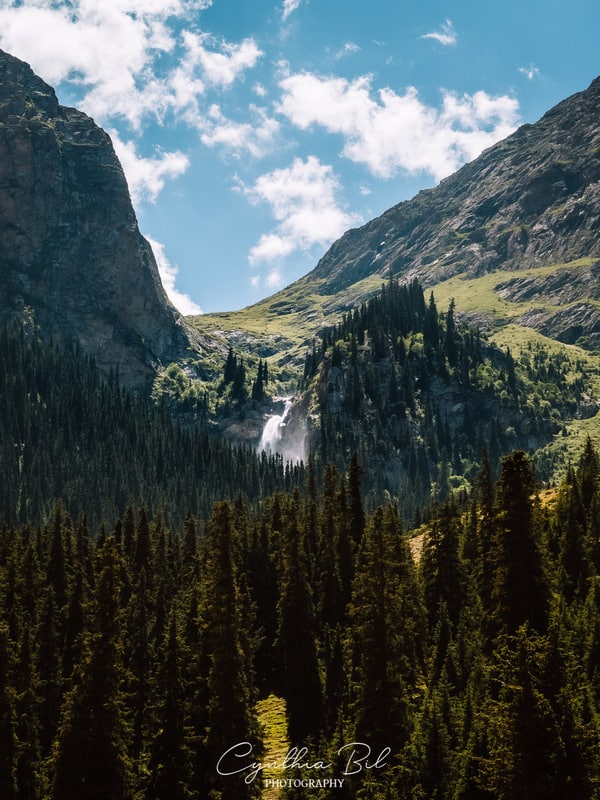
The Barskoon Waterfall is located on the southern shore of Issyk-Kul. Described as one of Kyrgyzstan’s most beautiful waterfalls, the waterfall is not just one, but three separate waterfalls.
The first one is easily accessible in around 20 minutes along a path through the forest and the other two falls are a little more difficult to reach and are higher than the first. You can travel up to them on foot or by horseback.
7. City trip to Karakol
Karakol is known to be one of the best bases for some of the most epic treks in Kyrgyzstan. Described as the country’s ‘outdoor capital’, this city acts like a gateway for adventure as well as offering some of the most delicious food and culinary delights.
The wonderful mix of ethnicities within this small city brings with it a warm and friendly kind of hospitality and a good selection of things to do in the spring season in Kyrgyzstan.

8. Best hikes in spring near Karakol
8.1 Jolgolot Viewpoint
One of the most accessible and closest hikes to do in Karakol is the walk to the Jolgolot Viewpoint. Here you’ll get a beautiful panoramic view of Karakol city and depending on weather conditions, you can sometimes see Lake Issyk Kul in the distance.
To get here take a marshrutka to the Jogolot (Zholgolot) suburb and from there you can walk up to the viewpoint. The walk will take you roughly a couple of hours and it’s especially stunning at sunset.
8.2 Ak-Suu Arboretum
The Ak-Suu Arboretum trek is a relatively easy day hike from Karakol. Accessible for hiking beginners, the path is not too physically demanding and offers some lovely views of alpine meadows and peaks of the Tien Shan mountains.
In total it’s around 13 km and can take around 5 hours to walk, starting with a gentle climb through a forest, the path takes you up across a ridge to the southeast of Karakol.
Views of the surrounding mountain peaks can be seen from here and you can walk towards the Arboretum from the Jolgolot viewpoint. It is one of the hikes in Kyrgyzstan that is still fairly accessible during winter but remember to rent or take some snowshoes with you.
8.3 Jeti Oguz & Valley of Flowers trail
You can travel to the Jeti Oguz village from Karakol as a day trip from the city. The interesting red colored rock formations that spread through the village are bound to draw your eye.
It’s actually considered to be one of the best places in Kyrgyzstan to travel to with kids as the landscape is so beautiful and there are numerous easy hikes and Kyrgyzstan treks to do here. One of which will take you to the Valley of Flowers in only 5 kilometers.

8.4 Altyn-Arashan Hot Springs
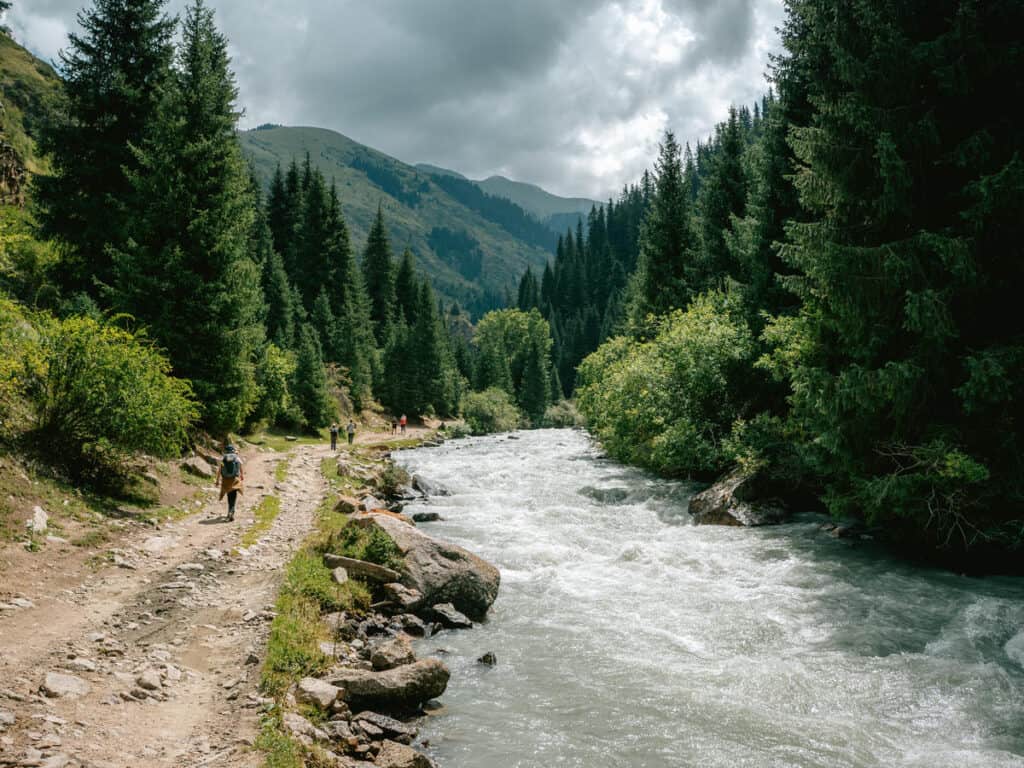
Altyn-Arashan is a very popular day hike near Karakol. The beautiful alpine, green meadows alongside snow capped peaks and fir tree forests, help make it a paradise for many and a hiker’s dream.
The hot, healing waters of the springs are a welcome treat at the end of a long day trekking Kyrygyzstan. In total, it’s a 15 kilometre hike from Ak-Suu village.
9. Horse riding at Son Kul Lake
Son Kul is one of the highlights of Kyrgyzstan, but it’s usually only accessible from June onwards. The lake lies at more than 3000 meters above sea level, and the mountain passes leading there are often still covered in snow during spring.
Once summer begins, the roads open, the jailoos turn green, and nomadic families move to the high pastures, making June the start of the best season to visit Son Kul.
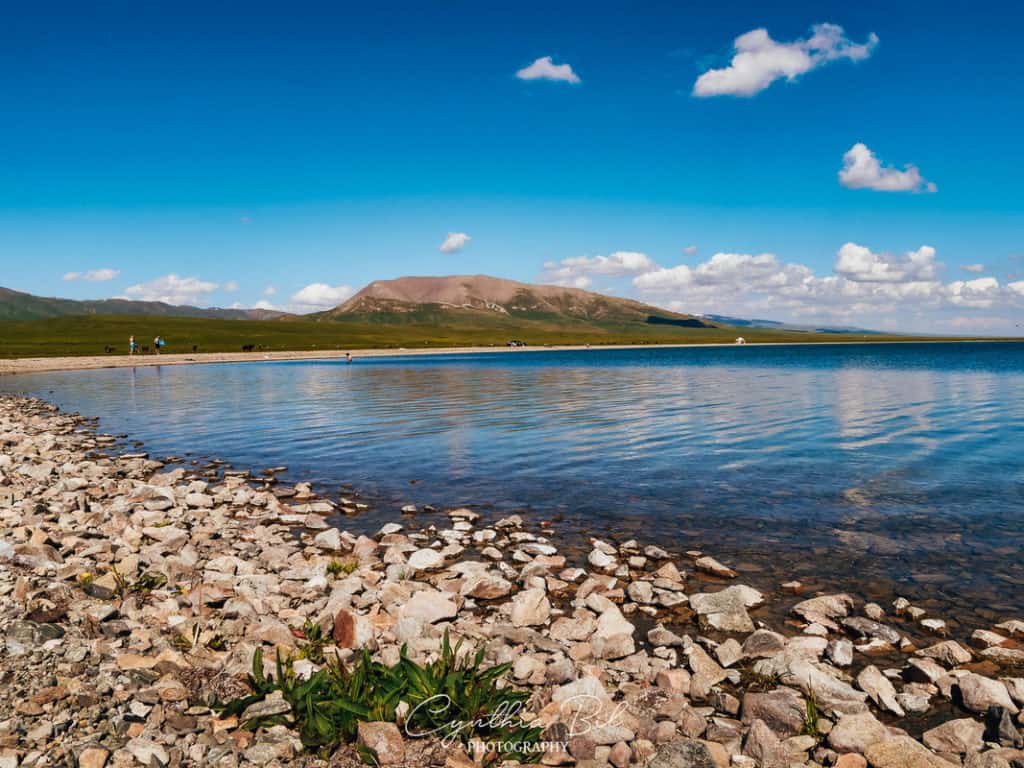
It’s important to say that I wouldn’t advise going trekking alone at Son Kul in June. The weather is still too treacherous during this time and you should definitely get a guide or join a tour.
Most yurt camps around the lakeshore start setting up again from the end of May or the beginning of June, once the mountain passes become accessible. Staying overnight in one of these camps is the best way to experience the quiet beauty and magic of Son Kul, especially in the evening when the lake becomes completely still.
One of the most scenic ways to reach Son Kul is on a horseback trek from Kyzart village, which usually takes around two days. The trail leads through the stunning Kilemche valley and across several rivers, offering incredible views along the way before finally reaching the high-altitude lake.


10. Explore Tash Rabat
The Tash Rabat Caravanserai is a great place to visit in Kyrgyzstan during spring. Popular at any time of the year, this well-visited sight can, however, be more difficult to get to between November and April due to weather conditions.
Situated in the At-Bashy District in the Naryn Province, the caravanserai is located in the south west of Kyrgyzstan where a myriad of mountains border neighboring China.
Once a refuge for travellers passing along the great Silk Road, this type of ancient roadside inn is still fully intact today. The hiking trails are usually only accessible between June and September, including the trail to Panda Pass.


11. Go hiking at Sary Chelek Nature Reserve
Located in the Jalal-Abad region in the west of Kyrgyzstan, tucked into the Western Tien Shan Mountains at the foot of the Chatkal Mountain Range is where you’ll find the Sary Chelek Nature Reserve.
Declared as a UNESCO Biosphere Reserve in 1978, every season here offers something different. The Sary Chelek Nature Reserve is a great place to trek in Kyrgyzstan during autumn. The reserve is best visited between May and October.
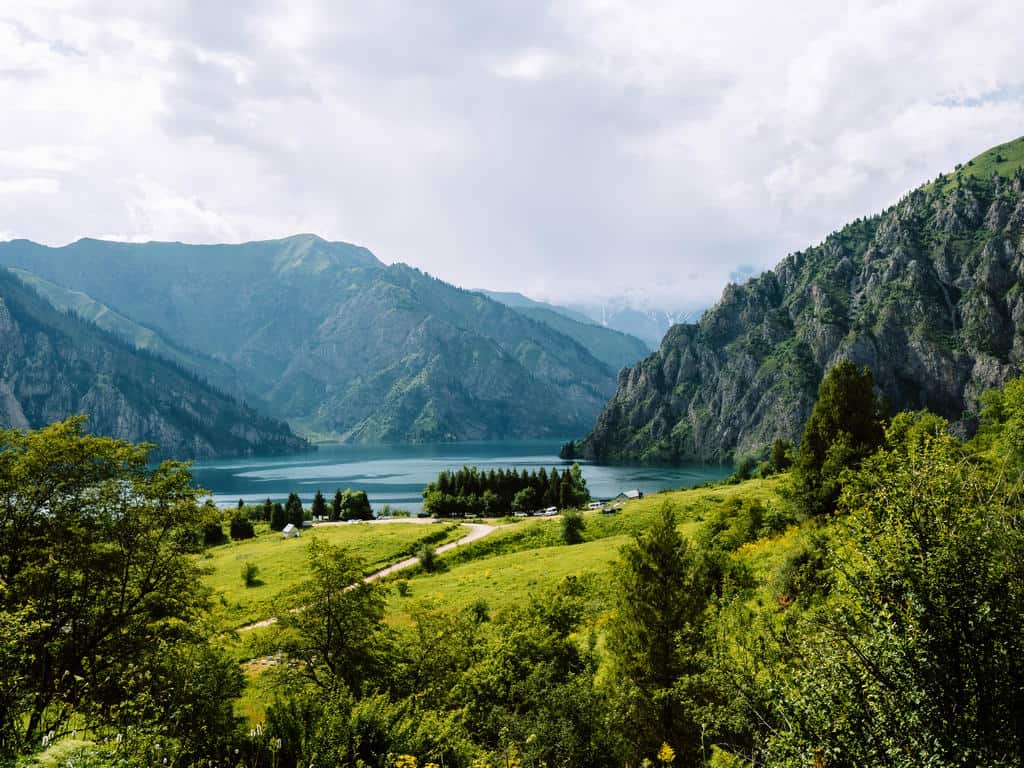
A highlight within the reserve are the Sary Chelek Lakes. The largest of seven other lakes in the area, Sary Chelek lake is stunning at any time of the year. There is a trail that you can walk that will take you to nearly all of the lakes in just one day.
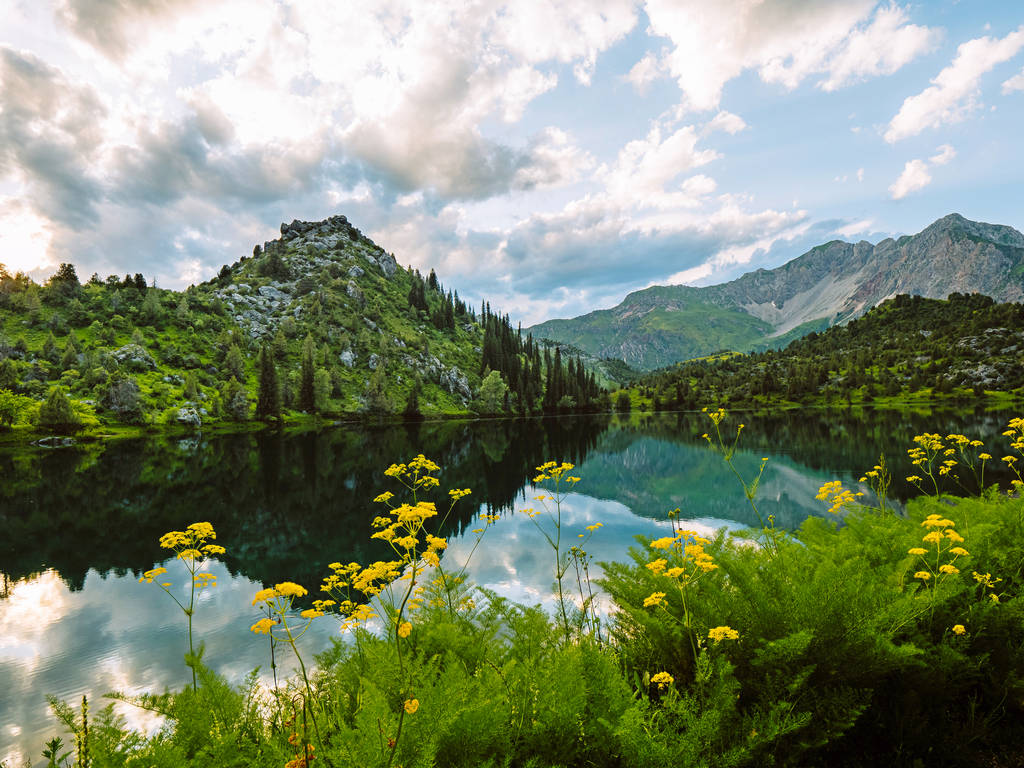
Between December and March, the lake is frozen and surrounded by snow-covered trees and mountains. It’s important to note that the road to the lake is not always accessible, especially during winter.
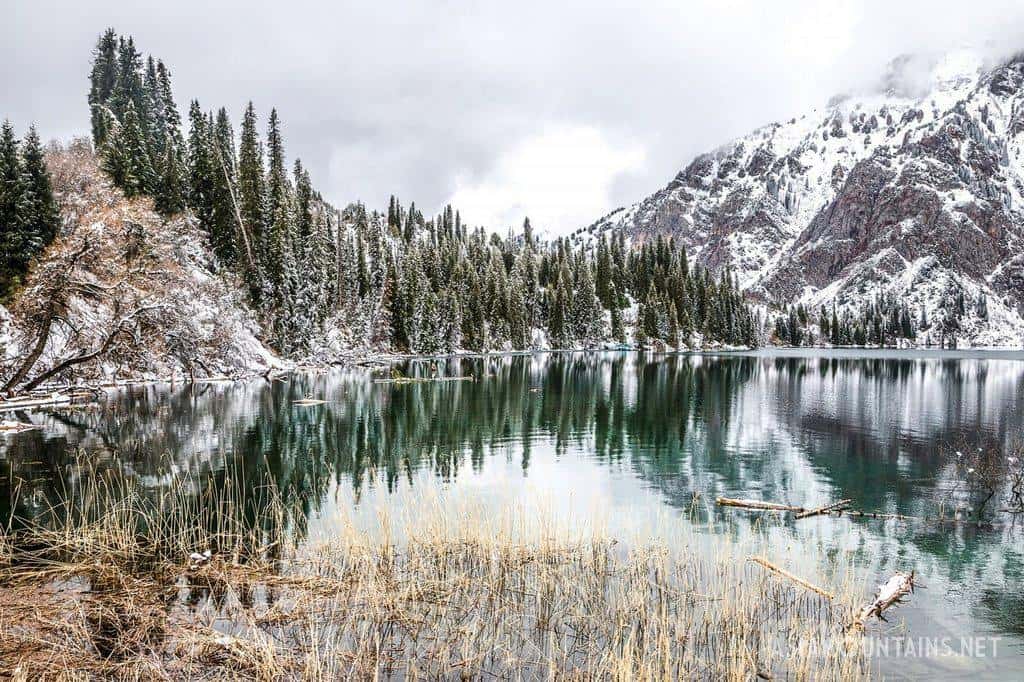
Many of the hikes here can only be done from May until October, depending on the weather conditions. You can navigate some of the trails by using maps.me or buy a trekking map of the area at the Destination Jalal-Abad Tourism Information Center located in Jalal-Abad (near Toktogul Park) or at the tourist office near the entrance of Arkit village (open from May until October).
In spring, the area should be free of snow and between May and June the fruit, blossom trees and flowers are all in full bloom here and it’s a real sight to see. Spring tends to be the wettest time of the year so bring suitable gear and clothing with you.
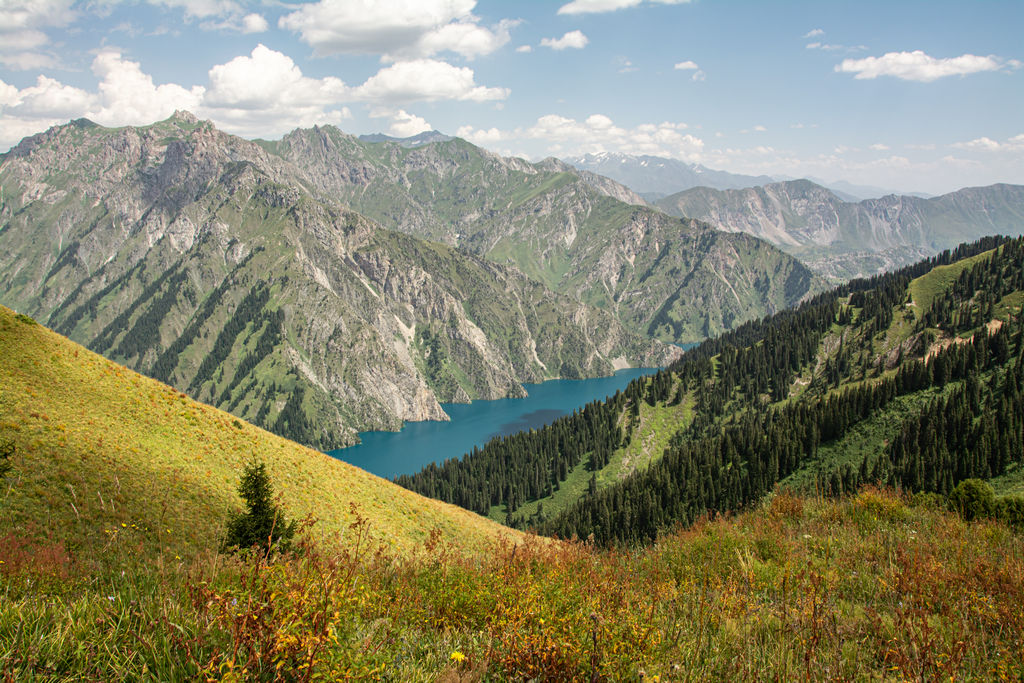
The main lake is a popular spot with the locals and if you choose to do some hiking within the reserve, it’s common to not see another soul, even during the height of summer.


12. Exploring Arslanbob and its walnut forests
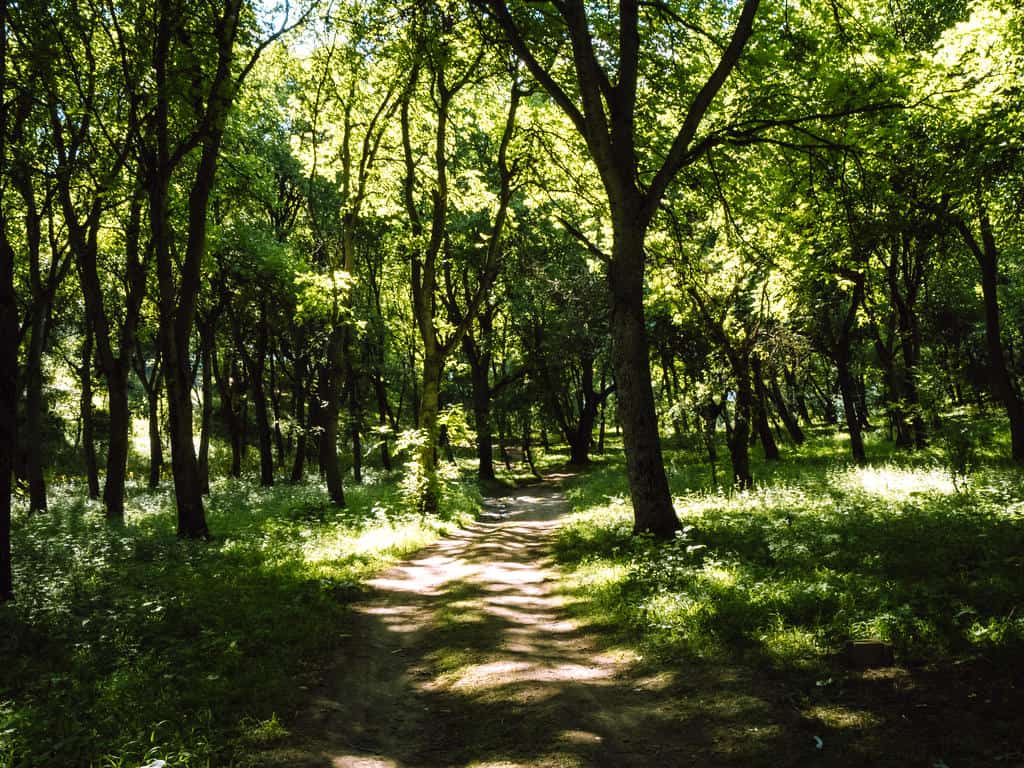
Arslanbob is a valley in Western Kyrgyzstan in the Jalal-Abad region located at an altitude of around 1400 meters and surrounded by the Babash Ata mountain range.
The valley is home to around 16,000 people who live in the five villages spread across the area. The names of the villages are Gumkana, Bel Terek, Kyzyl Alma, Kyzyl Unkur and Arslanbob. The Arslanbob village is located in the middle of the valley and is the largest of them all.
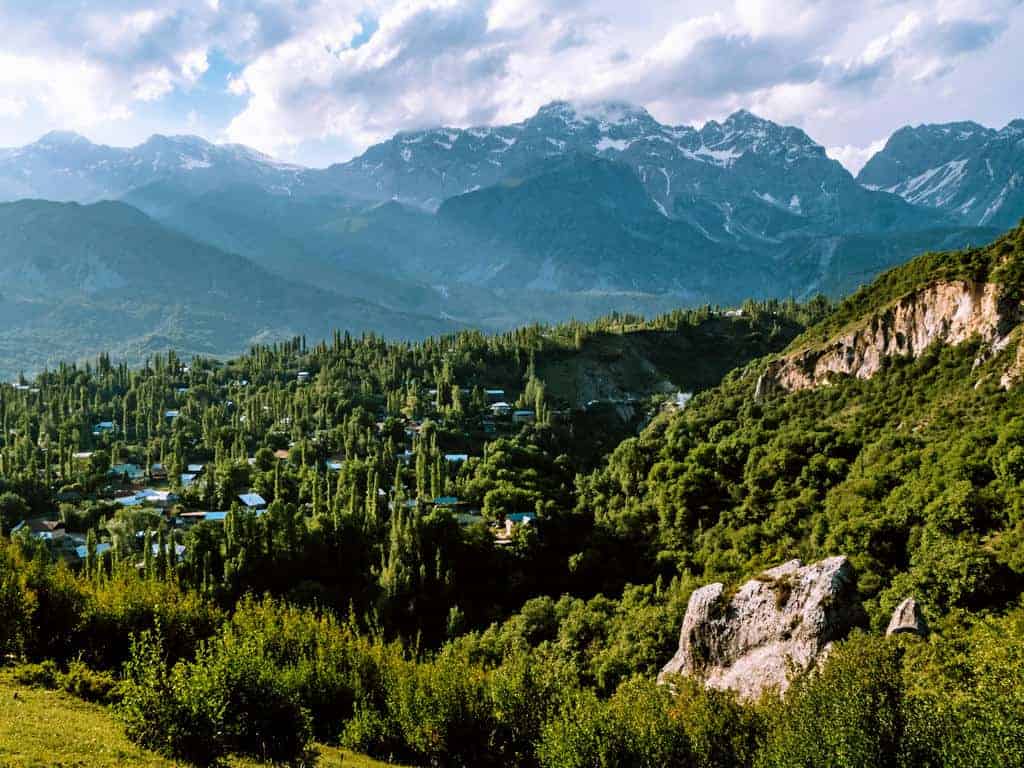
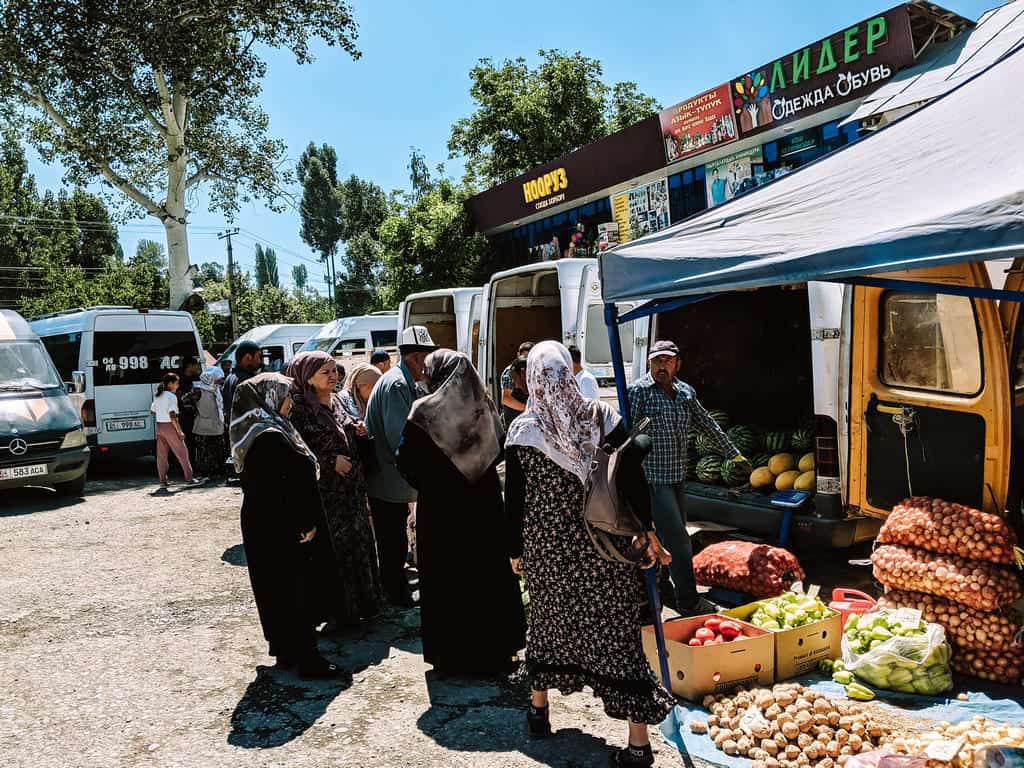
The main population of the villages are of Uzbek descent where the majority of the people here speak a local Uzbek dialect and dress in traditional clothes. It’s a special place in Kyrgyzstan and one of the most conservative. If you plan on visiting, keep in mind that you’ll need to dress modestly, particularly in the home stays and whilst on the streets.
There are multiple choices for trekking in this area during spring. If you’re heading out to do some hiking or horse riding in the area, then the period between early May and early October are the best as the snow has usually cleared.
From walks around the villages, to waterfall trails, mountain biking, horse riding and rock climbing, all can be done whilst in this beautiful area near Osh. Only hiking in the villages is possible here in spring and fall as the higher elevation trails are not accessible.

Another reason to visit Arslanbob is to see the world’s largest walnut forest. Estimated to be around 50 million years old, the forest is home to around 130 varieties of other fruit and nut trees.
The famous walnut harvest happens in late September and early October. Almost every family living in Arslanbob heads out and camps in the forest for several weeks in order to collect the walnuts. The nuts are then sold on, exported or made into walnut oil.

13. Osh
Osh is a fascinating city. The combination of a complex history, alongside the culture and customs of the Kyrgyz people, its close proximity to the Uzbek border and the Uzbek peoples influence on the food, language and culture here all come together to give this city its unique charm.
Osh attracts more and more tourists each year and offers up some of the best food, outdoor adventures and culture in Central Asia.
There are many things to do in Osh and nearby during spring. Why not visit the Animal Market and Hippodrome on a Sunday morning, take a wander to see some of the many Soviet murals, parks or explore the Uzbek neighborhood.

14. Hiking in the region of Osh in Spring
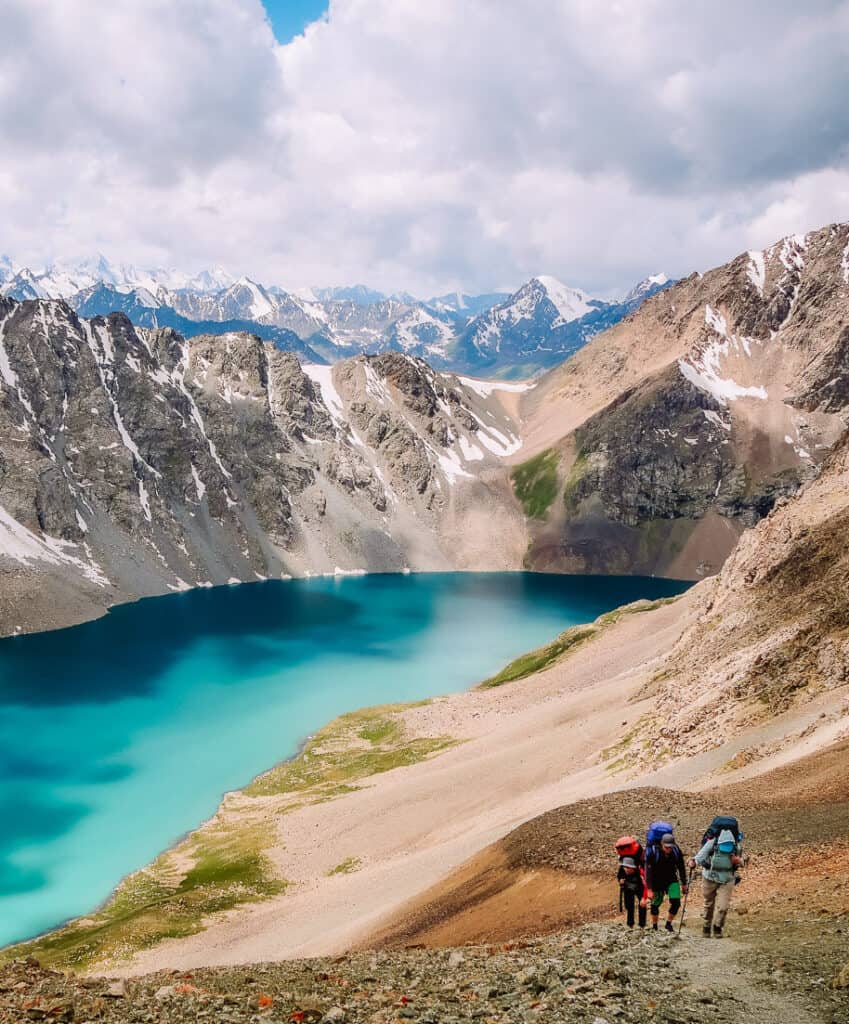
Osh and the surrounding areas are a great place for hiking in Kyrgyzstan during spring. The lower altitude trails in the nearby Alay Mountains are usually open by mid-May and stay fairly accessible until early October, depending of course on snow and weather conditions.
If you’re very keen to hike the higher trails, some of the paths can be walked in September with tour groups but there is a higher chance of snow and much cooler temperatures at night.
Dreaming of hiking through wild mountain landscapes, horseback riding across alpine pastures, sleeping in yurts, and exploring remote valleys by 4×4 with a small group of adventurous travelers?
14.1 Kyrgyz-Ata National Park
The Kyrgyz-Ata National Park is around 40 km from Osh and is becoming more and more popular with international visitors. The park is less than 12 sq km and although small in size, there is a wide range of scenery from the Kara-Koi rivers to the Mazar.
This is a perfect place to come and hike in Kyrgyzstan during the shoulder seasons and makes for an excellent day trip instead of heading up into the Alay Mountains. The nearby Abshir-Ata waterfall is a popular sight that has some good hiking opportunities nearby, taking you further upstream.
14.2 Kychyk Alay Mountains
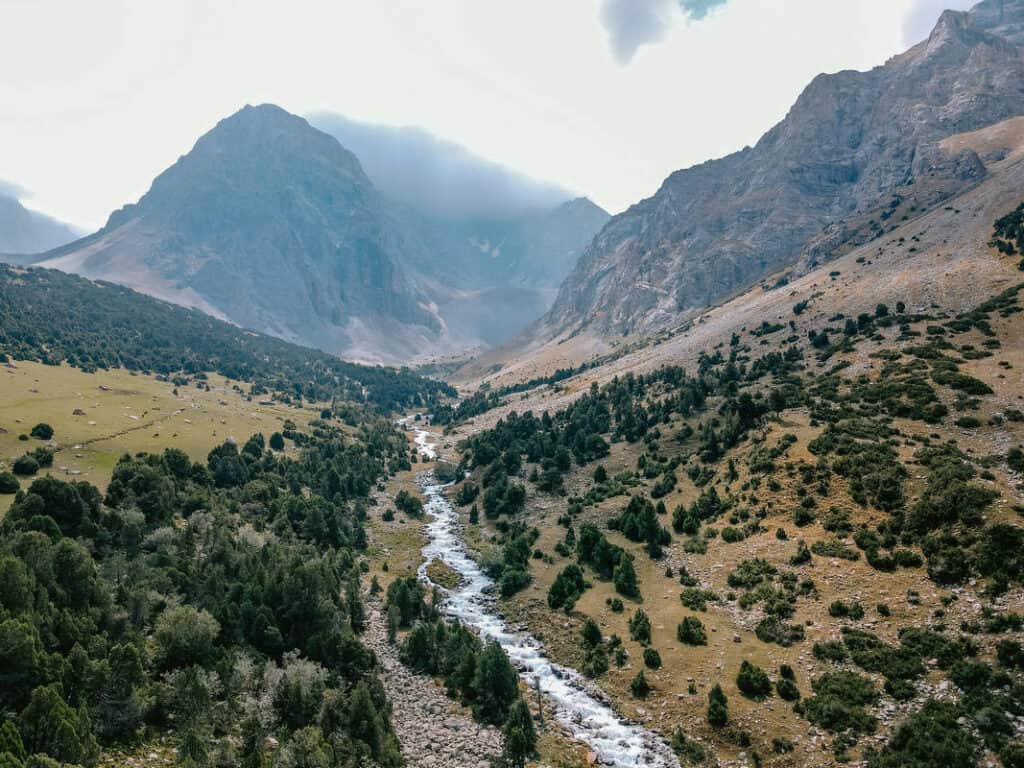
The Alay Mountains are also some of the most untouched mountain ranges in the world as they’re hard to access by public transport. Most travelers don’t even know about their existence (yet).
It has small traditional villages with many nomadic shepherds living in yurt camps during summer. It’s a great place to learn more about local life, gain insight into the nomadic culture, and, of course, go on hikes to enjoy the wild and fabulous nature.
Hiking in the Kychyk Alay Mountains, meaning “lower Alay Mountains”, can be done from mid-May until early October as most valleys will accessible by then. The higher Alay Mountains in the southern part of the Alay mountain range have passes above 4000 meters altitude, which are only accessible from early July until the latest at mid-September.
Before heading out into the Kychyk Alay, you should inform yourself if the trails are accessible. I also don’t recommend going there by yourself, especially when there are still chances for snow fall and avalanches!

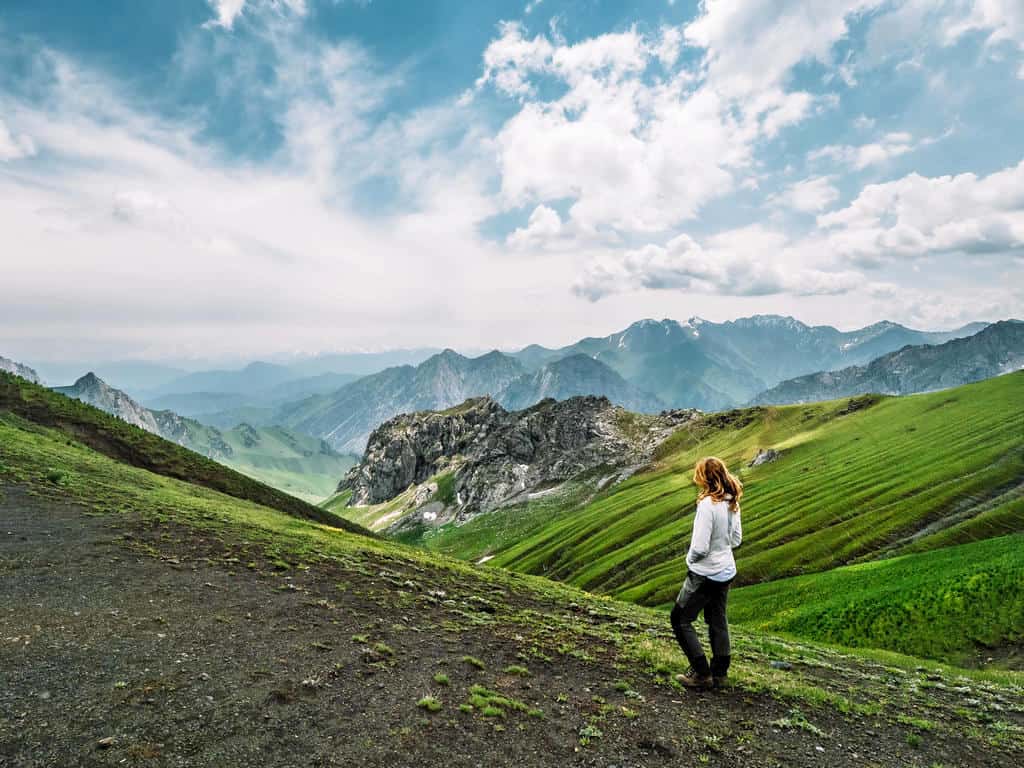
I hope that this guide has inspired you to head off to Kyrgyzstan and experience some of the delights that spring and fall has to offer in this spectacular country. Thanks for reading!
Related Posts

Kyrgyzstan Itinerary: The Ultimate 7, 10, 14 & 21-Day Travel Guide
Why Visit Kyrgyzstan: 12 Reasons why I fell in love with this special country in Central Asia
The best things to do around Issyk Kul Lake in Kyrgyzstan: Highlights, Hiking & one-week itinerary

The Complete guide to the World Nomad Games 2026 in Kyrgyzstan

Naryn Travel Guide: 12 Best Hikes & top things to do in Naryn Kyrgyzstan