
This is a complete guide to horse riding to Song Kul Lake, Kyrgyzstan. It explains in detail how to organize a Song Kul Horse Trek , the best season, a detailed route from Kyzart, current costs (this post is updated for 2027), yurt stays, safety advice and packing tips.
Song Kul Lake, at an altitude of around 3,016 metres, is one of the most striking places to visit in Kyrgyzstan. In summer, herders bring their livestock to the surrounding pastures, while seasonal yurt camps welcome travellers. Staying in a yurt and riding through these wide-open landscapes can give you a glimpse of Kyrgyzstan’s pastoral traditions, although many camps are now set up specifically for tourism.


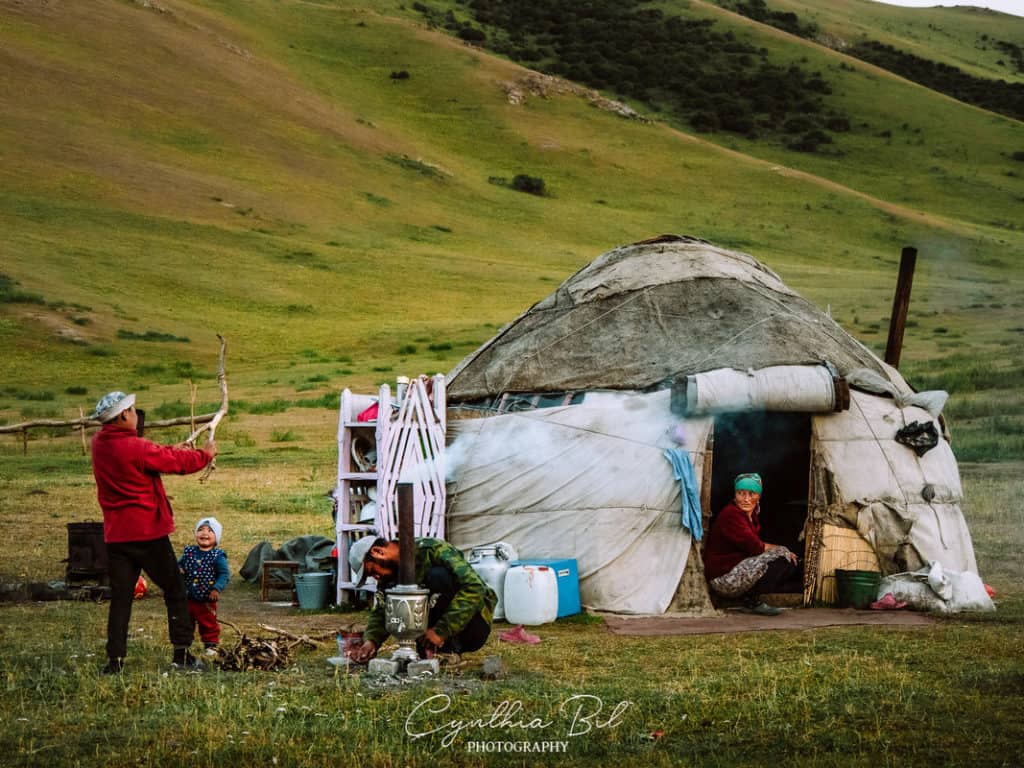

A popular way to reach the lake is on a multi-day Song Kul horse trek from Kyzart, riding through Kilemche Valley and across high mountain pastures. The views are unforgettable, while spending several hours in the saddle each day. This standard route has become increasingly popular since the summer of 2026, but there are alternative horse riding routes to Song Kul (more about that later).
The quality of guiding and horse care varies, so take time to choose a responsible operator. If you’re new to riding, tell the operator before booking and ask how they match riders with horses and support the group on the trail.
In this guide, I’ll share what to expect on a horse trek to Song Kul, when to go, how to organize the trip and what to ask before you book.
Tip: See my Kyrgyzstan Travel Page for a complete overview of all my travel guides!
Disclaimer: This posts might contain affiliate links, meaning that if you make a purchase through these links, I may earn an affiliate commission. Thank you for helping to support this website!
Plan your trip to kyrgyzstan!
✈️ Compare cheapest fares to Bishkek or Osh
🏨 Find hotels and yurt stays in Kyrgyzstan
📱 Get a Kyrgyzstan eSIM
🛡️ Travel insurance for Kyrgyzstan
🎒 What you should pack: Kyrgyzstan packing list
🥾 Want to go hiking: Best hiking trails in Kyrgyzstan
🐎 Want to go horse riding: Favorite horse trekking experiences
🗺️ Plan your route: Learn about my itinerary planning services
⛰️ Prefer traveling with a group: Kyrgyzstan adventure tours
1. Why should you go on a Song Kul horse trek?
Riding to Song Kul Lake on horseback is one of the most unforgettable experiences of my years of traveling in Kyrgyzstan. There’s something magical about exploring the wild landscapes the way the Kyrgyz nomads have done for centuries. The feeling of freedom as my horse carried me across valleys and mountain passes, with nothing but mountains and endless sky in every direction, was unlike anything I had ever experienced.
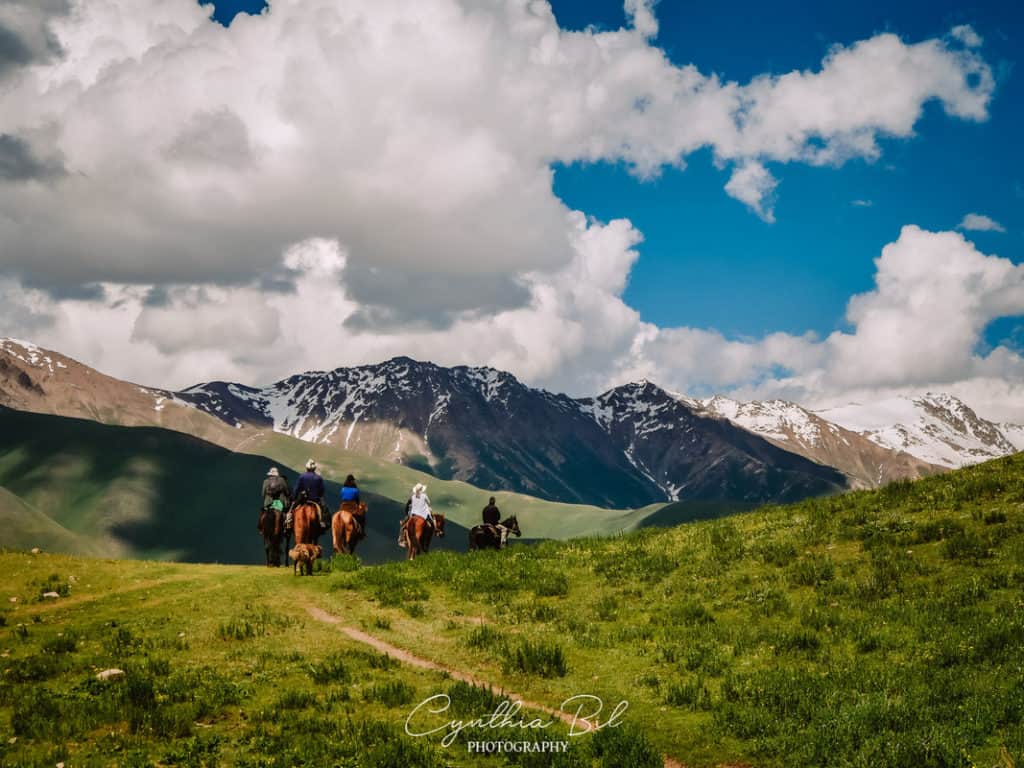
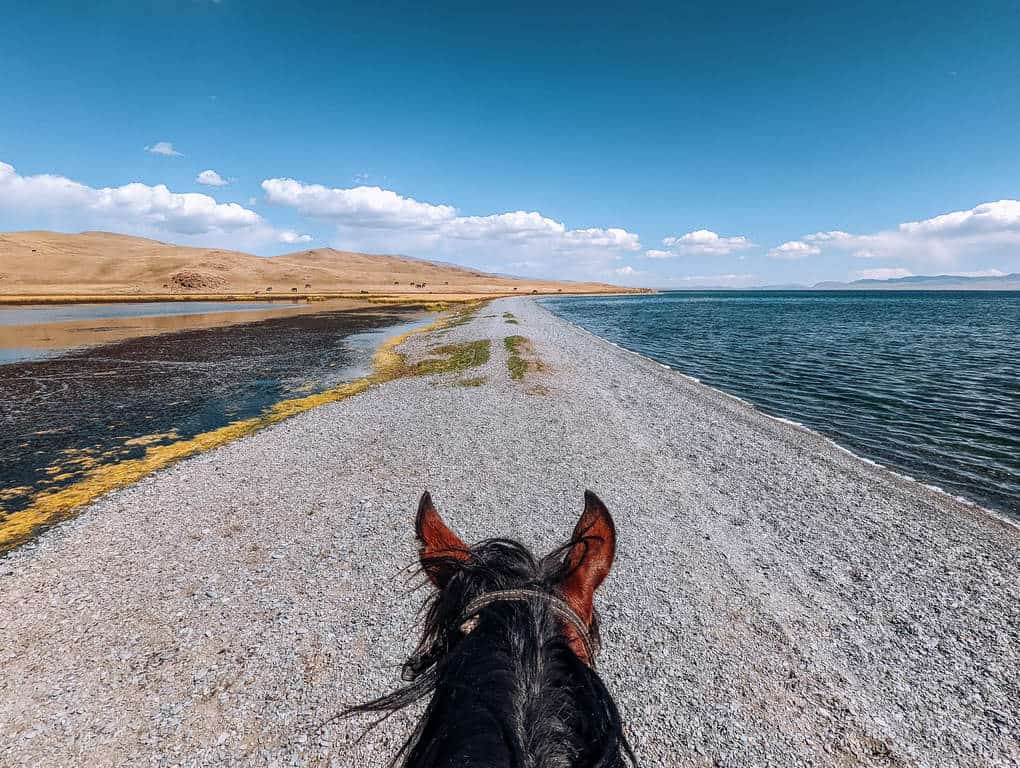
You move through the landscape at the pace of the horse, following valleys and summer pastures used by herding families. The scenery changes as you climb: green jailoo, broad views across the mountain pastures and, finally, the open basin around the lake.
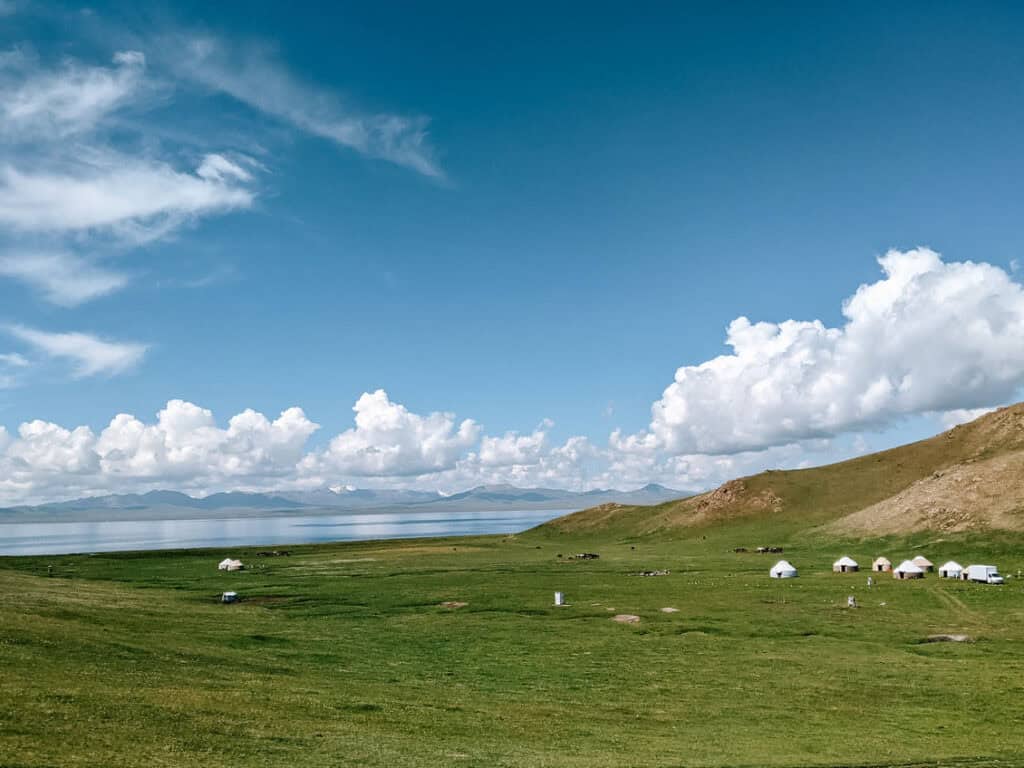
The yurt stays are part of the experience too. In summer, local families and tourism providers set up camps in the pastures. You’ll share simple meals, spend the evening in a yurt and wake up in the quiet of the mountains. It is a glimpse of life in the high pastures, though most guest yurts today are arranged specifically to host travellers.
You don’t need to be an expert rider to consider the trip, but do be honest about your experience and comfort around horses. A 3-day trek means several hours in the saddle each day, not a short introductory ride.


2. When is the best time to go horse riding to Song Kul?
The best time to go horse riding to Song Kul Lake is from mid-June to mid-September when the weather is at its most favorable. During this period, the mountain passes leading to the lake are free of snow, making the journey safer and more accessible.
The summer months bring mild temperatures, with daytime highs ranging from 15 to 25°C (59 to 77°F), perfect for long hours of riding. The nights, however, can still be quite cold, sometimes dropping close to freezing, so packing warm clothing is essential. This is also the time when the nomadic herders set up their yurts in the high pastures.
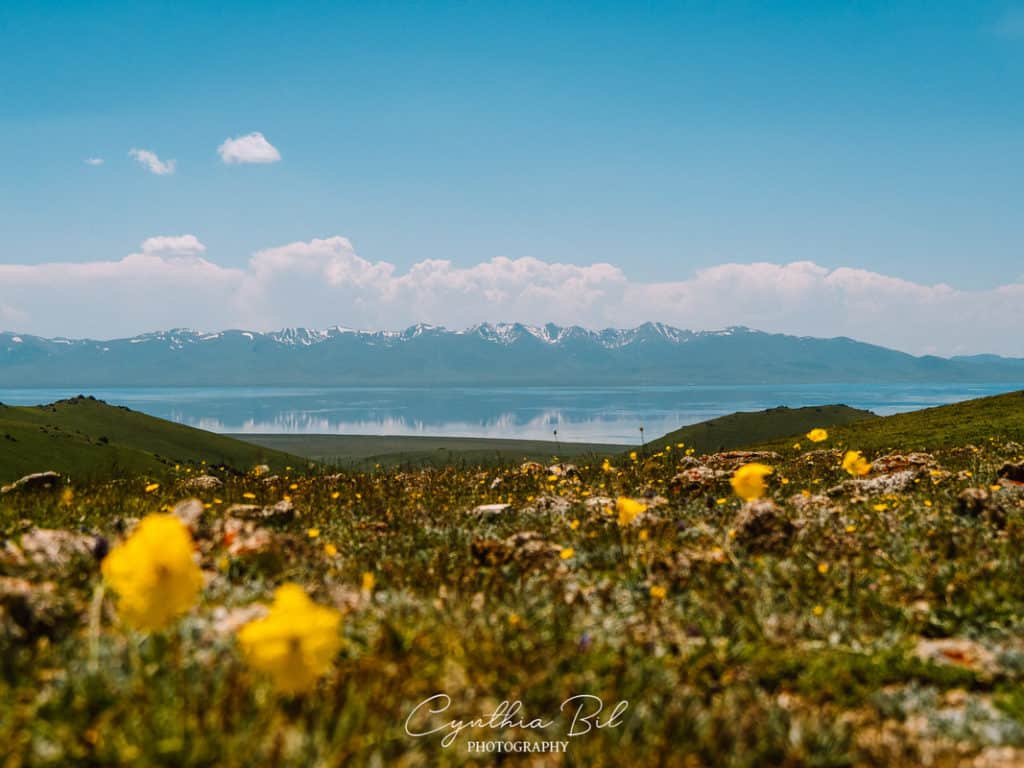
June and early July are particularly beautiful as the valleys and meadows are lush and covered in colorful wildflowers. This is when the landscapes feel the most alive, and the lake is at its clearest, reflecting the surrounding mountains like a mirror.
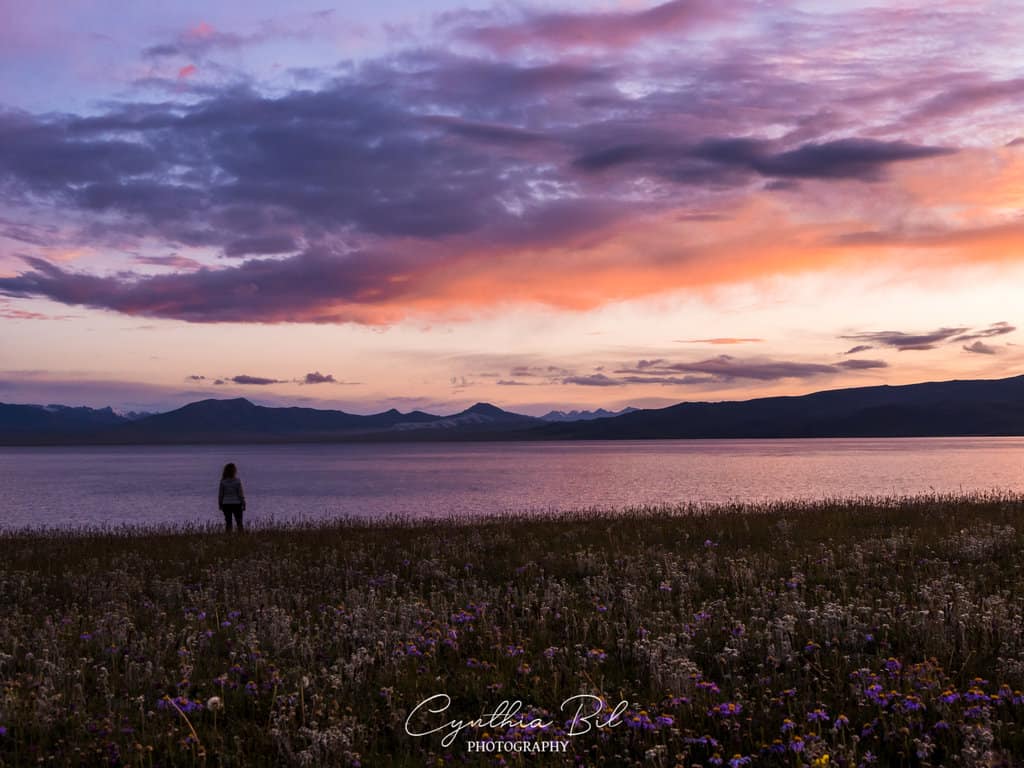
August is the warmest month, ideal for those who prefer more stable weather conditions, though it can also be a bit busier with tourists. By September, the air becomes crisper, and the colors start to change, giving the area a golden autumn glow. This is a great time for those who prefer fewer crowds and enjoy cooler, more refreshing riding conditions.

Outside of this window, traveling to Song Kul on horseback becomes much more challenging. From October to May, snow blankets the region, and the yurts are taken down as herders move to lower altitudes. The lake freezes over, and temperatures can plummet well below freezing, making horse riding very challenging. Even in late spring, some mountain passes may still be blocked by snow.
For the best experience, you should plan your horse riding trip between June and September.

Can you ride to Song Kul in winter?
While it is technically possible to go on a horse riding trip to Song Kul Lake in winter, it is highly challenging and not recommended for most travelers. The lake sits at over 3,000 meters (9,800 feet) above sea level, and during winter, the region experiences extreme cold, heavy snowfall, and strong winds.
The trails leading to the lake become covered in deep snow, making navigation difficult and potentially dangerous. Horses also struggle in such conditions, as icy paths and deep drifts can slow their movement and increase the risk of injury.
I would strongly advise not going there alone as that would be very dangerous. Temperatures during winter can drop to -30° C (-22 F) in the evening in the mountains that surround the lake.
Most guides and nomadic families leave the area for lower altitudes during this time, meaning there are practically no yurts or established camps available for shelter. Even experienced local horsemen rarely attempt this journey in winter, as the deep snow and icy trails make it challenging for horses to move safely.
It’s important to organize a winter horse riding tour with a reputed guide or company that has organized tours like this in the past. It requires expert preparation, including specialized winter gear, extra provisions, and emergency planning. Horses need to be well-trained for winter conditions, and you have to be physically prepared for extreme cold and long, exhausting rides.


3. The classic Kyzart to Song Kul horse trek
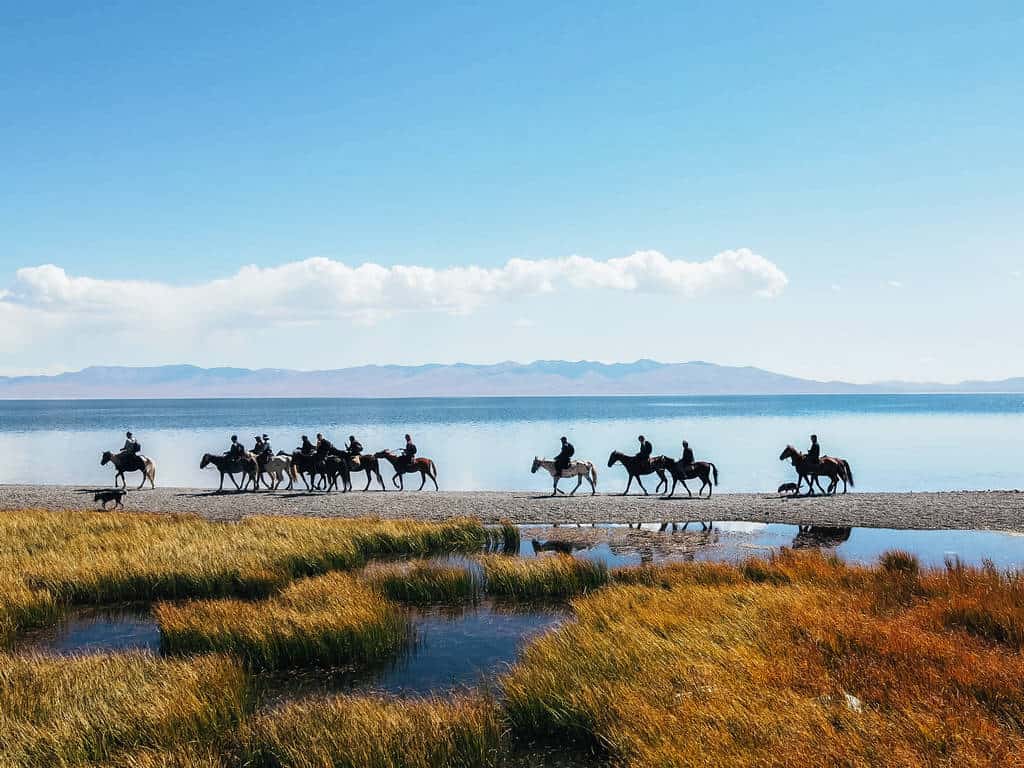
Most 3-day rides start and finish in Kyzart, a village south of Kochkor. The route usually includes an overnight in Kilemche Valley, a ride over a high pass to Song Kul, and a return to Kyzart by a different pass or route. Here’s the itinerary that most follow:
Day 1: Kyzart to Kilemche Valley
After meeting your guide and horsemen in Kyzart, you ride into open hills and the Kilemche summer pastures. The first day is often around 4 hours in the saddle, giving you time to get used to your horse and the rhythm of the group. You spend the night at a yurt camp in the Kilemche valley.
Day 2: Kilemche to Song Kul
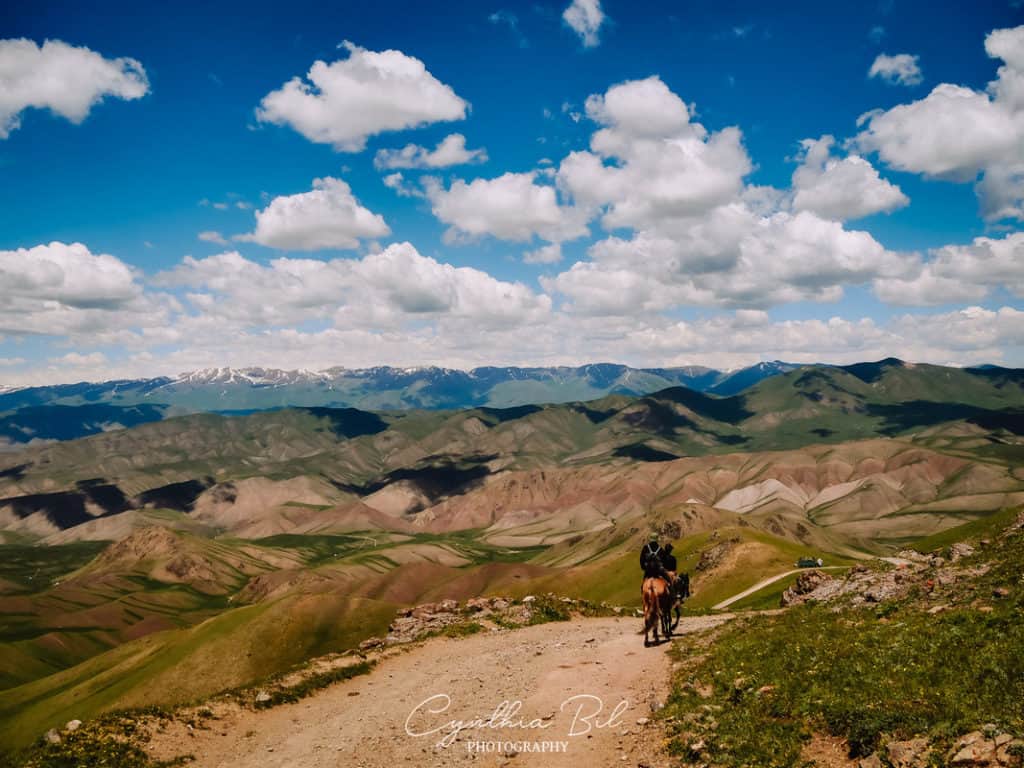
The route climbs towards a high mountain pass, often Tuz-Ashuu, before descending into the wide basin around Song Kul. This is usually the most dramatic day of the ride: the lake comes into view as you cross the pass, and the landscape opens into high-altitude pasture. Expect several hours on horseback and a night at a lakeside yurt camp.
Day 3: Song Kul to Kyzart
After breakfast, you leave the lake and ride back towards Kyzart over a mountain pass. The return day can be longer than the previous riding days, so expect up to 6 hours in the saddle, depending on the route and conditions. You’ll arrive back in Kyzart in the afternoon.
This classic Kyzart-Kilemche-Song Kul route is beautiful, but it’s also the route most horse treks follow. Less-travelled alternatives exist, although they’re not widely offered. On my 3-day Song Kul horse riding tour, I offer a quiet and exclusive route through Jol Kara Valley to the lake’s western shore, followed by a different return route.
Explore Kyrgyzstan’s high alpine pastures on horseback and ride to Song Kul Lake on a remote route, accompanied by experienced English-speaking local guides and a small group of fellow travellers.


4. Is the Song Kul horse trek suitable for beginners?
Most guided trips accept first-time riders, but “beginner-friendly” does not mean effortless. You spend 4 to 6 hours in the saddle each day, often at altitude and on uneven ground. Your hips, legs and lower back may feel sore, especially on the first day. You should be reasonably fit, comfortable around animals and able to follow instructions while riding.
Before booking, tell the operator honestly how much riding you have done. Ask whether the horse will be matched to your size and experience, whether a helmet is available, how many guests each guide or horseman supports, and whether you need to walk beside the horse on steep or slippery sections. Riding pace should be set by the least experienced rider and the horses’ welfare.
5. Safety and horse welfare
Horse riding to Song Kul Lake is generally safe, even for beginners, as long as you go with an experienced guide.
A proper tour operator makes sure that the horses used for multi-day trekking are well-trained and accustomed to the mountainous terrain. The pace should be steady and manageable and the guide should know how to handle any challenges that may arise, such as sudden changes in weather or tricky mountain passes.
Important for 2027: check the experience of the guide and the well-being of the horses, not only the price. Horse trekking has become popular, and the quality of guiding and animal care unfortunately varies. Ask about the guide’s experience with guests,first aid and what they would do in an emergency. Check that the horse looks healthy, is not visibly lame or exhausted, and has well-fitted tack. If something seems wrong, speak up before the ride starts.
A low-cost offer can also mean a large group with too few (inexperienced) guides or horsemen. As the demand is high, some operators use horses that have little experience carrying tourists and aren’t accustomed to the pace or handling required on a trek.
If safety and horse welfare matter to you, paying more for a reputable operator with experienced staff, suitable horses and a sensible group size can be money well spent.
Do not ride a horse that appears injured, distressed or poorly equipped. Ask how often the horses work and what rest they receive. If you are uncomfortable with the horse you are assigned, tell the guide before leaving camp.
It’s also important to understand that outdoor adventures in remote areas have certain risks. The high-altitude environment means the weather can change quickly, with sudden rain, strong winds, or even snowfall, even in summer. You should also be physically prepared for the altitude, as some travelers may experience mild symptoms of altitude sickness.
Additionally, some of the trails can be steep and rocky in certain sections, so following your guide’s instructions and staying alert while riding is crucial.
As long as you take the necessary precautions and travel with a reputable guide, horse riding to Song Kul Lake is a safe and unforgettable adventure.

It’s also paramount to have good travel insurance before going on a horse trip to Kyrgyzstan. The insurance I recommend is HeyMondo. It covers almost anything that could virtually happen to you in high mountain altitudes and covers you on treks of up to 5,000 meters.
HeyMondo is also one of the few policies that won’t require you to be in your home country to purchase, renew or extend your insurance. If your trip happens to go on a little longer than planned, you can easily extend your plan online.
Need Travel Insurance for Central Asia? I use and highly recommend HeyMondo Travel Insurance. As a reader of Journal of Nomads, you get a 5% discount off your insurance plan!

6. Where do you sleep on a horse riding trip to lake Song Kul?
From early/mid-June until mid-September, you’ll find several yurt camps in the valleys surrounding the lake and many on the shores of Song Kol Lake. Most yurt camps in Kilemche and around the lake are family-run and tourism-operated camps.
When booking a trip with a tour operator, your stay in the yurt camps should be included. If you’re travelling independently, you can arrange your stay directly with the yurt owners upon arriving there. Keep in mind that if you’re following the classic route, places are limited during high-season in the Kilemche Valley.
Expect outdoor toilets, ranging from a basic squat toilet to a flushing toilet with a seat. Some camps have showers, sometimes for an additional fee. Electricity, charging points and mobile reception can be limited.
As a rough late-2026 guide, a place in a tourist yurt camp costs around US$25 per person for accommodation and breakfast, though some camps charge more. Dinner and lunch might cost extra. A private yurt for two can cost around US$60 or more, where available.
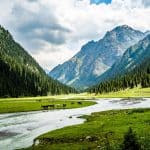


7. How to organize a horse trek to Song Kul Lake
You can book the classical Song Kul horse trek online or directly via a guesthouse or a horse provider in Kyzart village. Many operators now offer the classic route as it’s a very popular one, so Kyzart and the trail can get very busy during the summer. Just know that a lot of choice doesn’t always guarantee good guiding or proper care for the horses. Read the Safety and horse welfare section above, and ask questions before booking.
Check that the guide speaks enough English for clear safety instructions, has experience with guests and knows what to do in an emergency. Ask how many riders each guide or horseman will support, and how the horses are selected, rested and cared for. Confirm the daily riding hours and what happens if the weather changes, if someone needs to stop or how they handle an emergency.
Prices vary depending on the operator and your preferences, such as an English-speaking guide, the group size or extra transport. Check whether the price covers the horseman’s own horse, meals and overnight costs, yurt-camp facilities and transfers. A low price may leave important services out, so compare what’s included as well as the total cost.
If you’d like to explore Song Kul on a less-travelled route, check out my 3-day Song Kul horse riding tour. Instead of following the usual trail through Kilemche, you ride through the Jol Kara Valley to the lake’s western shore. The group is kept small and I work with a professionally trained, English-speaking guide, experienced local horsemen and a responsible horse owner who prioritises the horses’ wellbeing.
Explore Kyrgyzstan’s high alpine pastures on horseback and ride to Song Kul Lake on a remote route, accompanied by experienced English-speaking local guides and a small group of fellow travellers.
Can you ride to Song Kul without a guide?
I receive quite a few inquiries from experienced riders who want to rent a horse and set off on their own. You may be able to arrange a ride without a separate guide, but the horse owner will very likely require a horseman to accompany you. Horses are valuable working animals, and owners are often reluctant to send them into the mountains without someone who knows the animal and the route.
Even if you’re an experienced rider, don’t ride alone unless you also have strong navigation skills and a clear emergency plan. The routes cross high passes and aren’t marked like urban trails. If you have the right experience, contact a local owner or operator in advance to ask what they can arrange.

8. How much does a Song Kul horse trek cost?
There are a lot of tour operators in Kyrgyzstan offering a Song Kul horse trek and they all offer very different packages. The price depends on the number of days, group size, whether or not the guide is experienced and speaks English, horsemen, yurt accommodation, meals and transfers. Compare the full inclusions rather than the headline price.
For an average indication, a group trek on the classic Kyzart-Kilemche-Song Kul route costs around €300 per person. This usually includes a horse, a local (non-English speaking) horseman, meals and 2 nights in yurt camps. An experienced English-speaking guide and transfers to and from Kyzart are often extra, so check exactly what’s included before booking.
If a quote is much cheaper than others, ask what has been left out and how the operator cares for its horses. A low price is not a bargain if the horses are overworked or the group is poorly supervised.
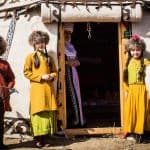
9. How to get from Bishkek to Kyzart
Not every Song Kul tour starts in the same place. Some operators arrange the drive from Bishkek to the trailhead, which takes around 3 to 4 hours. Others meet in Kochkor or Kyzart. Before booking, check where your tour starts and finishes, and whether transfers are included in the price.
You can travel from Bishkek to Kochkor by marshrutka (minibus) or shared taxi, then continue to Kyzart by shared taxi. As Kyzart becomes a more popular starting point for horse treks, direct minibuses from Bishkek may also be available, but check locally because routes and departure times can change. Vehicles often leave when they’re full, so if you need to meet your group in the morning, it’s best to travel the day before and spend the night in Kochkor or Kyzart.
How to get from Bishkek to Kochkor
You can take a direct marshrutka from the New Bishkek Bus Station to Kochkor Bus Station. This costs 350 KGS per person and the ride takes around 3 to 4 hours. A seat in a shared taxi from Bishkek to Kochkor costs around 600 KGS.
How to get from Kochkor to Kyzart
You’ll find shared taxis at the Kochkor Bus Station. A seat costs around 250 KGS. If you want to take a private taxi, you should count on 2500 KGS for the whole car.
How to get from Bishkek to Kyzart
If a direct marshrutka is available, you should find them at the New Bishkek Bus Station. This costs 400 KGS and takes around 3 to 4 hours. If there’s no suitable direct minibus to Kyzart, travel to Kochkor first by marshrutka and continue by shared taxi to Kyzart.
Where to stay in Kochkor
Kochkor is a convenient base before your horse trek, with a good choice of guesthouses, several restaurants and a few larger supermarkets where you can stock up on supplies.
Here are my recommendations for guesthouses in Kochkor, located in the city center:
Where to stay in Kyzart
Kyzart has a growing choice of guesthouses, many of which serve home-cooked meals, as there are no restaurants in the village yet. You’ll find a few small convenience shops for basic supplies, but no large supermarkets, so stock up in Kochkor if you need anything specific.
My recommendations for Kyzart:
Are you looking for a customized guided tour in Kyrgyzstan or elsewhere in Central Asia? Or would you like help with planning your itinerary and organizing your trip with confidence? Thanks to my years of experience in the region, I can help you with creating a trip that goes beyond the typical route!
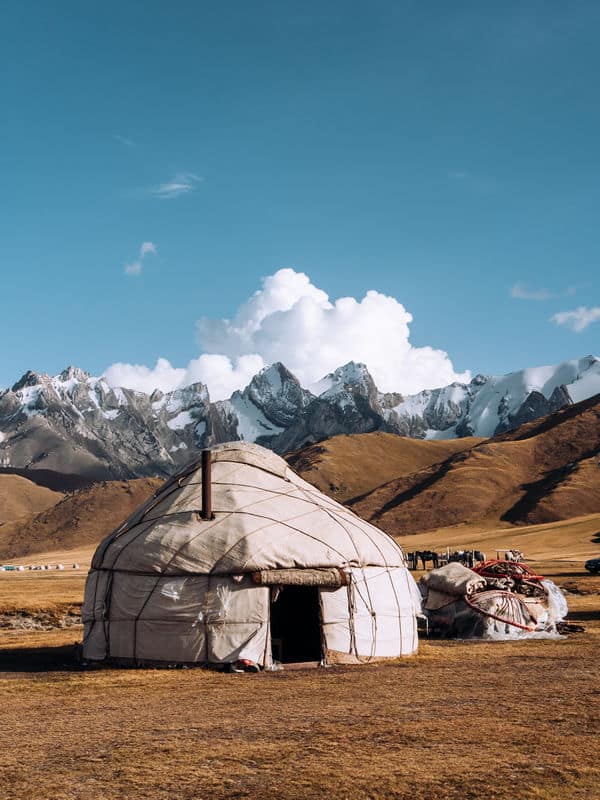
10. What should you pack for a Song Kul horse trek?
Pack a small day bag for the trek and check with your operator about how the rest of your luggage will be carried. Horses can carry only a limited load, and operators may set a strict weight limit (which they honestly should if they care for their horses…), so use a soft bag rather than a suitcase. You can usually leave non-essential luggage at your guesthouse in Kochkor or Kyzart (check with them in advance) and pack only what you need for the trek.
Song Kul sits above 3,000 metres, and the weather can change quickly. Pack light, choose comfortable, quick-drying clothes suitable for riding, and dress in layers so you’re ready for both warm sunshine and cold, wet weather.
Here’s an overview of what you need:
- Small backpack (25L-30L): to carry everything you need for the day. A small bag won’t weigh you down on the horse and won’t interfere with your balance.
- High hiking boots: to protect your ankles in the stirrups
- Long pants: to protect your legs from rubbing against the saddle and stirrup leathers. Avoid jeans: their thick seams can chafe during several hours in the saddle, and denim is stiff and slow to dry if it gets wet
- Cycling shorts: wear padded cycling shorts under your riding trousers as they can make several hours in the saddle much more comfortable. I always recommended these to my groups and they’ve been glad they took this advice after long hours in the saddle!
- Helmet: Kyrgyz riders don’t use them so don’t assume one will be provided. Some operators rent them for around 300 KGS per day, so check availability before your trek.
- Rain gear: bring a waterproof jacket and trousers. Do not bring a rain poncho as it scares the horses!
- Warm pyjamas and warm sweater for the evening
- Sunscreen: super important as the altitude makes those sun rays veeerrrrry strong.
- Snacks: obviously.
- Water bottle: bottled water usually isn’t provided during a Song Kul horse trek, so bring a reusable bottle. Yurt camps serve tea, and you can usually ask for boiled water to refill your bottle for the next day. Don’t assume clear stream water is safe: I use and recommend bringing a reusable bottle with a suitable filter, such as the Lifestraw Water Filter Bottle or a steripen.

A horse trek to Song Kul is a memorable way to experience Kyrgyzstan’s high pastures, but it deserves thoughtful planning. Choose an experienced local team, ask clear questions about the horses and what the price includes, and leave room in your schedule for mountain weather. If you’ve ridden to Song Kul, I’d love to hear what your trip was like in the comments! If you have additional questions, do not hesitate to contact me.

Related Posts

Naryn Travel Guide: 12 Best Hikes & top things to do in Naryn Kyrgyzstan

Hiking in Kyrgyzstan: The 21 best Jyrgalan and Karakol Trekking Trails
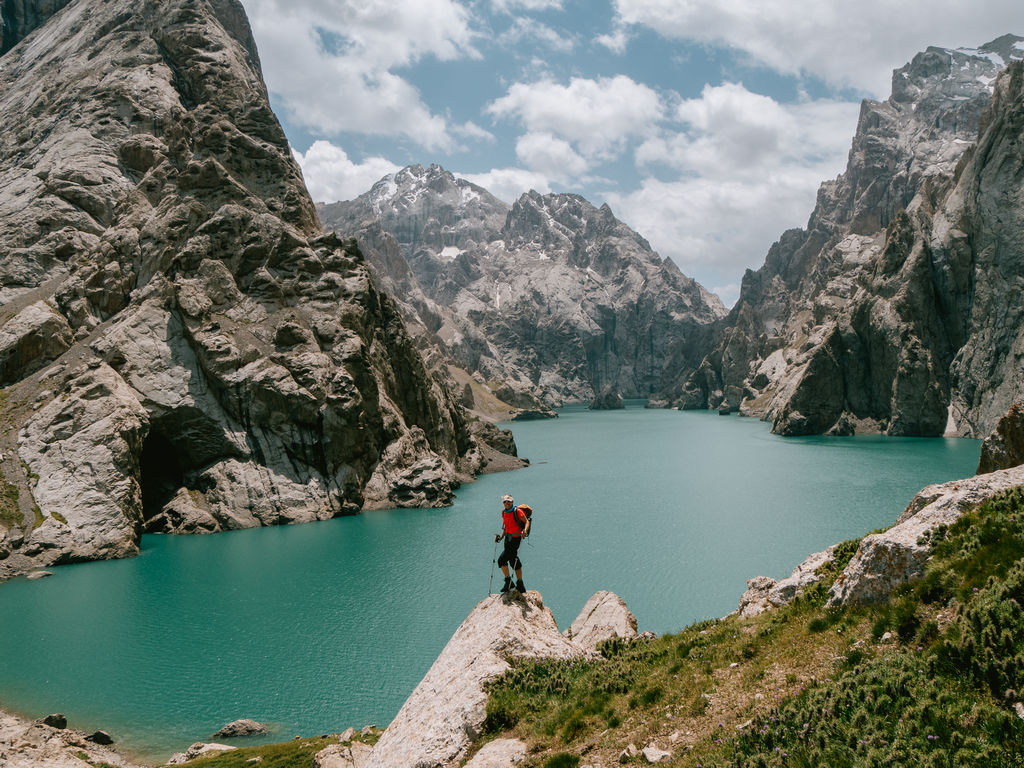
How to visit Kel Suu Lake Kyrgyzstan – The Complete Travel Guide

Ala Kul Trek Kyrgyzstan (2026): Everything you need to know From Someone Who Hiked It 10+ Times

8 Best Day Trips from Bishkek

Hi Cynthia,
We’re thinking about the possibility of going to Song Kul in early March. Is this possible?
If not, do you know if it’s possible to do any hiking / trekking overnight in yurt experiences in Kyrg around this time, perhaps in Karakol or nearby.
Any help hugely appreciated,
Thanks!
Bruno
Hi Bruno, early March is too early for Song Kul still and there won’t be any yurt camps yet. You’ll find tourist yurt camps on the southern shore of Issyk Kul lake. The shepherd yurts are only set up between end of May and end of September. For places to go and hikes in spring, I’m happy to refer you to this post: Places to visit, including hikes, in spring in Kyrgyzstan. Hope this helps!
hi! thank you so much for the informative article 🙂 i’m planning to do a 2 day horse trek to song kul with my partner, but the weather forecast shows that there’s going to be thunderstorms on the days when we plan to do it. is it better to look for other days or this rain will just be sporadic and won’t influence the journey much? also, i would appreciate it if you could recommend some travel agencies that offer this horse trekking service! thank you in advance! 🙂
Hi Maula, thunderstorms can be quite heavy in the area so I would postpone as you won’t be able to enjoy it as much. If you want me to bring you in touch with a local guide, contact me!
Hi! I am strongly considering a horse trek from Kyzart. Most companies I look up seem to end their tour at Lake Song-Kul. But how do you get back to Kyzart? Are there taxis possible? Do you have to take a horse back to Kyzart? How does it work? Thank you so much!
Hey Antoine, you can ask for a tour beginning and ending at Kyzart, the tour will then be one day longer.
Hi, is it possible to do a two-day horse riding tour with a night in a yurt? If so, do you have a tour to recommend. I am looking to do this at the end of March. Thanks!
Hi Adam, there are several tour companies I work with. Send me an email (hello (at)journalofnomads (dot)com and I’ll refer you to someone, depending on your wishes and needs 🙂
Hello Cynthia,
great journal, I love it! …for doing only 1-day of horse riding do you think it is possible to hike from Kyzart or Kockor to Kilemche Valley, sleep there in a yurt and the next day horse ride to the lake?
then the 3rd day go back to Kyzart/kockor by taxi or hiking?
Hi Sebastiano, this is possible on the second day if the yurt camp has horses and a horse guide available (which might not always be the case). To return by taxi on the 3rd day, you’ll need to arrange one beforehand.
Hello, thank you for telling us about your experience. I wonder if there are marshutkas or shared taxis that travel between Karakol and Kochkor or Kyzart Village? And if not, is it possible to take a private taxi on this route and travel late in the evening/at night?
Hi Ola, there should be marshutkas traveling between Karakol and Kochkor. To reach Kyzart, you can try to find a share taxi in Kochkor or take a private taxi if you want to travel in the late evening. Have a great trip and feel free to send me and the readers here an update of your journey!
Hello, is there also public transport from Son Kul (Kochkor or Kyzart) to Issyk Kul? It looks much closer than Bishkek so I would suppose there would be more options? Trying to map out a route as we want to do some horse riding + spend time around Issyk Kul and Karakol, so would be great if we don’t have to back track to Bishkek. Thanks!
Or do you have other recommendations for horse riding around Karakol area?
Hi Dianshan, you can take a mashrutka (mini van) or shared taxi from Kochkor or Kyzart Village to Issyk Kul, but not from Son Kul lake itself.
Best wishes,
Cynthia
Thank you so much for this inspiring article. I have frequently been to Kyrgyzstan and did a one-day horse riding. Now I want to organize a several-day horse riding tour with 8 friends in summer 2022. Do you have a recommendation of an agent in Biskhek who will organize such an individual tour, for similar rates that you mentioned in the article? As I will be there in a week I could directly approach them in Bishkek.
Best wishes from Germany,
Heiko
Hi Heiko, I always work with Aleksei from Kyrgyz Nomad. I organize tours with him so he’s a good person to talk to. You can find him on Facebook or on Instagram @kyrgyz.nomad. Please mention that you got his contact through me. Best wishes!
Thank you so much, Cynthia. I will contact him.
Wow looks Amazing. Thanks for shring with your experience. This year we went for 6 days horse riding with Kyzart Travel local company, I think its more cheaper compare others. Our guide was English speaking. We loved this Horsew riding trip. Im planning againg in winter time. Is there possible for freeride skiing?
Hi Melanie, I’m very happy to hear you had such great experience! There are many possibilities for freeride skiing in Kyrgyzstan in winter but mainly in the Karakol region and near Chunkurchak. I don’t think people go skiing near Song Kul as it’s firstly hard to get there in winter and also not an ideal area for skiing… I have an article on the blog that covers everything you need to know about skiing in Kyrgyzstan 🙂
Hey, we went through your blogs on Kyrgyztan and we are planning to visit there in May 2020. Would like to know if it is possible to reach Song-Kol lake by vehicles as we are planning to rent a car there for the entire trip.
Hi Nupur, it really depends on the weather whether or not Son Kul is accessible. By the end of May is definitely shouldn’t be a problem though to get to Son Kul lake by car.
Hi! What month did you do this trek in? My boyfriend and I are currently in Kyrgyzstan and want to do a horse trek to Song Kul but one tour company we talked to said you cannot do this trek in winter because the snow closes the pass? Just looking for more information! Thanks! Julia
Hi Julia, contact Kyrgyz Nomad. He does this trek in winter