
In this comprehensive guide to horse riding in Uzbekistan, I’ll cover how to plan your trip, what to pack, top tips for horse trekking and the 3 best destinations in Uzbekistan for horse riding.
It’s said that Central Asian people were the first in the world to ride horses, so it is no surprise that they continue to be entwined with mountain villagers’ lives.
The bond between horses and the Uzbek shepherds’ nomadic life is so tight. They are a keeper of transport and agricultural aid to their people. Horses are also used in Uzbek’s national sport called Ulak, in other words, dead goat polo. It’s a traditional Central Asian sport and you’ll find a similar game called Kok Boru in Kyrgyzstan. The game involves skilled horsemen who race to chuck a goat’s carcass into a goal.
It brings villages together to compete, and you’ll likely come across a local ring near a dwelling.
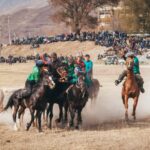

Learning about all of the above comes with riding with horses, and Uzbekistan’s rolling hills, green pastures and valleys to explore make it an ideal destination.
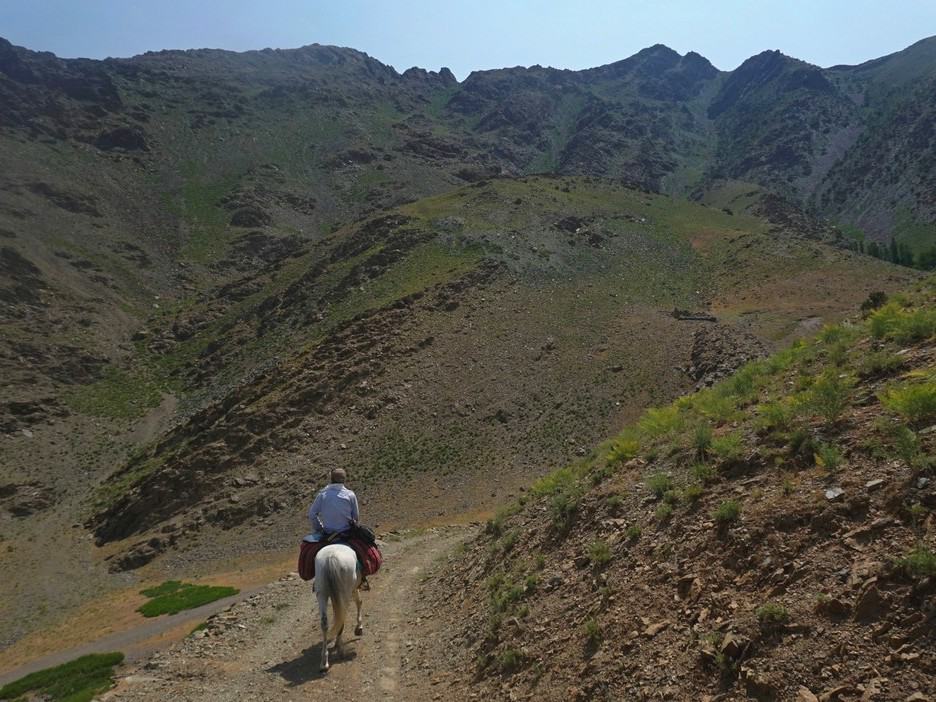
You’ll learn about Uzbek village life through horse trekking while winding between mountain ranges. Horse riding on the mountain trails is a peaceful way to connect with nature and have a four-legged companion along the way. If you’re a beginner or a galloping pro, there’s a way to fit what you want from this adventure.
Tip: See my Uzbekistan Travel Page for a complete overview of all my travel guides and blog posts about Uzbekistan!
Disclaimer: This posts might contain affiliate links, meaning that if you make a purchase through these links, I may earn an affiliate commission. Thank you for helping to support this website!
Disclaimer: This publication is made possible by Responsible Travel. The contents of this publication are the sole responsibility of Samantha Jagger of Journal of Nomads and reflect her personal experiences of this trip.
Responsible Travel, Uzbekistan’s only community-based tourism group, organized this incredible trip! RT began as a not-for-profit organization and provides guesthouses in the mountains with logistics and support.
I was sent to meet RT and to document the work they do. Most of Cynthia’s partners in Central Asia work in community-based tourism, which she’s incredibly passionate about.
CBT strengthens independent businesses and has local people at its core. It also promotes and develops many outdoor activities and hiking trails around Uzbekistan. They help with marking and mapping new trails around the country.
If you want to obtain more information about a trail’s difficulty level or condition, it’s a great idea to contact them first. They organize tours the same way different travel companies would but give some of the profits back to the local community. Responsible Travel also received an international award for socially responsible tourism, and their CBT project was recognized as one of the two best projects in the world in 2023 by Berlin International Tourism Fair (ITB).
Plan your trip to Uzbekistan
- 18 important things to prepare your trip to Uzbekistan
- 26 beautiful places to visit in Uzbekistan
- Uzbekistan Itineraries: 1 to 4 weeks in Uzbekistan
- How to travel around Uzbekistan by train
- What to pack for Uzbekistan
- Uzbekistan Safety Guide
- Uzbekistan Money Guide
- Tours & Experiences: Guided City Tours in Uzbekistan, Adventure Tours in Uzbekistan
Where are the Nuratau mountains in Uzbekistan?
The Nuratau range is located around 250km west of Tashkent, north of the city of Samarkand. The mountains extend between the Kyzylkum Desert on the west and the eastern Barren Steppe. If you take a quick look on a map, you can see the peaks also sit south in parallel to Uzbekistan’s largest lake, Aydar Lake.
The area bustles in agricultural activity depending on the season: Mulberries, walnuts and pistachio trees all flourish here. Its tiny villages are nestled in the Nuratau range, where many families have farms and homestays.

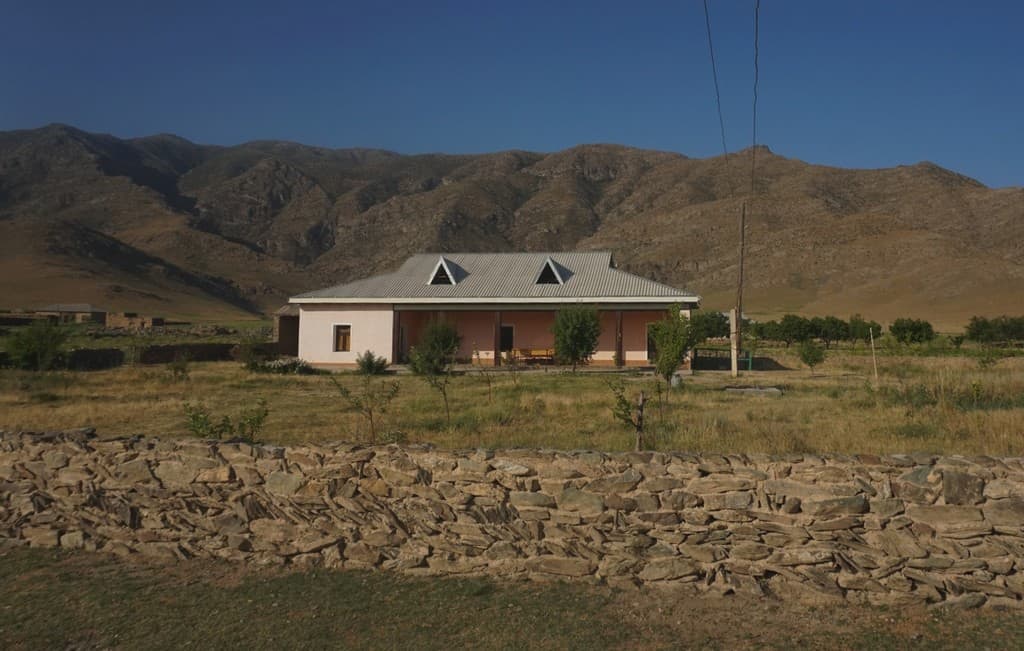
Why horse riding in Uzbekistan?
In the Nuratau mountains, hundreds of hamlets are nestled in the valleys. The rolling hills provide thousands of possible trails ideal for horse riding. The beauty of this means you can link up a route across the range and stay in cozy guest houses along the way.
In my mind, this was the best form of tourism because I was in a remote place, experiencing something authentic and supporting village life simultaneously.
The days I spent with my boy мальчик (no, really, the translation means boy) were up there in my favorite moments of the trip. During my time in the mountains, I didn’t come across any other hikers or horse riders. It was pure freedom and it was such a unique way of exploring nature. I was enriched by being with an animal in such stunning landscapes. It was so peaceful.
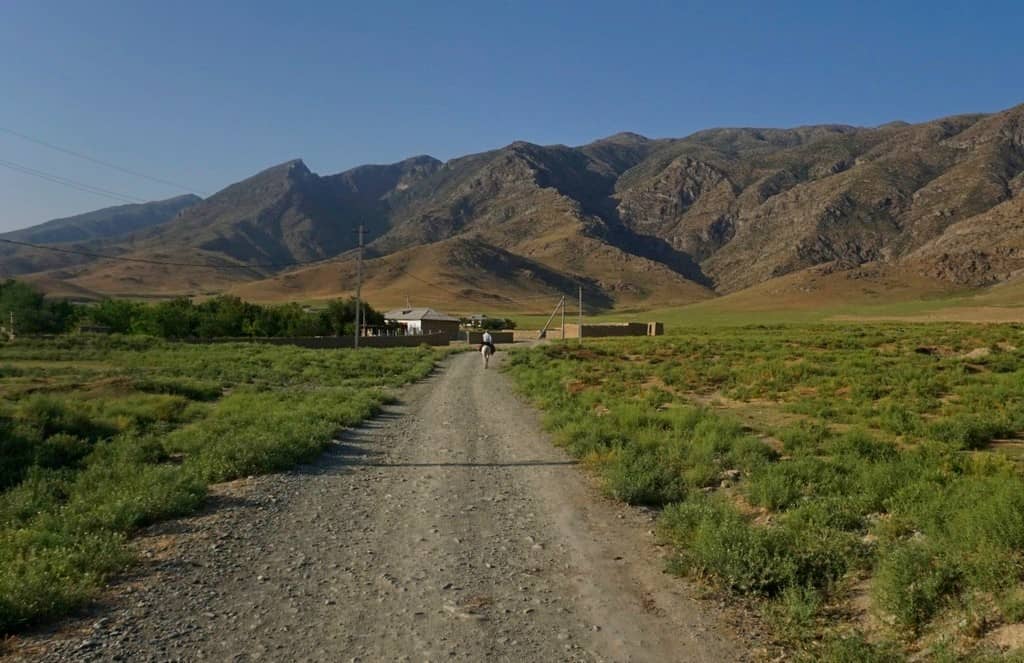
During my trip, a few people messaged me and asked if I thought somewhere like Kyrgyzstan was more beautiful. If you didn’t know Uzbekistan, you’d be inclined to believe the country’s mountains live in the shadow of neighboring countries like Kyrgyzstan and Tajikistan.
The Nuratau mountains don’t have twisting spires of rock and needle-like peaks that are nectar to climbers. Uzbekistan is lower in altitude, arid and flatter, but with this comes beautiful rolling mountains, meadows, and hundreds of hamlets bustling with life.
While the Tian Shan ranges are so striking and staggering, the Nuratau peaks are different, and it’s important to embrace the beauty of the difference.
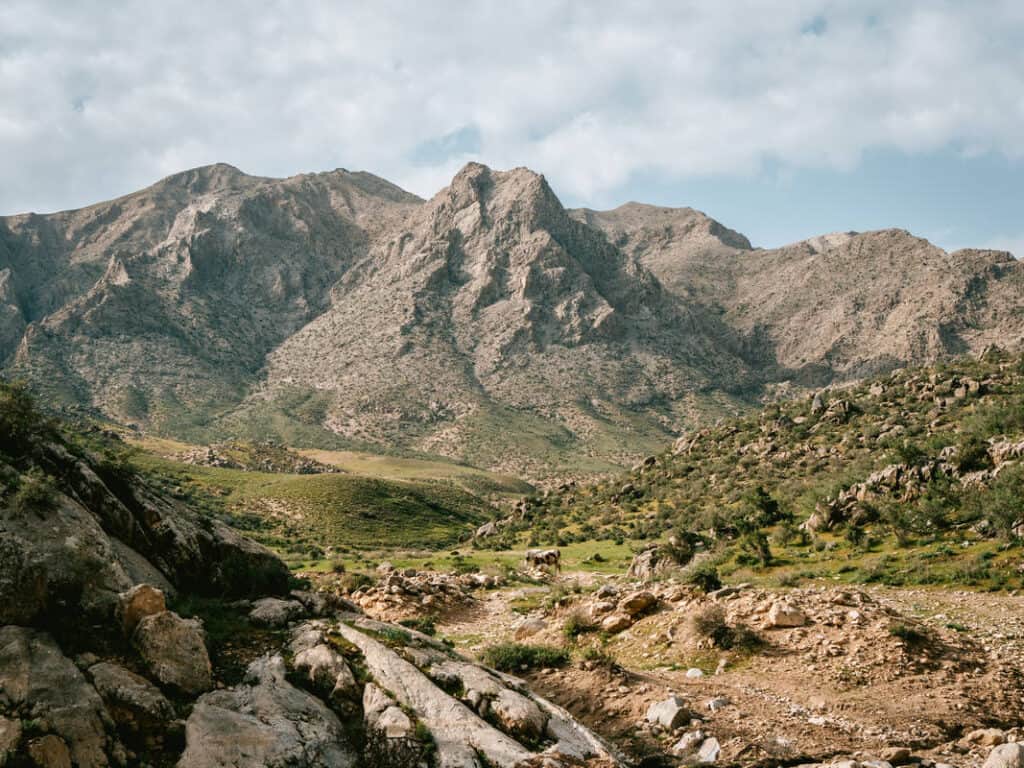
Uzbekistan radiates joy, both in its magnificent landscapes and its people. My warmest memories were gifted by the families I stayed with, who shared their stories and ways of life with me. I take a lot from nature, but on this trip, I was taught so much about how the mountains provide so much for the Uzbek people.
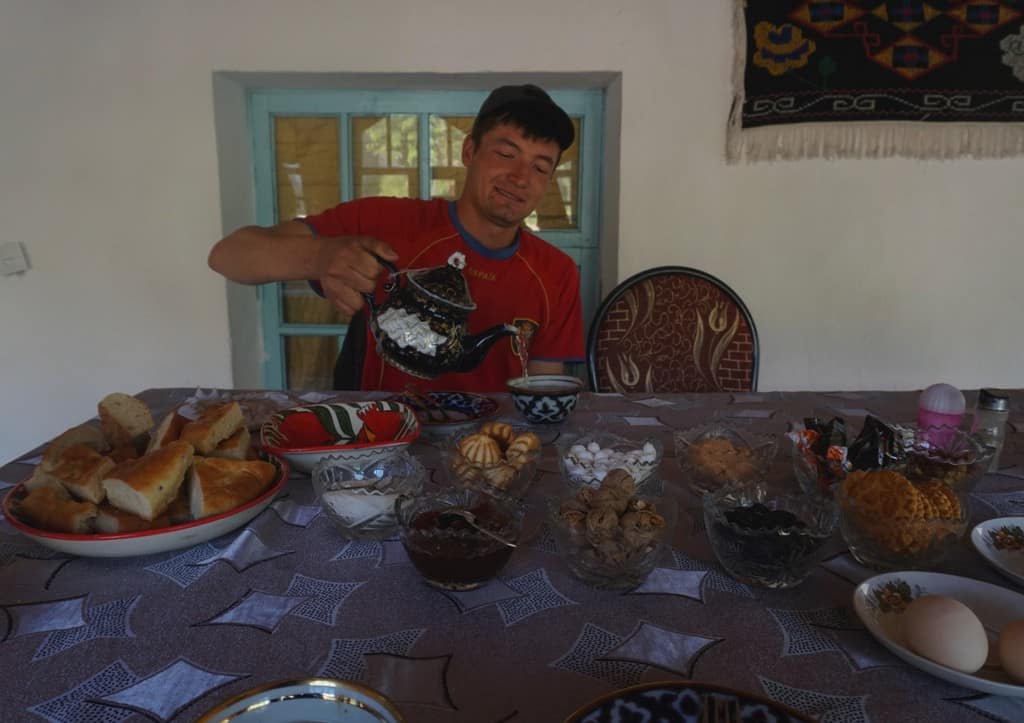
Another appealing quality about horse riding in Uzbekistan is this: Uzbekistan’s Silk Road tourism is well-tread. Every year, thousands of visitors flock to charming cities like Samarkand, Khiva and Bukhara, fascinated by its history.
But the Nuratau mountains remain undiscovered. You won’t come across many tourists or irritating influencers. You’ll be at total peace (aside from the donkeys, cockerels and goats that were my morning alarm).
Things you should know before horse riding in Uzbekistan
1. Can I horse ride alone, or do I need a horseman?
In short, you absolutely will need a horseman.
In Uzbekistan, donkeys are still the primary method of transport over horses. Alibek told me that donkeys could handle the heat better than horses (something about how they sweat, apparently?). This means there are fewer horses in villages and less demand for them.
Adventure tourism in Uzbekistan is in its early stages, meaning horse guides are harder to come by than somewhere like Kyrgyzstan. For a trek in Kyrgyzstan, you still need a horseman at all times unless you actually buy a horse, but let’s not get into that. It’s a similar situation in Uzbekistan.
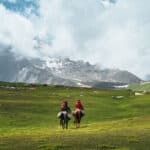
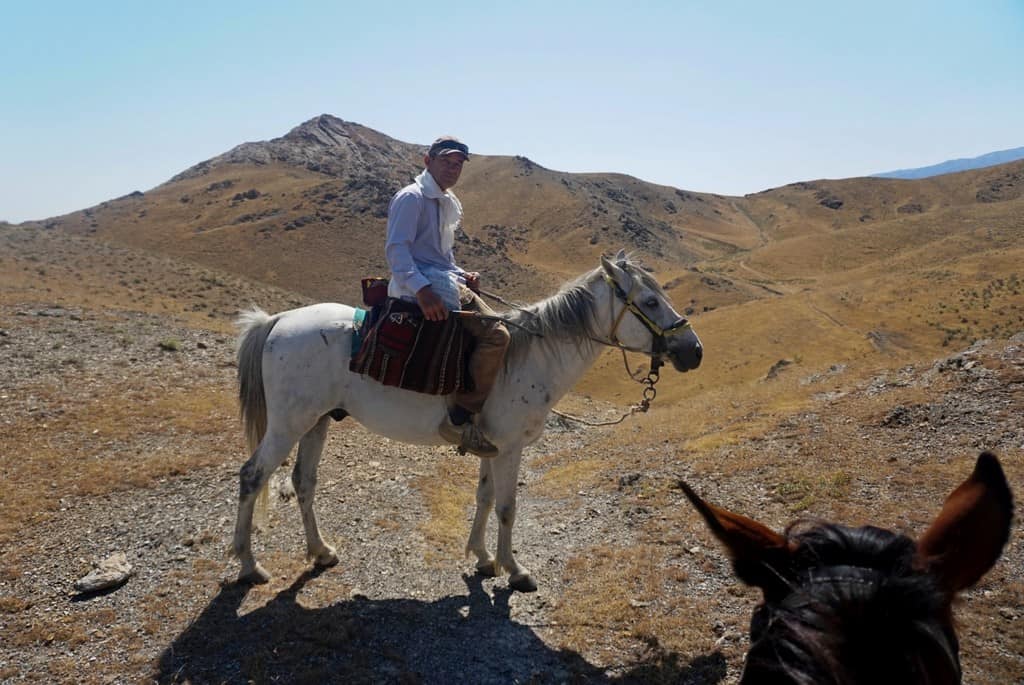
Responsible Travel arranged for a horseman, Alibek, to accompany me on my three-day trek. Like many mountain villagers, Alibek had grown up with horses and took excellent care of us. Alibek would ride in front and give me space to ride on my own for each day, which I loved.
Alibek was incredibly vigilant and I felt completely safe at every moment. My horse, called мальчик, was in very good health and we took regular breaks to give the horses time to rest and snack.
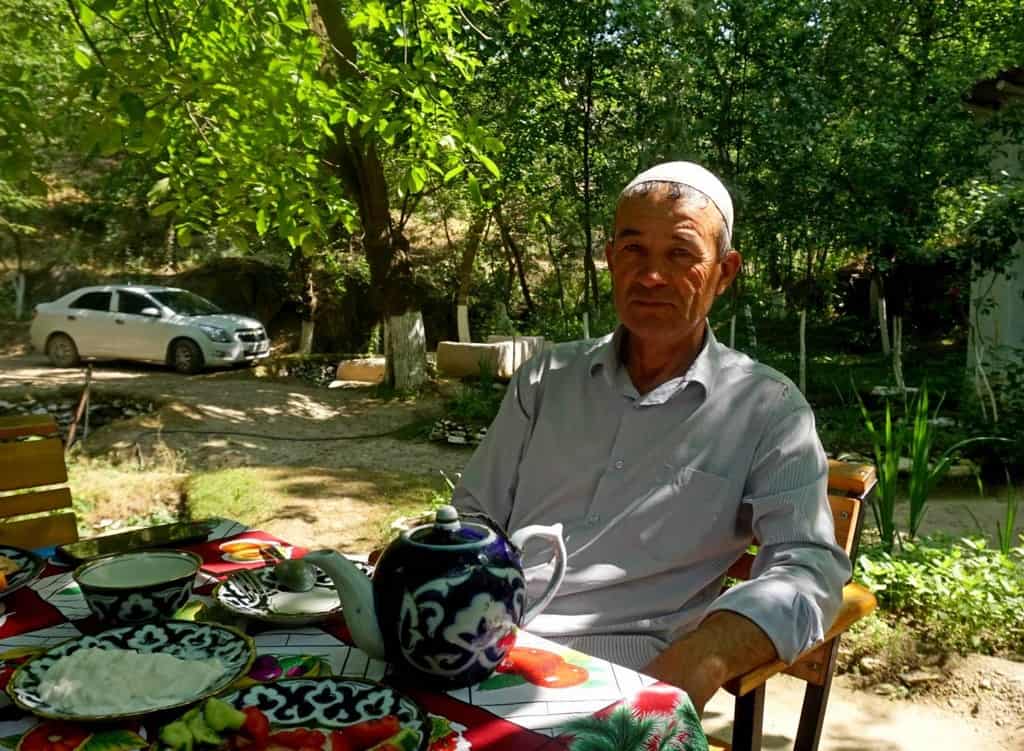
There is also lots of logistics to sort out for a horse trek. Alibek had organized stables with the guest houses, food for the horses and could communicate to them about our ETAs. All of the above would be near impossible to organize without a guide.
Alibek provided so much information about the different villages, mountains and the politics in each area we rode through. This is obviously something you’d have to forfeit if you didn’t have a horseman.
If you would like to organize a horse trek to the mountains with a local guide, you can always contact me and I’ll get you in touch with them!
2. Is it safe to horse ride in Uzbekistan?
Yes, horse riding in Uzbekistan is perfectly safe. Ensure you listen to exactly what your horseman tells you and act responsibly. Here are some general safety tips to keep you going:
> Tell your guide before your trip if you are a little nervous. Your guide can either keep you close or find you a horse with a calm personality.
> Mounting/dismounting: Do not stand or walk near the horse’s rear. Horses kick and it’s flipping dangerous. They also let off steam on that end…
> When riding, stay on the path and always follow the guide. Don’t gallop without the permission of the guide.
> If you can see or are passing other stallions in pastures and your horse pulls towards them, be quick, pull on the reins and steer your horse to stay on the path. Wild stallions are often aggressive, and your horse may want to show you off! Be vigilant and know how to control your horse.
> If riding in a group, don’t let the horses kiss or start nibbling each other. Yeah yeah, looks cute right? Well, it’s actually a way of showing dominance and the horses can start kicking off with each other. Keep at least six to seven meters away from each horse and if yours starts getting flirty, keep on a tight rein and be in control.
> If you see any problems with your horse, however small, raise it with your guide.
Need Travel Insurance for Central Asia? I use and highly recommend HeyMondo Travel Insurance. As a reader of Journal of Nomads, you get a 5% discount off your insurance plan!

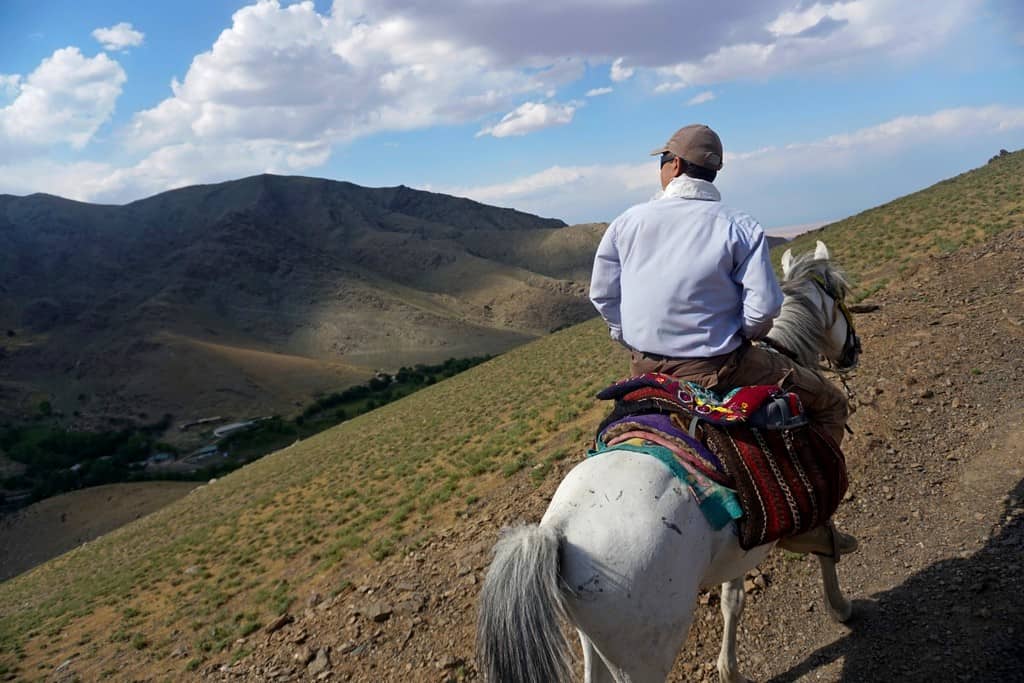
3. Do you need experience before going on a horse trek in Uzbekistan?
No, you don’t need experience but beginners should start with an easy day trek to get accustomed to the Uzbek saddle and the instructions.
New to horse riding? So was I! When I joined Cynthia for the first time on a trip to Kyrgyzstan, I rode a horse twice, but apart from that, I was a complete rookie. Uzbek horses have a gentle temperament and are a small breed. If a horse is nervous (or maybe you are!), the guide will not let you ride off unless they trust you.
Here are my essential top tips for riding:
- > Never let go of the reins. You need to be in control the entire time.
- > Don’t pull too hard to stop, otherwise, the horse will rear.
- > Rest the ball of your foot on the stirrups. If your foot is too deep in the stirrup, it can get stuck and/or slide through the stirrups. If it is not deep enough, you may easily lose your stirrups while riding.
- > Don’t go fast when riding over loose rock. It’s dangerous and the horse can fall.
- > Say “chu” to go and repeat it to go faster.
- > Say “trrrrrr” to stop.
- > When going uphill – which you’ll do often when horse riding in the mountains, hold in one hand the reins and use your other hand to hold on to the front of your saddle and lean a bit forward. When going downhill, hold on with one hand to the back of your saddle and lean a bit backward.

4. Are horses treated well in Uzbekistan?
I touched upon this earlier, but you won’t see too many horses in the Nuratau mountains compared to donkeys because they can’t handle the heat as well. I personally didn’t come across any other horses in my time spent riding there, so I can only relay my experience with Responsible Travel.
The two horses that were with Alibek and I during the trip were in excellent health. We gave them regular breaks and lots of time to drink water and snack on grass. Alibek clearly had a deep love for horses and thrived working with them.
Something to mention is you will be given a whip. Don’t be alarmed. This isn’t like a whip like you see in European horse racing. The horses are trained to understand that it means to increase speed. I was curious to see if it would hurt me if I whipped with the same pressure on my leg. It didn’t hurt at all (but I got a hilarious strange look from Alibek). Bear in mind a horse is twice as big as you too.
As with any sort of adventure tourism, you do have to be vigilant and watch out for groups who take advantage of animals. Always check the horse’s health and look at its feet (don’t go too close though!). If you’re unsure about anything, speak to your guide.
I’m about to talk about the best season to go horse trekking, but if you’re super conscious about horses’ health, I would plan your trip in early spring or late autumn. Alibek tries to do his treks in hotter weather early in the day, but if you go with anyone else it’s something to consider.

Plan your perfect Central Asia journey
Dreaming of exploring Uzbekistan and Central Asia, but not sure where to start? Whether you’re looking for a custom itinerary tailored to your travel style or a fully organized guided tour, I’m here to help you create a journey that goes beyond the typical route.
With years of on-the-ground experience in the region, I’ll help you travel deeper, smoother, and with confidence.
👉 Get in touch for a custom itinerary
👉 Explore my small group tours in Central Asia
When is the best time to go horse trekking in Uzbekistan?
Uzbekistan gets HOT in the summer. It often tops 40 degrees in the Nuratau range in July and August. Unsurprisingly, the optimum time to get into the mountains is early spring and autumn. I’d recommend planning your trip in late March, April, early May, late September and October.
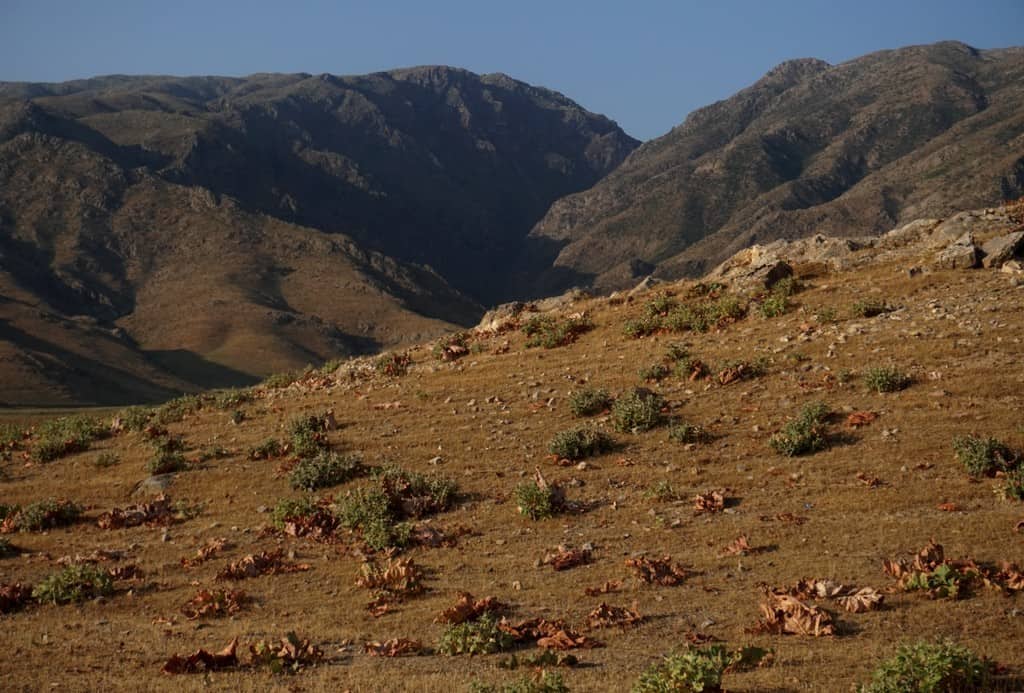
When I was there in late May, spring’s vegetation in the Nuratau mountains was withering away (I walked through thousands of shriveled, crispy rhubarb plants). Summer’s arid climate was full steam ahead. I would love to come back and see these mountains in fresh bloom in March or April.
Alibek told me he occasionally organizes summer horse treks, but these must start at sunrise because it gets too hot for the horses.
I’d actually recommend starting some of your horse treks at sunrise anyway because the morning rays in the mountains are stunning! Alibek could accommodate this because guesthouse owners and guides are up at first light for prayer.
Winter horse trekking is not possible. In January, temps can drop to -15 degrees, and it’s too dangerous for the horses. Alibek told me that the horse treks are aligned with the tourist season and the guesthouses, which operate in spring and autumn.
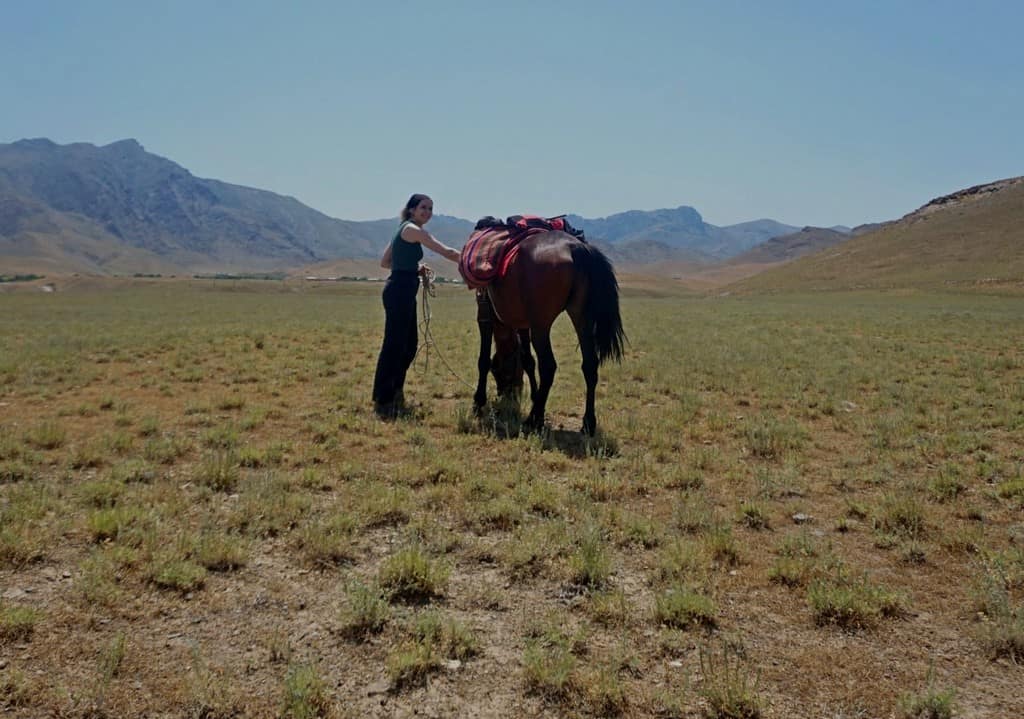
What you need to pack for horse riding in Uzbekistan
> Polyester or similar material t-shirt (no cotton, it absorbs sweat in a seriously pungent way and doesn’t dry when you wash it). I wore one polyester t-shirt for my entire trip, which was brilliant. I washed it out in the sink every night and it dried within an hour.
> Long, lightweight hiking trousers. You won’t want anything too heavy and must cover your ankles for the stirrups (and your legs out of respect).
> Waterproof jacket and trousers. Even on my May trip, a huge thunderstorm stewed up out of nowhere and the rain came down in lashings. Don’t use a rain poncho as it can scare the horses.
> High hiking boots to protect your ankles in the stirrups.
> Cycling pants. Really recommend these to add comfort to your bum
> Helmet: this is optional if you choose to bring one, people in Uzbekistan don’t use them.
> Sunscreen. Get factor 50. You won’t have shade, and you’ll be sizzling like an egg in a frying pan if you’re not careful.
> Hat/buff to cover your scalp. Alibek made a handkerchief to protect his neck and it was genius.
> Biodegradable toilet paper. Yep, you can thank me later. Traveler’s tum will creep up on you when you least expect it. Even if it’s biodegradable, I don’t leave my paper. I’ll always carry a freezer bag until I can correctly dispose of it. For wees, I use a Kula Cloth which is essentially an antimicrobial piss rag. It works like a dream. No waste, no bad smells, and you can leave it to dry tied to your backpack.
> Whistle. How small it might be, this whistle could save your life when you end up in an emergency – you want to shout for help but your voice is lost in the wind. Blowing in a whistle is less tiring and the noise can be heard from miles away across the mountains. Any shepherds or other hikers who might be in the area will be able to hear you and locate your position by following the noise. An emergency survival whistle doesn’t have to cost much and definitely doesn’t take up much space! Cynthia recommends this survival whistle.
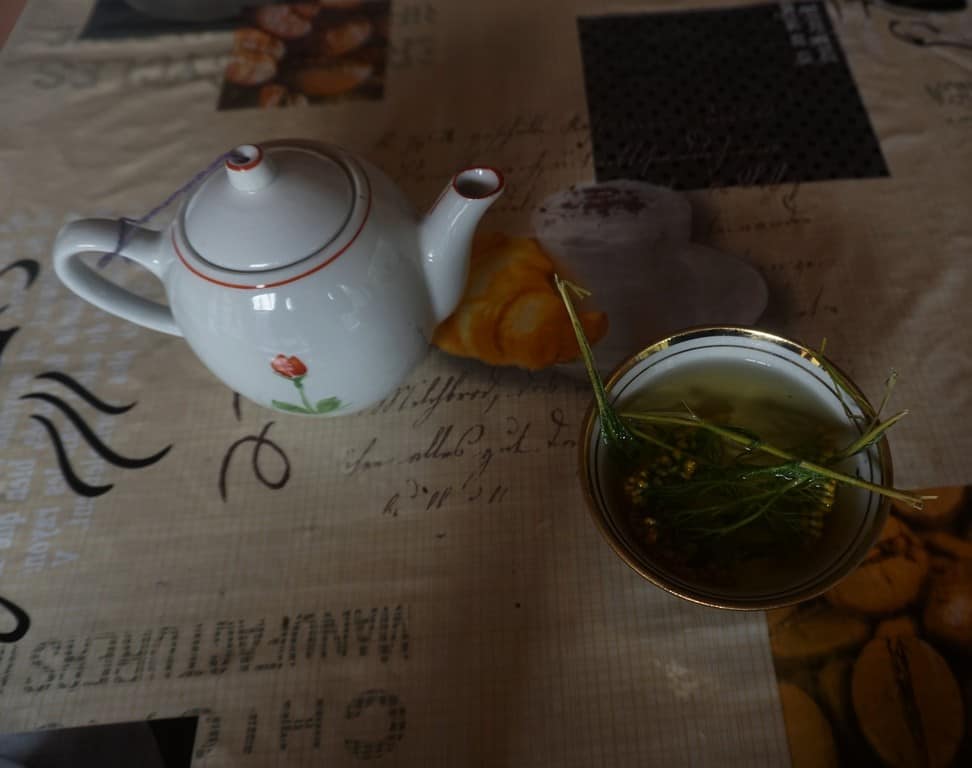
> Anti-diarrhea tablets. Maaaaan, did these little fellas save me. Traveler’s tum hit me like a sack of bricks during my trip and it was… explosive. I really would have struggled doing eight hours of hiking/horse riding per day if it wasn’t for these. One of my guides actually brewed up some mountain herbs, which helped cure it, but I wouldn’t rely on this as your only option.

Where to stay in the Nuratau Mountains
Here’s a list of the places I stayed on my trip. Some can’t be booked online so if you would like to stay in one of those guest houses, please contact me and I will put you in touch with Responsible Travel.
Sayyod Yurt Camp
On my arrival at Sayyod Yurt Camp, I had dinner with the owner of Responsible Travel, Sherzod. He told me about how important community-based tourism was to him and the positive impact it has had within the villages.
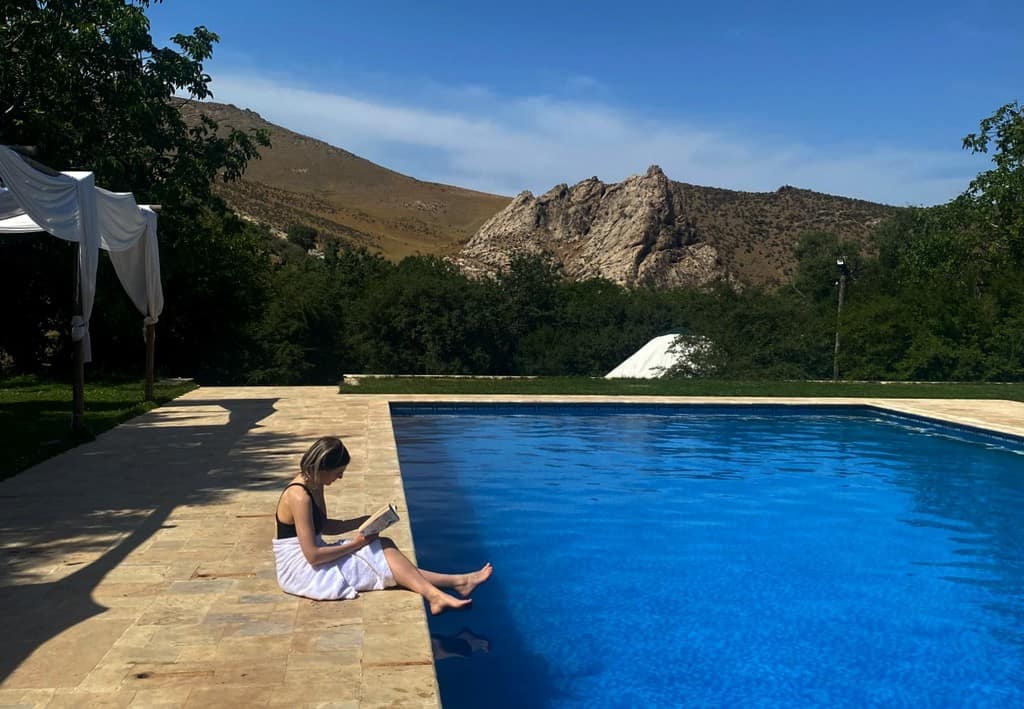
We talked about how RT was started and his dreams for the company. During the Covid lockdown, Sherzod and his family built the yurt camp and a stunning swimming pool. Guests now come and explore the area and use the camp as a base for activities.
I felt so at home as soon as I arrived and everyone made me feel so comfortable. The food cooked here was some of the best I had in Uzbekistan! The facilities included several showers and western toilets, WIFI, cozy yurt beds and a swimming pool.
Favorite memory: On my final night here, we lit a fire. Looking up into the distance, one of the limestone peaks was glowing white! (Moonlight or light pollution, but I like to think moonlight ;)).

Sentob, Rahima’s guesthouse
Rahima and her husband Gulmurod run this lovely little place. They are both so kind and will go above and beyond to help you.
It has a beautiful garden with sloping walnut trees, which are ideal for basking under in the heat of the day. The rooms are spacious and the facilities include western-style toilets and hot showers. Rahima and Gulmurod kindly brought us cherries, cold beer and fresh plum juice after our hike.
Favorite memory: I do actually talk about this in my article about the hiking part of the trip but I’ll condense it down here. Gulmurod and his childhood friend insisted I join them at the table with vodka after dinner. So. much. Vodka. Oh god, and cognac. This was six hours before our hike up into the mountains the next day. Incredibly, Sherali still had smiles on his face, even though he apparently went to bed at 2am.
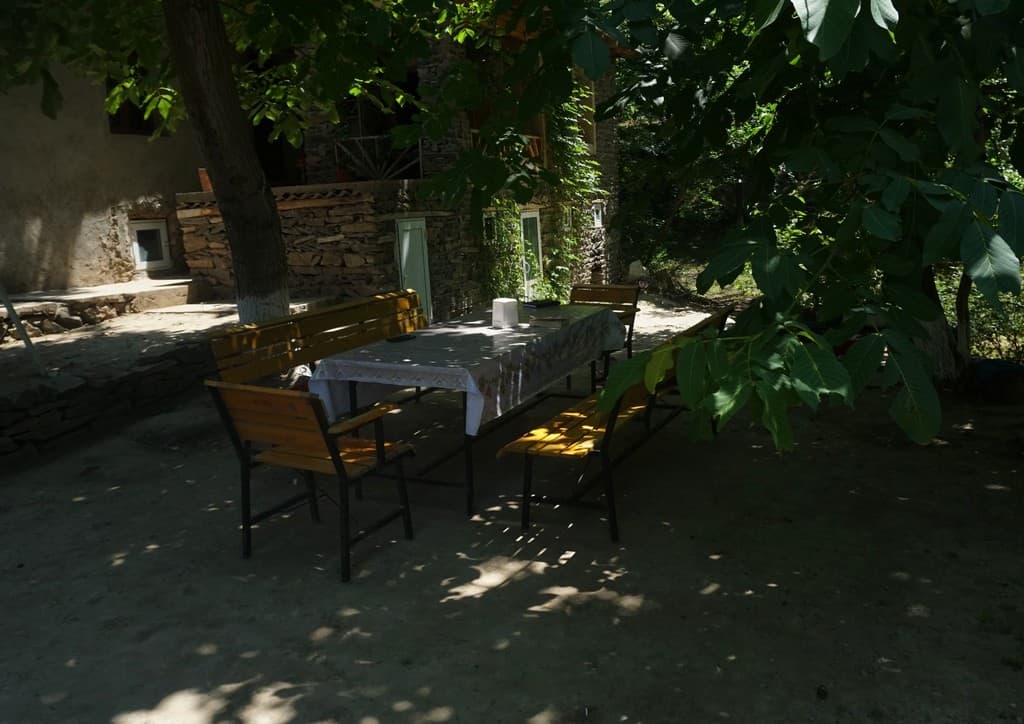
Majerum, Muhammad Ali Guesthouse
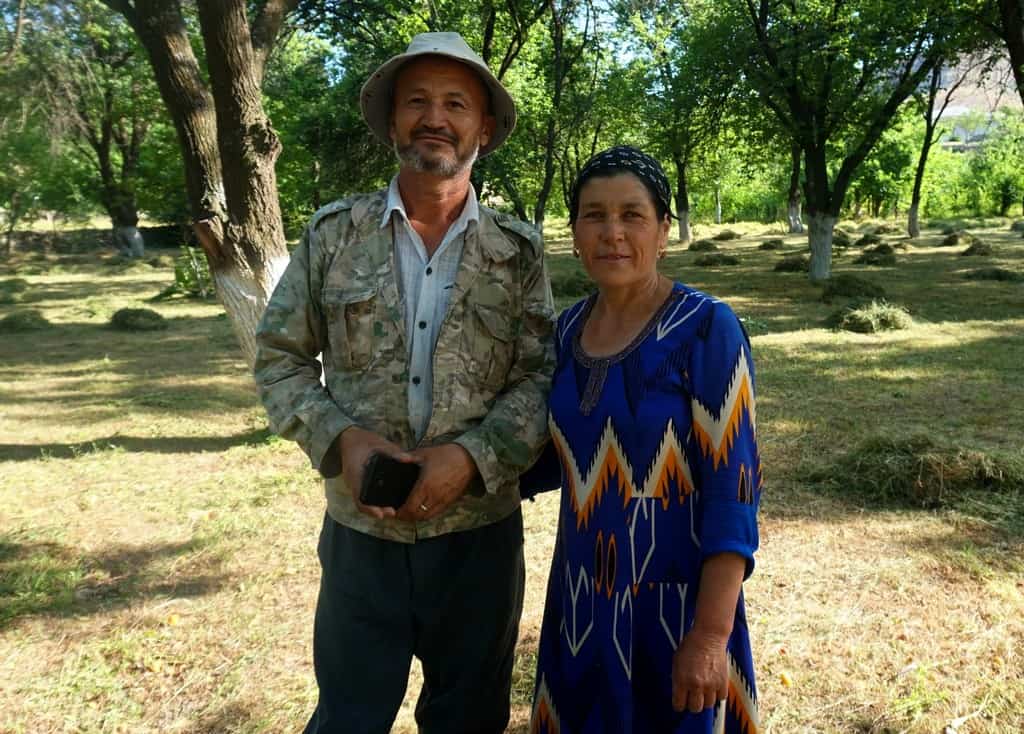
Muhabbat and her husband Qoldosh run a guesthouse and an on-site apricot and walnut farm in the green valley of Majerum. This place is really magical. It was so peaceful. It has cozy beds, western-style toilets and hot showers.
The farm is a 20-minute walk from where one of the oldest trees in Uzbekistan grows. Qoldosh took me. The walnut tree is estimated to be 1,300 years old and it’s 24ft wide. It’s sacred to the Uzbek people and is cared for by the villagers.
Muhabbat said she wanted people to come stay at her guesthouse so visitors can understand her hard work and see her husband’s agriculture. Every breakfast, lunch and dinner was sourced from their farm. I was so sad to leave!
Favorite memory: Qoldosh and Muhabbat speak Tajik, but our language barriers didn’t stop us from laughing. We had so many jokes acting out questions, one being when Muhabbat asked if I had any children. She wildly flicked her hands down from her stomach and said ‘flush flush flush’. It took me five minutes to understand what she was saying and then we couldn’t stop laughing.
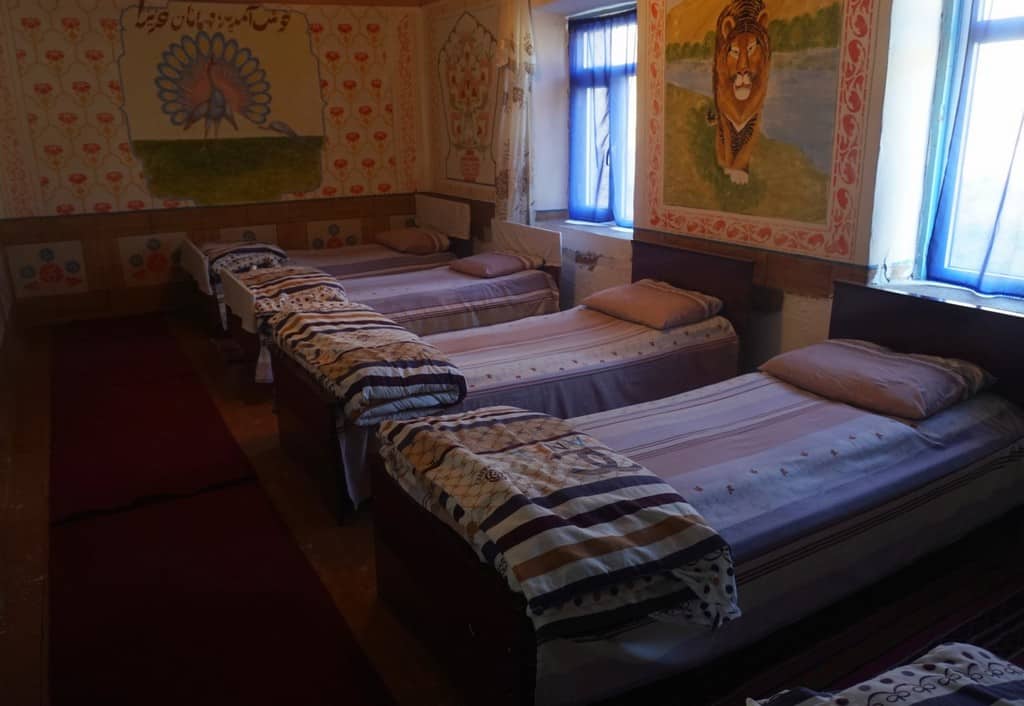
Hayat, Muso Baraka Nur Guesthouse
Each guest house held a special place in my heart. The family here is so gorgeous and kind. Shodmon helps his father Parda run the place in the weeks he isn’t at university.
Shodmon told me that he and two other families were the first to settle in Hayat several hundred years ago. They have winter and summer rooms (further down in the valley). I slept so well here. Their facilities include hot showers and western-style toilets. Every ingredient of the dinners at Muso Baraka Nur guesthouse is freshly prepared and sourced from their farm in Hayat.
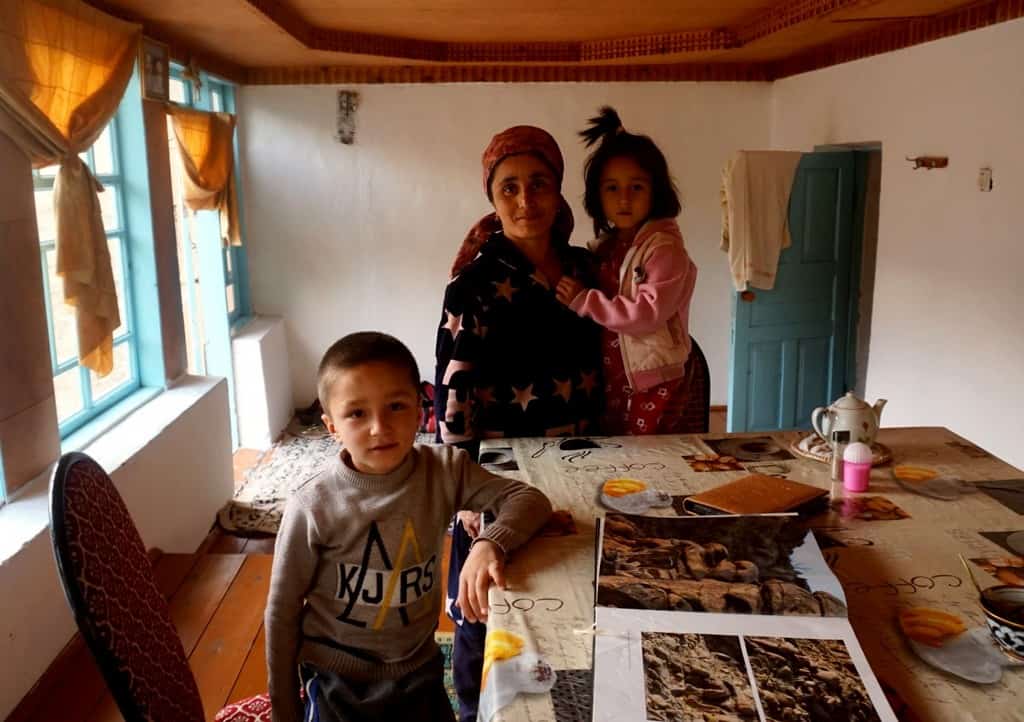
Favorite memory: I spent a lot of time chatting to Tugloy, Parda’s wife, and playing with Parda’s grandchildren Rano and Baxtiyor. Baxtiyor sat me down with his photo book about mouflon rams and pointed to the parts of Uzbekistan they are found. We read it three times. Rano was far more interested in my nose piercing. I showed them a picture of when I was toothless as a toddler which they thought was absolutely hilarious.
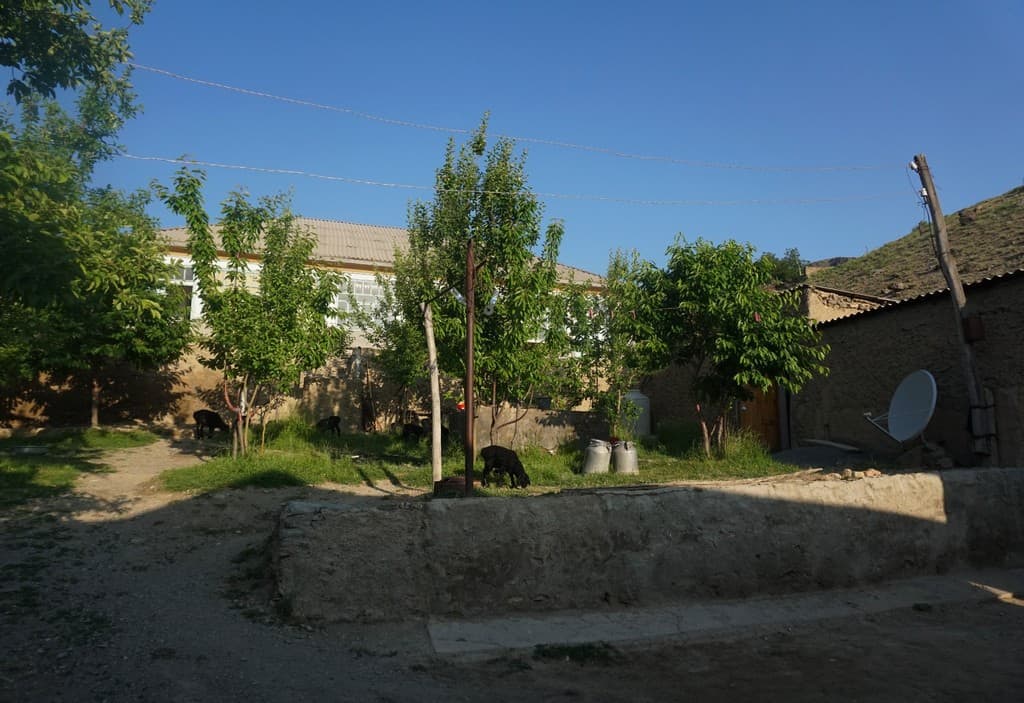
Asraf, Arslon Guesthouse
Another little village paradise and another lovely family to spend time with. I was fed so well here and the owner Aslon took excellent care of me. The guesthouse has two blocks with huge rooms, western-style toilets and a hot shower. Sounds of children laughing, cows mooing and cockerels crowing fills the yard.
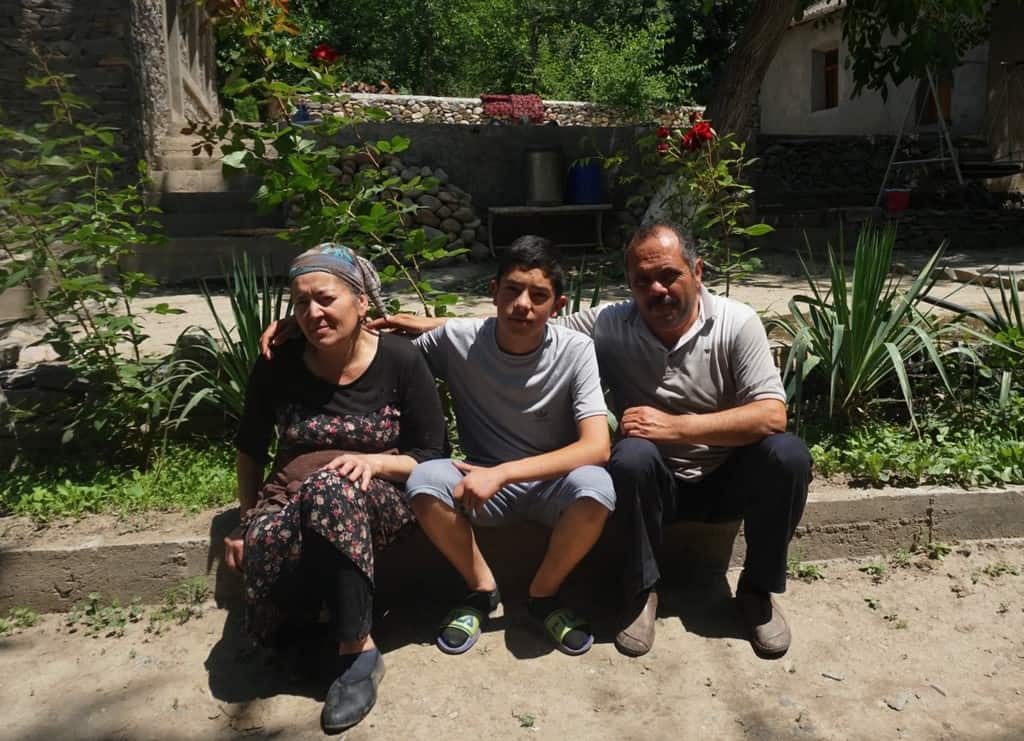
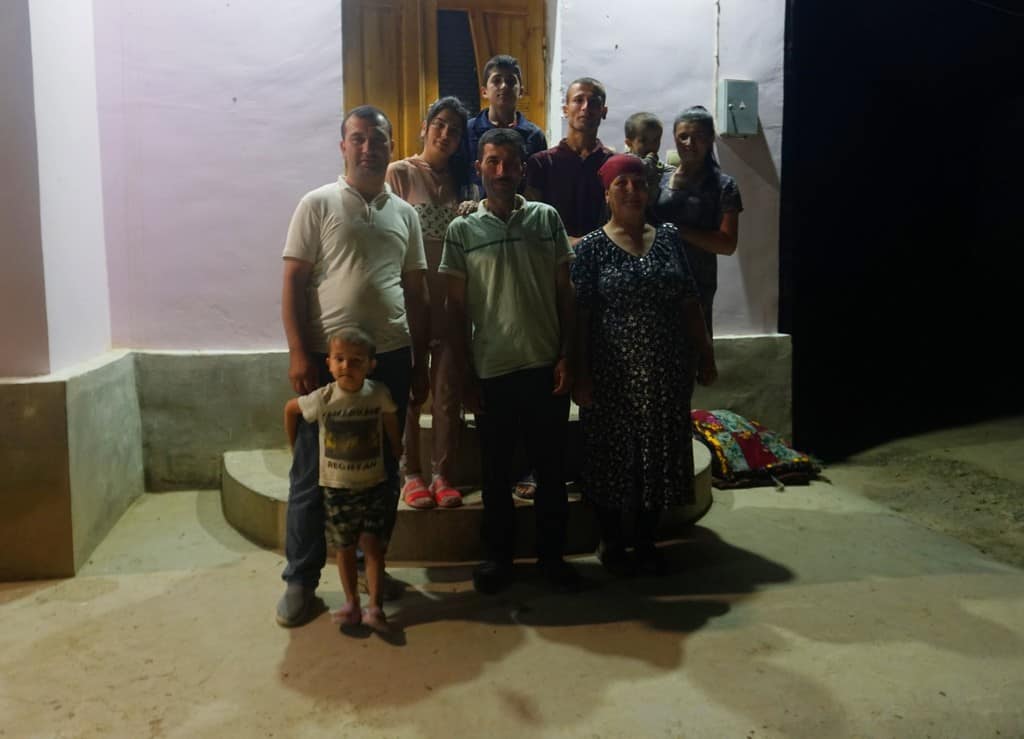
Favorite memory: I asked to photograph Aslon and his family. Within minutes he asked his entire family to get in the frame. I absolutely loved it. Everyone started directing each other about where to sit and stand. It made me laugh so much.

3 best destinations for horse riding in Uzbekistan’s Nuratau mountains
1. Majerum to Hayat
- Distance: 16km
- Estimated time: 7 hours
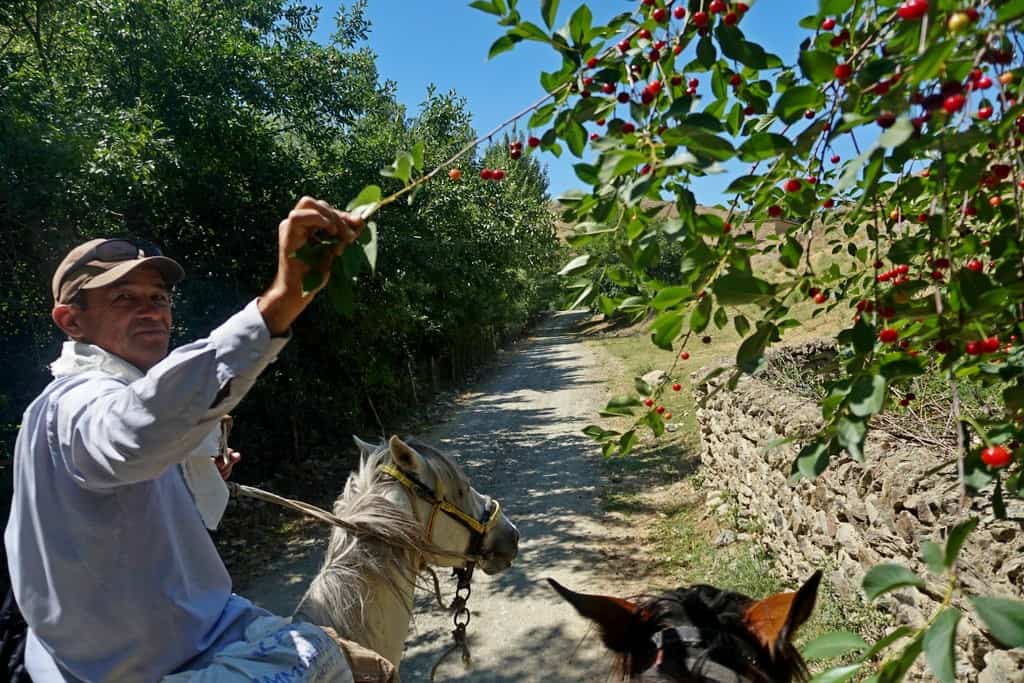
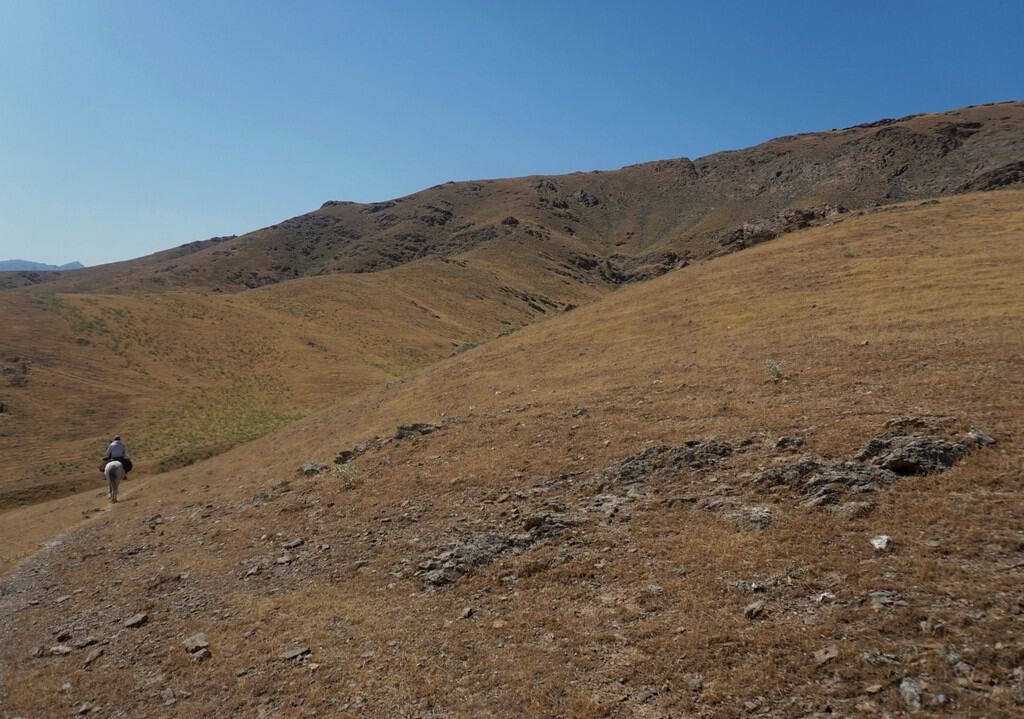
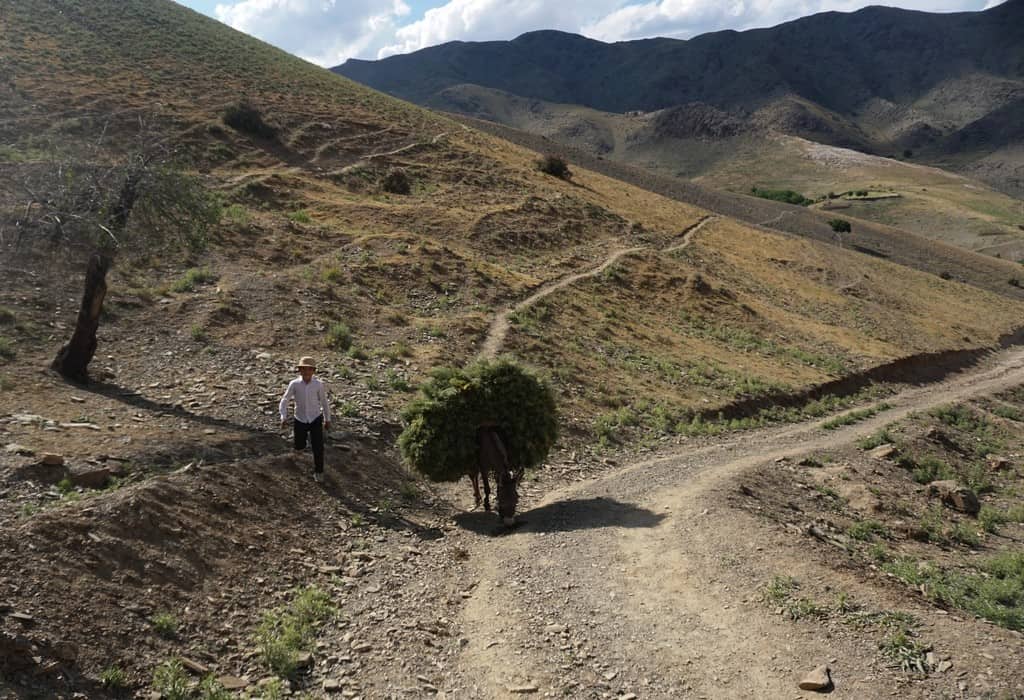
My first day kicked off with a gentle walk leaving the hamlet of Majerum. This was brilliant for getting used to the saddle and getting to know your horse. Tree branches were laden with mulberries and cherries, so Alibek reached up and snatched fistfuls of them (I copied him but nearly fell off).
We passed through the neighboring villages Andigen, Sartikon and Pastki Hoyoat. Alibek told me lots about how the hamlets are connected and their ancient history.
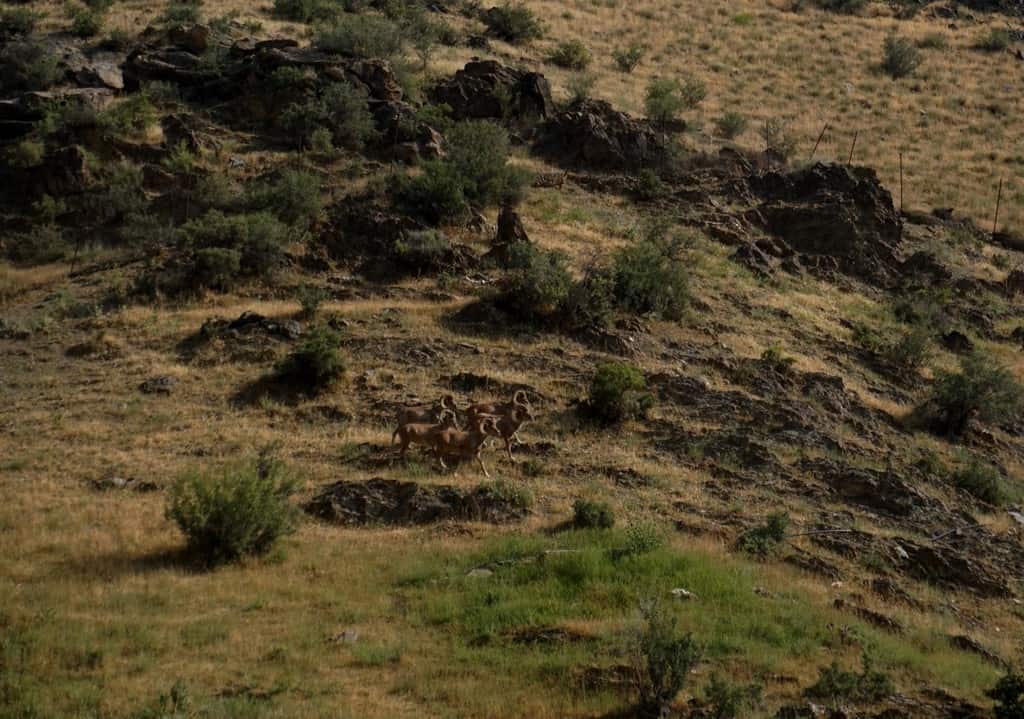
We then rode on rolling grassland, facing the silhouettes of the peaks that dominate Hayat. Flipping loved it. Hayat bridges the Nuratau nature reserve, which is home to a rare species of mouflon goat. My guest house host, Shodmon, took me to see them, so if you do head there, make sure you ask!

2. Hayat to Asraf
- Distance: 16km
- Estimated time: 6 hours
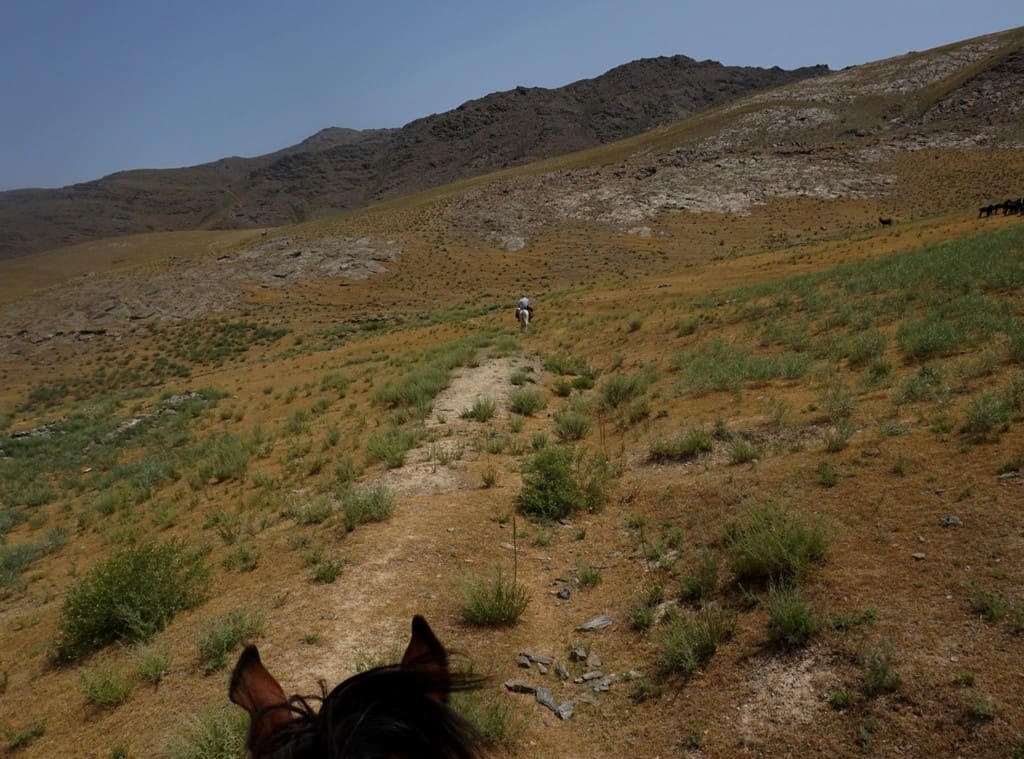
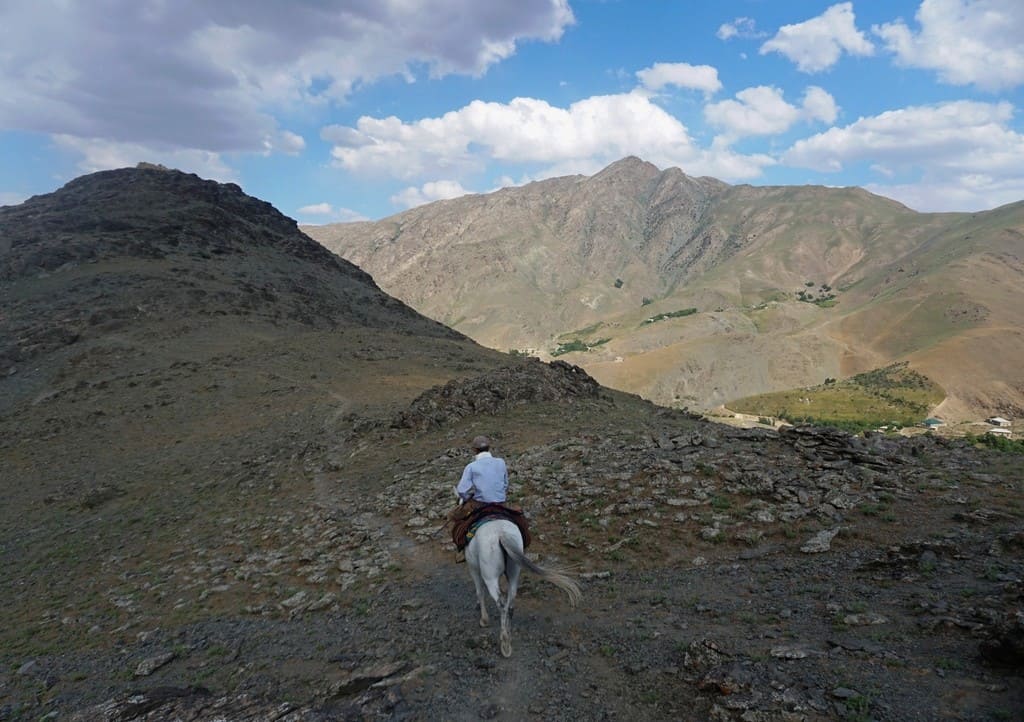
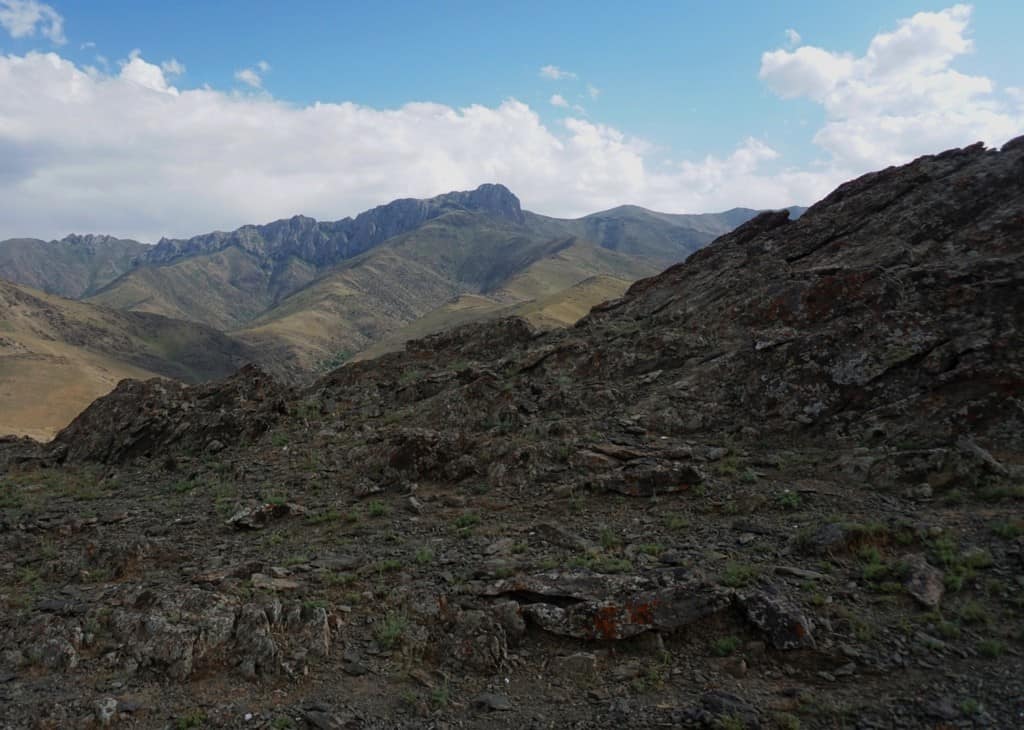
This route was just stunning. We edged up paths that snaked between rocky limestone faces and then strode onto the top of several mountain passes. I felt so free! It was such a gift to be so alone in such stunning landscapes.
Soon we reached the Nuratau nature reserve and Alibek taught me so much about the ancient settlements which once thrived here. At every turn there was a peak to gawk at while red kites swooped over our heads.
Descending into Asraf, the tufts of shrubbery grew greener as trees shrouded the village. Many women were in their yards baking bread and drying mulberries on their roofs.
3. Asraf to Safarota
- Distance: 17km
- Estimated time: 4 hours
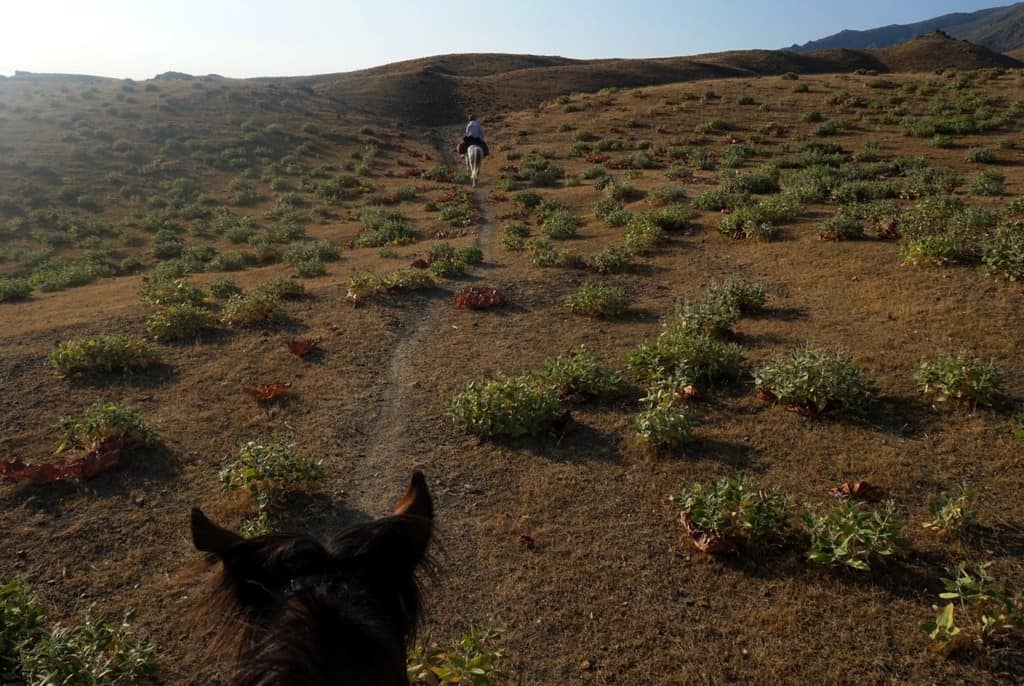
We got up at 4 am for our final day. You’d think at that time you’d be met with silence, but it was the total opposite. The valley was an amphitheater of cackling birds, braying donkeys and crowing cockerels.
As we headed up the valley, the sun’s ochre-colored rays cast over us. I loved getting up at this time because it was a great opportunity to see farmers, their families (and the wildlife) start their day.
We rode down into flat valleys with the stunning ridge of Ukum Pass to our right until we reached Safarota village. I had such a brilliant time and would have happily kept exploring!
If you’re looking for more trekking inspiration in the Nuratau mountains, you could read my hiking guide:
How to get to the Nuratau Mountains
My journey started in Tashkent. Responsible Travel pre-booked a train from Tashkent to Jizzakh, where a driver awaited me at the station. The train took 2 hours 30 minutes but Sherali told me there is another service that takes 1 hour 30 minutes.
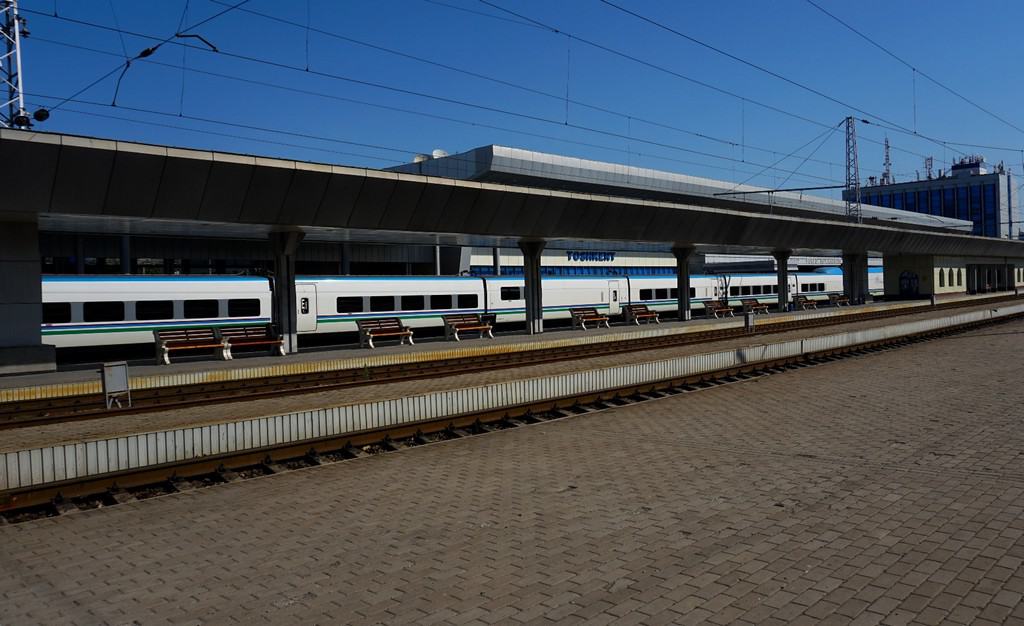
Top tip! Arrive early and bring your passport with you to the station. You’ll need to go through at least two security checks and the guards checked my passport at two different points too. Cynthia has written a cover-all-bases guide here about how to book and handy advice for using Uzbek railways here.

It was around a two-hour drive from Jizzakh to Quytosh, our first destination in the Nuratau mountains. Our driver took us from Sayyod to Sentob and Sentob to Majerum. He also drove us from our final destination of Safarota back to Tashkent which took around five hours.
I’d either recommend booking a train from Tashkent to Jizzakh and then organizing a private driver to drop you off at your starting point, or if you have the cash, booking the five-hour journey by driver (I have no idea how much this would cost!).
Once you’re in the mountains, the only way to get from village to village is either by car, horse or walking.
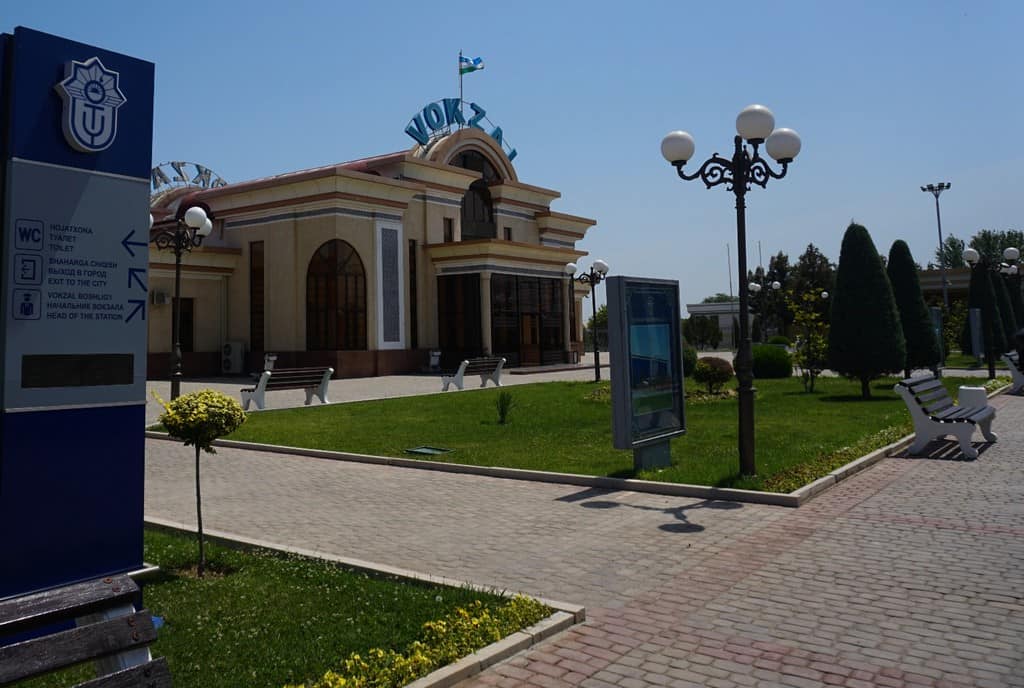
Handy tips when traveling to the Uzbekistan mountains
And finally, some pearls of wisdom to pass on.
> Bread is sacred in Uzbekistan. Try not to leave chunks on your plate or drop on the floor. Especially don’t put it under your lap and save for later. Or throw it down the toilet ?! (Sherali told me about one tourist doing this, which deeply upset the guest house owner).
> In mountain village homes and guest houses, remove your shoes before going inside. Even if you don’t need to, it’s a sign of respect in Islam.
> Uzbekistan is very religious. Don’t be that person with your thighs/shoulders/chest/breasts out. In Tashkent, it’s a little more chilled, but as soon as you head out into the mountains, cover up. You can wear leggings that come down to your calf.
> Try to learn some basic Uzbek and Tajik phrases. I learned from many villagers that while they were happy to speak Russian, they absolutely loved it when I spoke their language. Also, download the Google Translate app. This was SO helpful. You can download languages offline, enabling you to chat to people without signal.
> Download a reliable GPS map app. Even if you’ve booked a guide, I think it’s sensible to plot out your hike for the day on the app, and send it to someone if you can. You can also measure the elevation, distance and time there too. And also God forbid, you may accidentally wander off and get lost.
> Don’t blow your nose at the table. Apparently, it’s incredibly disrespectful and it will not go down well. By all means, itch your nose or wipe away snot with a tissue, but don’t go gung-ho and start emptying the bats in the cave. Cynthia told me that it’s actually rude to blow your nose in public too so watch out for that!
> SIM cards. If you’re desperate to get one at the airport, UCELL is your best bet. If you’ve got time to find a SIM shop, get a Uzmobile SIM. Everyone was using Uzmobile in the mountains and got a signal regularly. I found that (and was warned that) Beeline only works in the cities.
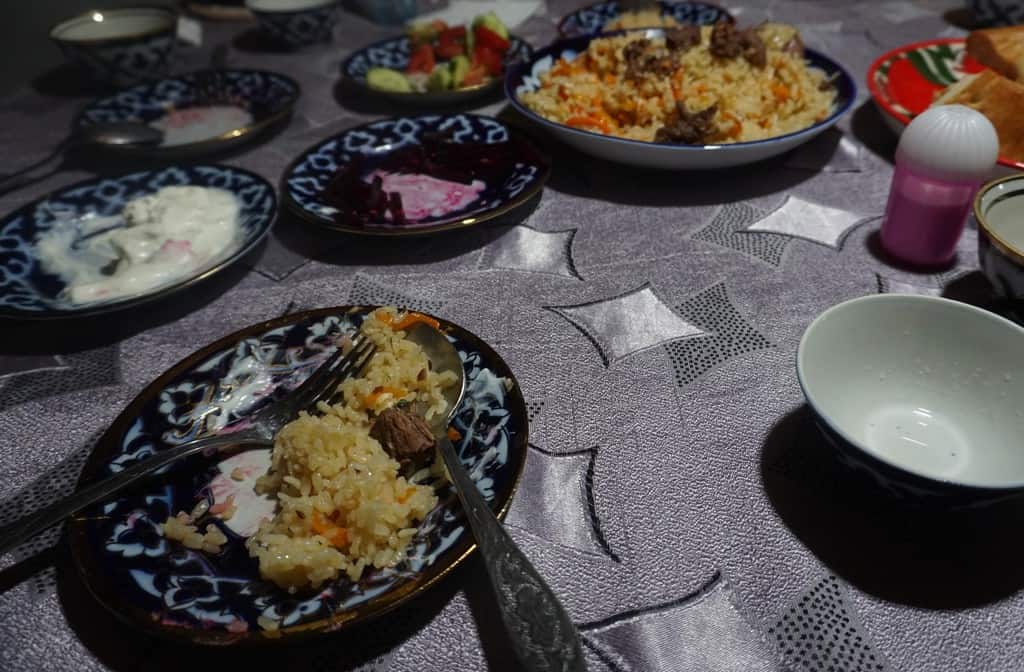
> Veggies/vegans! At the guesthouses in the mountains, it’s a huge sign of honor to present the guest with meat at dinner. You could try not eating the meat but it would be pretty disrespectful. I don’t eat meat in the UK (hadn’t eaten it for years!) but I appreciated where I was and how kind it was of the host to cook me it and dove in. The same goes for the other dishes with dairy etc, really. Staying with mountain villagers, it’s near impossible to be vegan.
I hope you enjoyed reading about my horse riding adventures in Uzbekistan and that you’re feeling inspired to go as well. Feel free to contact me if you have any questions or need help planning your trip to the mountains in Uzbekistan!
| 👉Tashkent City Guide | 👉Samarkand City Guide |
| 👉Bukhara City Guide | 👉Khiva City Guide |
| 👉Shahrisabz City Guide | 👉 Karakalpakstan Guide |
| 👉Fergana Valley Guide |
Related posts
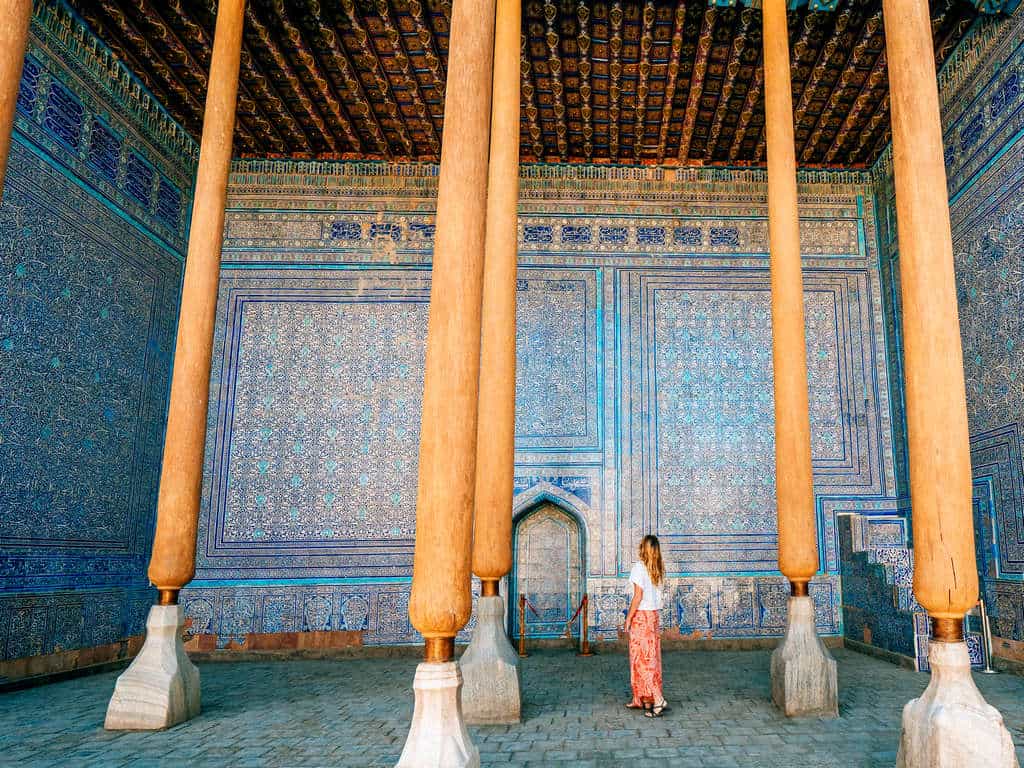
What to wear in Uzbekistan – The Essential Uzbekistan packing list
The best way to get from Tashkent to Osh and from Osh to Tashkent, crossing the Dostyk border (Kyrgyzstan – Uzbekistan)
Uzbekistan Travel Itinerary (2026): 1, 2, 3 & 4 Week Travel Routes + Tips
Uzbekistan Money Guide (2026) – How much does it cost to live and travel in Uzbekistan?
What are the Best Places to visit in Uzbekistan in 2026?
