
I’ve hiked the Ala Kul Trek more than 10 times since first arriving in Kyrgyzstan in 2017. Every time I cross Ala Kul Pass and see the turquoise lake appear beneath the snow-capped peaks, I understand why this is considered the most beautiful trek in Kyrgyzstan.
In this guide, I’ll share everything I’ve learned from years of hiking this route: when to go, where to stay, what to pack, common mistakes to avoid and whether you should do the trek independently or with a guide.
Sooner or later, every traveler visiting Kyrgyzstan will hear about the spectacular alpine lake of Ala Kul. Nestled high in the Terskey Alatau mountains near Karakol, Ala Kul is often considered the crown jewel of Kyrgyzstan’s mountain lakes. With its surreal shades of turquoise and deep blue, it’s no surprise that locals call it the “pristine diamond of the Karakol Canyon.”

I first discovered Ala Kul in 2017 while hitchhiking from Europe to Asia. What was meant to be a short visit turned into nearly a year of living and traveling across Kyrgyzstan.
Since then, I’ve returned yearly and hiked the Ala Kul trek 12 times in different weather conditions and have been organizing trekking tours to the lake since 2018.
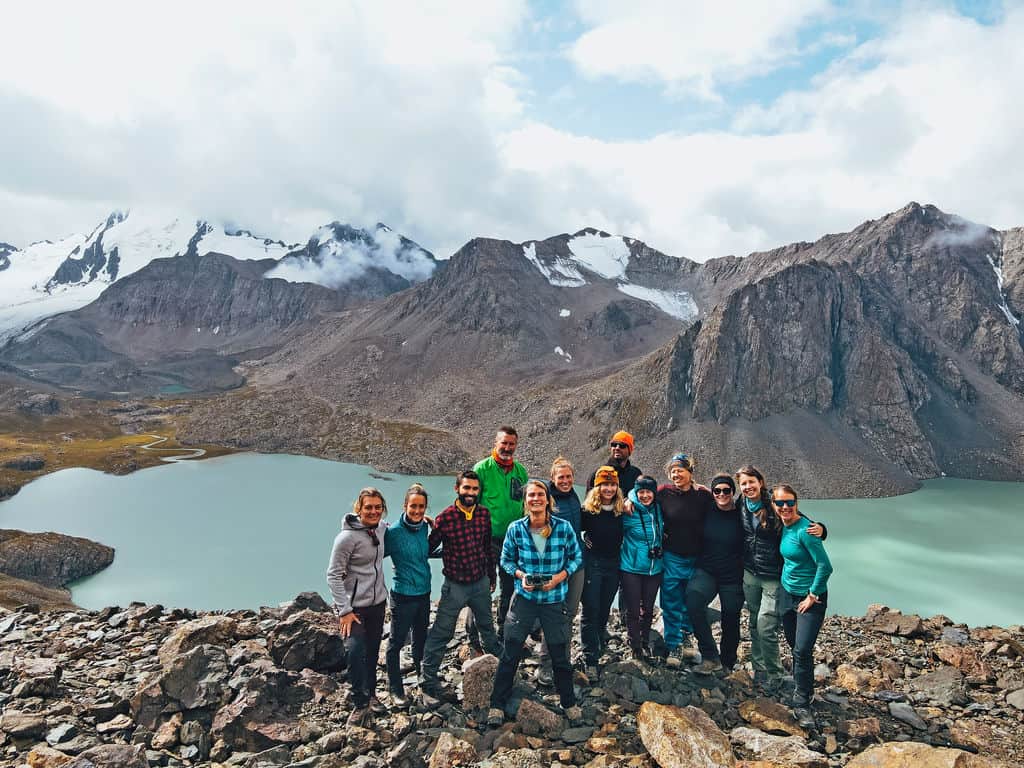
Over the years, I’ve crossed the 3,850-meter Ala Kul Pass under clear blue skies, in thunderstorms, thick fog, and even fresh summer snow. I’ve learned firsthand what makes this trek challenging, what hikers often underestimate, and why it’s considered one of the most rewarding hikes in Kyrgyzstan.
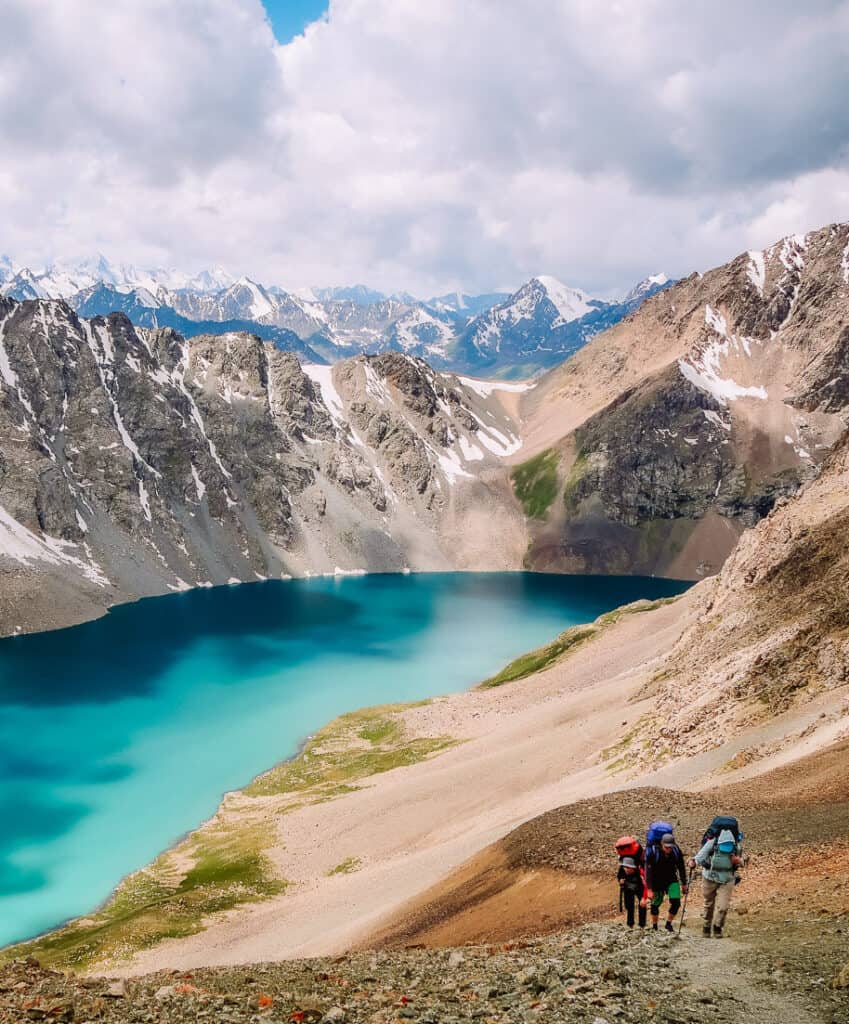
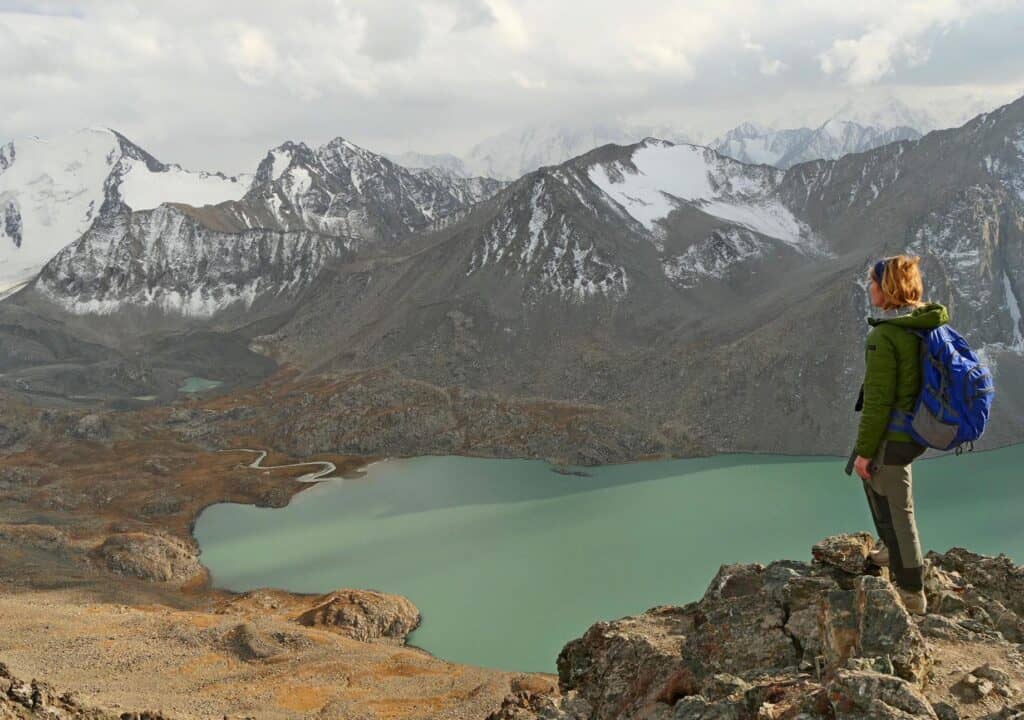
While Ala Kul is one of the country’s most accessible multi-day treks, it’s far from easy. The trail is demanding, the weather can change quickly, and the altitude adds an extra challenge. But every step is worth it when you reach the pass and are rewarded with breathtaking views of glaciers, rugged peaks, and the brilliant turquoise waters of Ala Kul below.

In this guide, I’ll share everything I’ve learned after hiking the Ala Kul trek 12 times, including a detailed itinerary, practical tips, accommodation and camping options, packing advice, route variations, and recommendations to help you plan an unforgettable adventure.
Dreaming of hiking through wild mountain landscapes, horseback riding across alpine pastures, sleeping in yurts, and exploring remote valleys by 4×4 with a small group of adventurous travelers?
Disclaimer: This posts might contain affiliate links, meaning that if you make a purchase through these links, I may earn an affiliate commission. Thank you for helping to support this website!
Plan your trip to kyrgyzstan!
✈️ Find the cheapest flights → Check fares to Bishkek or Osh
🏨 Find hotels & yurt stays → Browse the best accommodation deals
📱 Stay connected → Get a Kyrgyzstan eSIM
🛡️ Travel insurance → Don’t travel Central Asia without coverage
🎒 What should you pack? → Read my Kyrgyzstan packing list
🥾 Want to go hiking? → Discover the most beautiful hiking trails in Kyrgyzstan
🐎 Want to go horse riding? → Check out my favorite horse trekking experiences
🗺️ Need help planning your route? → Learn about my itinerary planning services
⛰️ Prefer traveling with a group? → Join one of my Kyrgyzstan adventure tours
1. Ala Kul Trek Quick Facts
Planning to hike to Ala Kul Lake? Here are the most important things you need to know at a glance:
- Location: Karakol region, Kyrgyzstan
- Trek duration: 3 or 4 days
- Distance: 40 to 50 km, depending on the route
- Highest point: Ala Kul Pass (3860 m/ 12664 ft)
- Ala Kul Lake altitude: 3532 m/ 11588 ft
- Difficulty: moderate to challenging, depending on the trek duration and your level of fitness
- Best time to hike: early July until mid-September
- Guide required: no but recommended, especially if you have limited trekking experience or prefer having all logistics, accommodation and meals arranged for you
- Accommodation: camping, yurt camps, and guesthouses (only in Altyn Arashan Valley)
- Horse riding available: yes, on a small part of the route (but not recommended as they don’t treat the horses well in this area)
- Cell phone coverage: limited to none on most of the trail
The Ala Kul Trek is considered one of the most beautiful multi-day hikes in Kyrgyzstan. The route takes you through alpine forests, river valleys, high mountain passes and the stunning turquoise waters of Ala Kul Lake before descending into the famous Altyn Arashan Valley, known for its hot springs and spectacular mountain scenery.
2. Is the Ala Kul Trek worth it?
Absolutely.
Among the more than 1,900 alpine lakes in Kyrgyzstan, Ala Kul is often considered the most spectacular. Surrounded by rugged peaks and glaciers and famous for its striking turquoise waters, this high-altitude lake has become one of the country’s most iconic natural landmarks.
What makes Ala Kul so special is that you have to earn the view. The lake can only be reached on foot and sits at an altitude of 3,532 meters. The trail takes you through forests, river valleys and rocky mountain terrain before rewarding you with one of the most breathtaking panoramas in Kyrgyzstan.
When I first hiked to Ala Kul in the summer of 2018, the trail was still relatively unknown and mainly visited by adventurous backpackers and experienced hikers.
Since 2022, however, the trek has become increasingly popular and is now considered one of the must-do hikes in Kyrgyzstan. During the peak summer months, you’ll likely meet other trekkers along the route and at the main camping areas. That said, the surrounding mountain scenery remains as wild and spectacular as ever.
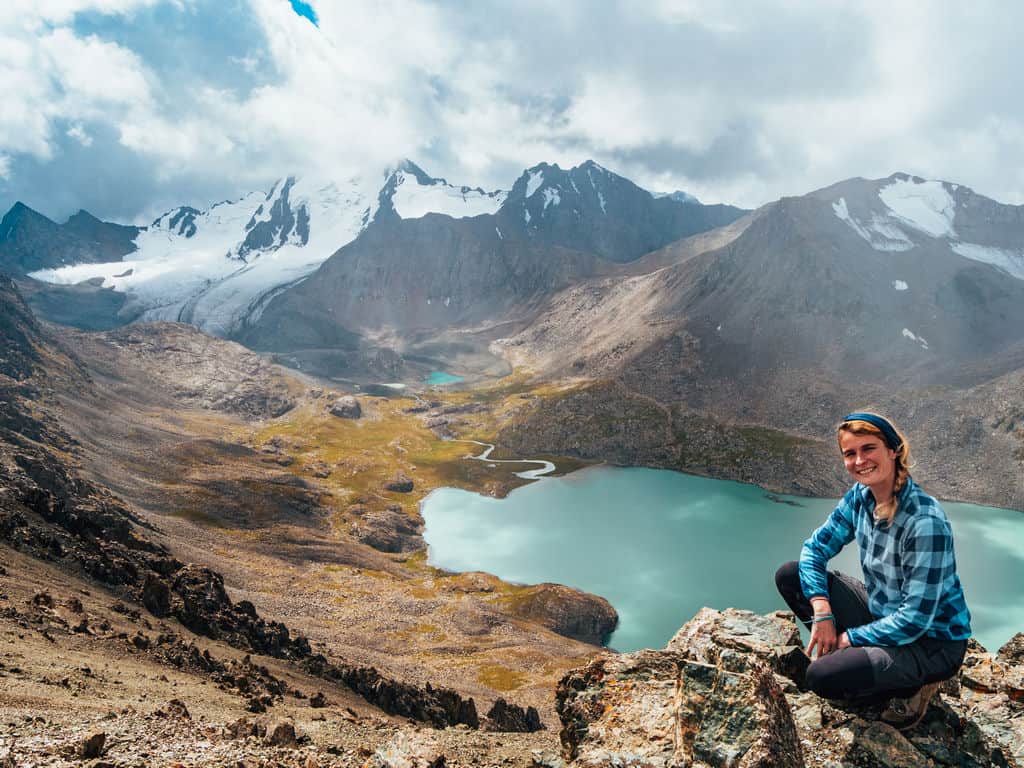
The Ala Kul Trek is challenging but straightforward. Anyone with a good level of fitness and determination can complete it in 3 to 4 days. And once you stand on Ala Kul Pass at 3,860 meters and look out over the lake, glaciers and surrounding mountain ranges, you’ll quickly understand why so many travelers consider this the most rewarding trek in Kyrgyzstan.
3. How difficult is the Ala Kul trek?
The Ala Kul Trek is generally considered a moderate to challenging multi-day hike. While no technical climbing skills are required, the combination of long hiking days, steep ascents, rough terrain, and high altitude can make it a demanding trek for many travelers.
The first and last days of the trek are relatively straightforward and follow well-established trails through the Karakol and Altyn Arashan valleys. The biggest challenge comes on the day you hike up to Ala Kul Lake and especially when crossing the Ala Kul Pass at 3,860 meters.
At this altitude, the thinner air makes hiking noticeably more strenuous, even for fit hikers. The final climb to the pass is steep and often involves navigating loose gravel, scree, and unstable rocks. Depending on recent weather conditions, you may also encounter snow patches near the pass, even during summer.
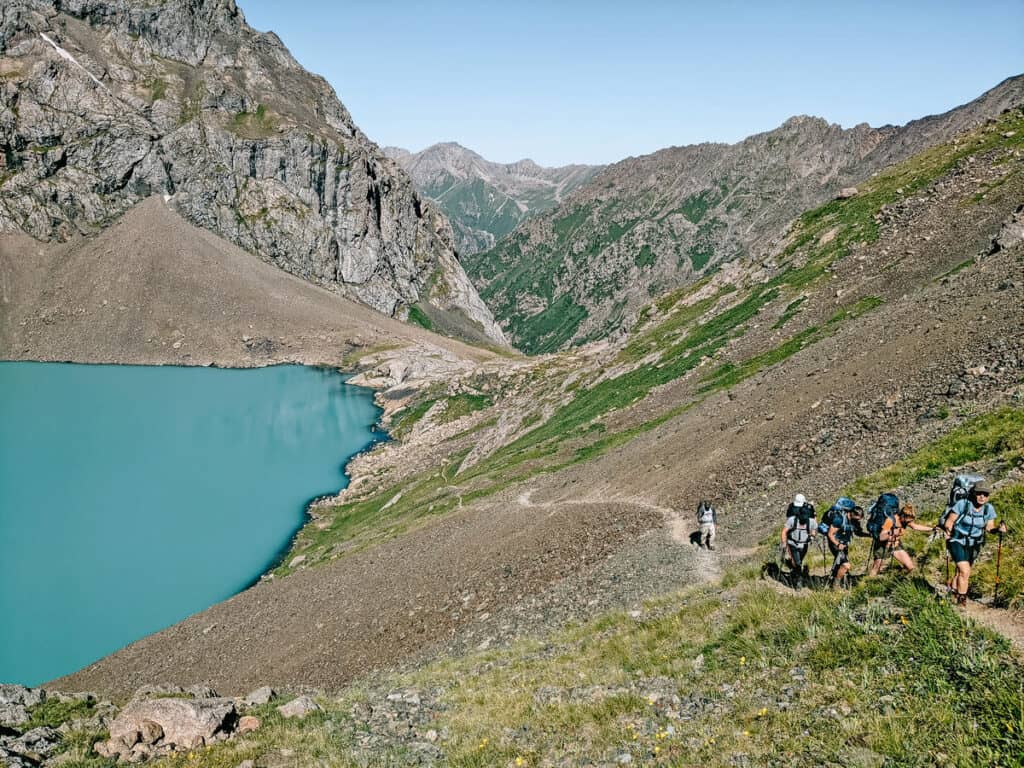
Having hiked the Ala Kul Trek 12 times, I’ve seen people with little trekking experience successfully complete the route, while others underestimated the effects of altitude and the physical effort required. A good level of fitness, determination, and proper preparation are far more important than previous trekking experience.
To prepare for the Ala Kul Trek, I recommend that people who join my Kyrgyzstan tours that include trekking to Ala Kul, to go on regular long walks or day hikes in the weeks before their trip. Activities such as stair climbing, cycling, running, or hiking with a backpack can also help build the endurance needed for the trail.
The good news? The difficult sections are relatively short compared to the overall trek, and every challenging climb is rewarded with some of the most spectacular mountain scenery you’ll find in Kyrgyzstan.
4. How many days do you need for the Ala Kul Trek?
The Ala Kul Trek can be completed in 3 or 4 days, but after hiking this route 12 times, I strongly recommend choosing the 4-day itinerary whenever possible.
While a 3-day trek is certainly doable, it involves long and demanding hiking days with less time to rest, acclimatize, and fully enjoy the spectacular scenery along the way. Unless you’re very fit, have previous trekking experience, or are short on time, the 4-day route offers a much more enjoyable experience.
The main advantage of spreading the trek over 4 days is that it gives your body more time to adjust to the increasing altitude. Instead of rushing to Ala Kul Lake, you can take your time, enjoy the mountain landscapes, and arrive at the lake feeling stronger and less fatigued.
My preferred itinerary is to spend 2 days hiking from the Karakol Valley to Ala Kul Lake, followed by 2 days descending via the beautiful Altyn Arashan Valley back to Ak-Suu village. This pace allows for a more comfortable trek and increases your chances of fully appreciating one of Kyrgyzstan’s most spectacular hiking routes.
Below, I’ll share detailed itineraries for both the 3-day and 4-day versions of the trek so you can decide which option suits you best.
Can you do the Ala Kul Trek in 2 days?
Technically, yes, but I wouldn’t recommend it.
The only realistic way to complete the trek in 2 days is by arranging private 4×4 transport to or from Altyn Arashan. Even then, you’ll be facing very long hiking days and will miss much of what makes this trek so special.
Keep in mind that there are no taxis waiting in Altyn Arashan, so any transport needs to be arranged in advance. The road between Karakol and Altyn Arashan is rough, can be blocked by rocks or landslides, and is generally only suitable for experienced drivers with a proper 4×4 vehicle. Most rental companies in Karakol don’t allow travelers to drive this route themselves for that reason.
If your schedule allows it, give yourself 4 days. The extra day makes the trek considerably more enjoyable and gives you more time to soak in the stunning mountain scenery, relax in the Altyn Arashan hot springs, and truly experience one of Kyrgyzstan’s most iconic adventures.
Join a small group and experience one of Kyrgyzstan’s most spectacular hikes! Let us take care of the logistics while you focus on enjoying the breathtaking scenery of Ala Kul Lake and Altyn Arashan.

5. Altitude & Acclimatization on the Ala Kul Trek
One of the biggest challenges of the Ala Kul Trek isn’t the distance or the steep climbs, it’s the altitude.
Ala Kul Lake sits at an altitude of 3,532 meters, while the highest point of the trek, Ala Kul Pass, reaches 3,860 meters. At this elevation, the air contains significantly less oxygen, making physical activity more demanding than it would be at lower altitudes.
Even if you’re physically fit, don’t be surprised if you find yourself getting out of breath more quickly than usual, especially during the final ascent to the pass. Hiking slowly and steadily is often the key to reaching the top comfortably.

Can you get altitude sickness on the Ala Kul Trek?
Yes, although serious cases are rare.
Some hikers experience mild symptoms of altitude sickness, especially if they arrive in Karakol directly from a low-altitude destination and start the trek immediately. Common symptoms include headaches, dizziness, nausea, fatigue, loss of appetite, and difficulty sleeping.
Having hiked the Ala Kul Trek 12 times, I’ve noticed that most travelers handle the altitude well, especially when they take their time and follow a sensible itinerary. However, everyone reacts differently to altitude, regardless of age or fitness level.
How to acclimatize before the trek
The best way to reduce the risk of altitude sickness is to give your body time to adjust.
I recommend spending at least one or two nights in Karakol before starting the trek. Karakol sits at around 1,700 meters above sea level, allowing your body to gradually adapt before heading higher into the mountains.
Other useful tips include:
- Stay well hydrated before and during the trek.
- Avoid excessive alcohol the day before starting.
- Hike at a steady pace and don’t rush the ascent.
- Eat regularly, even if your appetite decreases slightly at altitude.
- Listen to your body and take breaks when needed.
Why I recommend the 4-day Ala Kul Trek
One of the reasons I prefer the 4-day itinerary over the 3-day version is that it allows for a more gradual ascent. By spreading the trek over an extra day, your body has more time to adapt to the increasing altitude, making the experience more enjoyable and reducing the chances of altitude-related discomfort.
For most hikers, the altitude is noticeable but manageable. As long as you’re reasonably fit, properly prepared, and allow yourself enough time to acclimatize, the Ala Kul Trek is well within reach.

6. Is the Ala Kul Trek safe?
Yes, the Ala Kul Trek is generally considered a safe hike for anyone with a reasonable level of fitness and some mountain hiking experience. The trail is well-established and during the summer season you’ll usually encounter other trekkers along the route.
That said, this is still a high-altitude mountain trek and there are a few things you should be aware of:
Weather can change quickly
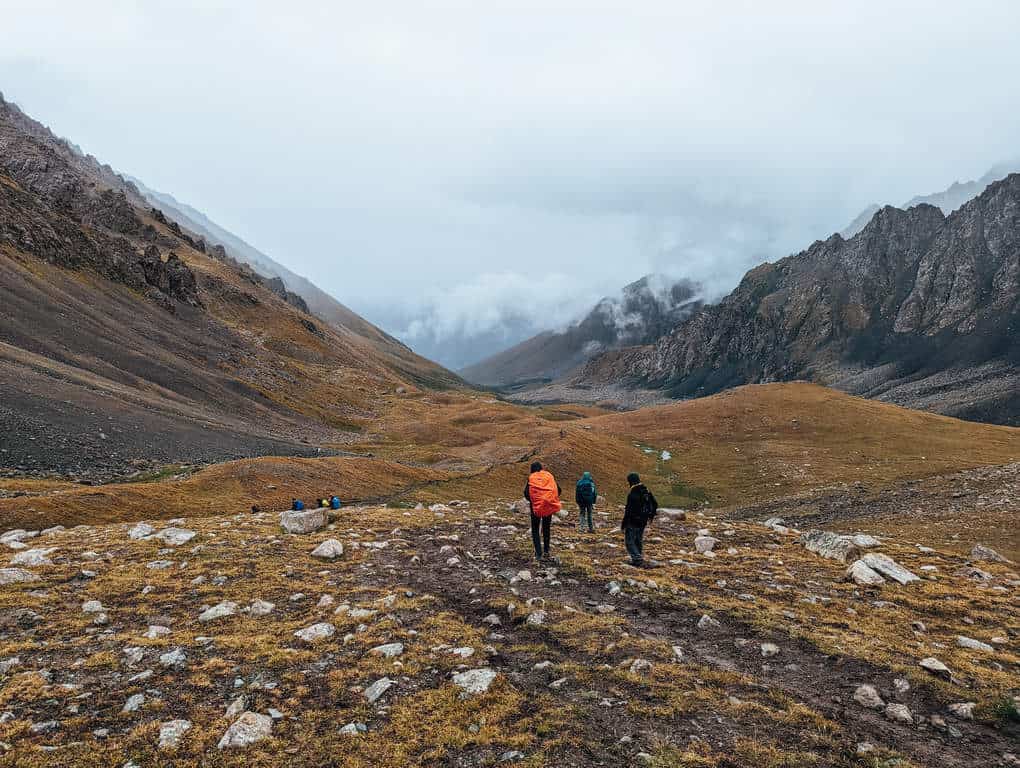
The weather in the Terskey Alatau mountains is notoriously unpredictable. Sunshine can quickly turn into rain, hail, fog, or even snowfall, regardless of the season. Always bring waterproof clothing and warm layers, even if the forecast looks good.
Steep and slippery terrain
The most challenging section is the ascent to Ala Kul Pass (3,860 m). Parts of the trail consist of loose gravel, scree, and unstable rocks, which can become slippery after rain or snowfall. Good hiking boots and trekking poles are highly recommended.
River crossings and bridges
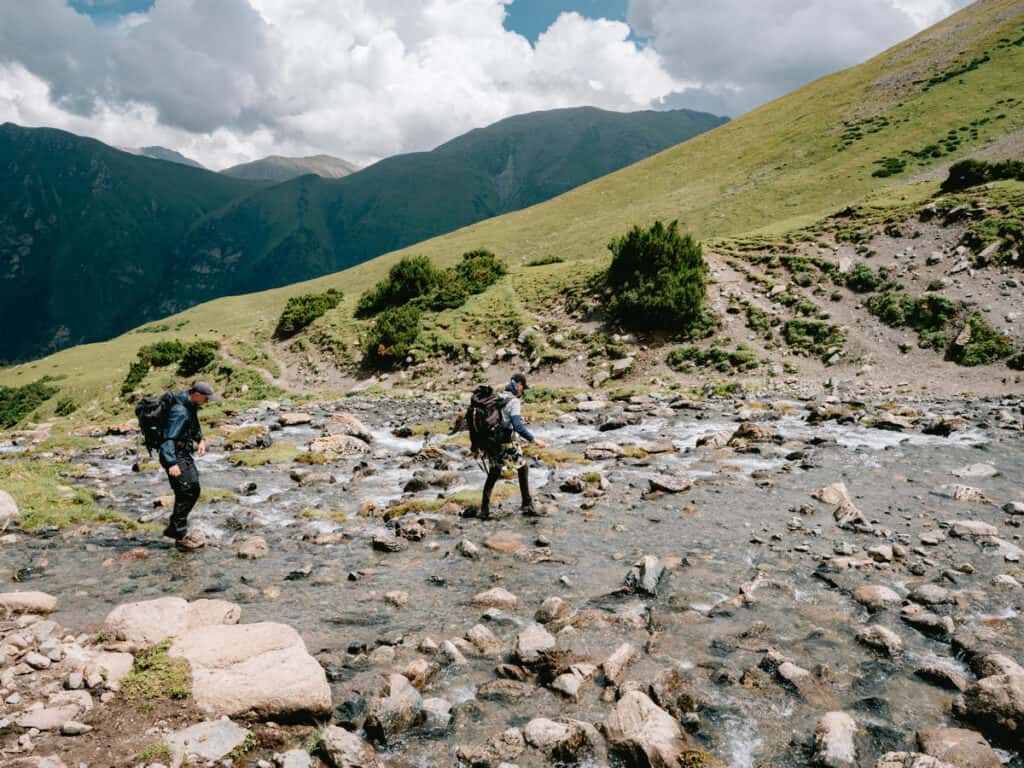
There are several river crossings along the route. Most are crossed via bridges, but conditions can change from year to year due to floods or landslides. Always use the designated crossings and never attempt to cross fast-flowing rivers.


Rockfalls
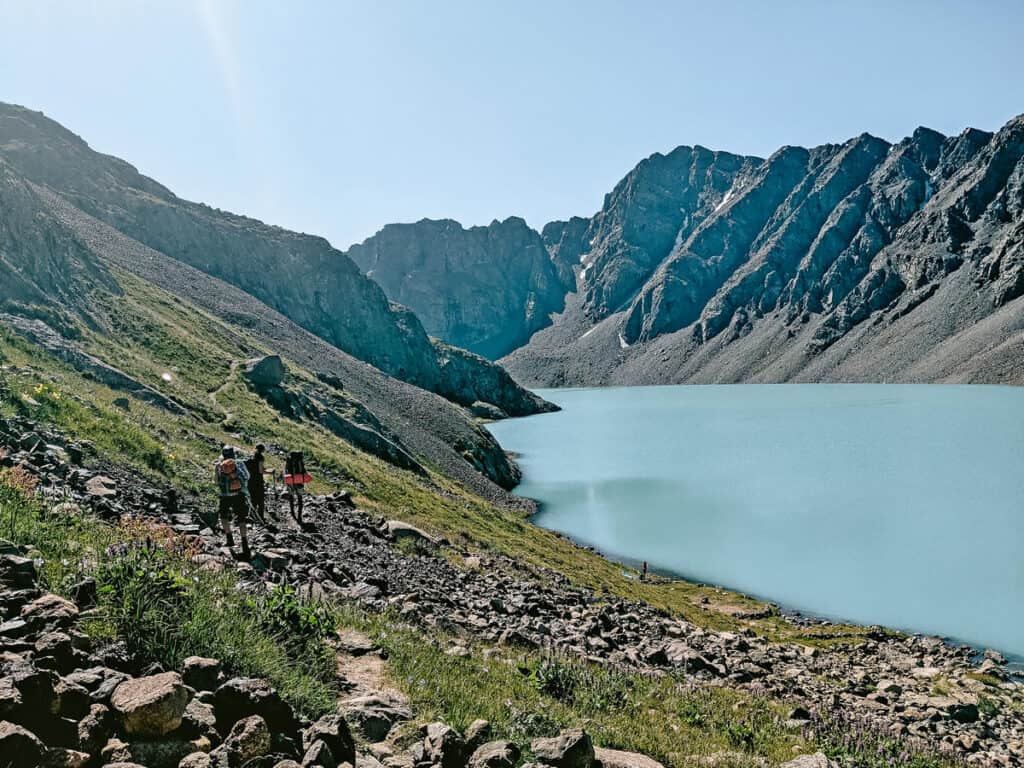
Rockfalls are uncommon but can occur, especially near steep slopes and after heavy rain or during periods of snowmelt. Stay alert, particularly on the section between Ala Kul Lake and Ala Kul Pass.
Drinking water
There are plenty of streams along the trail, but I recommend filtering or purifying all water before drinking it. Horses, cattle, and livestock graze throughout the area, which can contaminate water sources. A water filter bottle, steripen, or purification tablets are highly recommended!

My advice
Having hiked the Ala Kul Trek many times, I’d say the biggest risks come from underestimating the weather, altitude, and physical demands of the trek. Prepare well, check the forecast before setting off, and don’t hesitate to turn around if conditions become unsafe.

7. When is the best time to hike to to Ala Kul lake?
The hiking season for Ala Kul typically runs from mid-June until the end of September, depending on snowfall and weather conditions. However, the best time to hike to Ala Kul Lake is from early July to early September.
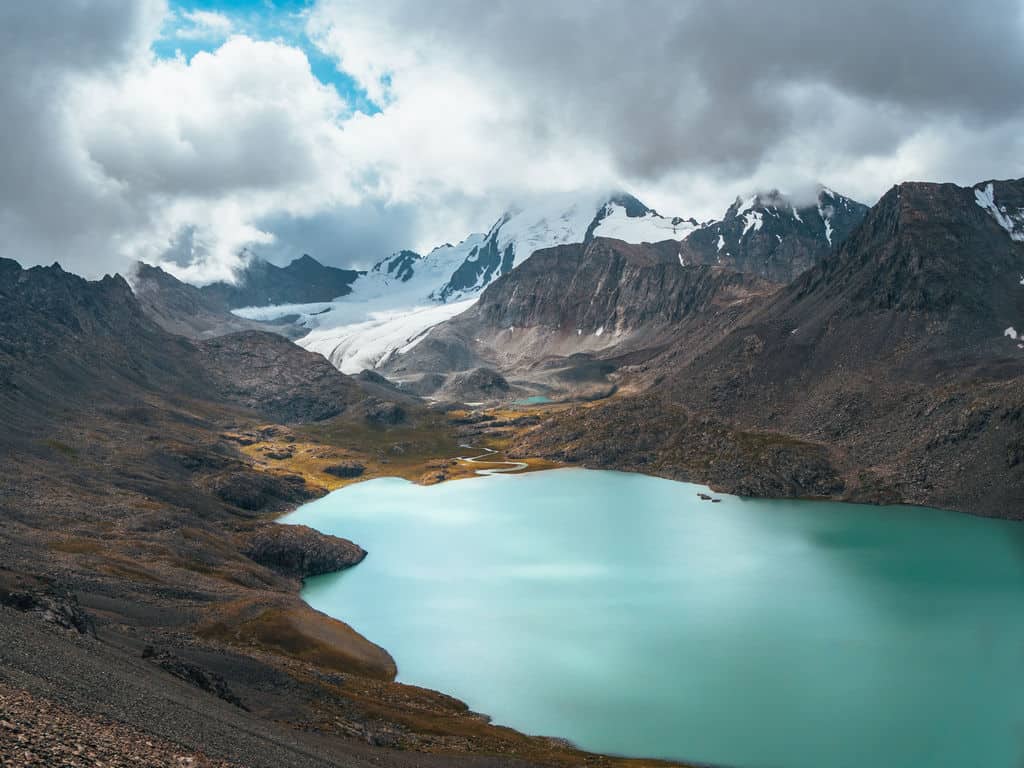
During these months, the trail is usually free of snow, temperatures are more comfortable for camping, and you’re more likely to enjoy clear views of the lake and surrounding mountains. This is also when the famous turquoise color of Ala Kul is often at its most spectacular.
Can you hike to Ala Kul in June?
Technically, yes, but I wouldn’t recommend it unless you’re an experienced hiker and well-prepared for changing mountain conditions.
Every year, I see travelers attempting the Ala Kul Trek in June because they’re eager to start the hiking season. However, the reality is that conditions can still be very challenging. Snow often remains on the trail, especially around Ala Kul Pass, making route finding more difficult and increasing the risk of slipping. Visibility can also be poor due to fog, clouds, rain, or fresh snowfall.
Having hiked Ala Kul multiple times in different months, I’ve seen conditions change dramatically from one day to the next. A sunny forecast in Karakol doesn’t necessarily mean good weather at 3,500-3,800 meters.
If you’re considering hiking Ala Kul in June:
- Check recent trail conditions with local guides or guesthouses in Karakol.
- Carefully monitor the weather forecast before departure.
- Be prepared for snow, freezing temperatures, and poor visibility.
- Avoid hiking alone, especially if you’re unfamiliar with mountain navigation.
What about September?
September is one of my favorite months for the Ala Kul Trek. The summer crowds begin to thin out, the mountains often enjoy stable weather, and the autumn colors start appearing in the valleys.
The main drawback is that temperatures can drop significantly, especially at night, and early snowfall becomes more likely towards the end of the month.
My recommendation
If you want the best combination of good weather, accessible trails, and comfortable camping conditions, plan your Ala Kul Trek between mid-July and early September. You’ll have the highest chance of seeing the lake in all its glory while avoiding the more challenging early-season conditions.

8. What weather should you expect on the Ala Kul Trek?
Mountain weather in Kyrgyzstan is notoriously unpredictable, and the Ala Kul Trek is no exception. You can start the day under clear blue skies and find yourself hiking through rain, hail, thick fog, or even snowfall a few hours later, even in the middle of summer!
I’ve experienced everything from warm sunshine at the lake to snow and thunderstorms on Ala Kul Pass in July and August. That’s why it’s important to prepare for all weather conditions, regardless of the season.
How cold does it get?
Even during the peak summer months, temperatures can drop to freezing temperatures (below 0°C!)at night around Ala Kul Lake and Ala Kul Pass. Strong winds can also make it feel much colder, especially when the weather deteriorates.
If you’re camping, I highly recommend bringing a warm sleeping bag suitable for cold mountain conditions, as well as an insulated jacket, hat, and gloves.
Be prepared for rain, hail, and snow
A good waterproof rain jacket is essential, and I also recommend waterproof rain pants. Afternoon storms are common in the mountains and can quickly turn a pleasant hike into a cold and uncomfortable experience if you’re not properly equipped.
What if the weather turns bad?
If visibility becomes poor due to fog, heavy rain, or snowfall, it’s best to stop and wait for conditions to improve. The section around Ala Kul Pass can become particularly challenging when the trail is covered by snow or when visibility is limited.
Never underestimate the weather in the mountains. A forecast that looks perfect in Karakol doesn’t guarantee good conditions at 3,500 to 3,800 meters.
My advice
Always pack for colder and wetter conditions than you expect. It’s far better to carry an extra warm layer that you don’t need than to find yourself cold, wet, and exposed high in the mountains.

9. Do you need a guide for the Ala Kul Trek?
No, you don’t need a guide to hike to Ala Kul Lake. The trail is well-established, and experienced hikers with the right equipment, good navigation skills, and proper preparation can complete the trek independently.
However, whether you should hike independently is a different question.
Over the years, I’ve seen many people underestimate the challenges of the route. While the trail itself is relatively straightforward in good weather, conditions in the mountains can change rapidly. Snow, fog, heavy rain, or poor visibility can make navigation much more difficult, especially around Ala Kul Pass.
Should you hike Ala Kul alone?
If you’re an experienced mountain hiker, hiking alone may be an option. However, I generally don’t recommend attempting the Ala Kul Trek solo, especially if it’s your first multi-day trek or if you have limited mountain experience.
Over the years, I’ve met several hikers who got into trouble because they underestimated the weather, altitude, or physical demands of the route. In most cases, things turned out fine because other trekkers happened to be nearby, but that’s not something you should rely on.
If you’re traveling solo and want to do the trek independently, I strongly recommend finding a trekking buddy in one of the hostels or guesthouses in Karakol. During the summer season, you’ll usually find other travelers planning the same hike.

Why choose a guide?
Hiring a local guide or joining a small group trek can make the experience much more enjoyable, especially if you have limited trekking experience or prefer not having to worry about logistics.
Joining a small guided group trek can help with:
- Navigation and route finding
- Monitoring weather and trail conditions
- Organizing accommodation, meals, and transport
- Providing local knowledge about the area
- Offering additional safety in case of unexpected situations
Join a guided Ala Kul Trek
If you’d like to experience Ala Kul without worrying about planning the logistics yourself, I organize both 3-day and 4-day Ala Kul Treks in small groups.
Join a small group and experience one of Kyrgyzstan’s most spectacular hikes! Let us take care of the logistics while you focus on enjoying the breathtaking scenery of Ala Kul Lake and Altyn Arashan.
You can also combine the Ala Kul Trek with other adventures in the Karakol region or as part of one of my small-group Kyrgyzstan tours.

10. Can you reach Ala Kul Lake on horseback?
Yes, it is possible to hire a horse in Altyn Arashan and ride part of the way towards Ala Kul Lake. However, you won’t be able to reach the lake itself on horseback. The final section of the route is too steep and rocky, meaning you’ll still have to continue on foot.
While horse riding is one of my favorite ways to explore the mountains of Kyrgyzstan, I personally do not recommend riding to Ala Kul Lake.
Over the years, I’ve joined numerous horse treks across Kyrgyzstan and have generally been impressed by the quality of the horses and the professionalism of the horse guides. Unfortunately, my experience with the horses used on the Ala Kul route was very different.
A few years ago, I decided to try the horseback route myself to better understand the experience. I was disappointed by the condition of many of the horses being used. Some appeared underfed, overworked, and were being used repeatedly throughout the day to transport tourists up and down the mountain.
Of course, conditions can change over time and not every horse owner operates in the same way. However, based on my personal experience, I don’t feel comfortable recommending horseback rides to Ala Kul Lake.
The good news is that the Ala Kul Trek is designed to be completed on foot, and the sense of achievement when you reach the lake and cross Ala Kul Pass is a big part of what makes this adventure so rewarding.
If you’re interested in horse riding in Kyrgyzstan, I’d instead recommend joining a dedicated horse trekking experience elsewhere in the country, where horse welfare and the overall riding experience are generally much better.

11. How much does the Ala Kul Trek cost?
The cost of the Ala Kul Trek depends on whether you hike independently or join a guided tour.
Cost of hiking Ala Kul independently
If you’re carrying your own gear and organizing everything yourself, the Ala Kul Trek can be done on a relatively modest budget.
Here are the main expenses to consider:
- Karakol National Park entrance fee: around 300 KGS per person
- Camping: free in most areas along the trail
- Yurt camps along the trail: around $50 for a night (breakfast included) – need to be booked upfront via Destination Karakol
- Guesthouses: only in Altyn Arashan. Prices vary but usually start at $20 for a night in a shared room
- Food: bring your own supplies from Karakol or buy meals at some of the yurt camps
- Transport between Karakol and the trailhead: prices vary, usually around $25
If you already have your own camping equipment, you can usually complete the trek independently for a relatively low cost.
Additional costs
Some hikers prefer to hire:
- A local guide: around $100 per day
- A porter: around $25 per day
- Camping equipment: around $10 per day
- Private transport to or from Altyn Arashan: around $100
These services can significantly increase the overall cost but can also make the trek more comfortable and accessible.
Cost of a guided Ala Kul Trek
Joining a guided trek is the most convenient option if you don’t want to worry about organizing accommodation, meals, transport, permits, and logistics yourself.
The cost of my small-group Ala Kul Treks depends on the number of people joining (the 4-day trek starts at €540 per person for a group of 2) and prices include:
- Experienced English-speaking local trekking guide
- Accommodation and camping arrangements
- Meals during the trek
- Transportation
- National park entrance fees
- All logistics and local support
While a guided trek costs more than hiking independently, many travelers find it worthwhile for the convenience, local expertise, and added safety in the mountains.
My recommendation
If you’re an experienced hiker with your own equipment, hiking independently is perfectly possible during the summer season.
However, if it’s your first trek in Kyrgyzstan, you’re traveling solo, or you’d rather focus on enjoying the experience than planning the logistics, a guided trek is often well worth the extra cost.
Join a small group and experience one of Kyrgyzstan’s most spectacular hikes! Let us take care of the logistics while you focus on enjoying the breathtaking scenery of Ala Kul Lake and Altyn Arashan.
12. What should you pack for the Ala Kul Trek?
Packing the right gear can make the difference between an enjoyable adventure and a miserable few days in the mountains.
The Ala Kul Trek takes you to altitudes of nearly 4,000 meters, where weather conditions can change rapidly. Even in the middle of summer, it’s not uncommon to experience sunshine, rain, hail, strong winds, and near-freezing temperatures within the same day.
From my own experience, I can confidently say that one of the biggest mistakes hikers make is underestimating how cold and wet it can get in the mountains. Being caught in a storm without proper waterproof clothing or warm layers can quickly turn an unforgettable trek into an uncomfortable experience.
Essential clothing
- Waterproof rain jacket
- Waterproof rain pants
- Warm fleece or insulated jacket
- Thermal base layers
- Hiking pants
- Moisture-wicking hiking shirts
- Warm hat and gloves
- Extra socks and underwear
- Comfortable clothes for the evening
Hiking gear
- Sturdy hiking boots with good grip
- Trekking poles (highly recommended)
- Backpack + rain cover (40-60L for independent trekkers)
- Headlamp or flashlight
- Power bank
- Offline maps downloaded on your phone (such as Maps.me or Organic Maps)

Camping equipment
If you’re planning to camp independently, you’ll need:
- Tent
- Warm sleeping bag suitable for mountain conditions
- Sleeping pad
- Cooking equipment and food supplies
While there are now guesthouses in Altyn Arashan and seasonal yurt camps near Sirota and Keldeke, availability can vary and hosts aren’t always present. If you’re relying on accommodation along the route, it’s best to check availability beforehand rather than assuming you’ll find a place upon arrival.
If you’re joining a guided trek, lodging in yurt camps and/or camping equipment such as tents and sleeping mats is usually provided (sleeping bags can be rented for $5 per day).
Food and water
- Water bottles or hydration system
- Water filter, purification tablets, or steripen
- Energy bars and snacks
- Packed lunches and meals if trekking independently
There are plenty of streams along the route, but I recommend filtering all water before drinking it.
Don’t forget your swimsuit
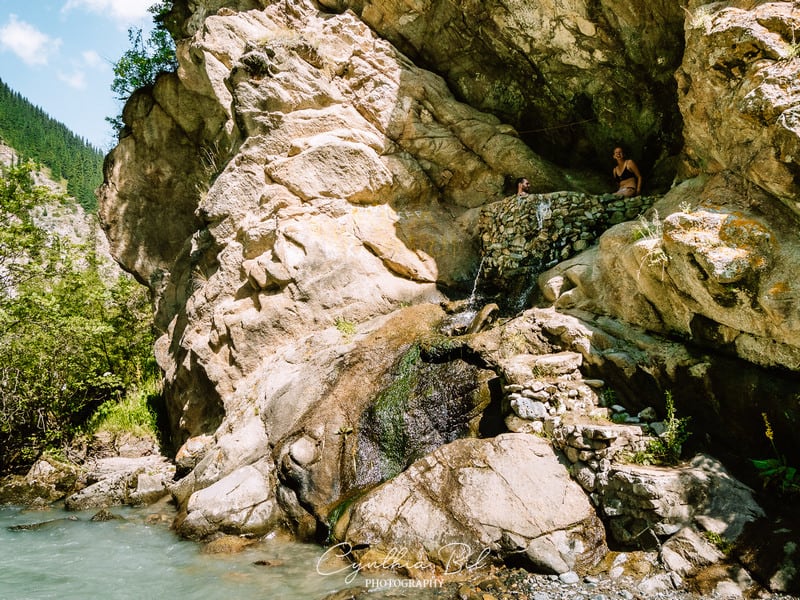
While I don’t recommend swimming in Ala Kul Lake – the water temperature is usually around 5°C and access to the shoreline can be difficult – you’ll be glad you packed a swimsuit when relaxing in the famous hot springs of Altyn Arashan after several days of hiking.
My packing tip
Pack for colder conditions than you expect. Even if the forecast looks sunny in Karakol, temperatures around Ala Kul Lake and Ala Kul Pass can drop close to freezing, especially at night. A few extra warm layers often weigh very little but can make a huge difference to your comfort in the mountains.

13. Which Ala Kul itinerary should you choose?
The two most popular ways to hike to Ala Kul Lake are the 3-day trek and the 4-day trek. Both routes follow the same trail and visit the same highlights, including Ala Kul Lake, Ala Kul Pass, and the beautiful Altyn Arashan Valley.
The main difference is the pace.
After hiking the Ala Kul Trek 12 times, I can confidently say that the 4-day itinerary offers the best overall experience for most travelers. It allows you to hike at a more comfortable pace, acclimatize better to the altitude, and spend more time enjoying the scenery instead of rushing from one campsite to the next.
Here’s a quick comparison:
| 3-Day Trek | 4-Day Trek | |
|---|---|---|
| Duration | 3 days | 4 days |
| Difficulty | Challenging | Moderate to challenging |
| Daily hiking hours | 7-10 hours | 4-8 hours |
| Altitude acclimatization | Less time | Better acclimatization |
| Camping experience | Shorter | More relaxed |
| Best for | Experienced hikers or those short on time | Most travelers |
| My recommendation | Good option | ⭐ Best option |
Choose the 3-day itinerary if:
- You have limited time in Kyrgyzstan.
- You’re already acclimatized to the altitude.
- You have previous trekking experience.
- You’re comfortable with long hiking days.
Choose the 4-day itinerary if:
- You want to enjoy the trek at a more relaxed pace.
- You’d like more time to acclimatize.
- You’re carrying camping gear.
- You want to fully experience the landscapes around Ala Kul and Altyn Arashan.
- This is your first multi-day trek in Kyrgyzstan.
My recommendation
Unless you’re very fit or short on time, I recommend choosing the 4-day Ala Kul Trek. The extra day makes a big difference, especially when it comes to altitude acclimatization and overall enjoyment of the trek.
The mountains aren’t going anywhere, and Ala Kul is one of those places that’s worth taking your time for.

14. 4-Day Ala Kul Trek Itinerary (Recommended)
Total Distance: 55 km
Total Ascent: +1,500 m
Highest Point: Ala Kul Pass (3,860 m)
Day 1: Karakol Valley → Sirota Area
Distance: 16 km | Ascent: +650 m
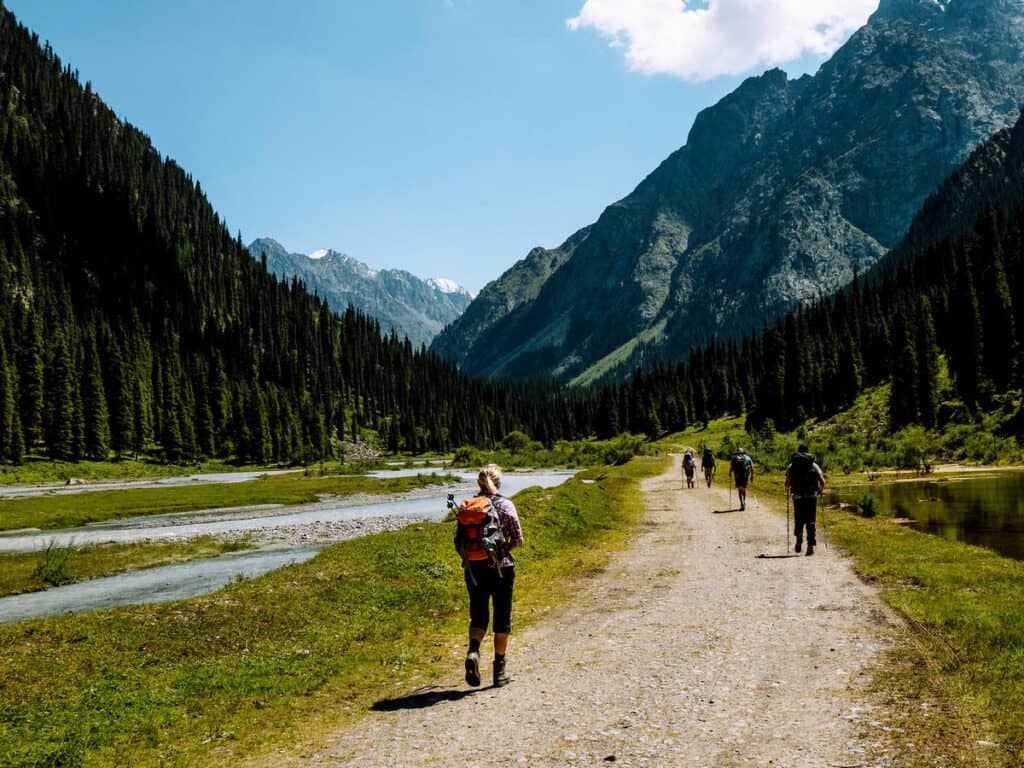
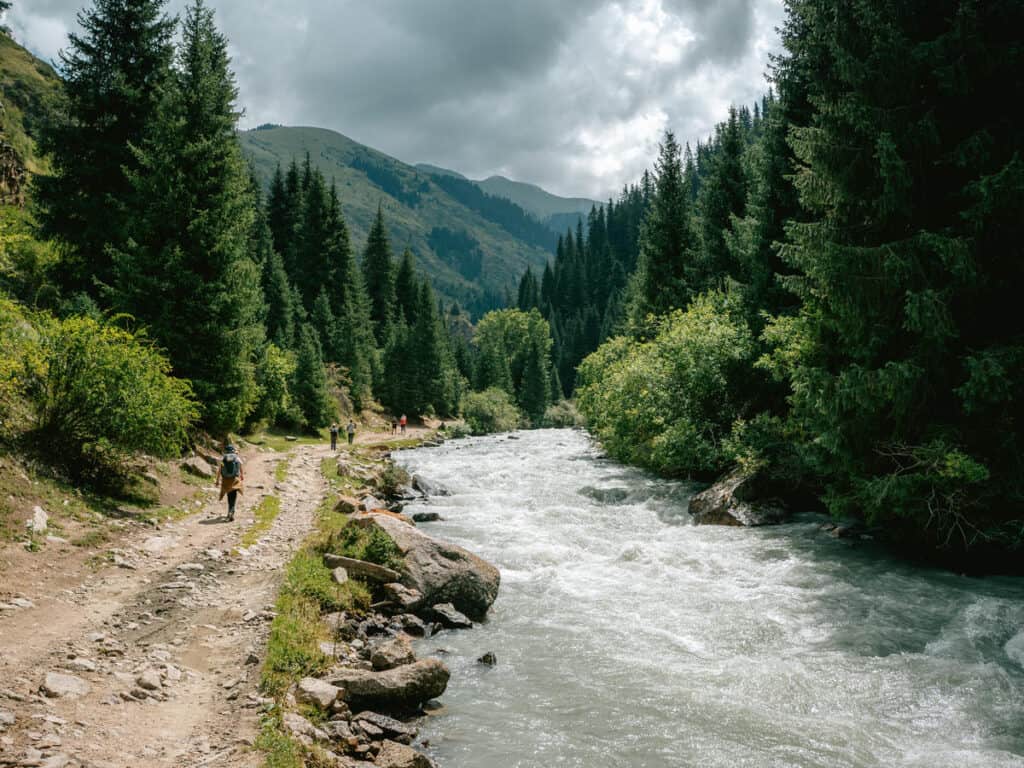
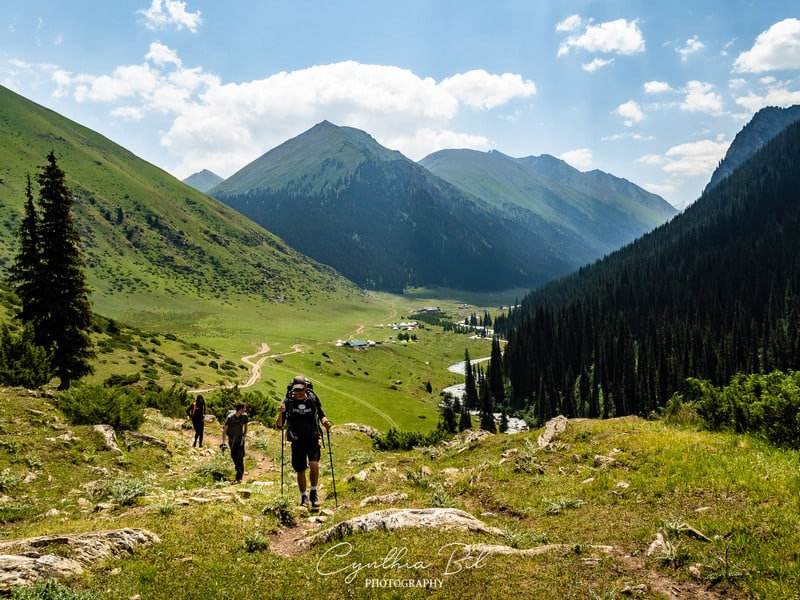
Start at Karakol National Park and follow the scenic Karakol Valley through forests, meadows, and alongside the Karakol River. The trail is mostly flat and makes for a pleasant first day in the mountains.
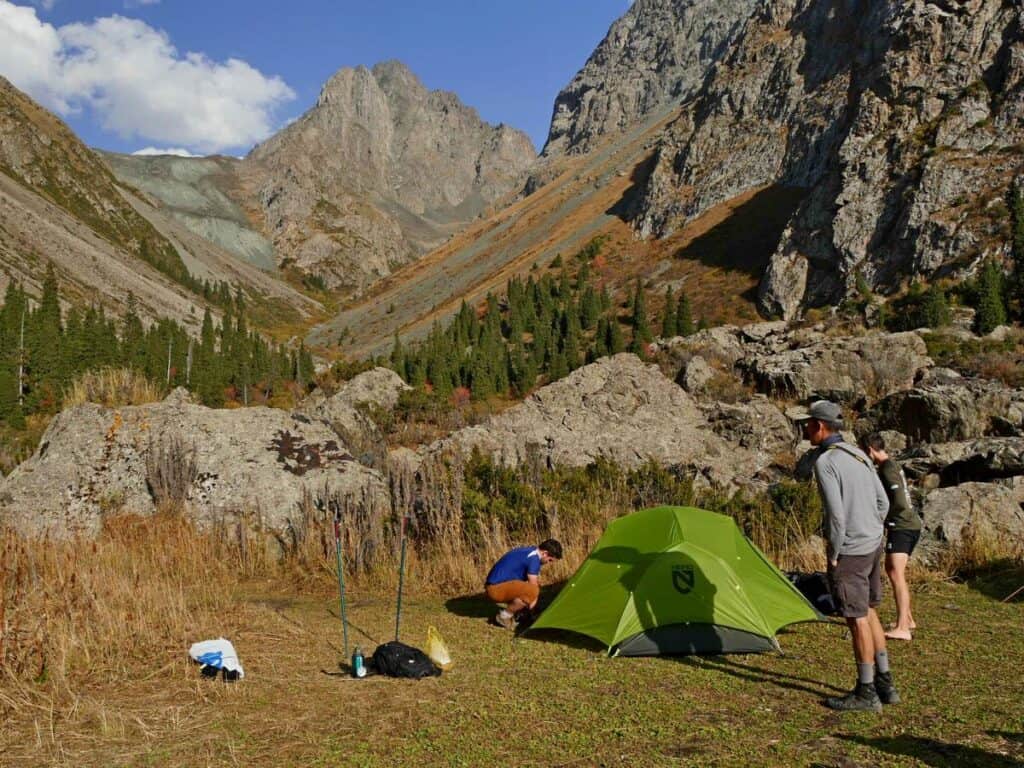
Overnight: Camping area near the bridge before Sirota or at the seasonal yurt camp.


Day 2: Sirota Area → Ala Kul Lake
Distance: 8 km | Ascent: +1,200 m
Today is the most physically demanding climb of the trek. Hike through dense forest, pass the Sirota camping area, and continue on steep, rocky trails towards Ala Kul Lake.
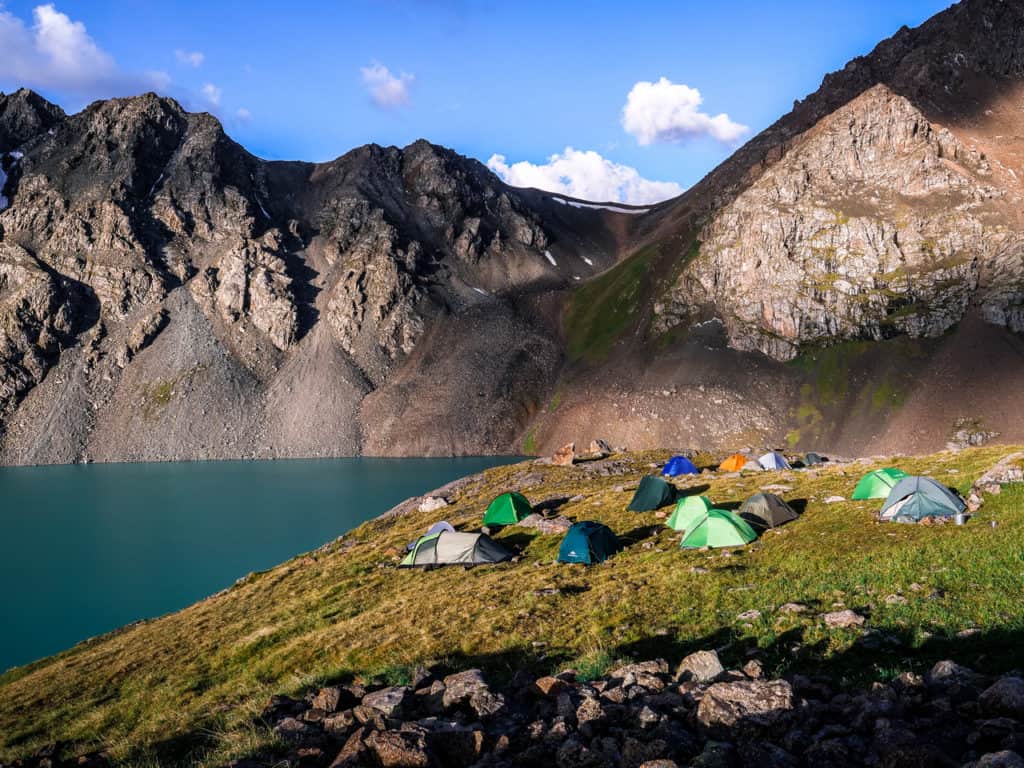
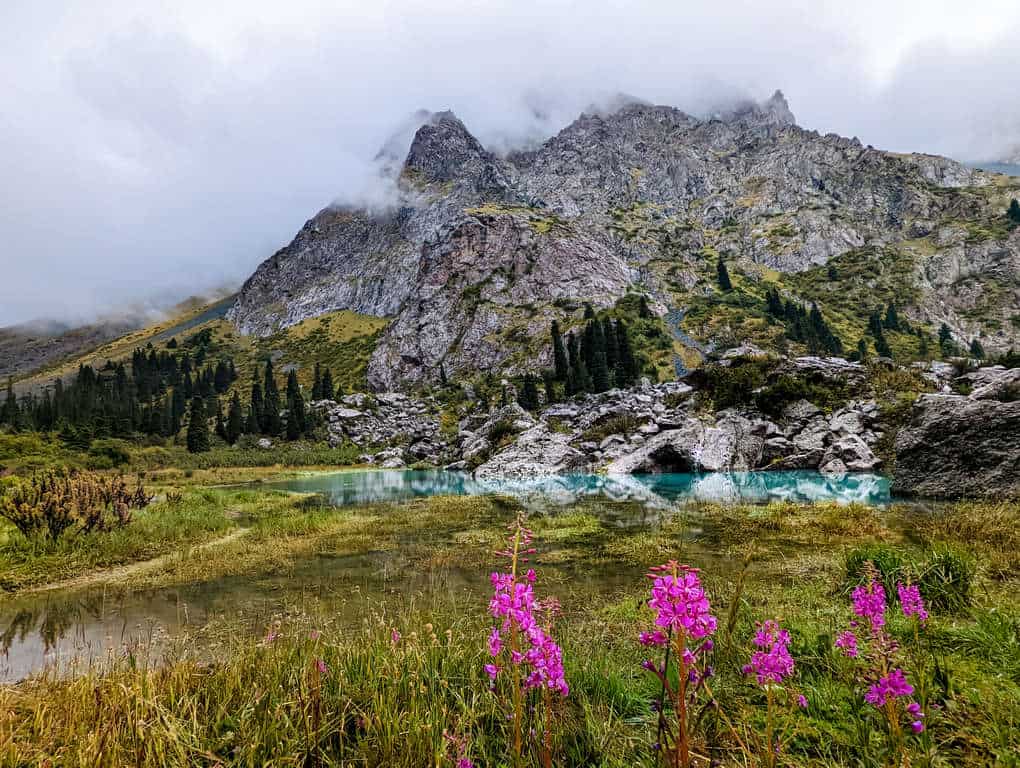
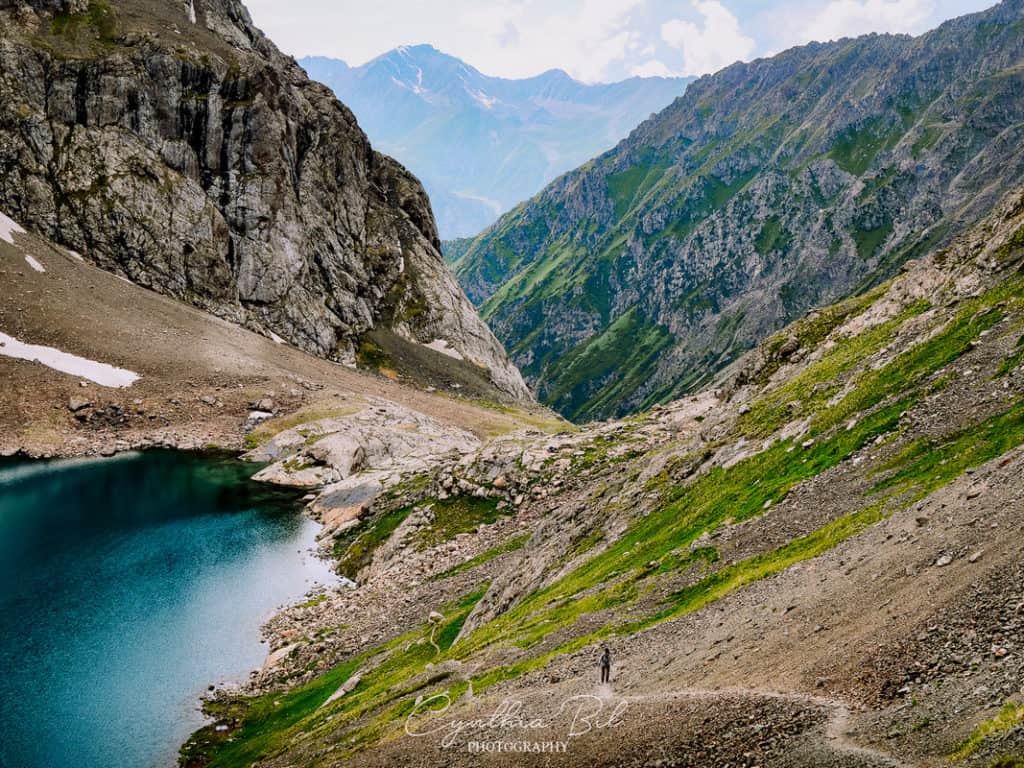
After several hours of climbing, you’ll be rewarded with the first breathtaking views of Ala Kul’s turquoise waters.
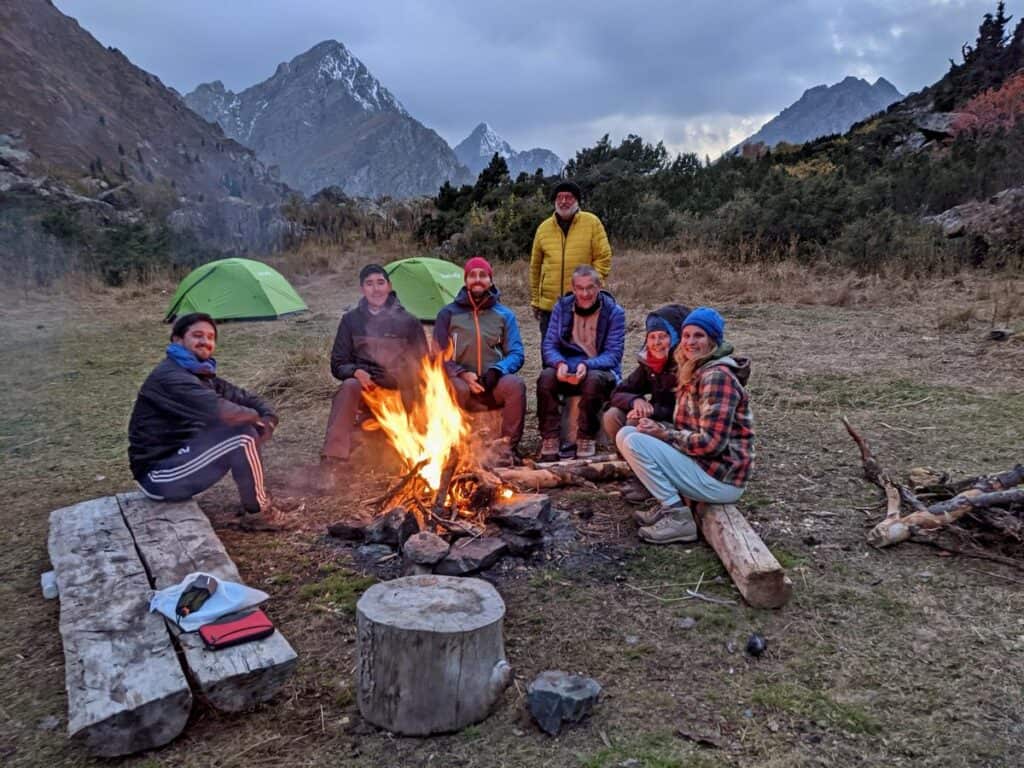
Overnight: Camping at Ala Kul Lake.



Day 3: Ala Kul Lake → Ala Kul Pass → Altyn Arashan
Distance: 13 km | Ascent/Descent: +400 m / -1,400 m
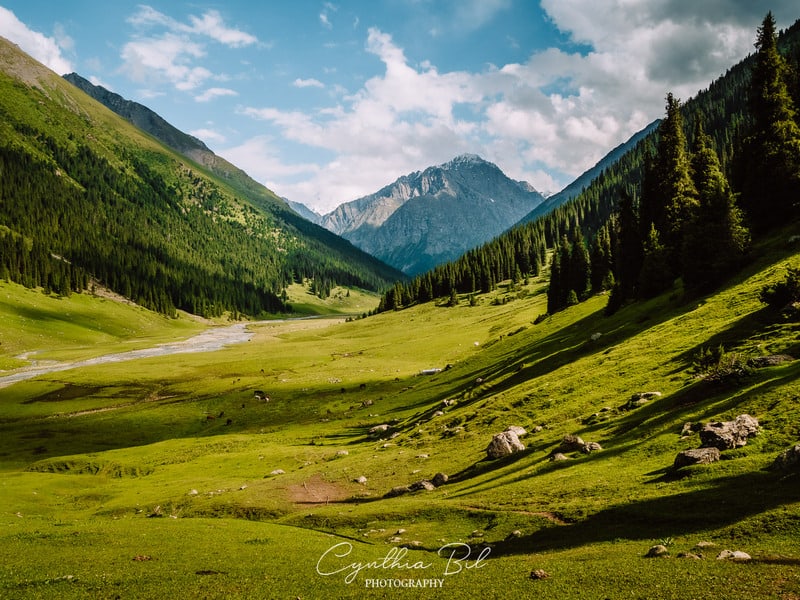
Cross the spectacular Ala Kul Pass (3,860 m), the highest point of the trek. From the pass, enjoy panoramic views of the surrounding peaks before descending through the beautiful Keldeke Gorge into the Altyn Arashan Valley.
After arriving in Altyn Arashan, relax in one of the famous hot springs.
Overnight: Guesthouse, yurt camp, or campsite in Altyn Arashan.


Day 4: Altyn Arashan → Ak-Suu
Distance: 18 km | Descent: -750 m
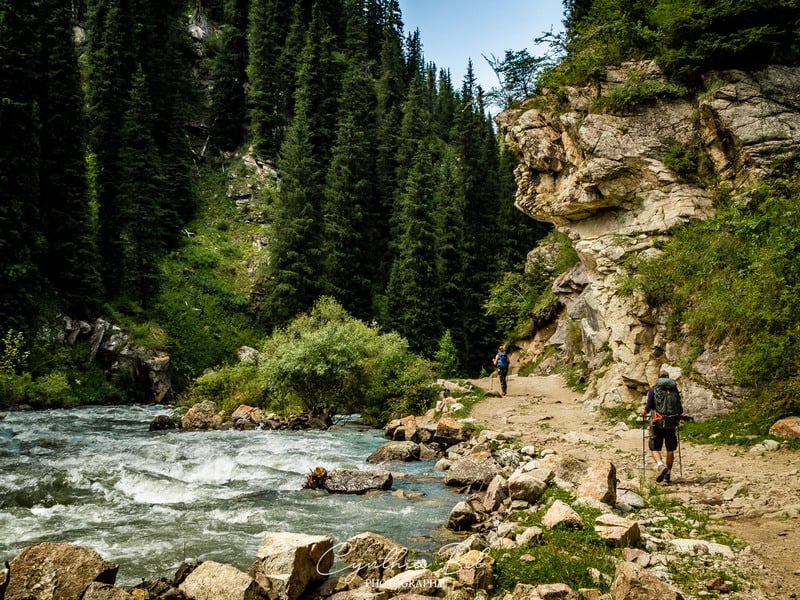
Follow an easy downhill trail through forests and alongside the river towards Ak-Suu village. From there, take a taxi or marshrutka back to Karakol.
Highlights: Forest scenery, mountain rivers, and a relaxing final day of hiking.

15. 3-Day Ala Kul Trek Itinerary
Best for experienced hikers or travelers with limited time.
Day 1: Karakol Valley → Sirota Camp
Distance: 18 km
Follow the Karakol Valley before tackling a steep climb through the forest to reach Sirota Camp. This is a long first day but positions you perfectly for the ascent to Ala Kul the following morning.
Overnight: Sirota Camp or nearby yurt camp.
Day 2: Sirota Camp → Ala Kul Lake → Ala Kul Pass → Altyn Arashan
Distance: 19 km
The most challenging day of the trek. Hike up to Ala Kul Lake, cross Ala Kul Pass (3,860 m), and descend all the way to Altyn Arashan.
Expect a full day of hiking with significant elevation gain and loss, but also the most spectacular scenery of the entire trek.
Overnight: Guesthouse, yurt camp, or campsite in Altyn Arashan.

Day 3: Altyn Arashan → Ak-Suu
Distance: 18 km
Enjoy an easy final hike through the Altyn Arashan Valley towards Ak-Suu village before returning to Karakol.
Highlights: Hot springs, forests, rivers, and beautiful mountain views.

16. Where to stay in Karakol
There are plenty of nice hostels and guesthouses in Karakol.
If you like to stay in a hostel so you can meet other travelers and potential hiking buddies, I recommend staying at Duet Hostel (conveniently located as the mashrutka going to the entrance gate of the Karakol Valley leaves from there) or at KbH Karakol based Hostel.
If you prefer to stay in a private room in a guesthouse where you can relax after the 4-day Ala Kul trek, I recommend staying at Teskey B&B or at Guesthouse Altay.

I hope this guide was useful and that you’ll enjoy hiking and trekking to the pristine lake AlaKul in Kyrgyzstan as much as we did!
I always love to hear from you so if you have any questions concerning hiking in Kyrgyzstan, get in touch or let me know in the comments below!
Go to my Kyrgyzstan Travel Page for more useful guides and resources to plan your trip!
More useful guides for Kyrgyzstan:
Kyrgyzstan Itinerary: The Ultimate 7, 10, 14 & 21-Day Travel Guide
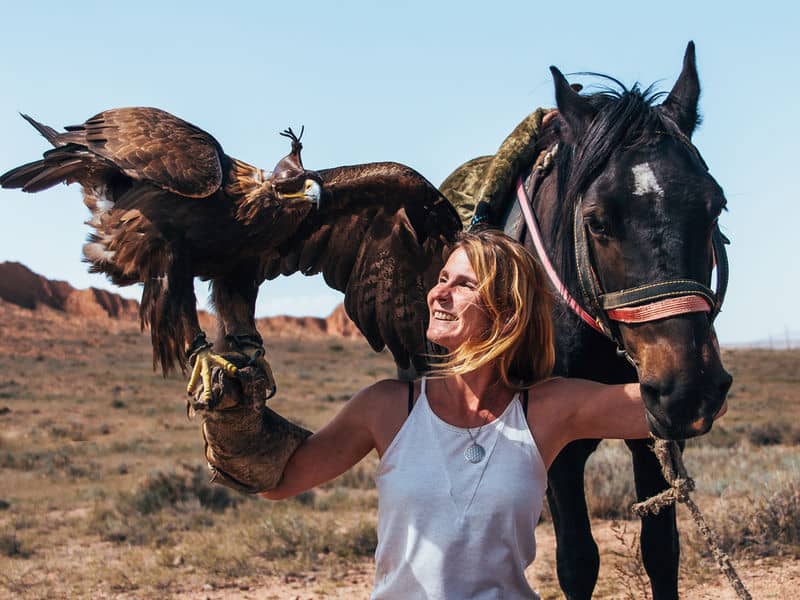
Why Visit Kyrgyzstan: 12 Reasons why I fell in love with this special country in Central Asia
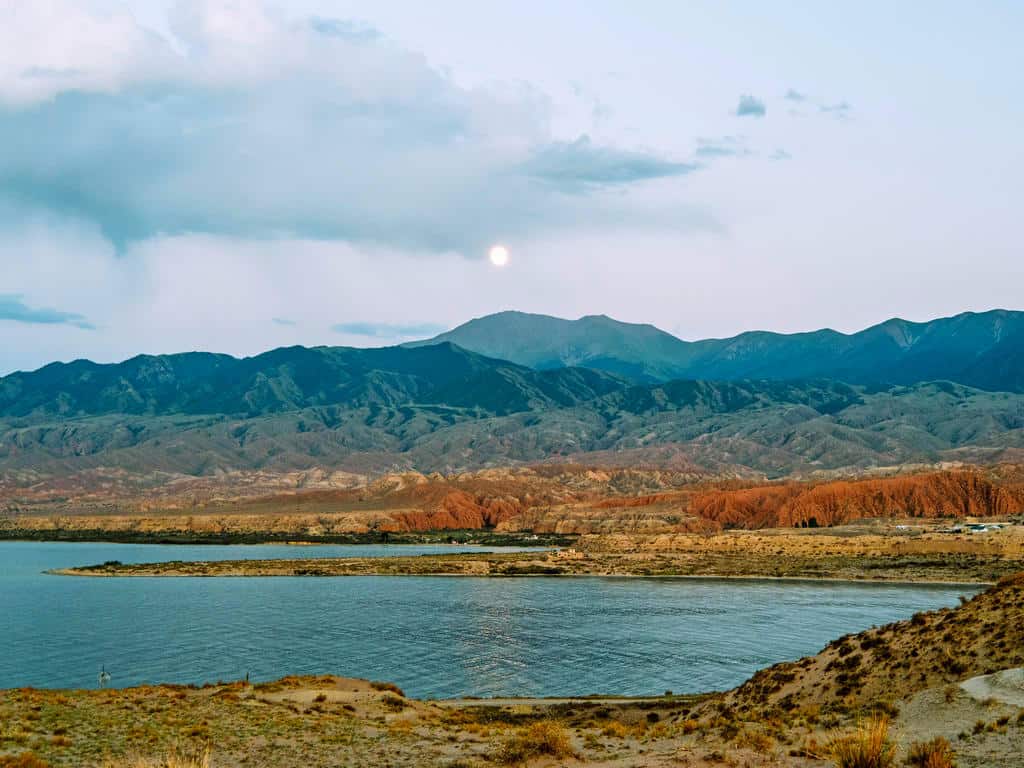
The best things to do around Issyk Kul Lake in Kyrgyzstan: Highlights, Hiking & one-week itinerary

The Complete guide to the World Nomad Games 2026 in Kyrgyzstan

Naryn Travel Guide: 12 Best Hikes & top things to do in Naryn Kyrgyzstan
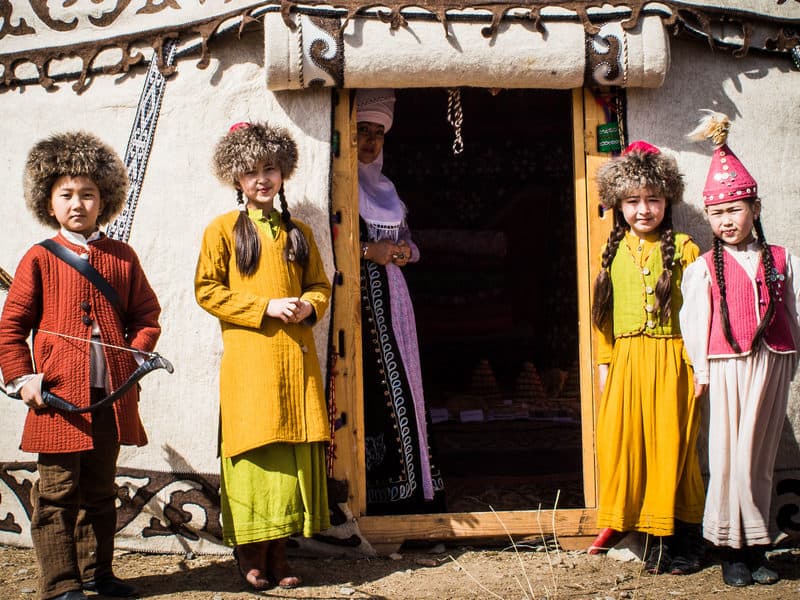
Kyrgyzstan Money Guide: Costs of Living and traveling in Kyrgyzstan in 2026
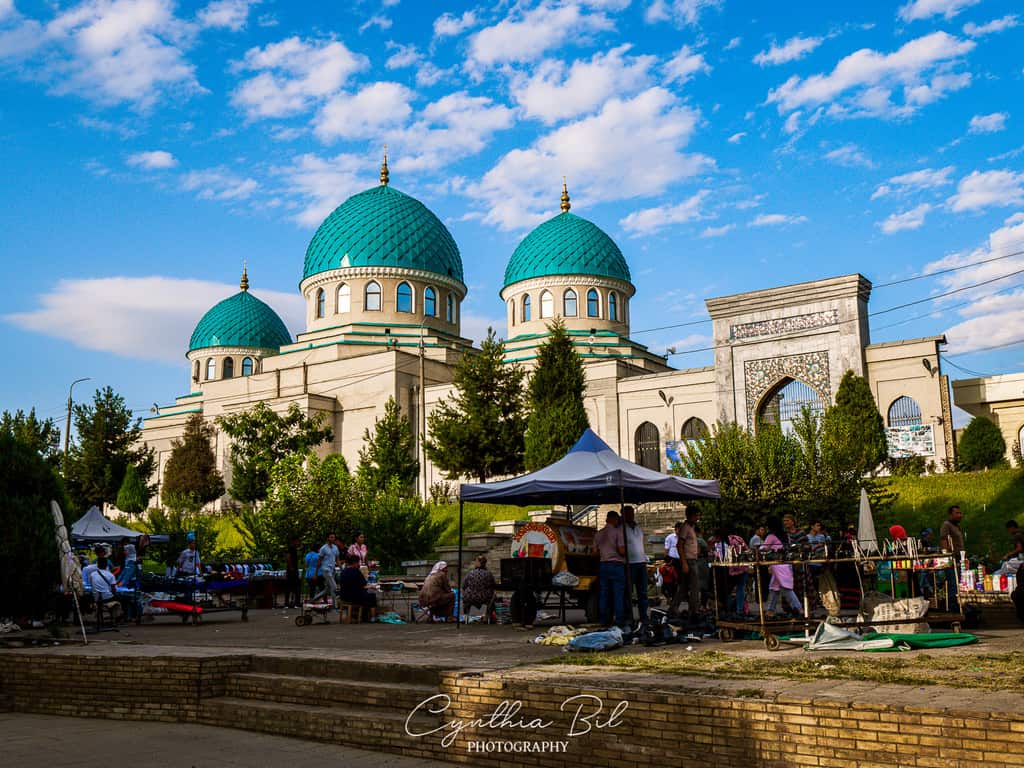
The best way to get from Tashkent to Osh and from Osh to Tashkent, crossing the Dostyk border (Kyrgyzstan – Uzbekistan)

Best Tips and complete Packing List for Traveling in Central Asia in 2026 – When to go and what to wear when visiting Central Asia

Thank you for this article.
I’m planning to do this hike end of July, beginning of August.
Do I need high hiking boots, covering the ankle?
I recommend high hiking boots for this hike
hi , how are you ?
Thank you very much for the useful information
I have two question about Overnight accommodation.
Are there any rental tents or sleeping places along the way, especially in the lakeside campsites?
And if not, is it possible to get a tent in Karakol as a daily rental?
Hi Abo, there is a campsite at Ala Kul but it’s a pricey one and doesn’t always have availability. You can check with Destionation Karakol if they rent out tents for this summer.
Hello, how are you?
Is it possible to do this treking beginning in the first week of october? Or probably it will be snowing?
Thanks
Hi Marcos, the chances are very high that the trail to Ala Kul will already be covered in snow. Best is to check with Destionation Karakol for weather reports and if the trail would still be accessible. Please don’t hike there independently at that time of the year as it can be dangerous due to the weather conditions…
Thank you very much for this interesting post.
For planning this adventure, can you perhaps recommend a reliable weather report for this area?
Hi Miriam, it’s very hard to predict the weather but the app that’s been most reliable Meteoblue
Hello,
I was recommended a horse trekking company in Karakol that had good reviews online, could that be the same horses you saw that were in poor condition? Thank you!
Hi Allie, it is possible. I don’t like the way they’re treating the horses in this area so I advise against it.
Hi,
Thank you for all the great information!
I’m interested to do this hike and was wondering why you would recommend starting from Karakol as opposed to starting the trek in Jeti-Oguz?
I understand that it may take 1 more day if I start in Jeti-Oguz, but do you prefer the section from Karakol or do you mainly recommend to start there in order to take 1 day off the trek?
Thanks again.
Hi Jacob,
Thank you! If you have extra days to spare, then it would be interesting to start in Jeti-Oguz. I recommend starting in Karakol if you only have 3 to 4 days.
Best wishes,
Cynthia
I have read every single word paying attention in all points you have mentioned, thank you very much, greeting from Saudi Arabia
Hi Khalid, happy to hear this guide was useful! Best wishes!
Thank you for this article which was very useful!
Thank you Anto 🙂